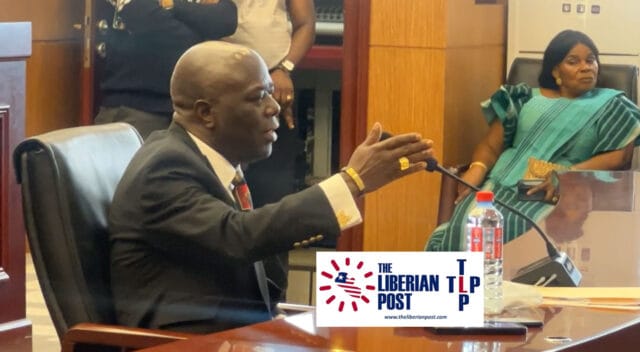
MONROVIA – In a Senate Committee on Judiciary confirmation hearing of Chief Justice-designate Yamie Gbeisay faced intense scrutiny from the Liberian Senate, particularly from members of the Judiciary Committee, who delved into his judicial philosophy and past rulings.
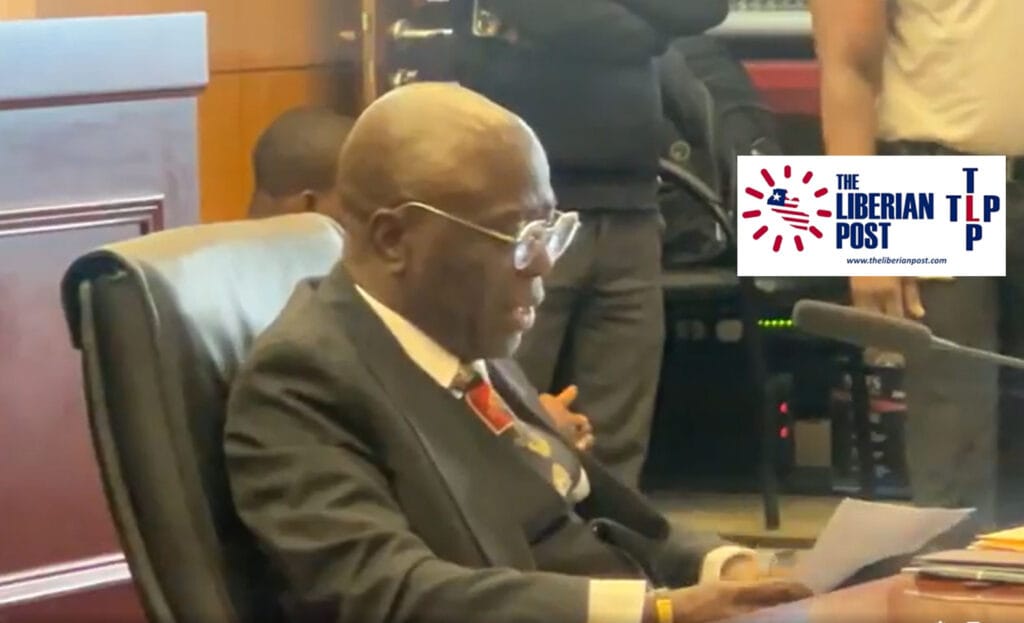
The hearing, aimed at evaluating Gbeisay’s qualifications for the nation’s highest court, was marked by probing questions that raised critical issues about the state of the Justice System in Liberia.
A ranking member of the Judiciary Committee, Senator Abraham Darius Dillon, was at the forefront of the interrogation, questioning Gbeisay’s consistency in his judicial approaches.
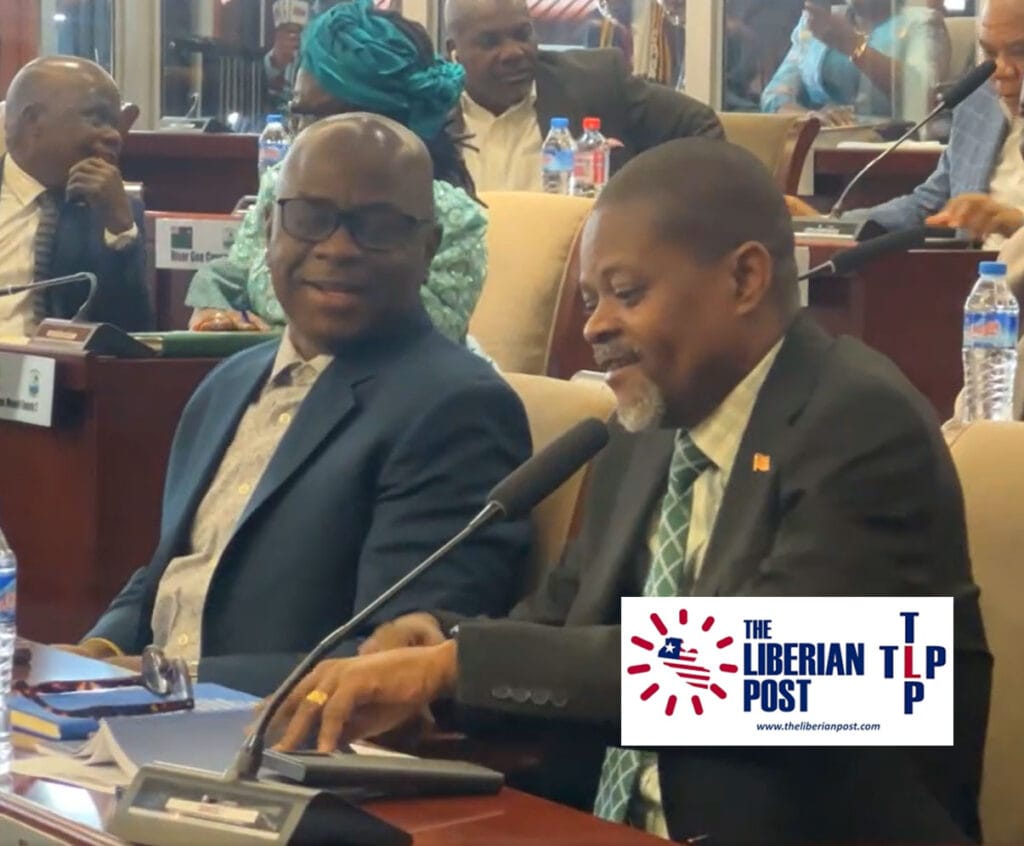
Dillon specifically highlighted Gbeisay’s dissenting opinion during the House of Representatives leadership crisis, pointing out the contradiction between that stance and his previously held views.
This line of questioning reflects ongoing concerns regarding judicial integrity and consistency.
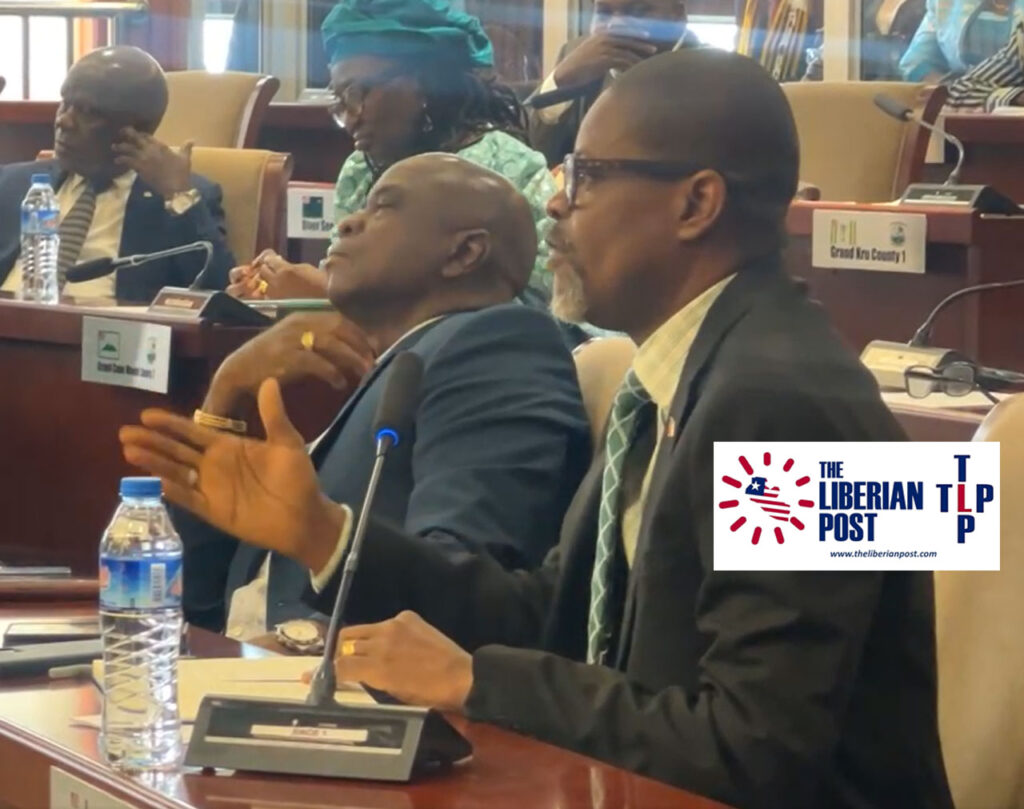
Moreover, Senator Dillon raised alarms about the delayed response from the Supreme Court concerning writs of prohibition, citing the notable case of Assets Recovery vs. Gracious Ride as a case study of inefficiency that has sparked frustration among citizens.
He pressed Gbeisay on the concerning backlog of unresolved land disputes, underscoring the urgent need for judicial reforms that would enhance the efficiency of adjudication and restore public confidence in the land Justice System.
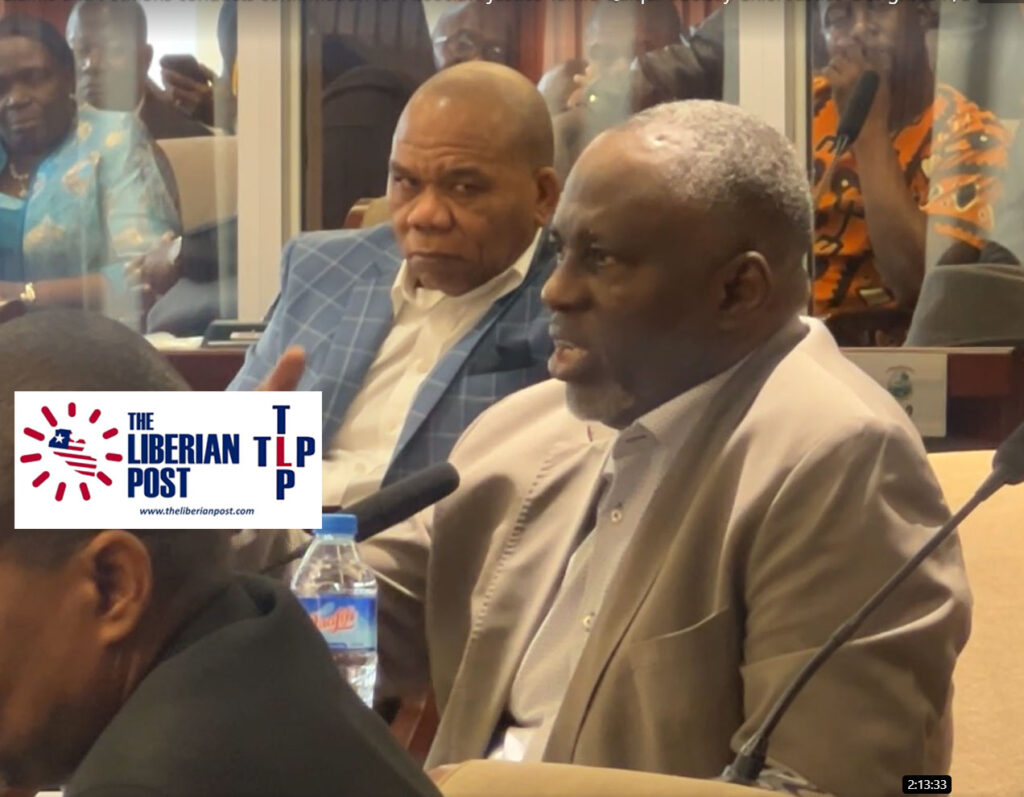
Adding to the Senate’s critical discourse, Senator Nathaniel McGill, Chairman of the CDC Legislative Caucus, posed a provocative question concerning the Supreme Court’s potential role in a future electoral conflict.
Referencing hypothetical scenarios where a sitting president refuses to concede after a loss, McGill inquired whether the Supreme Court would engage in such politically charged disputes or sidestep involvement citing political conflict.
This question has ignited public interest, with speculation about its implications as Liberia approaches the 2029 elections.
Observers are left to ponder whether McGill’s inquiry stems from political calculations or genuine concerns about the stability of Liberia’s democratic processes.
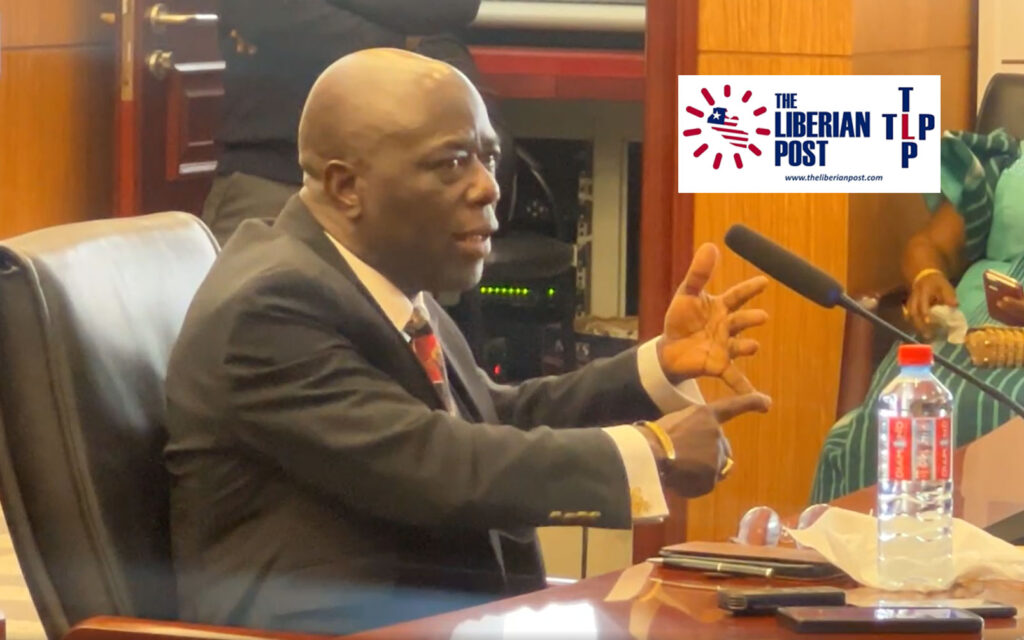
As the confirmation process continues, the scrutiny surrounding Chief Justice-designate Gbeisay sheds light on broader issues within the Liberian judicial system, with implications for governance and public trust that extend far beyond the hearing room.
The outcome of this process is poised to shape the future of justice in Liberia as the nation prepares for significant electoral challenges ahead.