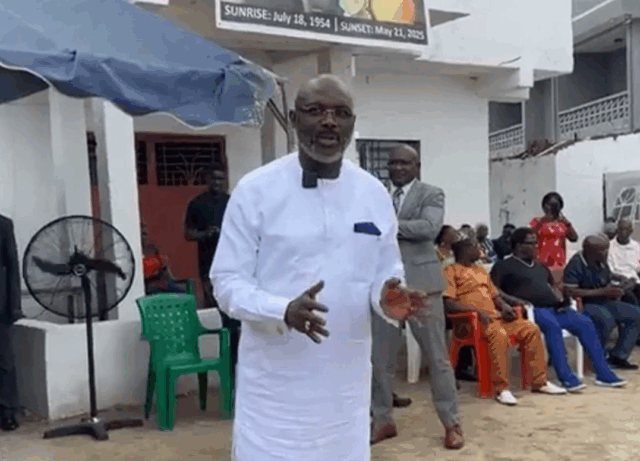
MONROVIA – In a notable development back in August 2024, former President George Weah shared with a congregation at his Forky Klon Church along the Roberts International Airport (RIA) highway outside Monrovia, that he would not be pursuing a second term in the presidential elections of 2029.
Weah, reflecting on his future, mentioned that he would be 63 years old in six years and, given his personal retirement age of 65, he has made the decision to step away from active politics. He articulated his desire to focus on spending quality time with his family and expressed heartfelt gratitude to the Liberian people for their support during his presidency. Furthermore, he pledged to continue promoting peace and socioeconomic progress in the nation.
The former President’s decision in August of 2024 was received with mixed reactions from partisans, supporters, loyalists and followers of the Coalition for Democratic Change (CDC), who stood with him in thick and thin during their opposition years and as well as during their six years of governing the state.
As for supporters of the ruling Unity Party (UP) who defeated former President Weah and his CDC at the 2023 Presidential Election, Weah’s decision to announce that he would not be seeking a second term in 2029 was a clear vision he saw that after allegedly plundering and pillaging the country’s resources along with his friends and cronies as well as suffocating every anti-graft and integrity institution in the country to paralyzed them from fighting corruption, he knows coming back in 2029 will be a political fluke on his part.
CDC: A Political Party That Always Go After Its Own for Retribution
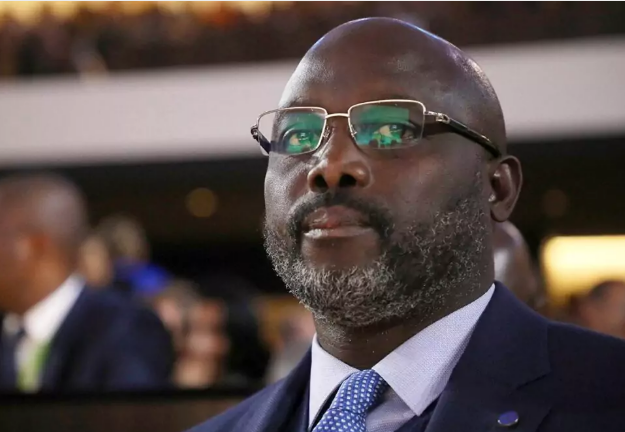
The ideologues (ideologists) of the Congress for Democratic Change (CDC) have always said and are still saying that the party was organized as a grassroots institution intended to change the lives of ordinary Liberians and move them to another level.
These ideologues were supporters of George Weah during his footballing days after forming the party needed a face to sell the party to the Liberian electorates, and thus George Weah, the international football icon who was popular with ordinary Liberians was asked to come and be standard bearer of the party in the 2005 presidential elections.
In Weah’s own words: “I am not a politician. I was called by people to come be face of the CDC and be its standard bearer, apparently these people wanted something.”
During the 11 October 2005 elections, Weah placed first in the presidential poll, winning 28.3% of the vote. He was defeated by Ellen Johnson Sirleaf of the Unity Party in the 8 November run-off election, winning 40.6% of the vote compared to Johnson-Sirleaf’s 59.4%. In the 2011 election Weah swapped the standard bearer role with Cllr. Winston Tubman but were defeated by President Sirleaf and her UP party again. In the 2017 presidential election, the party was the largest component of the Coalition for Democratic Change, and won the presidency under Weah. The party won three seats in the Senate and 15 in the House of Representatives.
During its 12 years of an opposition party, the CDC was embroiled with internal conflicts that saw it go after its own leaders and other party stalwarts.
In the words of former CDC Secretary General Moses Acarous Gray, first it was Chairman J. Cole Bangalu who was removed by 2005 and later Chairman Joshua Sackie who resigned by 2009. And by 2011 there were mass deflations of party Executives and lawmakers yet the masses stood up with the party.
By 2012, the most powerful CDC Chairmen, Cllr. Orasius Gould and Senator Geraldine Doe-Sheriff (deceased) left the movement along with 60% of the party National Executive Committee Members and founders. There were mass resignations of local executives across the counties and Chairman Gould and others established the Alternative National Congress (ANC). Mr. Benoni Urey, a former ally of jailed Liberian president Charles Taylor also left later and established the All Liberian Party (ALP) but yet the party prevailed, according to former Representative Gray.
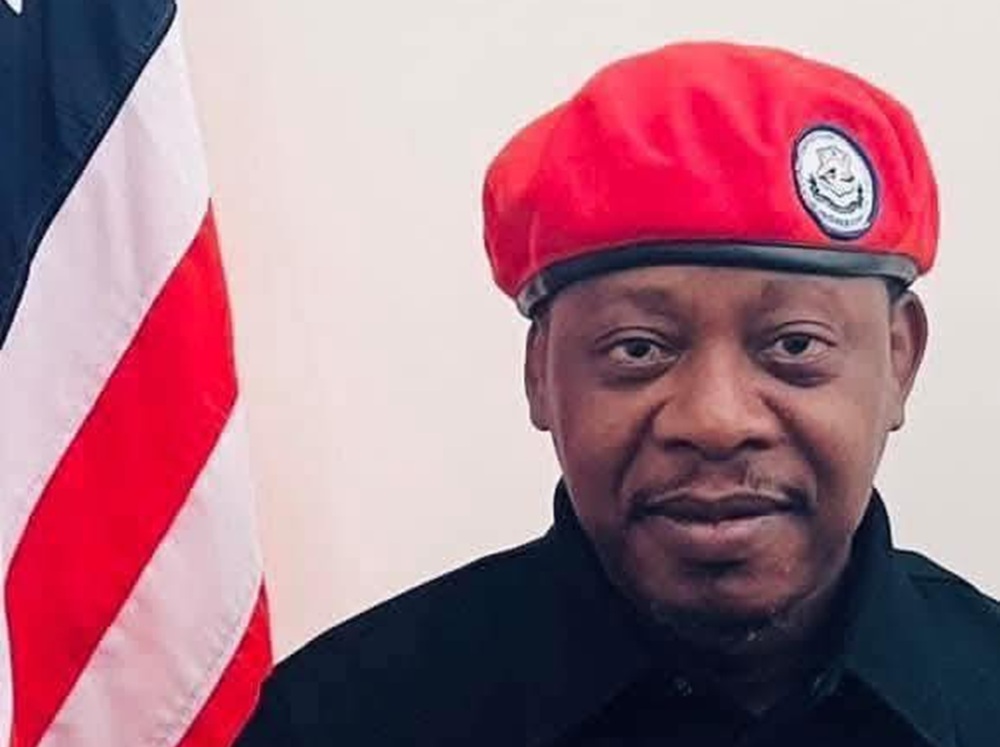
Later acting Chairman Sambola left for the USA and then by 2014 Chairman George Solo was forced out of the party because he had fallen out with their political leader George Weah, who was accused of wanting to sell the party to a rival politician. Also, former Deputy Speaker Togba Mulbah left the CDC and established the People Unification Party (PUP) but the foundation of the CDC stood firm and solid like the rock of Gibraltar, former CDC Chief Scribe Gray stated.
CDC 2005 Vice Stander Bearer Rudolph Johnson resigned and later in early 2012 the CDC expelled its 2011 Standard Bearer Winston Tubman. Both distinguished gentlemen left with their political parties. Again, others left but CDC stood firm, Gray acknowledged.
For those who believe in the CDC, they say the party made people to be relevant political and enjoyed lucrative positions in government, despite not making the party. CDCians believe their party have a history of overcoming crisis than any political movement in the history of Liberia, thus this is arguable.
Did Weah’s August 2024 Church Sermon Spark Massive Exodus of CDC Stalwarts?
In August 2024 at his Forky Klon Church when former President George Weah told his congregation who are mainly partisans of the CDC that he would not seek a second term in the 2029 elections, did partisans of the party know that months later there would be a massive exodus of top-notch stalwarts of their political movement?
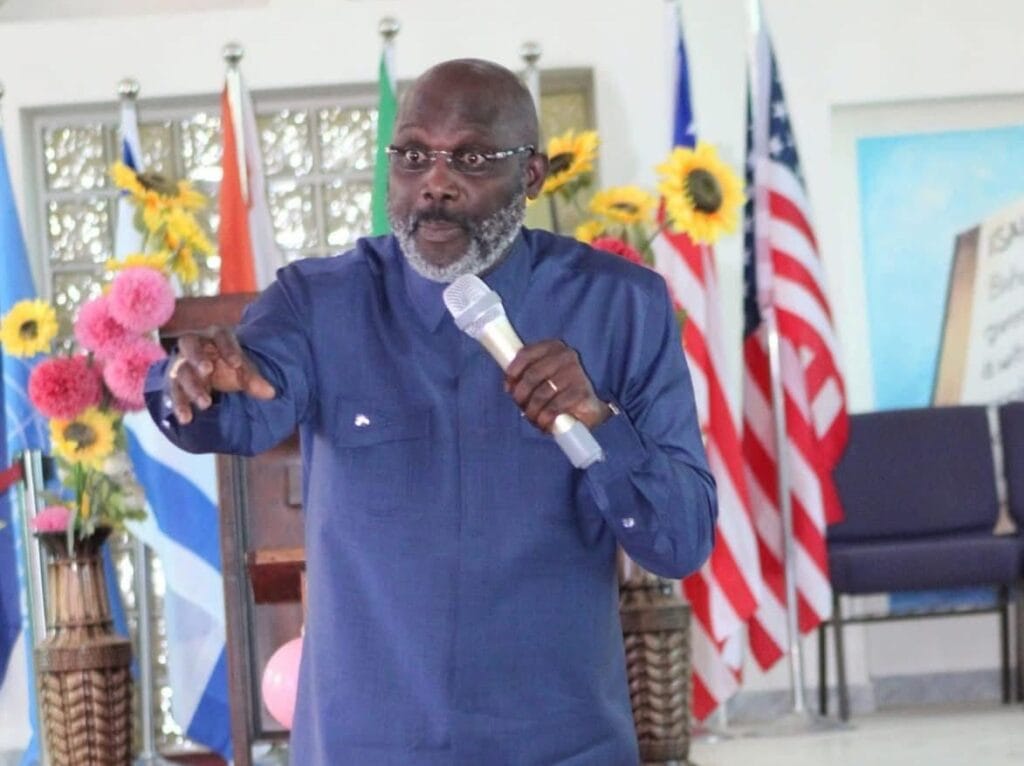
The CDC is noted as a political movement that has made people and elevated their lives because in their political doctrine they have always said ‘party mandate’ as a mantra when they are involved in an election. There are many CDC lawmakers and other officials who got their lives changed because the grassroot members have always voted for them whether they know them or not, but would do so based on party’s mandate.
In the past, the party has always had exodus but those exits were different from the current ones that are happening of late.
One of such potential exits from the CDC is the former Solicitor General of the Republic of Liberia, Cllr. Sayma Syrenius Cephus. Prior to CDC ascending to state power, Cllr. Cephus was one of the lawyers of the party.
When the CDC ascended to state power in 2018, Cllr. Cephus was appointed as Deputy Minister of Agriculture for Administration, because he earned his first degree (BSc) in Agriculture from the University of Liberia before enrolling at the Louis Arthur Grimes School of Law at the UL to earn an LLB in law.
But he later fell out of the government as Solicitor General after he and his boss, Justice Minister Frank Musa Dean were embroiled in administrative misunderstanding and was dismissed by President George Weah.
But quit recently, Cllr. Cephus, delivered a blistering critique of the George Weah-led government, describing it as a regime driven by favoritism, tribalism, and misgovernance.
Cephus, who is one of nearly a dozen former officials of the Weah administration currently on a U.S. sanctions list, said Liberia under Weah became “Weahcianized,” a term he used to describe an irrational system of leadership reminiscent of George Orwell’s Animal Farm.
He pointed out that under this system children born into poverty were suddenly living like kings and queens as loyalty to the president rather than merit determined privilege.
“The government was Weahcianized so much that kids that were born into poverty were living like kings and queens,” Cephas noted in a public statement released earlier this week. “Our government didn’t promote and protect those who stood in the vanguard of the struggle during the party’s days in opposition,” he wrote.
Describing President Weah as “a Christmas light only seen at official ceremonies and accessible to only a few officials,” Cephus recounted a list of ills that, in his view, defined the CDC administration.
Among them were the failure to empower loyal partisans, an obsession with foreign “experts” over qualified locals, and a leadership culture riddled with gossip, lies, and internal sabotage.
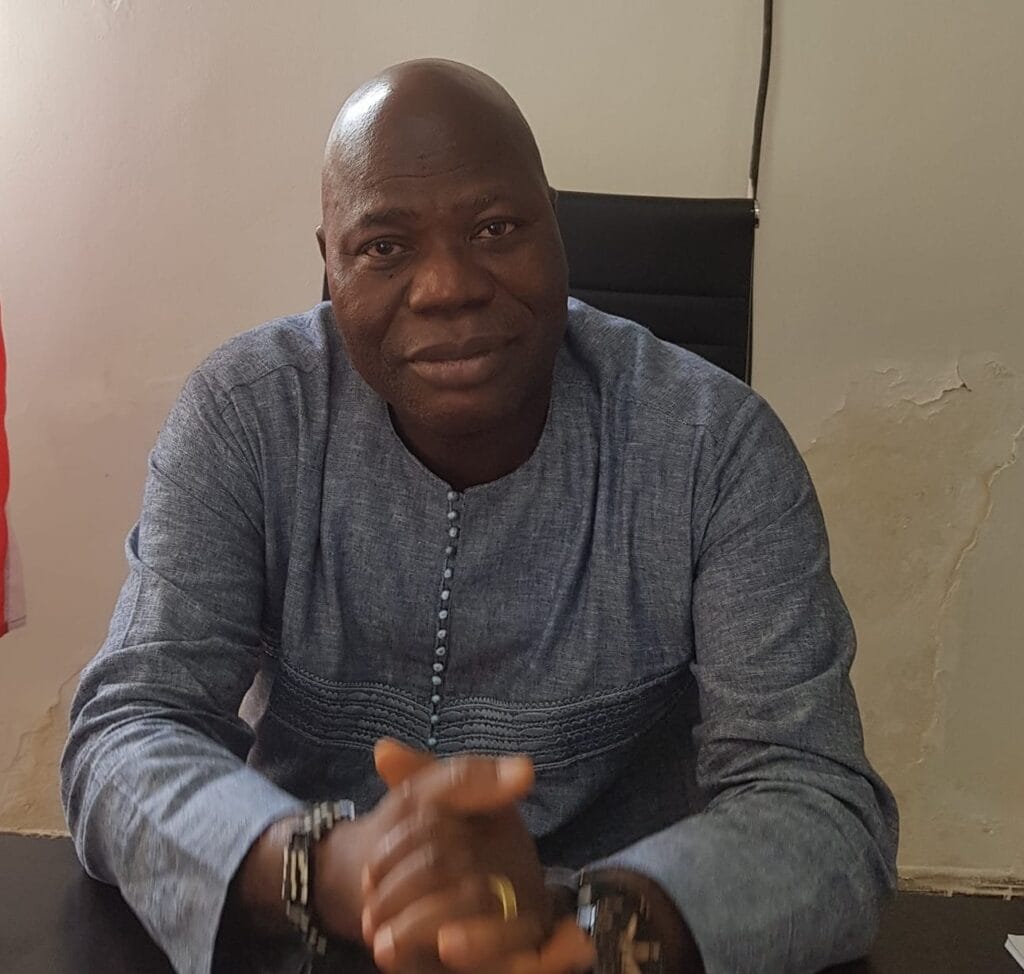
“The President was like a Christmas light only seen at official ceremonies and was accessible only to only a few officials,” he said.
“We undertook a lot of good projects, but with little impact. Just look at the population census,” Cephus lamented, accusing the administration of prioritizing entertainment over substance, especially during cabinet retreats which he described as “great fun” events lacking critical policy focus.
“Cabinet retreats were set aside for great fun rather than any meaningful exercise to discuss critical issues. The President was by and large the “Gopio” of the cabinet retreat. The President valued recycled politicians in the government more than those he called friends who were determined to serve his government,” he said.
He further criticized the disproportionate concentration of political power in the hands of a single ethnic group, the Kru pointing specifically to the roles of the President, Senate Pro-Tempore, and Deputy Speaker as evidence of regional and tribal dominance in governance.
On the international front, Cephus accused the former government of auctioning off Liberia’s foreign policy, stating: “It was for sale to the highest bidder, even at the cost of national development,” referencing controversial votes against China at the United Nations.
As a result of those lapses, Cephus, as an opposition figure, expressed unwillingness to criticize the current administration of President Joseph N. Boakai, citing the failures and regrets he carries from his time in the previous government. “When I think of all these, I feel guilty about criticizing the current government,” he said.
Cephas turned his attention to President Weah’s public image post-presidency. “A former president, once fond of making music during his tenure, is now dancing across social media. What could be more shameful and childish than this?” he asked, adding that his past complicity in the CDC government’s shortcomings leaves him morally unfit to criticize the current Boakai administration. “I don’t have criticism for JNB,” he said.
The former Solicitor General’s remarks sparked widespread public debate and are regarded as one of the strongest insider denunciations of the Weah presidency to date.
Key CDC Figures Poised to Depart as Party Coalition Collapse and Calamity Expands
The Coalition for Democratic Change, once the dominant political force that swept George Manneh Weah to power in 2017, is unravelling fast. Less than two years after its electoral defeat, the party is haemorrhaging allies, expelling top officials, and bracing for splinter movements led by its stalwarts.
A significant blow comes with the quiet but strategic exit of Montserrado County Senator Saah Hardy Joseph. A longtime Weah loyalist, Joseph has reportedly registered a new political party, the People’s Action Party (PAP), which might end his two-decade allegiance to the CDC. Sources have confirmed plans to launch PAP soon.
“Senator Joseph is done with the CDC. His silence is his strategy,” said a senior party source. “He has the structure, the resources, and the political history to launch a viable presidential bid. And he knows the CDC is no longer a winning platform.”
His move comes just weeks after the party expelled Deputy Speaker Thomas P. Fallah, another top figure who recently openly expressed his support for President Joseph Nyuma Boakai’s administration.
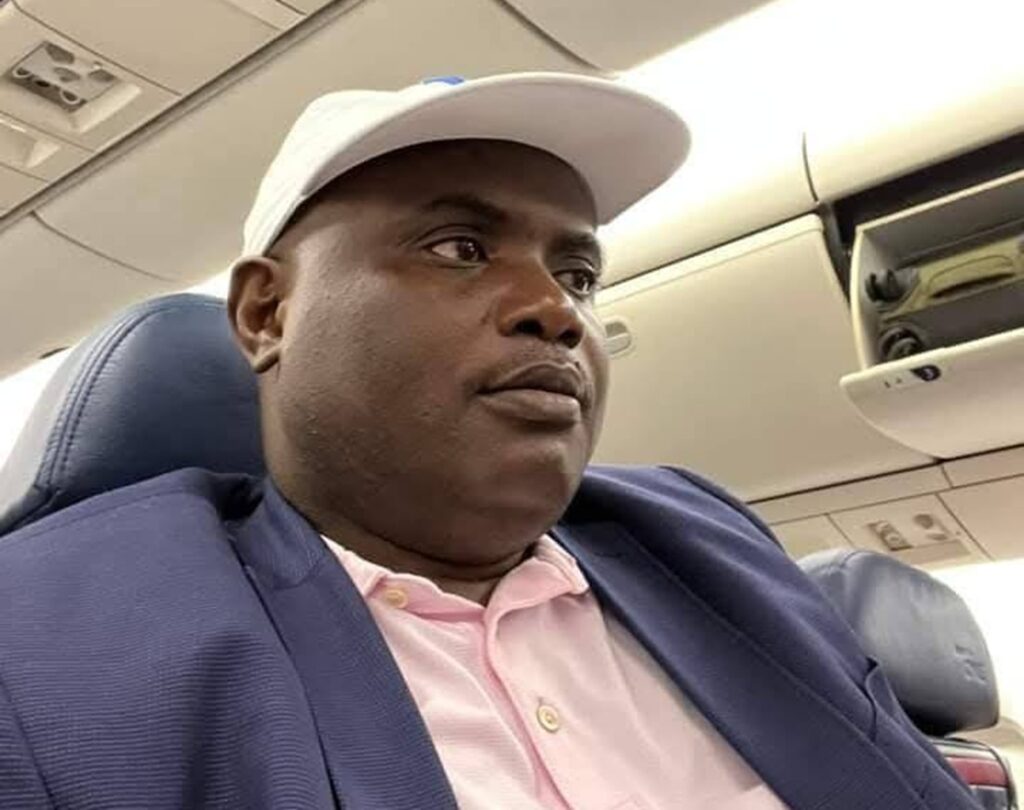
He was expelled in December 2024, for his alleged involvement in the ousting of former Speaker J. Fonati Koffa from the post. The CDC’s National Executive Committee, acting on recommendations from its Disciplinary Committee, expelled him and gave other suspended lawmakers seven days to reaffirm their loyalty or face similar consequences at the time. Fallah, during a tour in Lofa County, expressed support for Boakai’s Unity Party-led government.
The move marks a significant political shift for Senator Joseph, a longtime loyalist of the Congress for Democratic Change (CDC) and close ally of its political leader, George Weah. After nearly two decades of unwavering support for the CDC, Joseph is poised to part ways with the party that has defined his political career.
Joseph was first elected as Representative of District #13, Montserrado County on the CDC ticket in 2011 and later ascended to the Senate in 2020, also on the party’s platform. Now, with nearly 15 years in the Legislature, Senator Joseph appears to be setting his sights on a presidential bid in the 2029 general elections.
Insiders at the National Elections Commission (NEC) have confirmed that the registration of PAP is in its final stages, with formal certification expected in the coming days. This development follows a wave of internal dissent and recent high-profile departures from the CDC, raising questions about the party’s long-term stability.
Political observers, including former Sinoe County Senator Milton Teahjay and former Solicitor General Sayma Cyrenius Cephus, have openly expressed concern over the CDC’s trajectory leading into the next electoral cycle.
The formation of PAP by a high-ranking CDC figure adds to growing speculation that the opposition party may face serious challenges ahead of Liberia’s 2029 elections.
Is the CDC Declining as a Political Movement?
Since its 2023 electoral loss, the CDC has spiralled into internal feuding, a shrinking support base, and leadership paralysis. With Weah retreating from public political life, insiders describe a party gripped by fear, disillusionment, and confusion.
The disintegration has been compounded by the exit of its two major coalition allies: the National Patriotic Party (NPP) and the Liberia People Democratic Party (LPDP). The two parties helped form the CDC in 2016, but now publicly denounce their past alliance.
On March 31, 2025, NPP Chairman George Sylvester Mulbah branded the coalition “a mistake,” vowing never to rejoin an arrangement where the NPP is treated as a “stepchild.” The LPDP, under Moses Kollie, also withdrew, citing betrayal and marginalization during the CDC’s six years in power.
Their departure has left the CDC hollowed out. Having once been the governing coalition, it now struggles with basic operations, including reportedly losing control of its Congo Town headquarters due to unpaid debts.
The CDC’s fall from power has been swift. Once the dominant force in the National Legislature, it is now consumed by infighting, leadership voids, and fading influence. “The CDC of 2017 no longer exists,” said former Solicitor General Cllr. Sayma Syrenius Cephas recently during a radio appearance in July. “It’s a broken house. People are jumping ship because they know it’s sinking.” Some party insiders are pushing for a total overhaul of the leadership.
Given these significant transitions, one must question: Is the Congress for Democratic Change (CDC) on the verge of disintegration? This question arises in light of the shifting political landscape and the potential implications for the party’s future stability and direction.
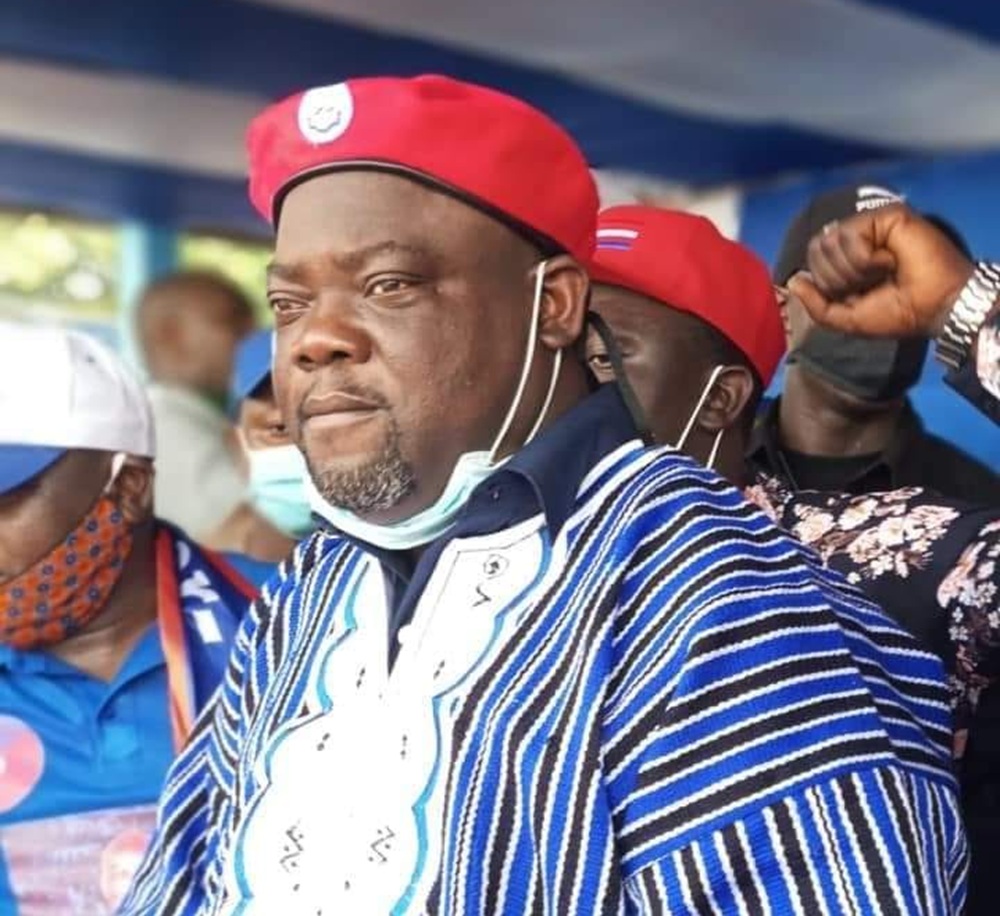
Political Pundits Assertions
Meanwhile, political pundits who have been following the latest political manoeuvring within the former ruling CDC have opined that apparently the August 2024 sermon preached by its political leader and former President, George Weah, that he would not seek a second term in the pending 2029 elections is now chasing the party.
These pundits say most of the former CDC stalwarts who are now detaching themselves from the former ruling party know fully well that most of the grassroot members were only following the party because of Weah, who was a football icon loved by many Liberians. But with Weah saying in August 2024 that he will not run in 2029 kind of threw a wedge between the youthful CDCians and other party stalwarts, who believe that these youth CDCians only follow Weah and nobody else.
“The youthful CDCians did not support CDC to power in 2017 because of politics but purely based on Weah’s exploits as a former international football icon, who believed in entertainment, something that the younger ones love to see. So, when they saw Weah – the President – making music and dancing all over the place, they were happy because that is what they know and wanted to see, ignoring what it means to run a government and a country,” some top-notch political commentators opined.
As the road to the 2029 gradually widens, it remains to be seen whether the former ruling Coalition for Democratic Change (CDC) of George Weah, will become the political force it once was, that in 2017 it won 14 of Liberia’s 15 political subdivisions (counties) to oust the UP from power following the end of former President Ellen Johnson Sirleaf’s second term.
The exit of prominent CDC stalwarts is not a good political omen for the once ‘Mighty Congress for Democratic Change’ in their own words, but it should be a wake-up call that their the political tides have turned and their chances of bouncing back may become herculean in the pending 2029 presidential elections to be held in Liberia.