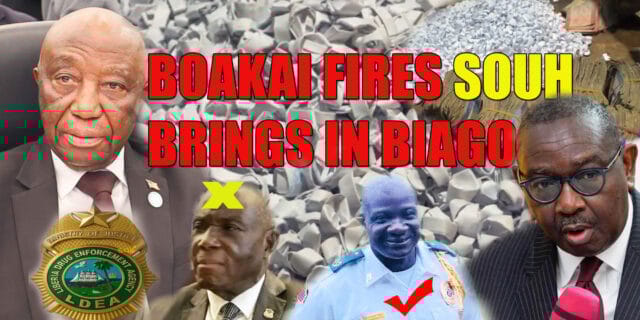
MONROVIA — President Joseph N. Boakai has ordered a comprehensive review of the Liberia Drug Enforcement Agency (LDEA), tasking the Minister of Justice with examining its structure, operations, and effectiveness in combating the country’s deepening drug crisis.
The move follows the immediate dismissal of the agency’s top three officials for what the Executive Mansion described as “administrative reasons.”
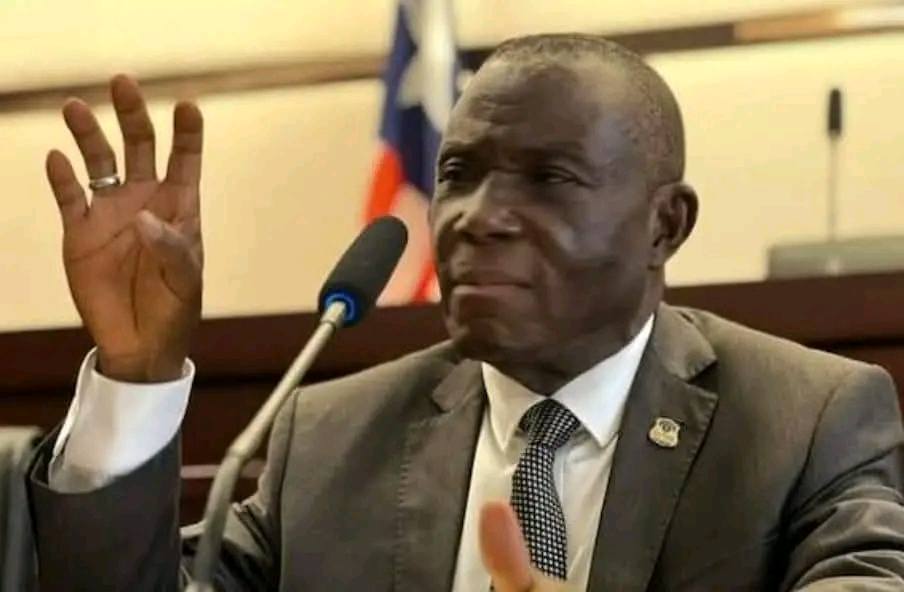
In a decisive shake-up announced Thursday, President Boakai dismissed:
- Mr. Anthony K. Souh, Director General
- Mr. Gwee K. Porkpah, Deputy Director General for Administration
- Mr. Sebastian Farr, Deputy Director General for Operations
An Interim Management Team has been appointed to take charge of the LDEA’s operations pending further decisions. The team includes:
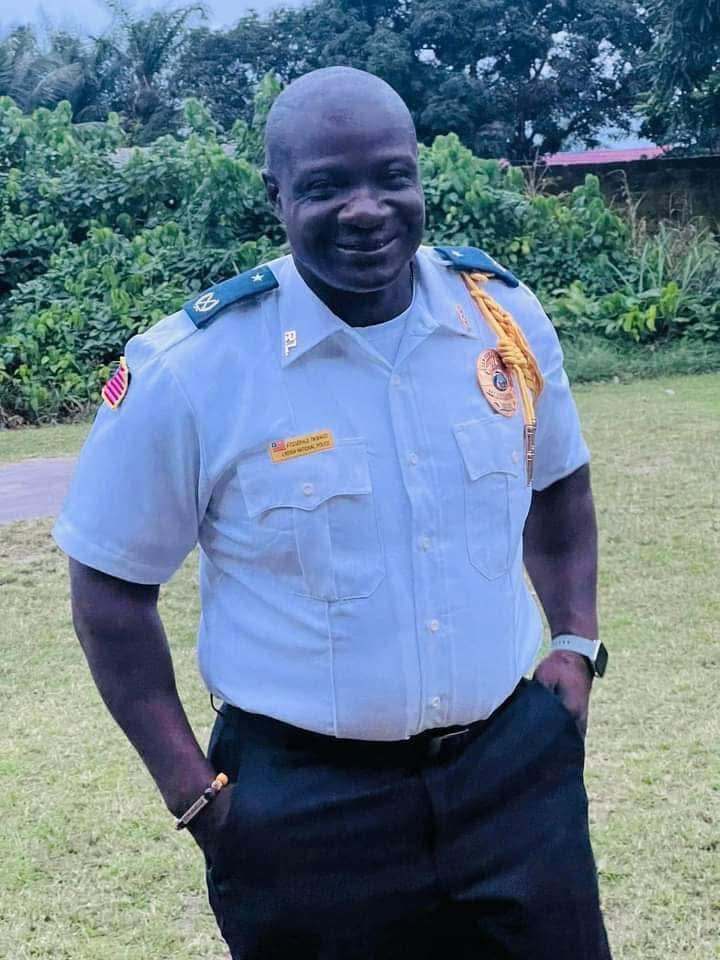
- DCP Fitzgerald T. M. Biago of the Liberia National Police, as Officer-in-Charge
- Mr. Ernest T. Tarpeh, Assistant Director for Special Services at the National Security Agency, as Deputy for Administration/Investigation
- ACP Patrick B. Kormazu, also of the Liberia National Police, as Deputy for Operations
The interim leadership will report directly to the Minister of Justice, who is now under presidential instruction to conduct a 90-day comprehensive review of the LDEA and present recommendations for reform.
President Boakai said the sweeping action was necessary to re-energize Liberia’s response to the worsening threat of illicit drugs, which he described as an “existential threat” to the nation’s youth and public safety. “This action is aimed at strengthening our collective resolve and actions in achieving a country free of illicit drugs and substances,” Boakai said, adding that the current situation was “unacceptable.”
Background: A Struggling Agency in a Growing Crisis
The LDEA has long faced criticism over its effectiveness and integrity, with internal rifts among previous agency heads and a series of public disputes undermining its credibility. Past administrations have struggled to maintain consistent leadership at the agency, often mired in allegations of corruption, poor coordination with other security agencies, and politicization of operations.
Liberia’s drug problem has escalated in recent years, fueled by porous borders, limited enforcement capacity, and the country’s growing role as a transit point for international drug trafficking networks. Substance abuse—especially among youth—has surged, contributing to rising crime, gang activity, and social instability.
Despite efforts by the LDEA and civil society organizations, critics say the agency has been hamstrung by a lack of resources, training, and strategic direction. Infighting among its top brass and periodic reshuffles have further stalled reform.
A Turning Point?
With this latest overhaul and the launch of an official review, the Boakai administration is signaling a shift toward systemic reform of Liberia’s anti-drug apparatus. The President urged the interim team to focus on blocking drug inflows, dismantling trafficking networks, and stepping up enforcement efforts nationwide.
Whether the changes will lead to long-term improvements remains to be seen. But for now, the President’s directive sets the stage for a potential turning point in Liberia’s long and troubled fight against illicit drugs.