


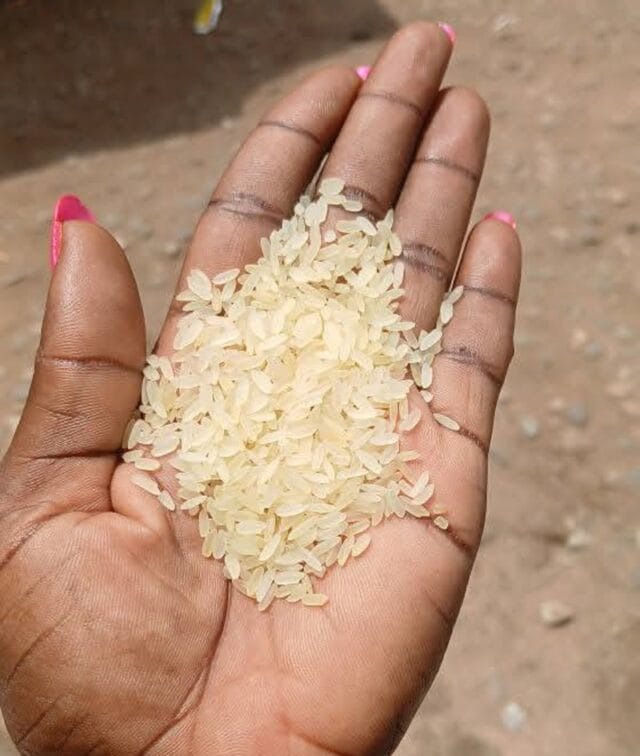
MONROVIA — President Joseph Nyuma Boakai has announced substantial reductions in the prices of two essential staples—flour and rice—following recommendations from the Presidential Ad-Hoc Committee on Price Contradictions, led by Vice President Jeremiah Kpan Koung, Sr.
Effective immediately, the wholesale price of a 100-pound bag of flour has dropped from US$39 to US$35, while a 25-kilogram bag of rice is now priced at US$14, down from US$16.75.
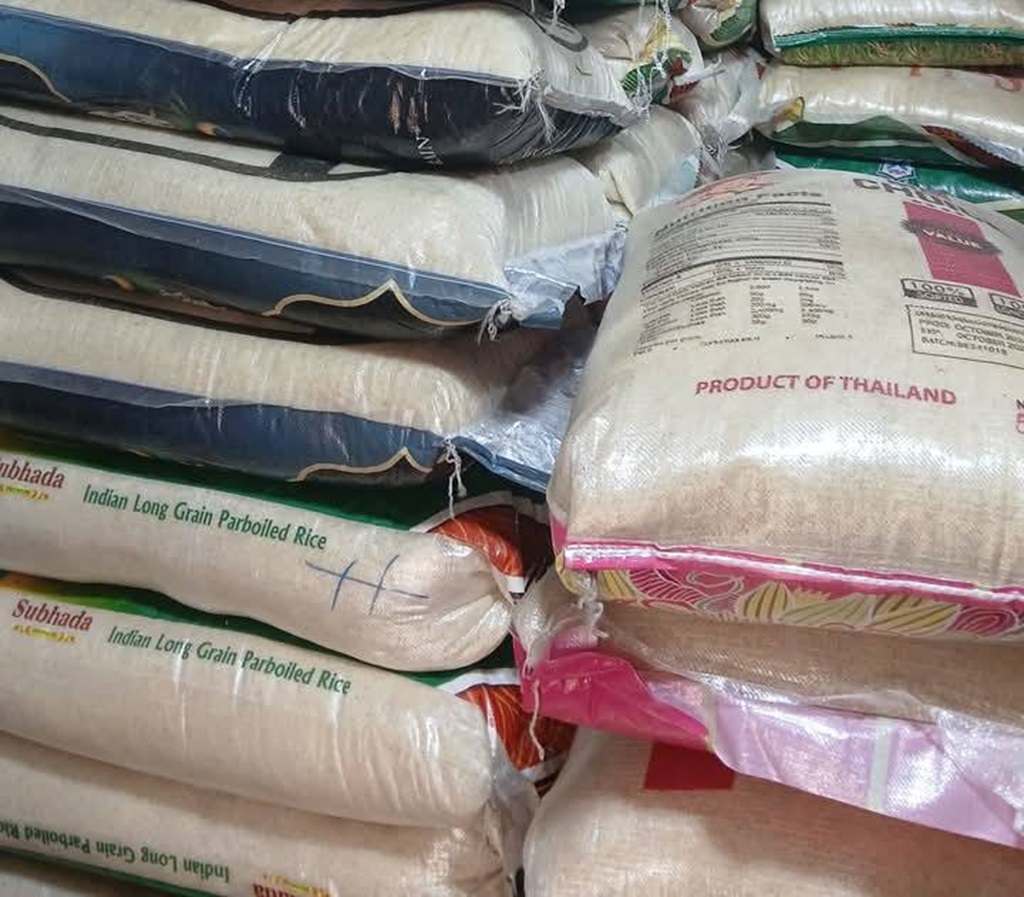
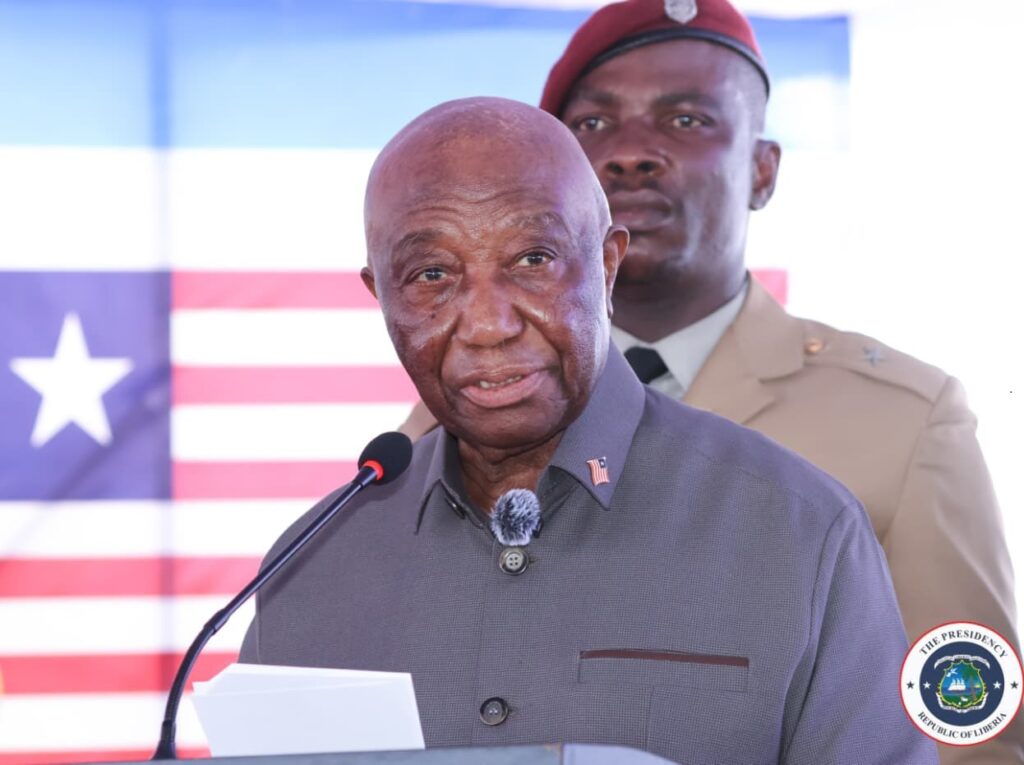
“These reductions reflect my government’s commitment to ensuring that ordinary Liberian families have access to affordable food,” President Boakai remarked. “We are collaborating with producers and importers to support fair, sustainable trade that preserves supply.”
He instructed the Ministry of Commerce inspectorate alongside other stakeholders to enforce the new prices nationwide. Anyone found engaging in arbitrary price hikes will face legal penalties. The Presidential Committee will continue stakeholder engagement to explore further cost-saving measures.
Why Rice Matters: A Historical and Economic Perspective
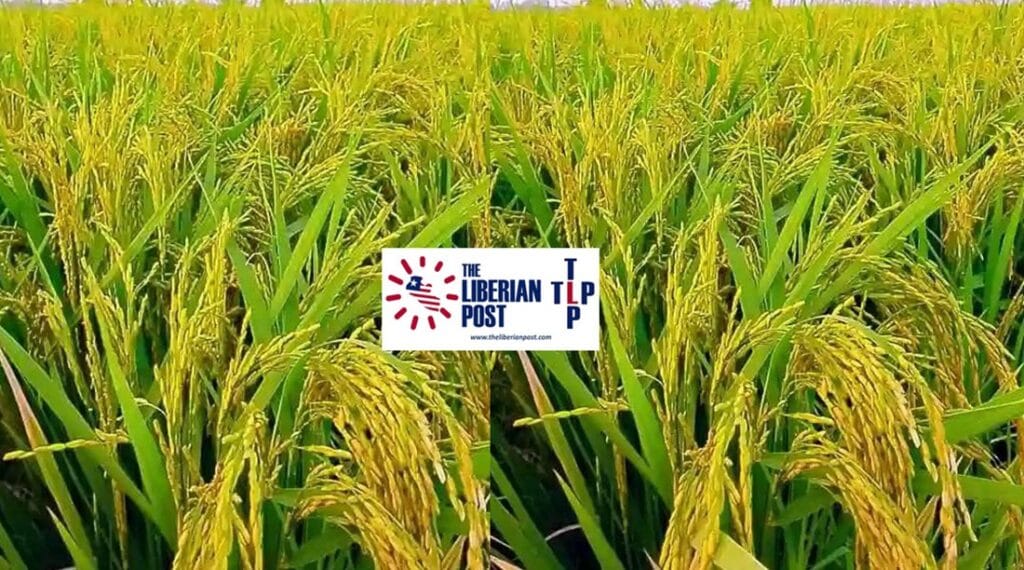
Rice is not just a dietary staple in Liberia—it is a socio-political barometer. Across diverse ethnic groups like the Kpelle, Lorma, Kissi, rice consumption is deeply ingrained in daily life and cultural identity.
Historically, efforts to reform rice pricing have sparked national crises. In 1979, then-Agriculture Minister Florence Chenoweth proposed increasing rice prices from $22 to $26 per 100-pound bag to incentivize local production. The proposal triggered the infamous Rice Riots, culminating in lives lost, widespread looting, and eventually the overthrow of President Tolbert’s government.
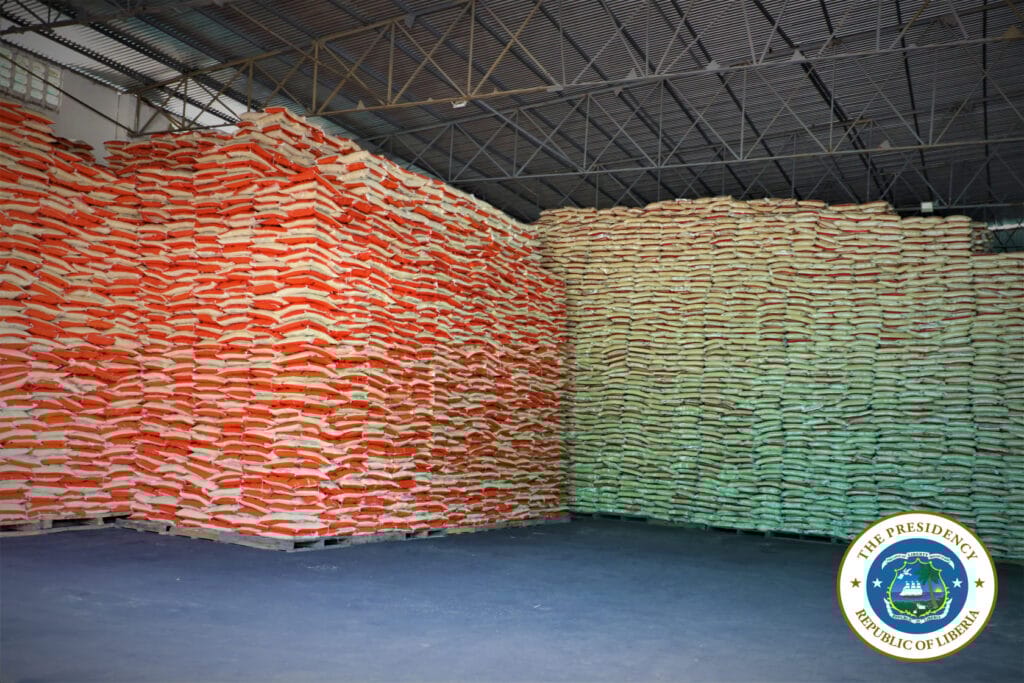
Today, rice accounts for half of all calories and around 22% of agricultural GDP. Yet despite Liberia’s fertile land—and a legacy of agricultural infrastructure like South-east lowlands—the country imports around 80% of its rice requirement, costing hundreds of millions annually.
Programs like AfricaRice’s Seeds4Liberia and SAPEC are working to boost productivity through improved seed systems and training for farmers. But long-term food security hinges on sustained investment, policy follow-through, and local value chain development.
Why This Matters Now
Liberia’s turbulent past has underscored the political infantility of interfering with rice prices. The cautionary legacy of 1979 leaves contemporary leaders walking a tightrope between relief and revolt.
President Boakai’s move to reduce staple prices comes at a sensitive time—economic pressures continue to mount amid inflation and import dependency. Affordability is a relief, but not a substitute for food independence.
What Comes Next?
Price relief is a welcome short-term reprieve, but sustainable food security demands long-term solutions:
- Scale up investment in rice value chains—from high-yield seeds to rural processing and market access.
- Restore infrastructure in lowland rice zones like Lofa, where irrigation once enabled multiple harvests a year.
- Strengthen institutional capacity and accountability at agencies like the Ministry of Agriculture and CARI.
- Enhance regulatory frameworks to prevent retail inflation and protect both producers and consumers.
Liberians’ deep cultural bond with rice underscores its economic and political gravity. By lowering prices now, the Boakai administration offers respite. The pressing question remains: Will this be a fleeting gesture—or the first step toward rice self-reliance?
Let us hope that price controls don’t become temporary fixes, but a turning point in Liberia’s journey toward food sovereignty.







magnificent issues altogether, you just won a new reader. What might you recommend about your post that you just made a few days in the past? Any certain?
Comments are closed.