MONROVIA – The President of the University of Liberia (UL), Dr. Layli Maparyan, appeared before the Senate Committee on Education, Thursday, September 4, to deliver a candid, sweeping account of the challenges engulfing the country’s flagship university—from salary disparities and delayed payments to crumbling infrastructure and systemic underfunding.
In her address, Dr. Maparyan painted a sobering picture of the university’s operational state while also outlining practical steps her administration is taking to reverse years of decline. “Our lowest-paid employees—some 700 of them—make less than $200 a month,” Dr. Maparyan said. “That, to me, is a human rights abuse. You can’t even get to and from work for $200 a month.”

Faculty Pay, Salary Disparities Top the List
At the core of UL’s challenges is the issue of faculty and staff compensation. Dr. Maparyan said her administration is in ongoing talks with the Ministry of Finance to secure additional funding to meet salary obligations. In the meantime, the university is leveraging internally generated revenue to fill short-term gaps.
She highlighted significant disparities in pay across individuals holding the same roles, a long-standing problem that has fueled dissatisfaction among faculty and staff.
“It shouldn’t be vastly different. You shouldn’t have the same salary as someone in a different role whose qualifications don’t even match yours,” she stated.
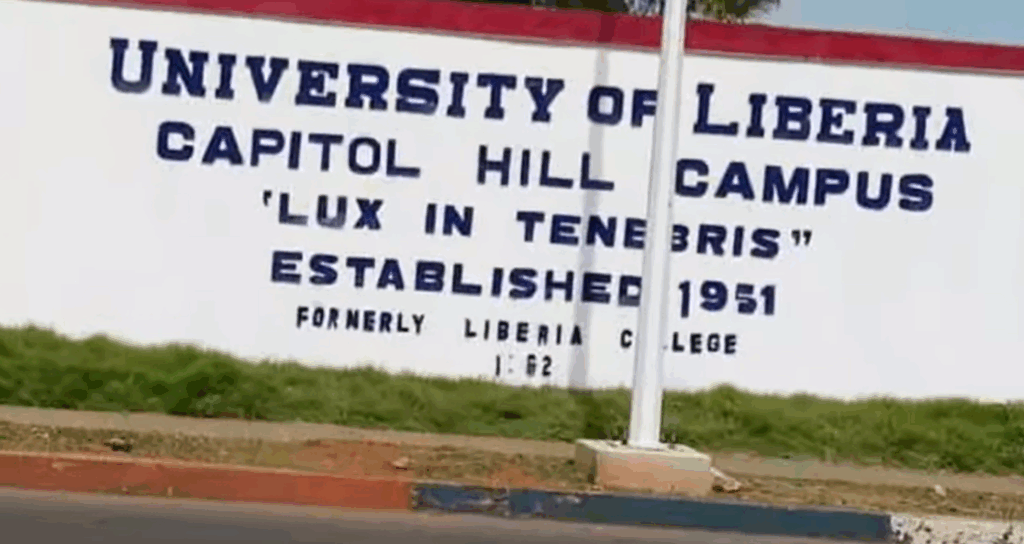
Dr. Maparyan announced plans to overhaul UL’s salary band structure, working in collaboration with the Civil Service Agency (CSA) to reconcile pay with credentials and job responsibilities. Special attention, she said, will be given to faculty with PhDs and advanced degrees, whose compensation currently does not reflect their academic standing.
Unresolved Back Pay and Pension Challenges
Dr. Maparyan also addressed unresolved back pay—specifically related to promised but unfulfilled salary increments from past administrations.
Faculty members, she explained, are demanding payment based on years of service, including a historic 60% increment pledge that was never fully implemented. “I don’t have the full answer to that yet,” she admitted, but reaffirmed her commitment to fair compensation.
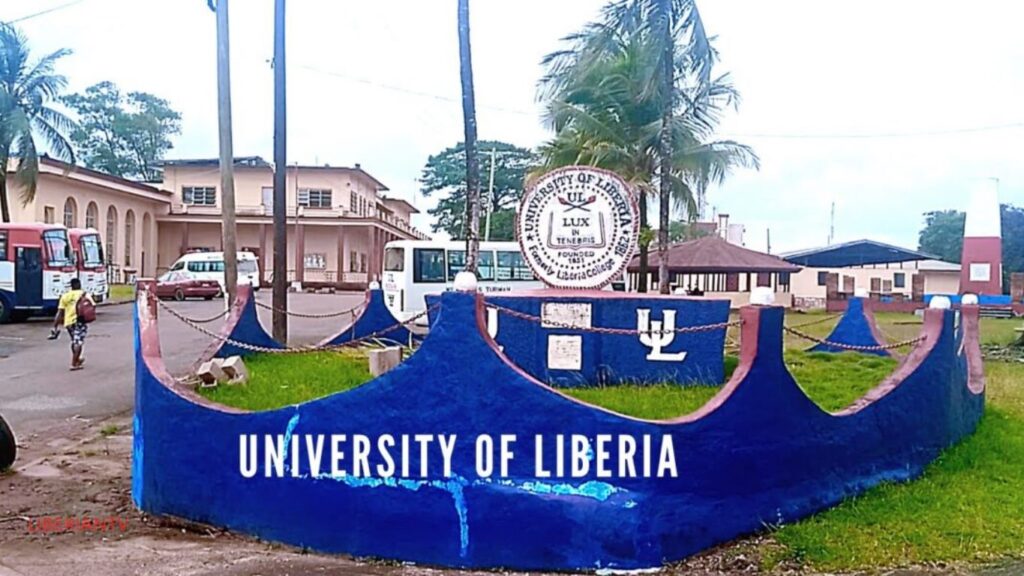
In a startling revelation, she disclosed that the university owes over $10 million in arrears to NASSCorp, dating back to 2012. The debt has prevented UL from enrolling faculty and retirees into formal pension schemes, forcing the university to continue paying retirees directly from its operational budget at 40%–60% of their salaries.
Classroom Conditions and Infrastructure Failures
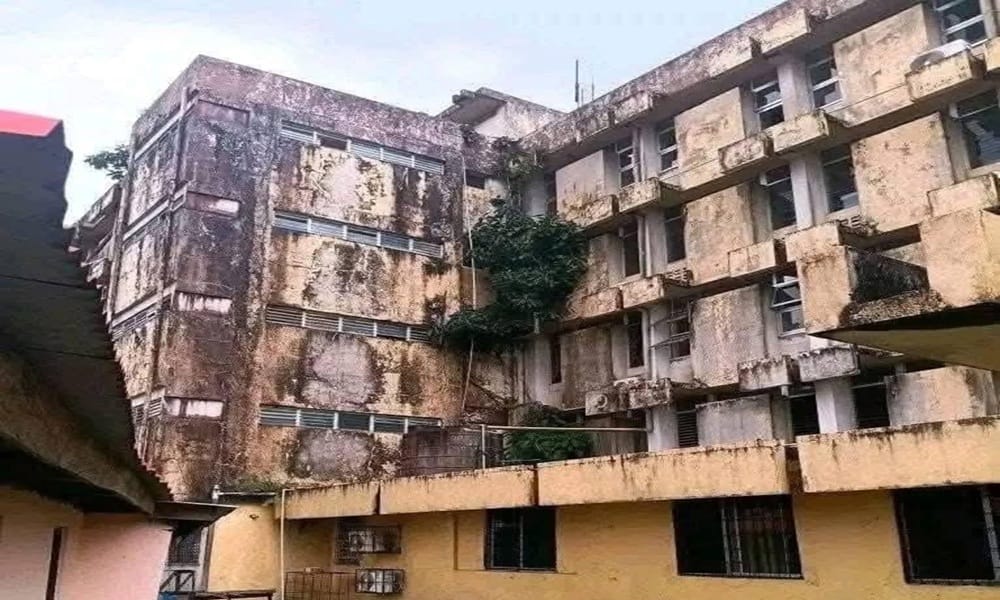
One of the most visible issues at UL remains the deterioration of campus infrastructure. Dr. Maparyan said the university is still grappling with a severe shortage of classroom furniture, particularly chairs, as well as insufficient teaching equipment such as whiteboards, projectors, and internet access.
“Our faculty have to stand, laptop in one hand, no table, and lecture for hours,” she said. “That’s unacceptable.”
She added that a full classroom audit is underway to determine how many chairs, desks, and basic teaching tools are needed to restore normal learning conditions.
$3.9 Million Needed for Campus Renovations
Dr. Maparyan revealed that a recent assessment by the Ministry of Public Works estimated the cost of necessary renovations at UL to be approximately $3.9 million, with $300,000 of that earmarked for bathroom repairs.
Although the Ministry of Finance approved the use of a portion of UL’s operational budget for sanitation upgrades, progress has been delayed due to severe infrastructural decay, including outdated plumbing and unreliable water supply.
To address this, the university is planning a solar-powered bathroom complex at Fendall Campus with 20 gender-specific and disability-accessible units, a student lounge, charging stations, and water pumps powered by 24-hour solar electricity.
“This is a pilot for broader solarization of our campuses. We must leap forward in energy sustainability,” Dr. Maparyan noted.

Health Insurance and Promotion Bottlenecks
Another area of concern is employee benefits, including health insurance coverage, which has been inconsistent due to budgetary constraints. Dr. Maparyan said the university is working with its insurance provider, Activa, to resume and expand coverage, despite financial hurdles.
On faculty promotion and tenure, she confirmed that last year’s process was suspended due to calendar disruptions. However, this year’s promotion cycle will proceed as normal.
A Call for National Support
Dr. Maparyan’s testimony comes at a time of renewed calls for increased government support for the University of Liberia. Lawmakers and education advocates have previously called for a minimum addition of US$12 million budget increase, arguing that the university is nearing collapse due to chronic underinvestment.
Her testimony laid bare the multi-layered crisis that UL faces—financial, structural, and operational—but also showcased a president determined to implement reforms, however daunting.
“We’re working hard. We will fix this—step by step,” Dr. Maparyan concluded.