By Alaskai Moore Johnson & Taisiah Merfee
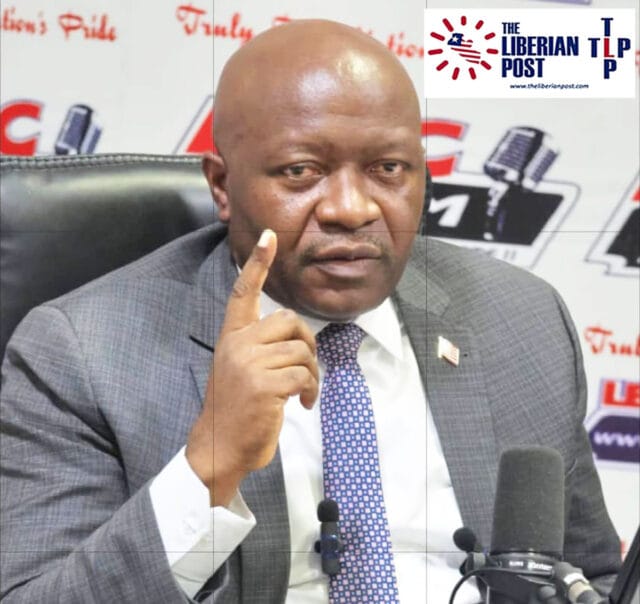
MONROVIA – In a series of major policy announcements on Monday, Liberia’s Finance and Development Planning Minister, Augustine Kpehe Ngafuan, unveiled measures aimed at strengthening the economy, improving public sector accountability, and positioning the country for international development assistance.
Speaking on the Super Morning Show of state broadcaster ELBC, Minister Ngafuan revealed that civil servants across Liberia have received salary increases as part of the 2024 national budget—a move expected to benefit over 28,000 government employees.
“It’s been a long time since I saw muscle men toting containers of water climbing Johnson Street’s hill. I have not seen women climbing fences—not to beg for rice—but to buy it and sell,” Ngafuan said, underscoring the economic hardships many Liberians faced under previous administrations, including the immediate past government under former President George Weah.
He further emphasized that salary payments have now been “normalized,” with civil servants receiving their wages on time—an improvement aimed at restoring trust in public administration.
Public Finance Transparency Sees Gains

Minister Ngafuan also addressed findings from the General Auditing Commission’s (GAC) 2024 report, which revealed a significant reduction in unaccounted public funds—from $96 million in 2023 to just $2 million in 2024.
While welcoming the improvement, he called on the Liberia Anti-Corruption Commission (LACC) to investigate prior years more thoroughly.
“We’ve made progress, but accountability must be sustained. We owe it to the Liberian people to know where every dollar goes,” he stressed.
Controversy Over University of Liberia Budget Request
In a separate but related matter, Ngafuan disclosed that the University of Liberia (UL) recently requested US$500,000 in emergency funding, a demand he said is off-budget and lacks legislative approval.
“The $500,000 requested by the University of Liberia is off budget. Even if we approved it, it would be a legislative violation,” he noted, adding that UL had bypassed his office and gone directly to lawmakers.
Ngafuan announced that all UL personnel on government payroll will be reverified in September, signaling efforts to tighten oversight and root out possible payroll irregularities.
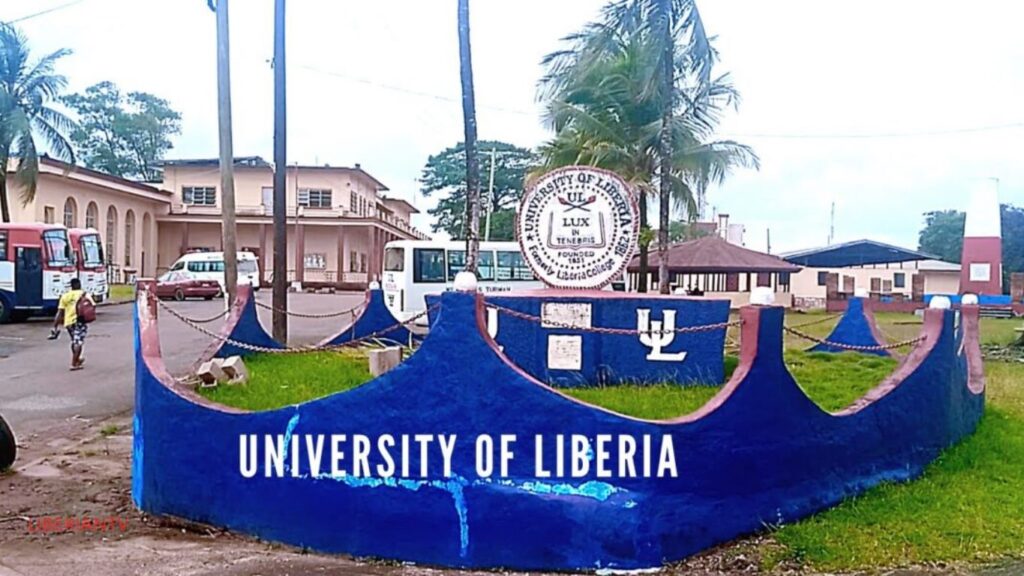
While acknowledging the urgency of UL’s needs, Ngafuan expressed concern over resorting to off-budget expenditures, warning they could pose “reputational risks” and even amount to a form of corruption.
“According to some financial experts, off-budget spending is a form of corruption,” he said, urging student organizations like the Students Unification Party (SUP) to resist any financial missteps.
MCC Compact Candidacy Brings Hope for Development
In a more positive development, Ngafuan announced that Liberia has been named a candidate country for the U.S. Millennium Challenge Corporation (MCC) Compact for Fiscal Year 2026, following the release of the MCC’s Candidate Country Report on August 28.
Liberia’s eligibility marks a crucial opportunity to access multi-year development grants aimed at infrastructure, governance, and human capital development.
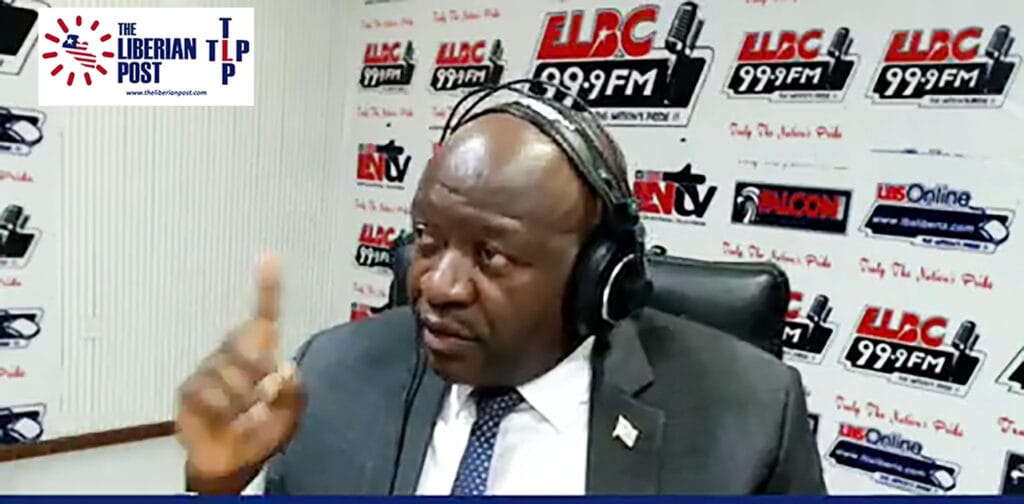
“This recognition by the United States is a testament to the progress we’re making,” said Ngafuan. “It opens the door for Liberia to pursue impactful projects that can significantly enhance the lives of our people.”
To qualify for the compact, countries must demonstrate a commitment to democratic governance, economic freedom, and investments in health and education. Liberia’s inclusion signals international recognition of recent reforms and provides a potential pathway to large-scale development financing.
Drawing on Proven Experience: AfDB Success Story
Minister Ngafuan’s current reform agenda builds on a wealth of international experience. Before his appointment in Liberia, he served as Country Manager for the African Development Bank (AfDB) in Uganda, where his leadership was instrumental in improving portfolio performance and accelerating the execution of critical infrastructure and social projects.
His AfDB tenure was marked by decisive reforms that tackled bureaucratic inefficiencies and enhanced transparency—lessons he now applies to Liberia’s public sector reforms.
“My time with the AfDB taught me that strong institutions, accountability, and clear priorities are vital for national progress. Those principles are at the heart of what we are doing here in Liberia,” Ngafuan said in a recent interview.
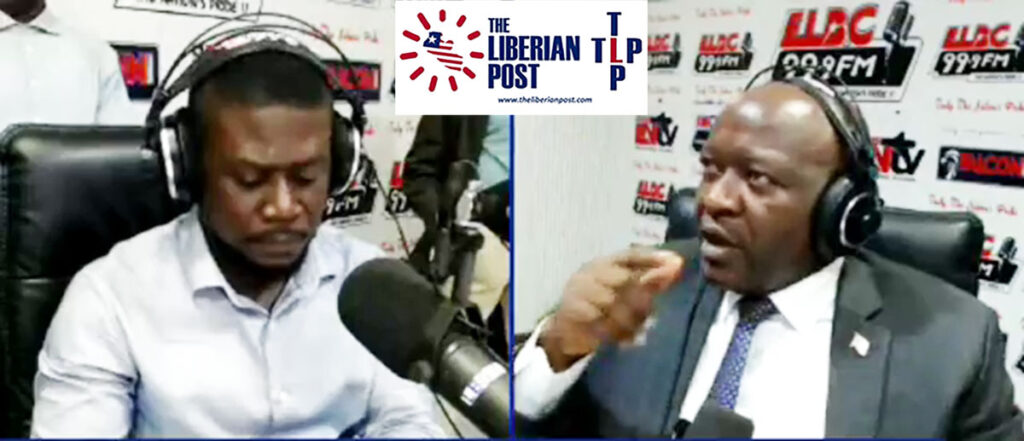
Minister Ngafuan concluded the talkshow by pledging that all the successes he held in Uganda while serving there as the AfDB’s Country Manager, can be replicated here in Liberia and he won’t be deterred by detractors and naysayers.
Analysis: A Balancing Act Between Reform and Reality
Minister Ngafuan’s broad remarks reveal a government walking a tightrope between fiscal discipline and pressing social needs. While reforms are clearly underway—evidenced by reduced audit discrepancies and improved salary disbursement—persistent funding gaps in key institutions like the University of Liberia expose the fragility of the system.
As Liberia eyes the MCC Compact and continues economic recovery efforts, transparency, legislative compliance, and financial discipline will be key metrics watched both at home and by international partners.