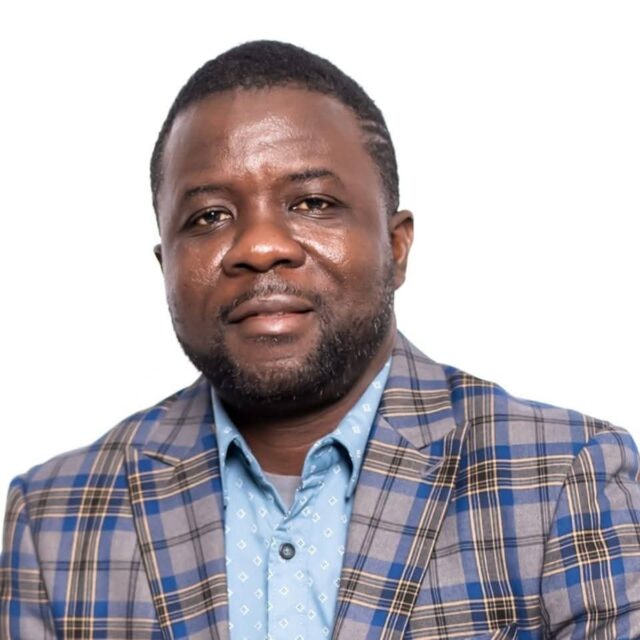
By Daniel Henry Smith, PhD
Introduction: When Rumors Foretell a Plot
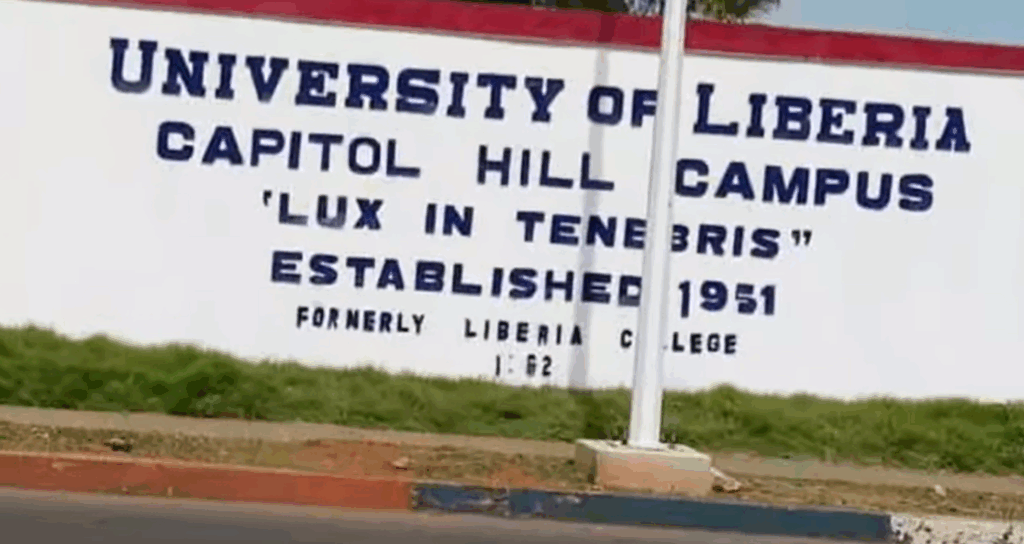
The former President, Charles Taylor, once remarked with chilling prescience that in Liberia, “rumors are not plot neutral.” He posited that a rumor persisting within the corridors of power is often the shadow of a plot being hatched. This perspective, born from the crucible of Liberian political intrigue, provides a critical lens through which we must examine a deeply troubling rumor circulating within the hallowed halls of the University of Liberia (UL). The rumor, gaining traction with each passing day, suggests that the current UL administration is contemplating a policy of mandatory, forced retirement for all academic personnel upon reaching the age of 60.
If this rumor is indeed the precursor to policy, as Taylor’s maxim would suggest, then it represents not just a misguided administrative decision but a visionless, catastrophic plot against the very intellectual heart of the nation. It is an act of weaponizing age against the university’s most seasoned minds, threatening to decapitate the institution of its experience, mentorship, and institutional memory. This article serves as a critical rebuttal to this rumored policy. It argues that forcibly retiring academics at 60 is a disastrous path for a university struggling to build its academic profile, especially in a nation like Liberia that critically lacks a deep reservoir of career academics. This policy is not a sound cost-management strategy but a precursor to institutional decay. The real solution to the university’s financial and administrative woes lies not in purging its classrooms of experience, but in trimming its bloated administrative ranks and refocusing on its core mission: academic excellence.
The University of Liberia stands at a precarious crossroads. Decades of civil war eviscerated its human and physical infrastructure. In the post-war era, the struggle has been to rebuild, brick by brick, mind by mind. The progress, though commendable, has been fragile. The university’s academic staff is a thin line of defense against mediocrity—a collection of individuals who have dedicated their lives, often at great personal and financial sacrifice, to nurturing the next generation of Liberian leaders. To summarily dismiss them based on an arbitrary age limit is to misunderstand the very nature of academia and to inflict a self-inflicted wound from which the university may not easily recover. This policy is not a reform; it is a regression. It is a step backward into an intellectual darkness that Liberia has fought too hard to escape.
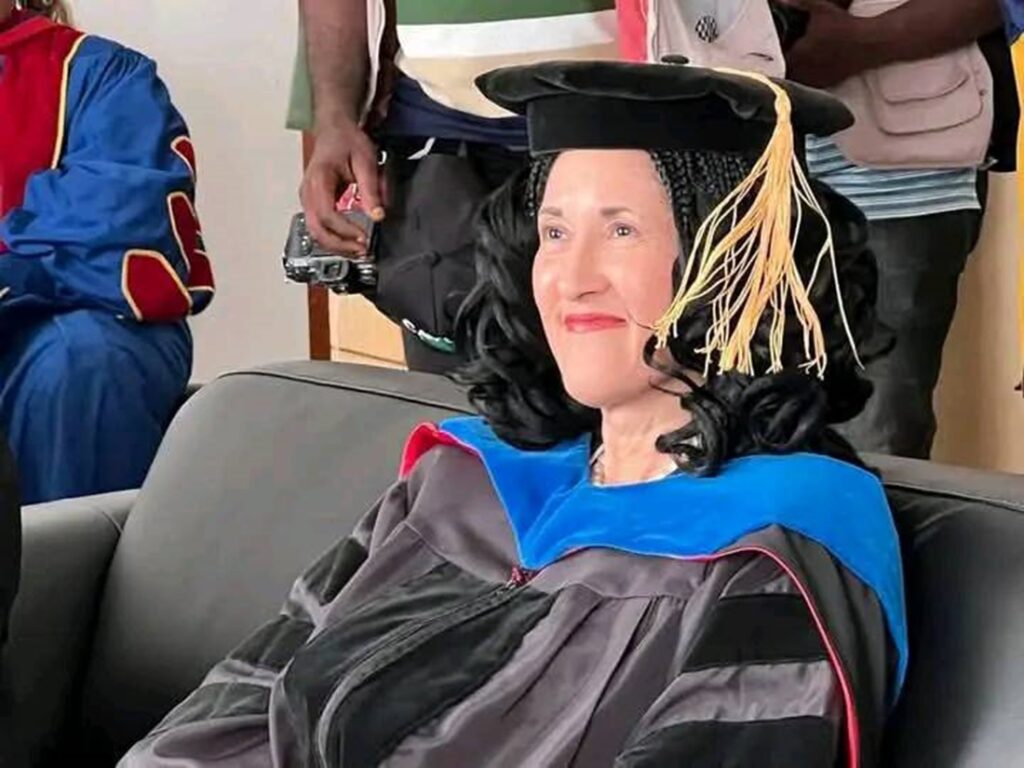
This analysis will deconstruct the flawed logic behind this rumored policy by examining Liberia’s unique academic context, drawing comparative analyses with global university practices, exposing the policy’s fiscal irrationality, and proposing more viable, constructive alternatives for genuine institutional reform. The stakes are too high to allow this rumor to quietly morph into a destructive reality. It must be confronted, debated, and ultimately, debunked.
The Crisis of Scarcity: Why Liberia Cannot Afford to Retire its Academics at 60
The fundamental flaw in the rumored policy is its complete disregard for the Liberian context. The idea of a surplus of qualified academics waiting to replace retiring professors is a fantasy that does not align with the nation’s reality. Liberia does not have a robust ecosystem of “career academics”—individuals who have systematically progressed through the academic ranks from graduate school to professorship, dedicating their entire professional lives to teaching, research, and institutional service.
For decades, the nation’s brain drain has been severe. The most promising scholars often leave for opportunities abroad and do not return. Those who remain to teach at the University of Liberia are a unique and invaluable cohort. They are often a blend of repatriated diasporans who have returned with foreign expertise, seasoned professionals who teach part-time to give back, and a small, resilient core of lifelong educators who have weathered every storm. Many of these dedicated individuals only reached the peak of their academic potential—completing PhDs or achieving senior lecturer status—later in life, often after interruptions caused by war and instability. For them, the age of 60 is not an end point; it is often the prime of their academic contribution, a period where their accumulated knowledge, pedagogical skills, and mentorship capabilities are at their zenith.
To enforce a mandatory retirement at 60 is to declare that this hard-won experience is worthless. It is to tell a professor who earned their doctorate at 50 that they have only a decade to contribute before being cast aside. This is not just an insult; it is a catastrophic squandering of an incredibly scarce resource. The pipeline for producing new PhDs and master’s-level instructors in Liberia is perilously thin. The University of Liberia’s own graduate programs are still developing and cannot possibly produce qualified replacements at the rate this policy would demand.
Where will the replacements come from? The university will be forced to either hire less-qualified individuals, thus degrading the quality of instruction, or attempt to recruit from the diaspora, a costly and often unreliable strategy. More likely, it will lead to a massive academic staff shortage. Class sizes will swell, courses will be canceled, and entire departments—particularly in specialized fields like the sciences, engineering, and advanced humanities—could be left without senior leadership. The very students the university purports to serve will be the primary victims, denied access to the most experienced faculty members who are essential for supervising theses, providing career guidance, and inspiring a passion for learning.
This policy effectively punishes dedication and creates a disincentive for anyone to pursue a long-term academic career at UL. Why would a young academic invest decades in a system that will discard them just as they become most valuable? Instead of fostering a culture of lifelong learning and mentorship, this policy fosters a culture of disposability. It will be the final nail in the coffin for the dream of building a stable, indigenous corps of career academics in Liberia.
A Global Perspective: How UL’s Rumored Policy Defies International Best Practices
The proposed retirement age of 60 for academics is not just detrimental in the Liberian context; it is shockingly out of step with established norms and best practices in higher education across the globe. A comparative analysis reveals that universities in Africa, the United States, Europe, and Asia value their senior academics as assets, not liabilities to be discarded.
United States and Europe: In the United States, the Age Discrimination in Employment Act of 1967 (with subsequent amendments) effectively eliminated mandatory retirement ages for most professions, including tenured university professors. It is commonplace to find distinguished professors actively teaching, researching, and mentoring students well into their 70s and even 80s. Luminaries like Noam Chomsky (95) at the University of Arizona or Nobel laureates at Ivy League institutions continue to contribute, recognized for their irreplaceable wisdom. Similarly, in the United Kingdom and much of the European Union, the default retirement age has been abolished. Universities operate on the principle that academic fitness is determined by intellectual vitality and performance, not chronological age.
Asia: In leading Asian universities, while official retirement ages may exist (often around 65), there are robust systems for retaining valuable senior academics. Institutions in Japan, South Korea, and Singapore frequently re-engage retired professors as emeritus professors, distinguished fellows, or contract lecturers. They understand that these individuals hold immense institutional knowledge and global networks. For example, the National University of Singapore (NUS) and Nanyang Technological University (NTU) actively retain senior faculty to mentor junior staff and lead research centers, viewing their experience as a competitive advantage.
Africa: Even within Africa, a retirement age of 60 for academics is becoming increasingly archaic. Leading universities have recognized the need to retain their experienced faculty. In South Africa, universities like the University of Cape Town and Wits University have a standard retirement age of 65, with clear pathways for post-retirement contracts based on need and merit. In Nigeria, the retirement age for professors was raised from 65 to 70 years in 2012, a specific policy enacted to combat brain drain and leverage the expertise of senior academics. The government of Ghana has similarly extended the post-retirement contracts of university lecturers to address staffing shortages.
These global examples are not arbitrary; they are based on a universal understanding that the value of an academic often increases with age. Unlike professions demanding intense physical labor, academia is a vocation of the mind. Experience deepens a professor’s understanding of their subject, refines their teaching methods, and expands their mentorship capacity. A 65-year-old professor is not simply a 30-year-old professor with more years; they are a repository of knowledge, a guide for junior colleagues, and a pillar of their department.
For the University of Liberia to ignore this global consensus and adopt a policy more regressive than its regional peers is an act of profound institutional isolationism. It signals to the world that UL is not serious about building a globally competitive academic environment. It chooses to discard wisdom while others race to embrace it.
The Flawed Logic of Cost Management: A Net-Zero Proposition
Proponents of this ill-conceived policy may attempt to frame it as a necessary measure for cost management. The argument would be that retiring older, more expensive professors and replacing them with younger, cheaper lecturers will save the university money. This argument is not only cynical but also fiscally illiterate. The net effect of this policy on the university’s budget will be zero at best, and more likely, negative.
First, the premise of “replacement” is the policy’s central flaw. As established, there is no ready pool of qualified academics to fill the void. If a senior professor of electrical engineering with a PhD is forcibly retired, the university cannot simply replace them with a recent bachelor’s degree holder. To maintain any semblance of academic standards, UL would have to find a replacement with comparable qualifications. An experienced PhD, whether recruited locally or from abroad, will command a salary commensurate with their expertise, likely negating any savings from the retirement. In many cases, recruiting from the diaspora would be even more expensive, requiring relocation allowances, housing, and other incentives.
Second, the forced retirement of a large cohort of senior faculty will trigger a significant, immediate financial liability in the form of pension and severance payments. The University of Liberia, already operating on a shoestring budget, does not have the liquid resources to manage a mass payout of retirement benefits. This would precipitate a financial crisis, forcing the administration to divert funds from other critical areas like library resources, laboratory equipment, or student services. Therefore, the policy would create a short-term budget catastrophe in pursuit of a non-existent long-term gain.
The true source of financial strain at the University of Liberia is not its aging academic staff. The real issue, visible to any objective observer, is a massively bloated and inefficient administrative structure. The university is notoriously overstaffed with administrative and support personnel, many of whom hold redundant or vaguely defined roles. Worse still, there exists a severe salary disparity crisis, where certain administrative positions come with salaries and benefits that dwarf those of senior professors who are the lifeblood of the institution.

If the UL administration is genuinely committed to fiscal responsibility, its focus should be clear. The most effective cost-management policy would be to:
- Freeze the hiring of new administrative staff immediately.
- Conduct a comprehensive audit of all administrative roles to identify and eliminate redundancies.
- Implement a retirement plan for administrative staff who have met the legal threshold for retirement as stipulated by Liberian labor laws, thereby reducing salary overheads in a fair and legal manner.
- Address the salary disparity by restructuring compensation to prioritize and reward academic personnel, making a teaching career at UL more attractive and sustainable.
Targeting professors is a cowardly deflection from the real problem. It is far easier to force out a handful of 60-year-old academics than to confront the entrenched political and personal interests that protect the bloated administrative bureaucracy. But true leadership requires making difficult, correct decisions, not easy, destructive ones.
A Call for Vision and the Primacy of the Academic Mission
A university is not its buildings, its budget, or its bureaucracy. A university is its faculty. The quality of a university is a direct reflection of the quality of its academic personnel—their expertise, their passion for teaching, and their commitment to research and mentorship. The rumored policy to forcibly retire academics at the age of 60 is a direct assault on this fundamental principle. It is a visionless policy that will cripple the University of Liberia, accelerate brain drain, degrade the quality of education, and betray the students who depend on the institution for their future.
This policy would have devastating, concrete impacts. It would gut senior-level courses and graduate supervision, leaving students adrift. It would erase decades of institutional memory, as the professors who know the history of their departments and curricula are pushed out the door. It would sever invaluable mentorship relationships between senior and junior faculty, leaving young academics without guidance and support. It would send a chilling message to the international academic community that the University of Liberia does not value experience, making it harder to attract and retain global talent.
The path forward for the University of Liberia does not lie in this destructive policy. A truly forward-thinking administration would champion a different vision. It would focus relentlessly on strengthening its academic core by:
- Investing in Faculty Development: Creating clear, funded pathways for current instructors to earn their master’s and doctoral degrees, thereby building a sustainable pipeline of homegrown talent.
- Recruiting and Retaining the Best: Making academic salaries and benefits competitive to attract and keep the best minds in Liberia, rather than allowing them to be outmatched by administrative compensation packages.
- Celebrating Seniority: Establishing Emeritus Professor programs to honor and retain the wisdom of retired academics, allowing them to continue mentoring, teaching special courses, and contributing to the university’s intellectual life.
- Undertaking Real Administrative Reform: Having the courage to streamline the administration, reduce overheads, and redirect those savings toward the academic mission—better libraries, modern labs, research grants, and fair faculty compensation.
The rumor of this age-based purge must be met with a firm and unified rejection from students, alumni, the faculty senate, and all stakeholders who care about the future of higher education in Liberia. We must not stand by silently while a policy that weaponizes age threatens to dismantle the fragile progress of our nation’s flagship university. Recalling President Taylor’s warning, we must treat this rumor not as idle gossip, but as a plot that needs to be neutralized with reason, evidence, and a passionate defense of the academic soul of the University of Liberia. The future of a nation rests on the quality of its university, and that quality rests on the shoulders of its most experienced and dedicated academics. Let us not force them into retirement; let us celebrate them as the invaluable treasures they are.