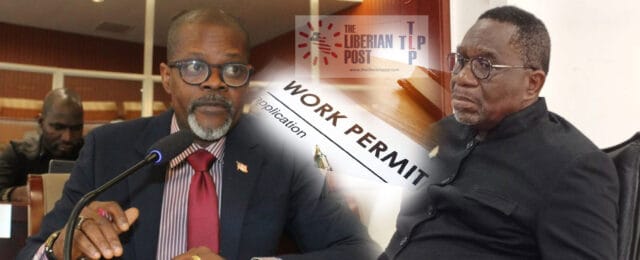
MONROVIA – Montserrado County Senator Abraham Darius Dillon has sharply criticized the Ministry of Labour’s recent decision to triple fees for alien work permits, calling the move inadequate in addressing the country’s high unemployment rate and calling instead for systemic reforms and transparency in the issuance and renewal of permits.
Speaking during an appearance on Punch FM last Thursday, September 11, Senator Dillon described the permit fee hike—from $1,000 to $3,000—as a misguided attempt at reform, arguing it could further sideline qualified Liberians from the labor market while failing to address the root issues of job displacement and regulatory enforcement.
“Simply increasing the fees for work permits does not cut it,” Dillon said. “This is yet another means of denying or depriving qualified Liberians the opportunity for jobs in our labor market.”
The Labour Ministry defended the decision, with Minister Cooper Kruah stating that the hike was designed to discourage the abuse of foreign work permits and ensure that expatriates are not hired for positions Liberians are capable of performing. Kruah cited the example of Bea Mountain Mining Corporation, where over 300 expatriate work permits were not renewed in favor of hiring qualified Liberians.
However, Dillon remains unconvinced. He vowed to summon Minister Kruah before the Senate when the Legislature reconvenes in October, to provide a comprehensive update on the status of work permits in the country.
“We will ask the Minister to present quarterly, if not monthly, reports on the labour market,” Dillon said. “How many work permits expired in the last three months? Were they renewed? Were qualified Liberians given those jobs? We need to know if we are truly creating jobs for our people.”

He emphasized that because work permits are issued and expire at different times, there should be ongoing scrutiny to ensure that expired permits do not automatically translate into job losses for Liberians. “Every work permit that is not renewed and is replaced by a qualified Liberian is a job added to our economy,” he added.
Tackling the Drug Crisis: A Legislative Proposal
In addition to labour issues, Dillon also used his platform on Punch FM to outline a proposed legislative initiative aimed at strengthening Liberia’s fight against the growing drug crisis. The Senator revealed he is drafting a bill to amend the law governing Criminal Court ‘D’—originally established to handle armed robbery cases—so it can also prosecute drug-related offenses.
He explained that Criminal Courts A, B, and C are currently overwhelmed with a backlog of serious cases such as murder and theft, causing delays in prosecuting drug offenders. “If we amend the law to give Criminal Court D concurrent jurisdiction over drug-related cases, we can fast-track prosecutions, punish offenders, and even seize and repurpose assets used in drug trafficking,” Dillon argued.
The senator believes such amendments would strengthen deterrence, improve enforcement, and send a strong message to drug traffickers and enablers.
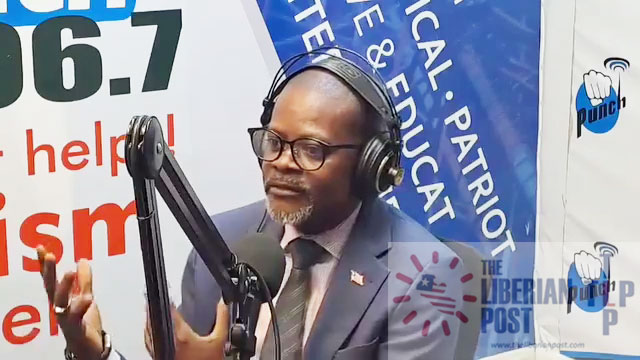
“If we show the courage to seize and sell a ship or a plane that brought drugs into our country, that will make the law stronger,” he said. “Ship owners and airlines will think twice before allowing their vessels to be used for drug trafficking.”
The proposal comes amid mounting concerns over the surge in drug abuse and trafficking across Liberia, with civil society groups and international partners urging the government to take more aggressive legal and enforcement actions.
Background:
The Boakai administration has faced increasing pressure from lawmakers and the public to address persistent unemployment and the worsening drug crisis. While the Labour Ministry touts initiatives like the National Youth Employment Program—which has placed over 1,300 students in temporary jobs—critics argue that deeper structural reforms and more robust accountability are needed. Senator Dillon’s dual focus on labor and law enforcement suggests a broader legislative agenda aimed at protecting Liberian workers and safeguarding national security.