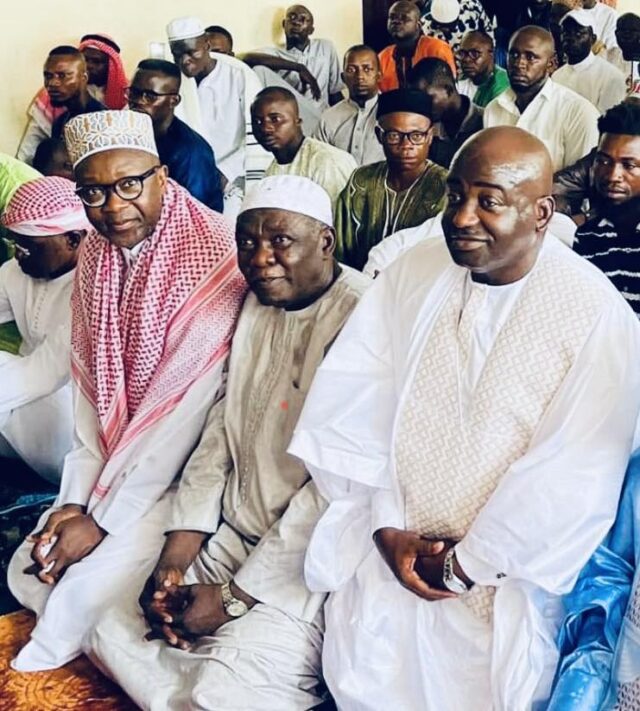
MONROVIA – Senator Amara Mohammed Konneh has publicly stood in solidarity with Representative Musa Hassan Bility, sparking renewed discussion about tribal and religious identity in Liberian politics. Konneh, who once supported President Joseph Nyuma Boakai, posted a message of unity and faith on social media Friday, in response to difficulties being faced by Bility as it relates to recent changes in petroleum products regulations by the Liberia Petroleum Refining Company (LPRC).
In his message, Konneh addressed Bility as “my brother,” offering encouragement:
“We stand united with you and the Srimex family during this challenging time. Allah has a purpose for everything, and remember that both triumph and distress are temporary, as our faith reminds us. Stay strong! Your community and friends are with you, my brother Musa Hassan Bility. Jummah Mubarak!”
Although short, the message has reverberated across political and ethnic fault lines—both because of who Konneh is, and because of what Bility represents.
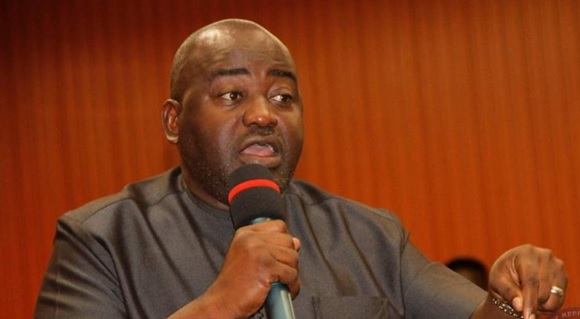
Who Are Konneh and Bility?
- Senator Amara Mohammed Konneh represents Gbarpolu County in the Liberian Senate. A former Finance Minister and ‘seasoned’ economist, Konneh was at one time a staunch supporter of Joseph Boakai, played key roles in the Unity Party’s election strategy, and has gained a reputation for both loyalty and, more recently, outspoken critique of governance under Boakai.
- Representative Musa Hassan Bility holds the seat for District #7, Nimba County, in the House of Representatives. Also, a member of the Mandingo ethnic group and a Muslim, Bility has been both a political ally and critic of different administrations depending on issues. He has recently broken through some ethnic divides, making inroads among constituents of other tribes in his district.
Both men share religious and ethnic identity (Mandingo, Muslim), which in Liberia’s political context can become a potent symbol of solidarity—but also of division.
The Significance of the Statement
Konneh’s message of support matters for several reasons:
- Cross‑Lines Solidarity: While they share Mandingo ethnicity and the Islamic faith, Konneh has been both a critic and supporter of different administrations, often on policy rather than identity. His public backing of Bility, described here in religious language (“Allah has a purpose…”), underlines a unity beyond partisanship at least in moments of personal challenge.
- Revival of Tribal/Religious Conversation: Liberia has long wrestled with the political role of ethnicity and religion. In counties like Nimba, tribal identity (especially Mano, Gio, Mandingo) frequently surfaces in election dynamics. Analysts say the identity of leaders (tribal, religious) still matters in voter thinking and political narrative.
- Potential Repositioning: Konneh, who has over time shifted between support and criticism of Boakai’s government—especially over economic policy and leadership deficits—may be demonstrating more independence, or at least readiness to show solidarity based on community/friendship, rather than party loyalty alone.
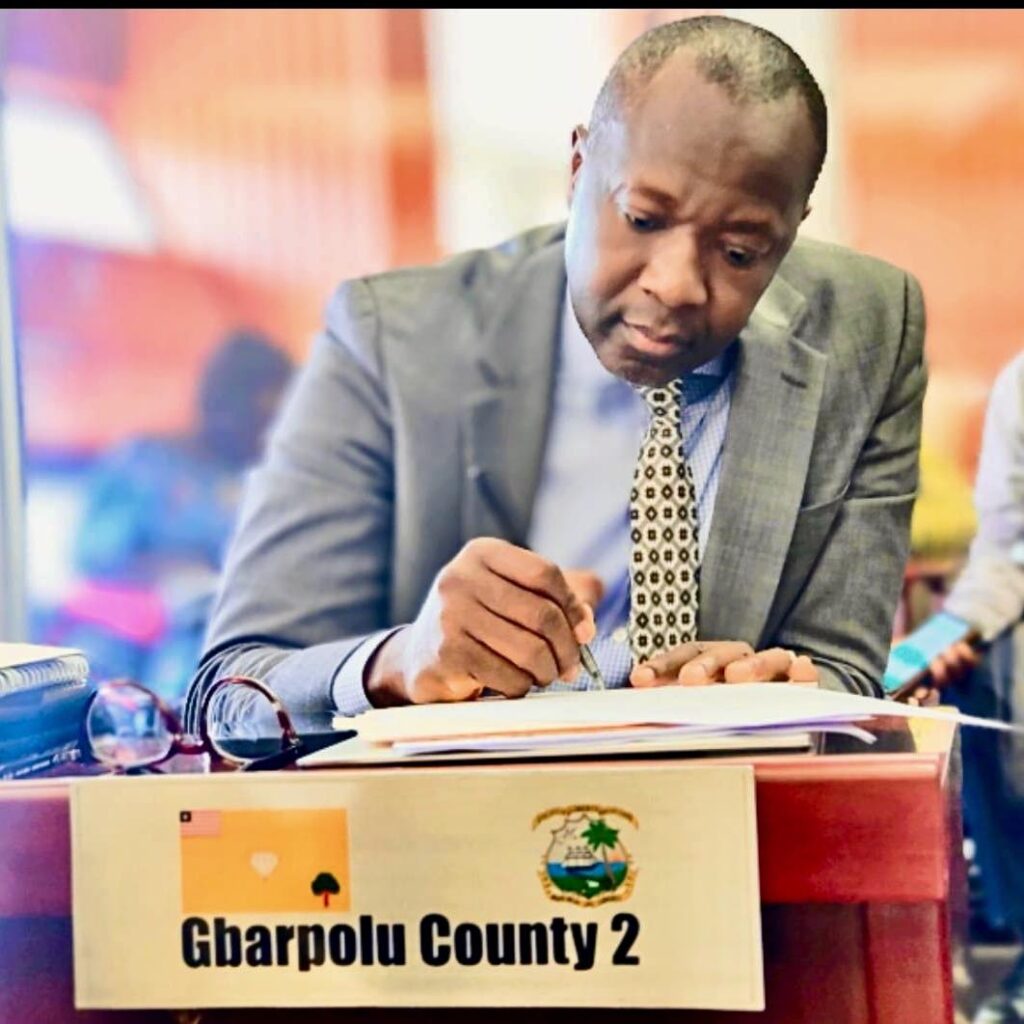
Roots of the Tribal/Religious Politics Debate
To fully understand the reaction, some context:
- Mandingo Community: As a minority in many parts of Liberia, particularly in Nimba County dominated by the Mano and Gio tribes, Mandingo people have often been perceived to be underrepresented or marginalized in political spheres.
- Religious Composition: Liberia is majority Christian, with sizable Muslim devotees (including Mandingo, Vai, Fula, and others). Religion sometimes intersects with ethnicity to inform political loyalties or appeal.
- Recent Elections and Tribal Rhetoric: Several by‑elections, leadership battles, and even statements by political figures have raised concerns around whether certain groups are being sidelined or whether political appeals are being made along tribal lines. In Nimba especially, there have been public complaints about tribal politics in campaigns.
The Recent Petroleum Pricing & Levies Change — A Key Factor
An important economic dimension has recently sharpened political debates in Liberia — helping explain the timing and deeper resonance of Senator Konneh’s public support for Representative Bility:
- In March 2024, President Joseph Boakai, through Executive Order No. 128, suspended a US$0.20 per gallon petroleum surcharge in a move intended to ease cost-of-living pressures on ordinary Liberians.
- However, by May 1, 2025, the government reinstated the same surcharge and introduced a new US$0.05 per gallon storage fee on petroleum products. These decisions were framed as necessary steps to offset lost revenues from declining Official Development Assistance (ODA) and to support public spending on infrastructure, health, and road development.
- In a more controversial twist, by September 2025, the government implemented a drastic cut in storage fees for terminal operators — reducing the rate from US$0.35 to just US$0.02 per gallon. This triggered strong criticism from Representative Bility, who argued that the measure undermines private petroleum terminal operators in favor of state-linked actors. He and others have warned that such policies could cripple local businesses and exacerbate perceptions of economic bias.
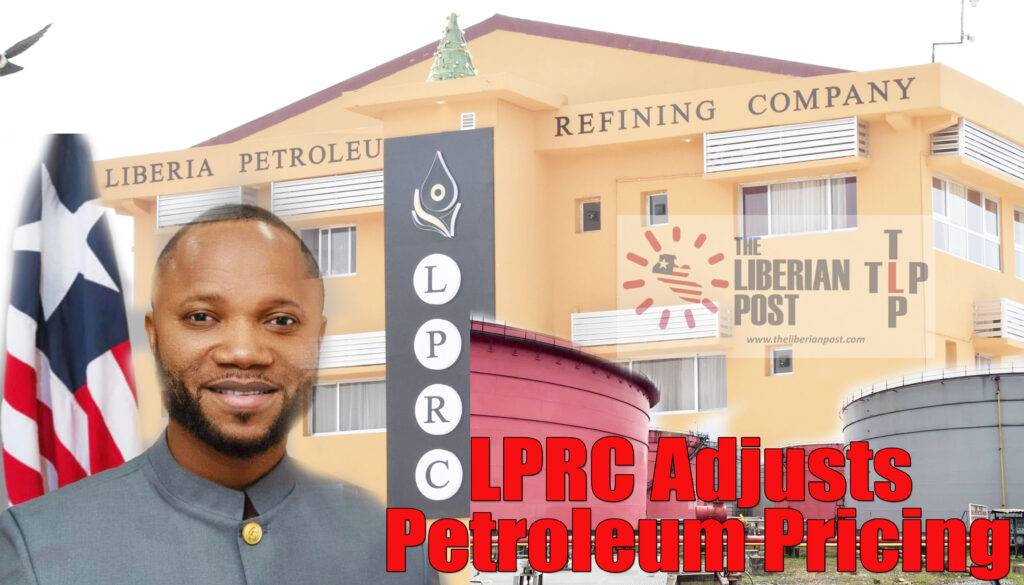
These shifts — involving fuel surcharges, storage fees, and perceived favoritism — affect a broad range of stakeholders, including importers, petroleum terminal owners, transporters, and ordinary consumers. For many in the Mandingo business community, these changes are seen not just as economic policy, but as moves with political and identity-based implications.
How This Ties into Konneh’s Support
Given this backdrop, Konneh’s support for Bility may also be read through this economic lens:
- Shared Impact: As Mandingo Muslim leaders, both Konneh and Bility may be responding to economic pressures that disproportionately affect certain business communities—such as importers or those involved in petroleum storage. The new levies/storage fees hit importers and storage tank owners, many of whom have Liberians in their employ and some of them belong to minority tribes), reinforcing perceptions of uneven burdens.
- Political Signaling: By speaking out in solidarity now, Konneh may be signaling his alignment with those opposing or critical of the latest petroleum pricing & surcharge measures, framing them as not just economic issues but ones tied to fairness, identity, and communal impact.
- Mobilization Potential: Economic grievances often provide fertile ground for political mobilization. When policy changes like petroleum surcharges or storage levies are perceived as unjust or inequitably applied, leaders who express opposition or empathy can gain increased support, especially among affected communities.
What This Could Mean Going Forward
The reaction to Konneh’s statement, especially with the added pressure of petroleum pricing changes, may influence:
- Expectations of Accountability and Fairness: Public solidarity framed in religious or ethnic terms continues to put pressure on political leaders to be seen as inclusive and just—especially toward minority tribes or religious communities—as they respond to economic decisions that affect people’s livelihoods.
- Political Alliances and Moves: Konneh’s gesture could hint at deeper alliances or support networks based on shared economic as well as ethnic/religious identity, rather than strict party politics. It could also serve to bolster Bility’s standing among Mandingo voters, importers, and those impacted by current petroleum levies.
- Sharper Critique of Boakai’s Administration: Konneh has already been critical in some areas—economic stability, governance, leadership deficits. This act of support under economic pressure may become a rallying point if Boakai is perceived to respond (or not) adequately to the concerns of minority communities or economic stakeholders.
- Heightened Sensitivity to Tribal/Religious Messaging: Given Liberia’s history and fragility, public statements like this are likely to draw keen attention. Economic policy (fuel, import/export, taxes, levies) plus identity can make for potent political messages, especially if people feel they are bearing more than their share.
Conclusion
Senator Amara Konneh’s message of solidarity with Representative Musa Hassan Bility may seem simple at face value—an expression of support rooted in shared faith and community. But in Liberia’s political context, it carries multi‑layered meanings: of identity, of economic pressure, of shifting political strategy. With petroleum pricing and levies now directly affecting many communities, this episode isn’t only about solidarity—it may be a reflection of how economic policies intersect with tribal and religious identity to reshape political alliances.