MONROVIA – A political storm is brewing within the Unity Party (UP) following what appears to be a botched suspension of nearly 30 high‑profile members of the party’s National Executive Committee (NEC), including top government officials. While the Unity Party has insisted the suspensions were due to absenteeism and failure to pay dues, concerns are mounting over procedural violations and political fallout.
But the real twist: The Liberia Ombudsman had flagged and recommended dismissal of some of the key figures behind the controversial suspensions weeks ago for violating the National Code of Conduct, which bars certain government officials from active partisan engagement.
Suspension Sparks Backlash — Even From Within
The Unity Party, in a Facebook post released Sunday night, published the names of 28 NEC members it claimed had been suspended for one month due to dereliction of party duties — specifically, failure to attend meetings and neglecting party obligations. Each was also fined US$1,000, to be paid during their suspension period.
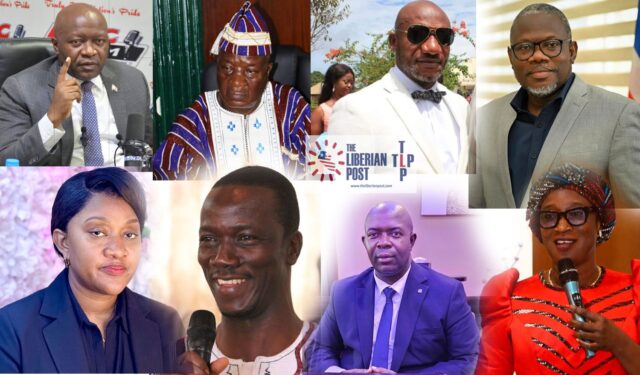
Among those suspended are Solicitor General Cllr. Augustine Fayiah, Finance Minister Augustine K. Ngafuan, and other lawmakers, lawyers, and state officials — individuals who, by virtue of their current government positions, are required to maintain neutrality under the Code of Conduct.
Legal and political observers say some of these individuals should not even have active roles within the party’s NEC, much less be subjected to disciplinary actions without due process or written warning.
President Boakai Reportedly Unhappy With Handling
Sources within the Executive Mansion tell The Liberian Post that President Joseph Nyuma Boakai, who serves as the Political Leader of the Unity Party, was neither consulted nor informed about the suspension announcement before it was made public. A top insider described the suspension move as “reckless and unauthorized,” warning that it undermines internal party cohesion and exposes the UP to legal scrutiny.
The President is reportedly unhappy that high‑ranking members of his administration were “publicly embarrassed” without his prior knowledge.
Ombudsman Flags Executives Weeks Earlier
Weeks before the Unity Party’s suspension announcement, Liberia’s Office of the Ombudsman had already named and recommended actions — including dismissals — for several of the individuals behind the suspension scheme. The Ombudsman’s findings alleged violations of the Code of Conduct for Public Officials, which prohibits appointed officials from holding partisan leadership positions or engaging in overt party functions.
Political analysts say the Ombudsman’s early intervention underscores the seriousness of the claims, and suggests that current party discipline actions are less about accountability and more about political maneuvering.
What the Party Said
In its press release dated September 14, 2025, the Unity Party stated:
“The suspensions are a result of the persistent failure of the affected NEC members to attend official meetings… and their continuous neglect in participating in Party activities.”
The UP invoked Articles 19 and 16 (4) of its Constitution to justify the one‑month suspension and US$1,000 fines per individual. The party also threatened to expel any member who fails to comply with the mandate.
The full list includes current lawmakers, former officials, and senior civil servants.
Broader Implications
This internal debacle comes at a time when the Boakai administration is under pressure to demonstrate ethical governance and respect for legal norms. The Ombudsman’s recommendation may set a precedent for how Liberia enforces its Code of Conduct — particularly regarding political activity by public officials.
With disciplinary actions now raising more legal questions than answers, the Unity Party faces a critical test in navigating internal discipline, public accountability, and constitutional compliance.