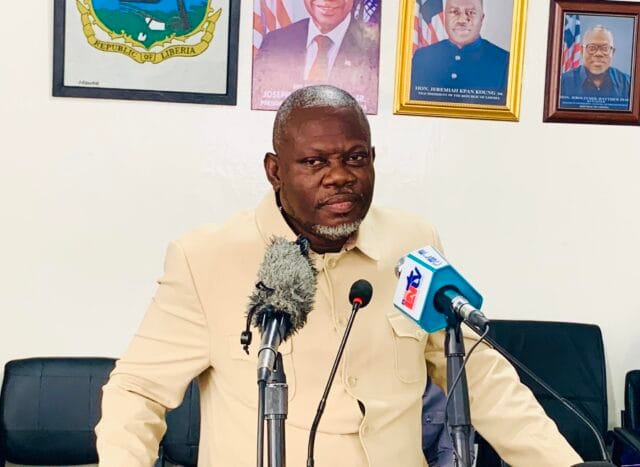
MONROVIA — Minister of Information, Cultural Affairs and Tourism Jerolinmek Matthew Piah has publicly challenged his recent suspension from the Unity Party’s National Executive Committee (NEC), accusing senior party leadership of political theater, mixed messaging, and misusing discipline for optics, rather than honoring due process or policy.
Piah spoke Monday evening on The Class Reloaded, an online political talk show backed by the current regime, becoming the first of those suspended to publicly defend his reputation following the NEC resolution that hit more than two dozen party officials.
“When you give an impression to the struggling population that being in government is like having a cash cow, you are mis‑messaging… Everybody else, I say, you just look at somebody and say, pay $1,000 fine… You’re telling them that these people make so much money, that $1,000 doesn’t mean anything.”
What Piah Says Went Wrong
- On the Fine and Suspension
Piah argues that the US$1,000 fine imposed alongside the month‑long suspension reveals a disconnect with the economic realities of average party partisans. He said such penalties suggest that those being fined have surplus funds, and risk amplifying perceptions that the party governs for the elite, rather than those struggling. - Code of Conduct & Neutrality
He emphasizes that while party membership and internal meetings are legitimate, there is also a legal and ethical obligation for public officials to respect the Code of Conduct — especially concerning how their roles interact with party activities. Piah questions whether the party’s public naming and suspension of individuals have exposed leadership to violations of those codes, given that some suspended members hold public office. - Public vs Private Process
Piah objects to the way the suspensions were communicated — a Facebook post signed by the Assistant Secretary General — without apparent warning or engagement with those affected. He suggests senior officials in the party may have ducked direct responsibility for the decision, as indicated by reluctance of some leadership (including the Chief Scribe) to sign off formally. - Grassroots, Reputation, and Service
He ties much of his defense to his track record: his ministry organizing town hall meetings, working directly with constituents, and attempts to bring governance and public service into everyday lives of people. Piah says he sees these suspended persons as party loyalists who have served faithfully, even before the party’s rise to power, and that their reputations now are under assault unjustly.
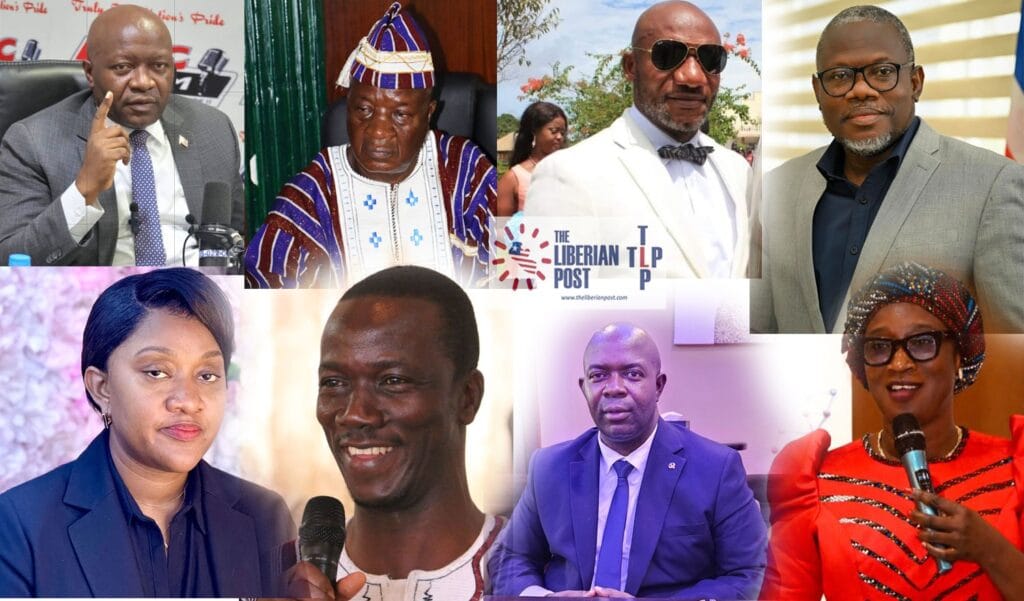
Context: What Happened Before Piah’s Statement
- On September 13, 2025, Unity Party’s NEC held a special session and suspended over two dozen NEC members for alleged delinquency: failing to attend official NEC meetings and neglecting participation in party activities. Among those suspended was Minister Piah. The action included a one‑month suspension and a US$1,000 fine per person.
- The Unity Party’s justification relied on Articles 16 (4) and 19 of its Constitution. The party released the list via social media on Sunday, September 14—piloting a strong message of discipline and accountability, but sparking backlash over procedure and fairness.
Implications: Party Discipline & Public Perception
- Credibility & Image Risk: Piah’s reaction may trigger broader scrutiny of how discipline is enforced in Unity Party, especially given that many of the suspended are public officeholders whose neutrality and legal standing are subject to national rules (such as Liberia’s Code of Conduct for officials).
- Internal Party Strain: The public nature of the suspension list and lack of prior warning could deepen feelings of marginalization among senior members, potentially unraveling internal unity and making reconciliation harder.
- Potential Legal Questions: If public officials were suspended in ways that conflict with legal or constitutional norms (e.g., warning, due process, conflict of office), there could be calls for oversight from legal bodies or civil society watchdogs.
- Political Fallout: Given the prominence of some suspended members, the issue may feed into regional political dynamics, influence voter perceptions, and shift alliances ahead of upcoming electoral contests.
Conclusion
Minister Jerolinmek Matthew Piah’s vehement defense against his NEC suspension paints a picture of unity enforcement that may be more about optics and power than about shared values or discipline. He frames the punishment not merely as a fine or absence, but as a challenge to his integrity, reputation, and the trust of those he serves.
In the end, how the Unity Party leadership responds—whether with reconciliation, justification, or escalation—will likely shape internal party cohesion and public trust. For now, Piah’s message is clear: he will not be broken quietly.