MONROVIA – A devastating explosion at the Mira Oxygen and Gas Inc. factory along the Japan Freeway in Monrovia has killed one person and injured nearly two dozen others, drawing fresh scrutiny to Liberia’s industrial safety practices.
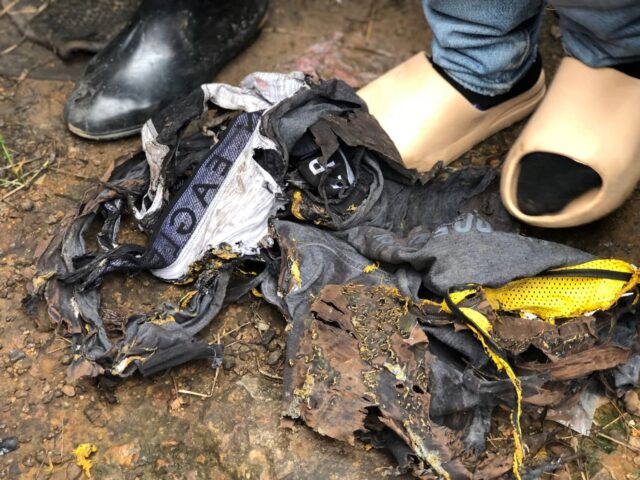
The incident, which occurred Monday afternoon, was triggered when an oxygen tanker caught fire, leading to a massive blast. The explosion caused third-degree burns and severe eye injuries to workers at the facility, while sending panic through the surrounding community.
Ansu Dulleh, Executive Director of the National Disaster Management Agency (NDMA), confirmed that 19 employees were rushed to the John F. Kennedy Memorial Hospital, and one additional victim was treated at a nearby clinic. Speaking during a press briefing at the Ministry of Information, Cultural Affairs and Tourism, Dulleh called the explosion a “grave disaster” and said a full-scale investigation has been launched.
Multiple agencies, including the Liberia National Police, the Environmental Protection Agency (EPA), and emergency response teams, have sealed off the site and are moving to hold the company accountable.
Firefighters responded swiftly after receiving an emergency call shortly after 2p.m. According to Col. G. Warsuwah Barbour of the Liberia Fire Service, 29 people were rescued from the facility, with several now in critical condition. Initial estimates of the injured varied, leading to confusion in the hours immediately following the blast.
Eyewitnesses described scenes of chaos and fear as smoke billowed into the sky. “At first, I thought the sound came from Cemenco,” said Marthaline Johnson, a resident who lives near the facility. “But then I realized it came from behind this fence.”
By Tuesday morning, officials confirmed the first fatality—a Lebanese national employed at the factory.
Adding to public frustration was the company’s silence in the hours after the blast. Local lawmaker Representative Edward Pappy Flomo of District #13 visited the site to address residents’ growing concerns and called for greater transparency and accountability from Mira Oxygen.
This is the second major industrial incident involving Mira Oxygen in recent months. In August, a separate explosion at its gas refilling station injured more than a dozen workers. The recurrence of such accidents has intensified concerns over systemic safety failures across the sector.
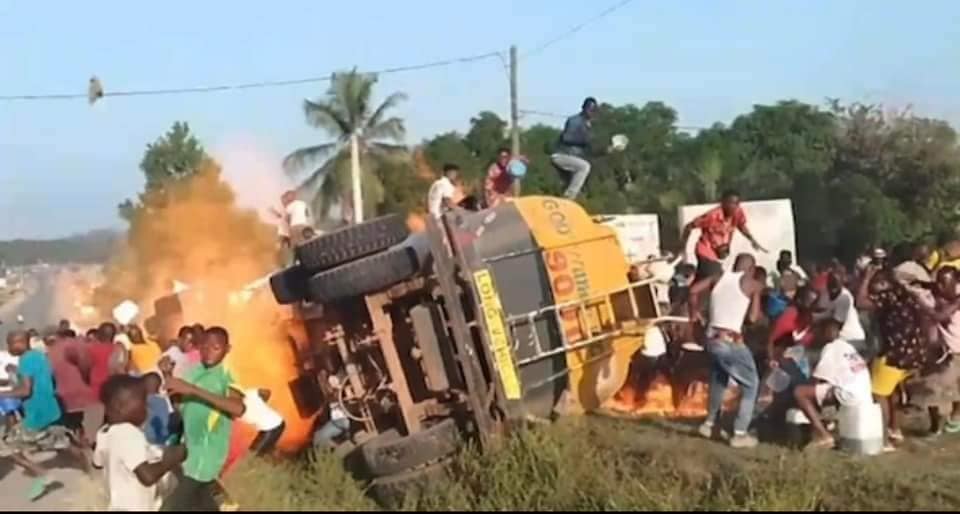
A Tragic Pattern: Echoes of the Totota Gas Tanker Explosion
The Monrovia explosion has also revived painful memories of the Totota gas tanker explosion in Bong County, which occurred in late 2022. That tragedy killed more than 40 people, many of whom were community residents who had gathered to collect leaking fuel from an overturned tanker. The vehicle erupted in flames, turning the scene into a fireball of destruction.
The Totota incident made headlines both locally and internationally, exposing Liberia’s lack of emergency preparedness and public awareness around hazardous materials. Despite promises of reform and improved safety enforcement in the wake of that disaster, many experts and citizens now worry that not enough has changed.
“This latest explosion is part of a disturbing pattern,” a senior environmental officer said. “We cannot continue to have the same types of deadly accidents with no systemic change. Industrial safety needs to become a national priority.”
Demands for Accountability
Authorities have opened a formal investigation into the Mira facility, including safety compliance, hazardous materials handling, and emergency protocols. The Environmental Protection Agency (EPA) and NDMA say the findings could lead to penalties, operational shutdowns, or criminal charges if violations are found.
Liberians are once again grappling with the consequences of regulatory gaps and insufficient enforcement mechanisms. Many industrial facilities continue to operate with little oversight, posing ongoing threats to workers and surrounding communities.
“This tragedy underscores the urgent need for the enforcement—not just creation—of safety laws,” said the EPA official. “Too often, it takes the loss of lives to trigger action.”
As families wait for news outside hospitals, the blast site remains cordoned off by police. Meanwhile, the national conversation around industrial safety, already fragile after Totota, has been reignited—with many wondering how many more warnings it will take before meaningful reforms are implemented.