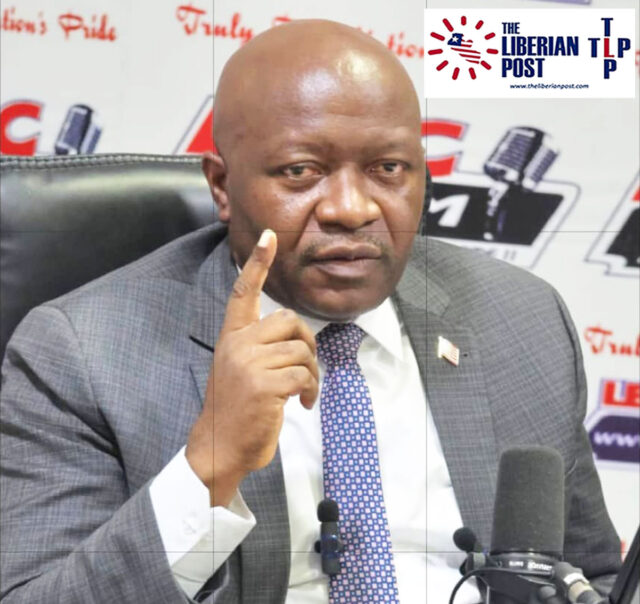
MONROVIA – September 17, 2025 marks one year since Augustine Kpehe Ngafuan ascended to the post of Minister of Finance & Development Planning. In that time the Minister has moved quickly to re-orient fiscal policy, deepen development partnerships, and put institutional building blocks in place to deliver the government’s new ARREST Agenda for Inclusive Development (2025–2029). Below is a concise, evidence-based look at the most important accomplishments from his first year.
1) Anchoring the ARREST Agenda and county development plans
One of the clearest early priorities for the new administration was a national development blueprint. Under Minister Ngafuan, the MFDP played a central role in finalizing and launching the ARREST Agenda for Inclusive Development (AAID) and the complementary 15 County Development Agendas. The launch mobilized government ministries, development partners, and UN agencies to align budgets and programs with the five-year plan — a necessary step to translate political commitments into financed programs at county level. This coordination was a visible, early institutional achievement.
2) Mobilizing and sequencing donor financing — the GREAT (World Bank) partnership
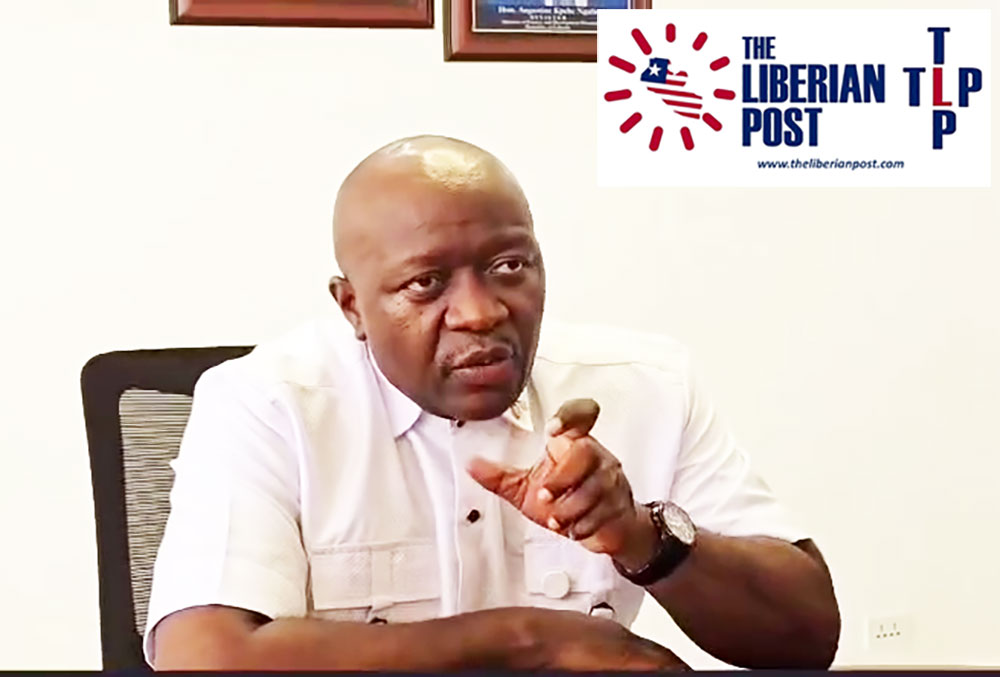
During his first year, Ngafuan led the MFDP’s negotiations and public launch of a major World Bank–supported Governance Reform & Accountability Transformation (GREAT) project — a roughly US$30 million IDA initiative focused on digital public services, tax administration strengthening, and transparency/accountability reforms. The project directly supports digital public infrastructure and revenue mobilization measures that are central to the AAID and to shoring up Liberia’s fiscal space. The minister’s stewardship in taking the project from negotiation to launch is a substantive achievement in external financing and capacity building.
3) Fiscal policy and budget discipline: preparing a credible budget framework
Ngafuan’s MFDP submitted and advanced a budget and reform package oriented toward consolidating fiscal gains and strengthening domestic revenue mobilization. That package included proposed tax policy measures intended to expand the government’s domestic revenue base and to sequence a move toward a VAT regime. These steps were put into the formal budget process and discussed with international partners (including the IMF) as part of Liberia’s macro-fiscal framework and program dialogue — a necessary precursor to restoring fiscal resilience and predictable services.
4) Improving partner coordination and re-engaging multilateral actors
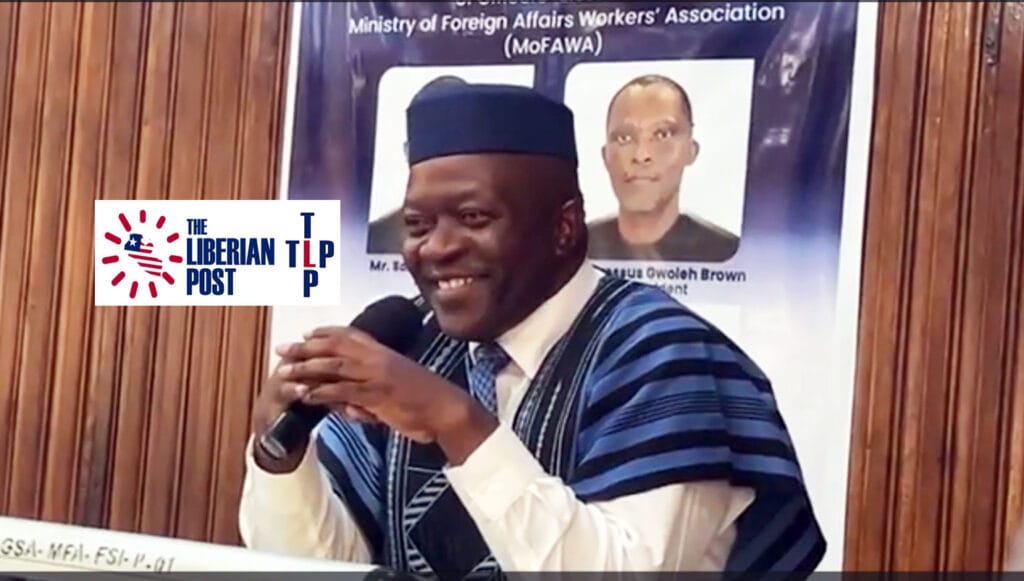
In the first year Ngafuan prioritized strengthening relationships with key bilateral and multilateral partners. He has publicly engaged the U.S. mission, the African Development Bank constituency, the World Bank, and the IMF, ensuring that partner programs are better aligned with Liberia’s national priorities and helping to unlock program-level financing. The MFDP’s role in organizing aid-coordination platforms and ministerial dialogues helped shore up the government’s negotiating position and improved transparency around project pipelines.
5) Institutional strengthening and capacity building inside MFDP
The ministry has advanced internal reform efforts — from strategic planning work to memoranda of understanding with local institutions for skills development — to improve public financial management and implementation capacity. These reforms are intended to reduce bottlenecks that commonly hinder project disbursement and to build the technical base for medium-term revenue and expenditure management under the AAID. Public statements and MFDP media outline several specific capacity initiatives driven by the minister.
6) Public communications and political stewardship
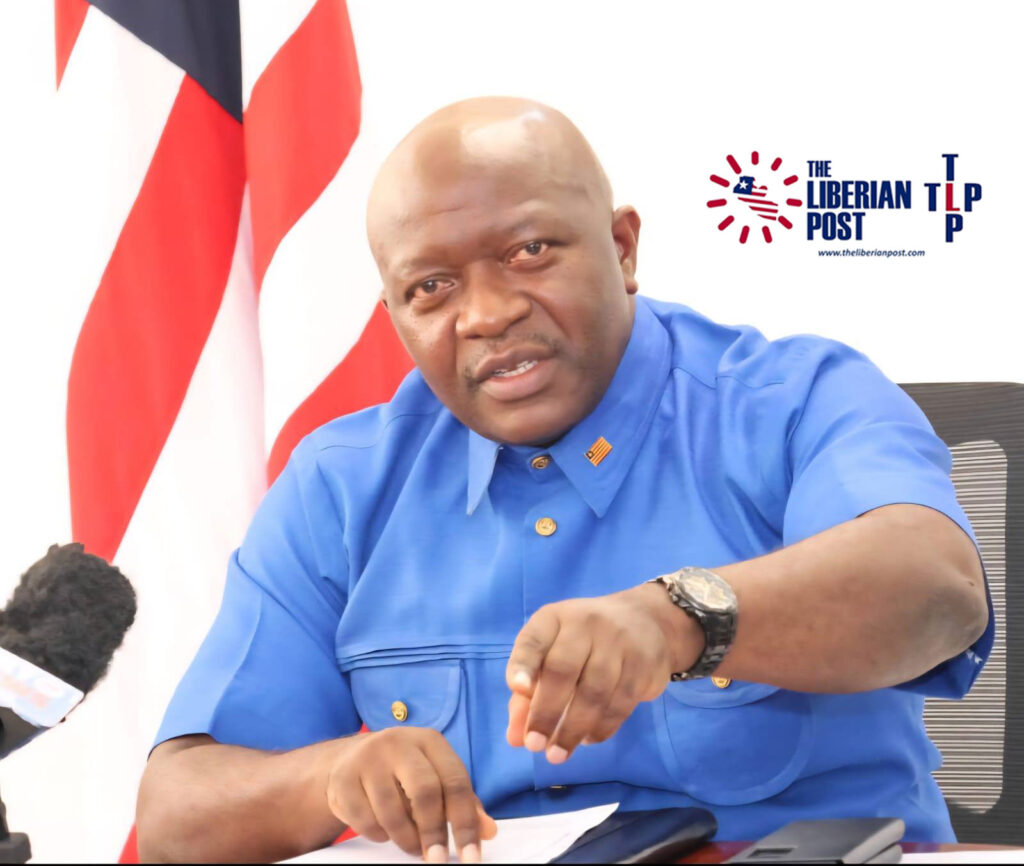
A year into office, Ngafuan has also invested time in public outreach — speaking at national events, addressing the Legislature and media, and using the MFDP’s forums to signal priorities (wage policy, prioritization of “bread-and-butter” expenditures, and service delivery). That public stewardship matters: delivering a large reform agenda requires sustained communication with legislators, civil servants, and the citizenry. His confirmation and early statements set expectations and legislative cooperation paths.
What this adds up to
In 12 months, Minister Ngafuan has focused on three mutually reinforcing tracks: (1) align budgets and donor programs behind a clear five-year strategy (the AAID and county agendas), (2) secure and operationalize external financing and digital/public-sector reforms (e.g., the World Bank GREAT project), and (3) push fiscal measures and internal capacity reforms to expand domestic revenue and improve service delivery. Those are realistic, structural-level moves — they don’t produce instant fixes, but they are the right enablers to increase Liberia’s fiscal space and implementation capacity over the medium term.
Risks & what to watch next
- Revenue delivery vs. social impact: proposed revenue measures (GST/VAT sequencing) must be balanced with protection for the poor and strong tax administration to avoid regressivity.
- Implementation capacity: projects like GREAT require timely procurement, staffing, and PFM safeguards to achieve intended outcomes; ministry capacity building must keep pace.
- Sustained partner alignment: converting commitments into disbursements requires continued MFDP engagement with donors and transparent monitoring.
Conclusion
After one year, Augustine Kpehe Ngafuan has used his prior cabinet and finance experience to lay institutional foundations: a national development blueprint, major partner projects supporting governance and digital services, a credible fiscal path discussed with the IMF, and internal capacity work to increase absorptive capacity. The challenge ahead is implementation — turning strategic frameworks and signed agreements into measurable improvements in revenue, service delivery, and jobs. The first year’s record shows the minister focused on the right levers; the next 12–24 months will determine whether those levers translate into results for Liberians.