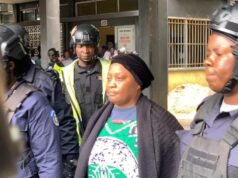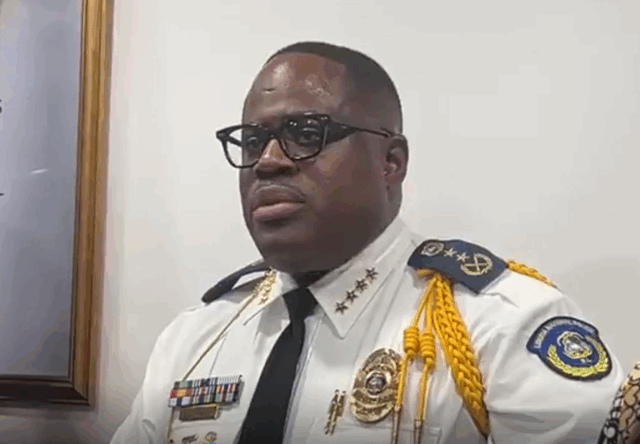
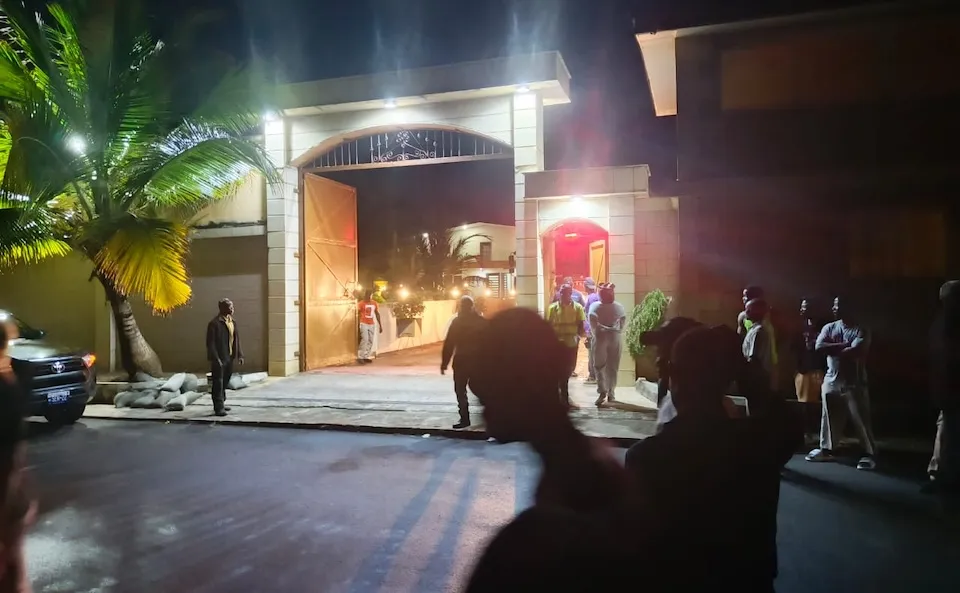
MONROVIA — The Liberia National Police (LNP) has raised serious alarm after its forensic investigators were refused entry to the 9th Street residence of former President George Manneh Weah while probing a fire there on Wednesday, September 24 — a development that police say obstructs their statutory duty and raises urgent questions about transparency.
The LNP says its forensic team arrived at the Sinkor compound to assist the Liberia Fire Service, but was informed by Mr. Jack N. Nyanapee, the Special Agent in Charge of the premises, that the residence was closed and no permission had been given to allow investigators inside. Follow-up calls to secure access, the LNP said, produced no response.
In an official statement the force stressed it remains committed to “impartial, professional and lawful investigations… irrespective of personality, position, or political affiliation,” and warned that denying investigators access to a potential crime scene undermines public confidence and the rule of law.
“No individual or institution is above the law,” the LNP said, adding that it will continue to press for cooperation and will update the public as inquiries progress.
Forensic probe continues at NSA director’s home
The denied-access incident comes amid a cluster of recent fires involving high-profile residences. On Sunday, September 21, a separate blaze severely damaged the three-bedroom home of National Security Agency Director Prince C. Johnson in New Kamah Town, Soul Clinic, Paynesville. In that case, investigators were able to access the scene and the LNP’s Forensic Unit is actively gathering evidence as it works with the Liberia Fire Service to determine cause and circumstance.
Why access matters

Legally and operationally, police access to a fire scene is critical to preserving evidence, establishing a chain of custody, and determining whether an incident was accidental or deliberate. While the Liberia Fire Service is responsible for determining the technical cause of fires, LNP forensic teams provide complementary investigative work — witness interviews, material collection, and scene forensics — that underpin any criminal inquiry. The LNP says being blocked from Weah’s compound prevents it from carrying out those functions and risks compromising the investigation’s integrity.
Political context and public concern
Fires that affect top public figures have polarized public opinion in recent months, with political actors, civil society and ordinary Liberians closely watching how authorities handle each case. The opposition Congress for Democratic Change (CDC) has already called for an independent, international probe into the Weah residence fire and described earlier fire incidents involving political figures as suspicious. Authorities now face mounting pressure to demonstrate impartiality, full cooperation, and transparency.
The LNP reiterated its pledge to continue investigations wherever access is permitted and urged any party with information or authority over secure premises to cooperate fully so that causes can be established and accountability ensured.