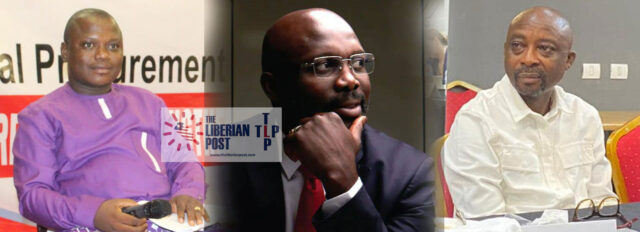
MONROVIA – After former President Weah’s 2029 comeback talk, two leading Liberian civil society voices have offered contrasting views on his legacy, fueling a broader debate about his impact on the nation.
Eddie D. Jarwolo, Executive Director of Naymote Partners for Democratic Development, praises Weah as the most successful Liberian of his generation. Jarwolo highlights Weah’s achievements in both sports and politics, noting that he was once recognized as the best football player in Africa, Europe, and globally during his illustrious career. He also points to Weah’s political milestones, including his election as Senator of Montserrado County in 2014 and his presidency in 2017.
Calling for national respect, Jarwolo urged Liberians to accord Weah the dignity he deserves, even suggesting the construction of a monument honoring him as an outstanding son of the country. “No politics here, just the facts,” he said, underscoring his admiration for Weah’s dual legacies.
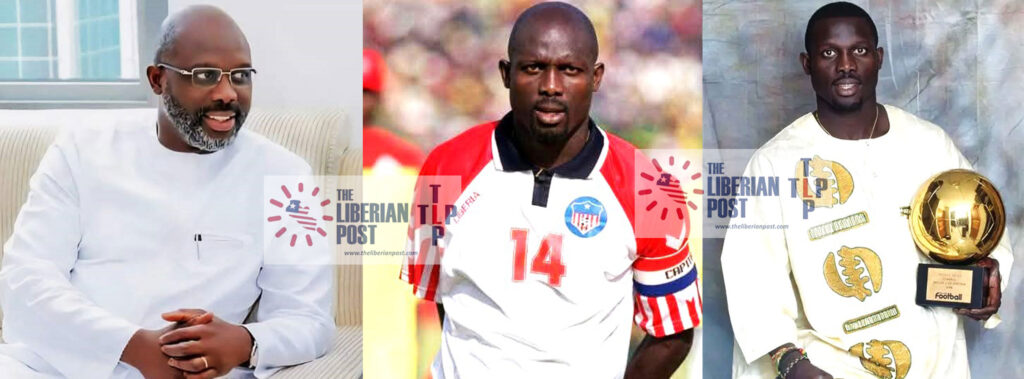
In contrast, Anderson Miamen, Executive Director of the Center for Transparency and Accountability in Liberia (CENTAL), offers a more critical perspective. Miamen distinguishes clearly between the football legend and the political leader, cautioning against conflating the two. While acknowledging Weah’s achievements on the pitch, he argues that his political record has fallen short of public expectations. “You can’t reasonably expect everyone to clap for him any longer, especially given that he ventured into politics and did not live up to the hopes of many,” Miamen remarked.
Critics have faulted Weah’s tenure, pointing to perceived self-enrichment by him and his circle, including lavish wealth and residences that some Liberians say came at the expense of ordinary people. For these critics, a 2029 comeback could threaten more hardship rather than progress.
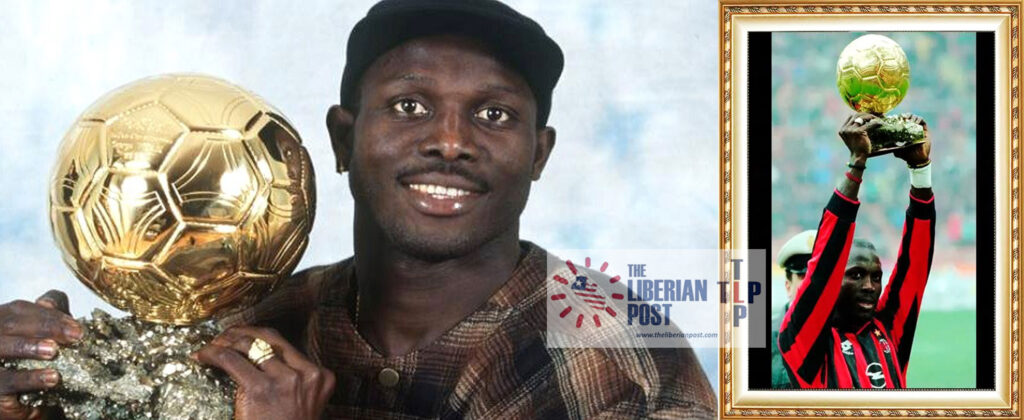
The exchange between Jarwolo and Miamen reflects Liberian society’s ongoing debates about how to fairly evaluate Weah’s multifaceted legacy—balancing celebrated achievements with accountability for governance.
As Liberia grapples with political challenges, the discussion underscores the complexities involved in honoring a figure who has wielded significant influence on the international stage and in Liberia’s political system. Pundits have reacted with mixed opinions: some support Jarwolo’s call for respect and recognition of Weah’s football and political milestones, while others align with Miamen in urging careful scrutiny of his record to safeguard the country ahead of 2029.