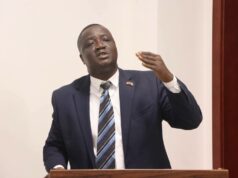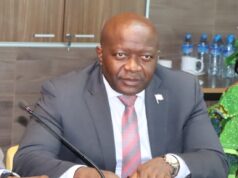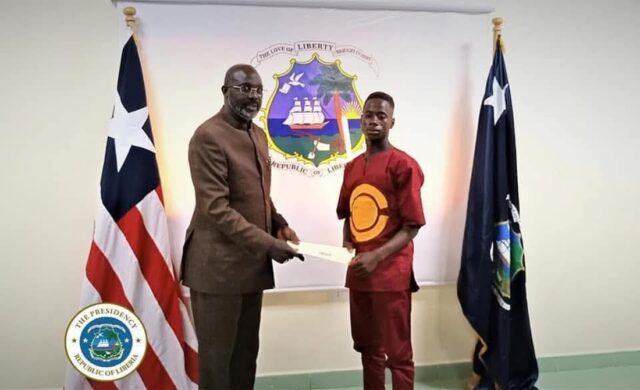
MONROVIA – Emmanuel Tuloe’s name once lit up Liberia’s public conscience. A young man celebrated as an “integrity icon,” he returned money dropped by a market vendor, capturing national admiration and international attention, including from the BBC. Public accounts say Tuloe found and returned US$50,000 and L$100,000 to the market vendor. In October 2021, in a moment that many Liberians regarded as a powerful intersection of character and policy, President George M. Weah met with Tuloe and announced a sweeping education pledge: a full scholarship under the Ministry of State for Presidential Affairs, covering education up to the master’s level, plus a monthly stipend and other perks. An account circulating says a letter from the president included this binding promise: “This letter is a commitment from me for your education up to Master Degree, even if I am out of office, use this letter against me if I fail to pay your school fees,” the former President was quoted as telling Tuloe. Some reports also describe an envelope containing keys to two brand-new TVS Star motorcycles and US$10,000, with a monthly allowance of US$500.
Today, the narrative around Tuloe has shifted. Ok FM is reporting that Tuloe is no longer in school and allegedly owes US$3,000 to Ricks Institute, a development that stands in stark contrast to the high-profile pledge and the national celebration that followed his act of honesty. The new chapter has prompted a chorus of concern from supporters and Liberian journalists alike, who wonder whether moral leadership translated into durable support for a young man’s education.
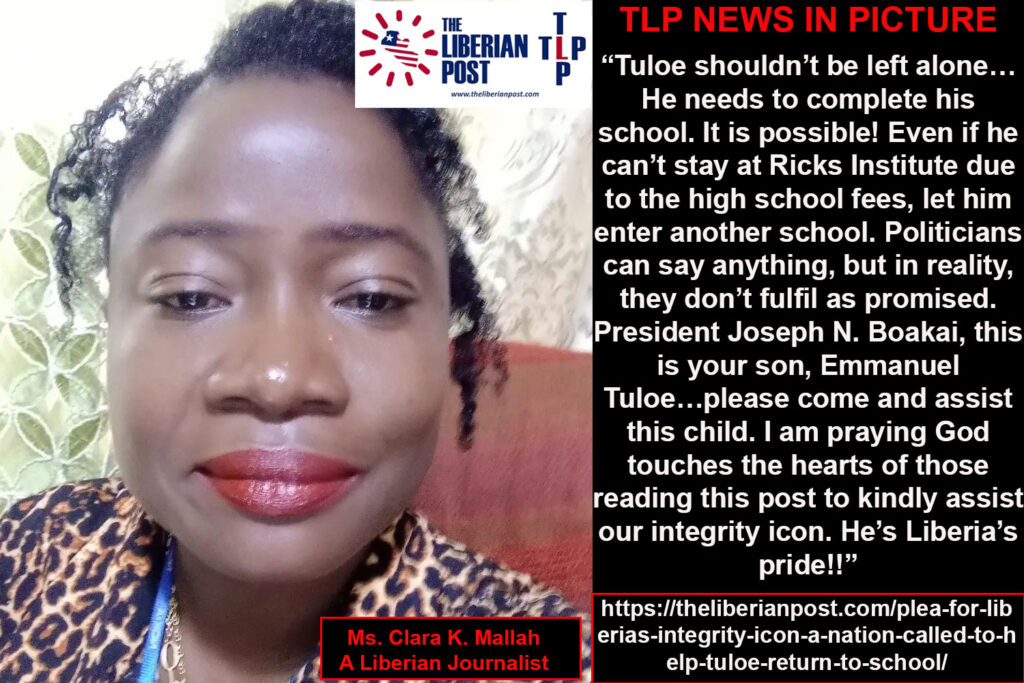
Ms. Clara K. Mallah, a local journalist with keen human interest reporting, has stepped forward with a blunt appeal to action. In a message that has circulated widely in the Press Union of Liberia’s chatroom, she writes: “Tuloe shouldn’t be left alone… He needs to complete his school. It is possible! Even if he can’t stay at Ricks Institute due to the high school fees, let him enter another school.” She goes further, addressing the current administration and public figures directly: “Politicians can say anything, but in reality, they don’t fulfil as promised. President Joseph N. Boakai, this is your son, Emmanuel Tuloe…please come and assist this child.” The appeal closes with a plea for empathy and aid: “I am praying God touches the hearts of those reading this post to kindly assist our integrity icon. He’s Liberia’s pride!!”
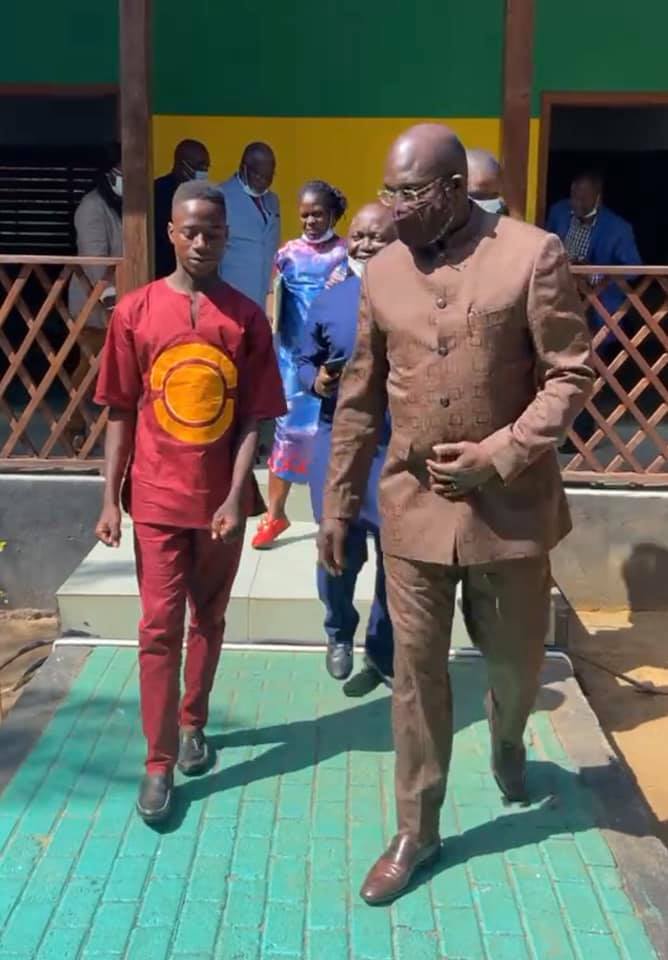
What’s at stake isn’t only one student’s education. Tuloe’s story sits at a crossroads of national trust, the power of mentorship, and the practical means by which a country can turn moral leadership into opportunity. If the current administration, philanthropic circles, and ordinary Liberians answer the call, Tuloe could return to the classroom—whether at Ricks Institute or another school—and complete an education that once symbolized social contract and hope.
But questions linger. At this writing, the government had not issued an official statement confirming the October 2021 pledge or the alleged ongoing scholarship. There is also a need to verify the specifics around the tuition debt, the exact amount claimed, and whether any official channels were involved in providing the promised support. Journalists and community advocates say transparency is essential to restore public trust and to map a clear path forward for Tuloe and others facing similar barriers.