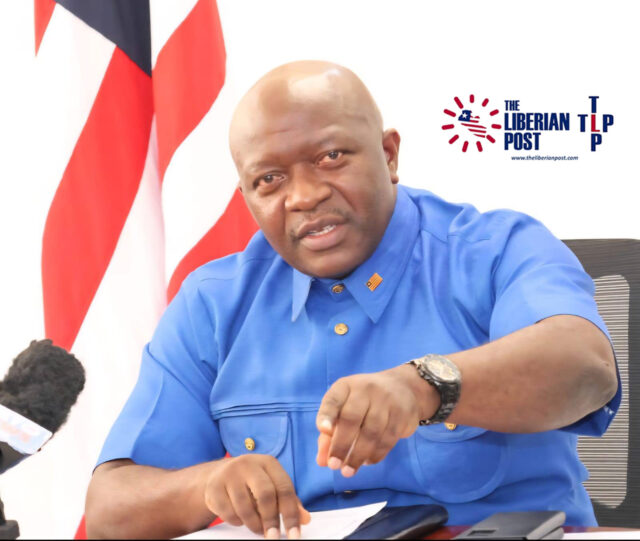
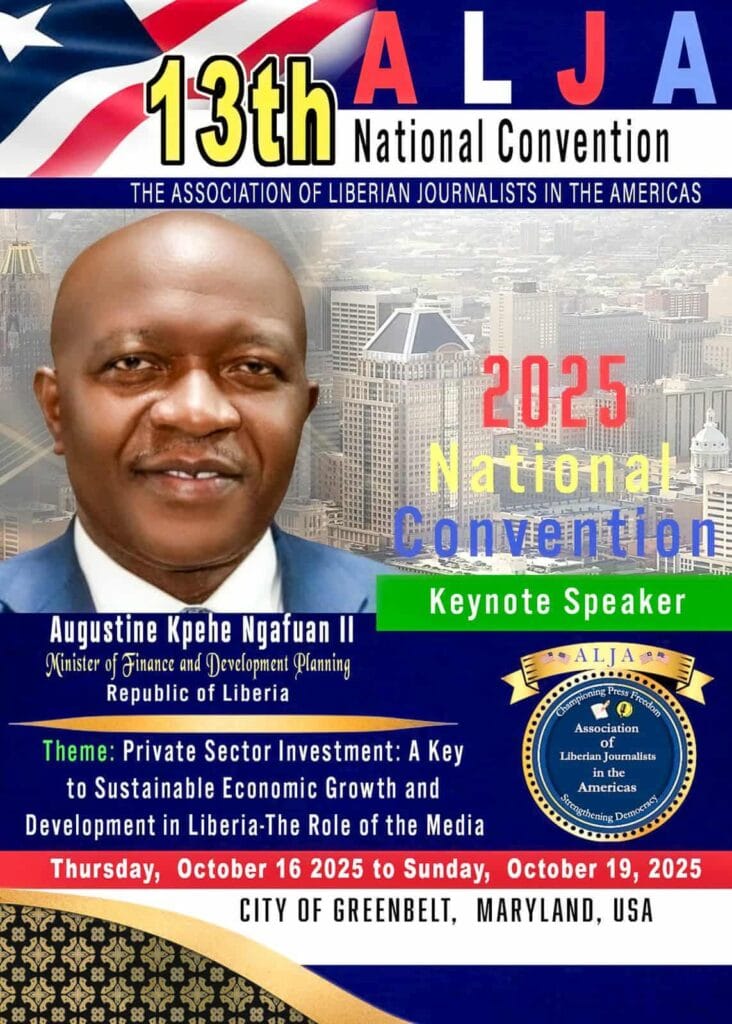
MONROVIA – When the Association of Liberian Journalists in the Americas convenes its 13th National Convention in Greenbelt, Maryland, from October 16–19, 2025, the keynote won’t just set a tone; it will test a proposition. Can a strong, independent media help crowd in the private investment Liberia needs for durable growth? It’s a question tailor-made for Finance and Development Planning Minister Augustine Kpehe Ngafuan II—who will speak on the theme, “Private Sector Investment: A Key to Sustainable Economic Growth and Development in Liberia — The Role of the Media.”
The pairing is deliberate. Ngafuan’s career has threaded through the places where policy meets public understanding. As a technocrat and very senior cabinet minister, he has spent years translating complex decisions into language citizens and markets can parse—first on budgets and fiscal reforms, later on Liberia’s foreign policy outlook. That experience forged a working relationship with the Liberian press that was both routine and consequential: newsroom briefings, extended radio interviews, and diaspora engagements where tough questions are a feature, not a bug.
Those habits matter because investment is as much about information as it is about capital. Investors price risk; citizens judge credibility; both are influenced by the clarity and consistency of what they hear and see. In Liberia, the media often stands between a policy idea and its real-world test. Reporting that follows the money—through procurement notices, budget execution reports, and concession agreements—can shrink information gaps, deter rent-seeking, and reward rule-followers. The inverse is also true: when facts are scarce, rumor becomes policy’s loudest opponent.
Ngafuan’s relationship with the press has been shaped by that reality. Journalists who’ve covered him describe a data-forward style—arguments organized around numbers, timelines, and the trade-offs of governing. That made him a frequent reference point for explanatory coverage on public finance, debt, and donor relations. It also put him in the arena when scrutiny intensified. Liberia’s media ecosystem is vibrant and often adversarial, with private and community radio, print and online outlets, and a diaspora press that punches above its weight. Navigating it requires stamina and a tolerance for interrogation. By engaging consistently—in newsroom interviews, press conferences and on diaspora programs—Ngafuan helped set expectations for how the state explains itself on questions that touch the “bread and butter” issue: tax policy, service delivery, and the terms under which investors operate.
That history is why ALJA’s theme lands with urgency. The country’s growth story will not be written in spreadsheets alone. It will be tested in places where citizens ask whether roads are built on time, whether clinics get supplies, whether concession promises reach communities beyond the capital. For the media, this moment calls for sharpening tools—data literacy to track appropriations and outturns; investigative methods to scrutinize contracts; and ethical guardrails that keep reporting tough but fair. For government, it calls for treating transparency as a competitiveness strategy: publishing machine-readable data, protecting press freedom, and institutionalizing briefings that welcome hard questions and produce usable answers.
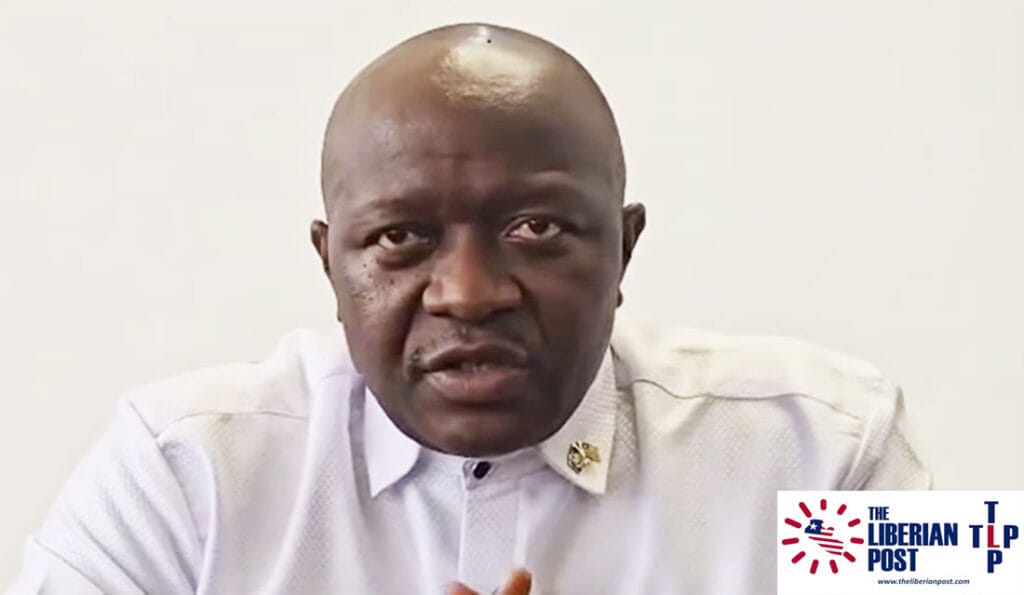
From the dais in Greenbelt, Ngafuan is positioned to connect these dots. As Finance and Development Planning Minister, his portfolio sits at the center of Liberia’s investment climate—macroeconomic stability, budget credibility, tax policy, and the frameworks that govern public-private partnerships. His vantage point also spans the diplomatic terrain where investor signals are sent and received. In that role, a healthy relationship with the media isn’t ornamental; it’s part of the enabling environment. Clear, timely, and open communication reduces uncertainty, surfaces problems early, and bolsters confidence that rules will be enforced consistently.
ALJA’s conventions have long been more than reunions. They are working sessions—spaces where professional standards are tightened and the diaspora’s media capital is channeled toward accountability. Expect sessions that go beyond rhetoric: how to read a fiscal framework; how to reconcile a press statement with budget execution data; how to map the social impact of tax incentives; how to sustain independent outlets in a fragile advertising market. Expect, too, a conversation about responsibility on both sides: journalists committing to rigor and fairness, and policymakers committing to access, data, and respect for watchdog work. Liberia’s economic future will turn on whether people believe promises translate into projects—and whether investors believe contracts are honored, courts are predictable, and institutions outlast personalities. The media cannot guarantee any of that. But it can illuminate the path, test claims against facts, and keep the feedback loop between policy and public anchored in reality. In that sense, the choice of keynote and theme is not merely ceremonial. It’s a statement that sustainable growth is, at its core, a story about information—and about the people willing to do the difficult work of making it public.