By Cheechiay Jablasone
Liberia, a country with approximately five million inhabitants, boasts of immense wealth, including mineral resources, vast forests, and extensive biodiversity. Despite this, Liberia is poorly managed, relying heavily on loans and aid to undertake capital-intensive projects, such as infrastructure development and social services. The country imports most of its food, including rice, beef, and poultry products, primarily from Asia and Europe.
Like many African nations, Liberia’s extractive industries are dominated by foreign concessionaires. The country is a significant exporter of natural rubber, with the world’s largest rubber plantation, spanning over one million acres, owned by Bridgestone. Initially, the plantation was owned by Firestone since 1926, but it was acquired by Bridgestone in 1988.
Strategic exports, including rice, beef, poultry products, petroleum products, and motor vehicles, are primarily controlled by Asian businesspeople. The second tier of retailers, comprising mainly Africans, particularly Nigerians and Guineans (Fulas), operates beneath these wholesale Asian businesses. Many affluent Liberians are former or current government officials who have managed revenue-generating agencies, served as presidential confidants, or held legislative positions. The country’s resources are largely exploited by a small group of influential Liberians and their foreign business partners.
Despite these complexities, some Liberians aspire to develop a thriving private sector, which could stimulate economic growth, create wealth, and promote sustainable development. Among the Liberian institutions that could catalyze private sector investment are the Liberian media. However, what impact can they truly have?
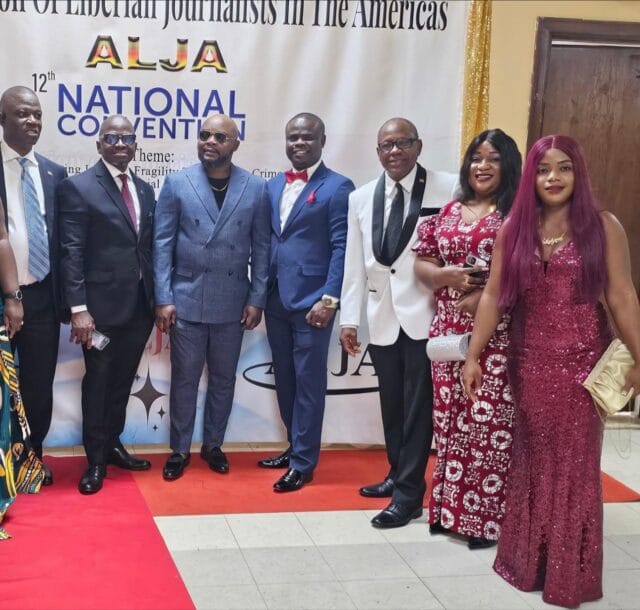
The Association of Liberia Journalists in America (ALJA), a group established to promote media freedom and good governance in Liberia, will convene in Maryland, USA, to examine the media’s role in private sector investment. The convention’s theme is “Private Sector Investment: A Key to Sustainable Economic Growth and Development in Liberia – The Role of the Media.”
Liberia is a country plagued by corruption. A Liberian businessman, frustrated with the prevalent practice of bribing public officials to secure contracts or expedite payment processing, has opted out of pursuing government contracts, as they often result in financial losses. Vouchers for those who resist paying bribes are frequently delayed or not processed. The government has accumulated a substantial backlog of unpaid domestic debts. The practice of seeking compensation to facilitate voucher processing is not limited to low-level public servants; lawmakers and ministers involved in negotiating, rectifying, and signing concessions and contracts often request kickbacks. The overall business environment in the country is severely impaired.
In this context, what can the media do to address these issues? A responsible media should investigate and expose the facts about these detrimental business practices affecting private sector investments. When media reports are published, they should be taken seriously by integrity institutions within and outside the government, ensuring that those involved are held accountable. However, certain conditions must be met to foster confidence between the media and integrity institutions. For instance, media reports must be credible.
How credible are most media reports in Liberia? Do people trust the information published in newspapers and broadcast on radio and television stations? Can these media institutions survive without advertisements from corrupt business individuals who provide ads more as a form of hush money than a legitimate business transaction? Many media managers and owners possess luxurious mansions and cars, yet their institutions struggle to afford basic equipment, such as computers. Salaries are low and irregularly paid, raising concerns about the reliability of these media outlets. Can the Liberian people depend on them to consistently expose wrongdoing and ensure deterrence?