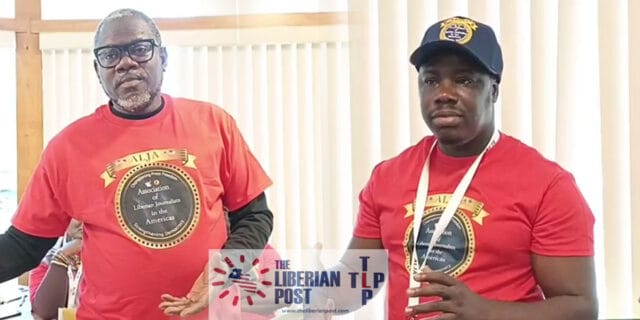
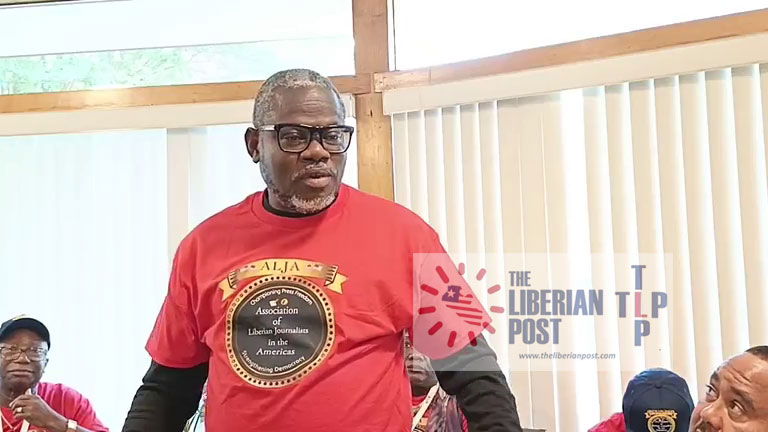
Greenbelt, Maryland, USA – The 13th National Convention of the Association of Liberian Journalists in the Americas (ALJA) turned into a spirited exchange on Friday when Lennart Dodoo, Managing Editor of The Liberian Investigator, and Jerolinmek M. Piah, Liberia’s Minister of Information, Culture Affairs and Tourism, offered sharply contrasting perspectives on the sustainability and integrity of Liberia’s struggling media landscape.
Speaking during the convention’s Business Session, Dodoo, a veteran journalist and former News Desk Chief at FrontPageAfrica, lamented that the biggest threat facing the Liberian media is not necessarily a lack of training, but financial instability driven by limited advertising support and political interference.
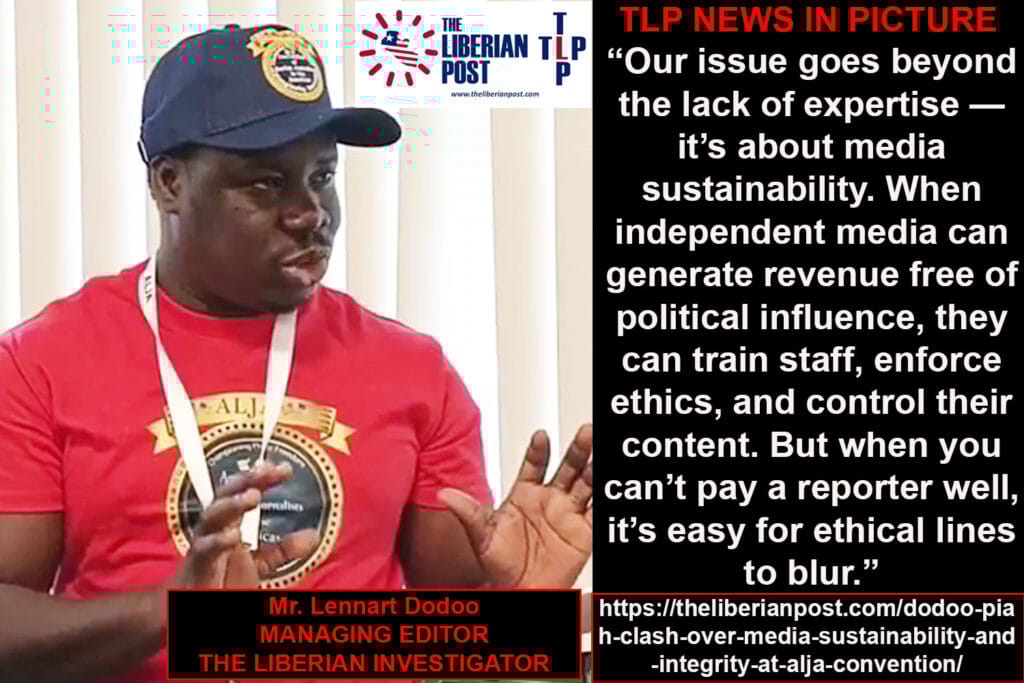
“Our issue goes beyond the lack of expertise — it’s about media sustainability,” Dodoo emphasized. “When independent media can generate revenue free of political influence, they can train staff, enforce ethics, and control their content. But when you can’t pay a reporter well, it’s easy for ethical lines to blur.”
Dodoo disclosed that his newspaper, The Liberian Investigator, prints only three times a week due to financial strain. He said many outlets are forced to compromise editorial integrity to stay afloat, often accepting “sponsored” content or politically motivated publications.
He noted that the Government of Liberia remains the largest advertiser, but that official advertising is often distributed selectively — depending on political alignment.
“Government determines who gets ads and who doesn’t. Sometimes, it depends on how you align with ministries,” he said, adding that major private entities such as hotels and banks rarely advertise in Liberian newspapers. “I have never seen an ad from the Royal Grand Hotel or Farmington Hotel in any paper,” he lamented.
Dodoo called on ALJA, the Press Union of Liberia (PUL), and other media partners to push for legislation on fair advertising practices, ensuring that both government and private-sector advertisements are more evenly distributed across independent outlets.
“Without advertisement, the media cannot be sustained — and without a free and independent media, our democracy will collapse,” Dodoo warned.
Piah Responds: ‘Times Have Changed’
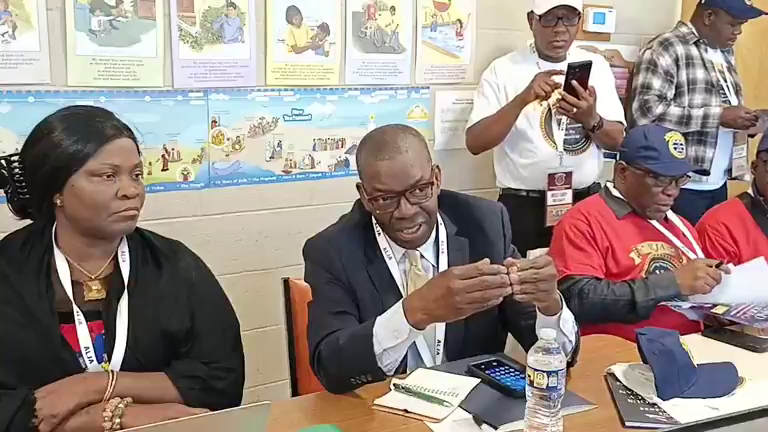
Responding moments later, Information Minister Jerolinmek Piah acknowledged the media’s financial difficulties but urged journalists to adapt to a rapidly changing communication environment dominated by social media and digital platforms.
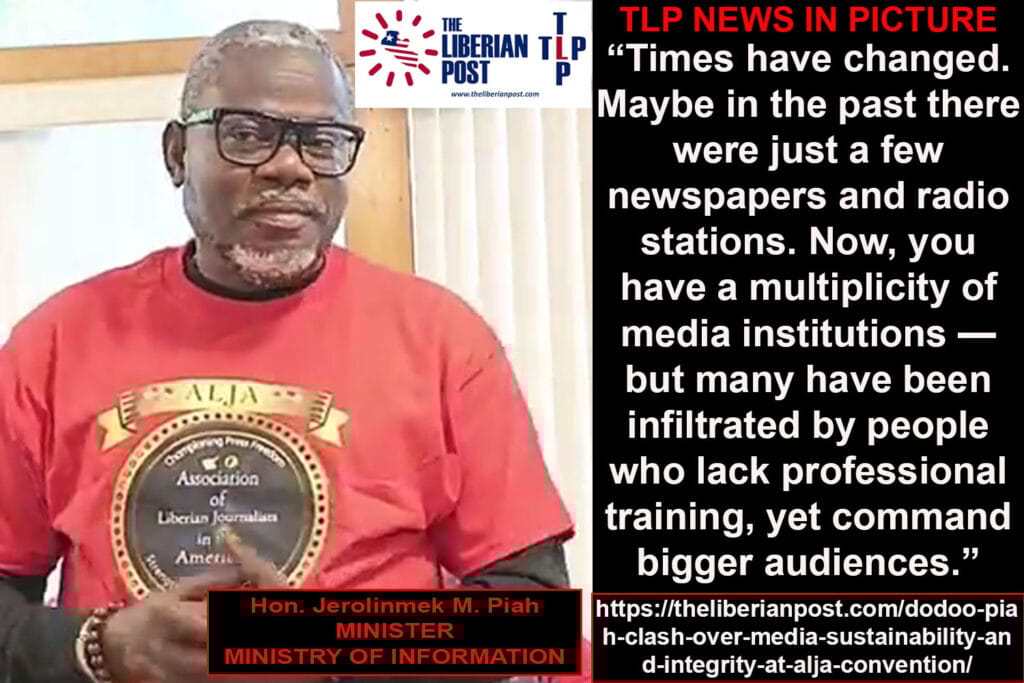
“Times have changed,” Minister Piah asserted. “Maybe in the past there were just a few newspapers and radio stations. Now, you have a multiplicity of media institutions — but many have been infiltrated by people who lack professional training, yet command bigger audiences.”
He cited the example of online platforms such as “Spoon Talk” and other social media initiatives that have gained traction, sometimes surpassing traditional newsrooms in reach and influence.
“If I post something on social media today, it reaches far more people than a newspaper ad, because people don’t have time to read papers,” he said. “Advertisers want visibility, and that’s where the challenge lies.”
Minister Piah also explained that the government does not have a centralized system for managing advertisements. Each ministry or agency, he said, often acts independently — sometimes awarding advertisements based on personal relationships.
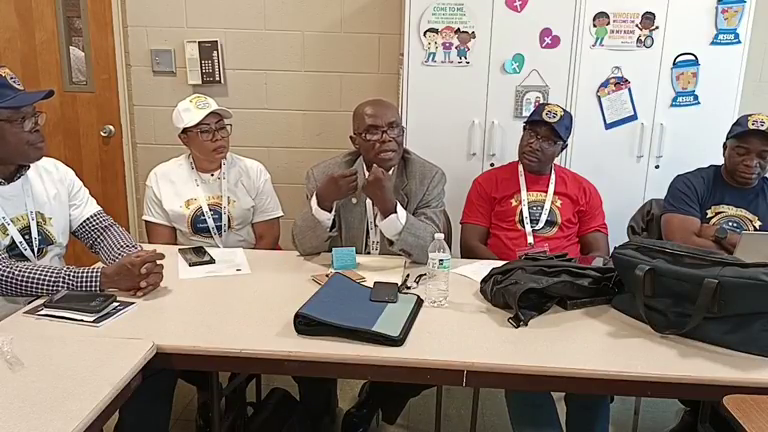
“If the Ministry of Commerce official is a friend to Dodoo, he’ll give him the ad, without consulting the Ministry of Information,” Piah said. “Even if we centralize it, people will still accuse us of favoritism if only a few media houses benefit.”
The Minister further addressed the issue of journalistic integrity, referencing a recent case where two leading Liberian media outlets published false information about him assaulting a journalist.
“The Press Union of Liberia investigated and found the reports to be untrue. But the newspapers never had the courage to apologize,” he stated. “We can’t build a country like that. The media can’t gain respect by such conduct.”
While recognizing that Liberia’s small economy limits advertising opportunities, Piah urged collaboration between the government and media owners to find innovative models for revenue generation.
“It won’t change overnight,” he admitted. “But we must all be patient, stay the course, and keep working toward a stronger, more sustainable media sector.”
Broader Context
The exchange between Dodoo and Piah comes amid growing concern over the financial fragility of Liberia’s independent press, which has long struggled with late salaries, printing costs, and low advertising revenue.
Several newspapers have intermittently suspended publication due to rising production costs and declining readership.
The debate at ALJA underscores the ongoing tension between the government and the media over fairness in advertising, press freedom, and the evolving challenges posed by digital disruption.
As the convention continues, ALJA delegates are expected to deliberate on strategies for strengthening media capacity, ethics, and financial sustainability — key pillars seen as essential for protecting Liberia’s fragile democracy.