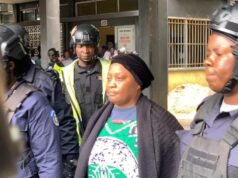
-Bishop Kortu Brown Presses for Price Controls on Basics, Performance Checks on Appointees, and Peaceful Talks with Hotel Africa Residents Amid Planned Relocation
MONROVIA — Former Liberia Council of Churches (LCC) President Bishop Kortu Brown has called on President Joseph Nyuma Boakai to urgently deploy an “economic painkiller” to ease what he described as mounting hardship for Liberians as the administration approaches the climax of its second year in office.
“It’s about time that President Joseph N. Boakai looks for economic painkillers that will heal the economic pains Liberians are experiencing. Many citizens are finding it difficult to feed their families due to the current economic hardship,” Bishop Brown told reporters during an interview at his Brewerville residence.
Brown, who leads the New Water in the Desert Apostolic Pentecostal Church, said the government must act quickly to stabilize prices for essential goods and protect low-income households. He urged the president to implement recommendations made by a committee established during the 178th Independence Day celebration, which he said included measures to control the prices of basic commodities.
Cabinet Performance Review Urged
The clergyman also pressed for a performance-based review of cabinet officials, warning against tolerating underperformance in non-tenured posts.
“President Boakai should not give a deaf ear to the cry of the Liberian people as former President Weah did. No one should remain in a non-tenured position for more than three to six years, especially when they are not performing,” he said.
Brown argued that Boakai, who has “served Liberia in many capacities,” should lead by example to preserve his legacy and deliver relief to struggling families.
Call for Dialogue on Hotel Africa Relocation
Turning to tensions over a land reclamation plan at the Hotel Africa community, Bishop Brown appealed to the Ministry of Public Works and other authorities to prioritize peaceful engagement with residents affected by potential relocation.
“No citizen will oppose development, but the right procedures must be followed to avoid confrontation. A peaceful dialogue will make people leave willingly,” he said, adding that conflict-avoidance should be a guiding principle for projects that disrupt communities.
Condemns Recent Violence, Urges Restraint
Bishop Brown expressed dismay over recent violent incidents, including the reported shooting of a civilian in Congo Town and the alleged murder of a police officer by a taxi driver in Vai Town on Bushrod Island. He urged both security agencies and civilians to de-escalate tensions and resolve disputes through lawful channels.
“This country has witnessed a senseless civil war that took the lives of over 250,000 people. There’s no need to go back to those ugly days. We must approach each other with respect, regardless of our status,” he said.
“Civilians will always need the security, and the security will need civilians for the country’s progress. We should not allow minor issues to make us take the law into our own hands,” Brown added.
What’s Next
The presidency has not publicly responded to Bishop Brown’s latest appeal. The administration has framed its ARREST Agenda as the blueprint for addressing cost-of-living pressures and service delivery, but Brown’s comments reflect growing calls for faster, more visible interventions that directly lower household costs and sharpen accountability within government.
As year two approaches, the pressure is likely to intensify for the Boakai government to show concrete gains—on staple prices, job creation, and public safety—while managing sensitive relocations through dialogue to prevent unrest.