MONROVIA — Popular Liberian radio talk show host and political commentator Henry Pedro Costa has defended President Joseph Nyuma Boakai over the controversial Lofa County Villas Project, arguing that while the project suffered from “bad optics,” it does not amount to corruption.
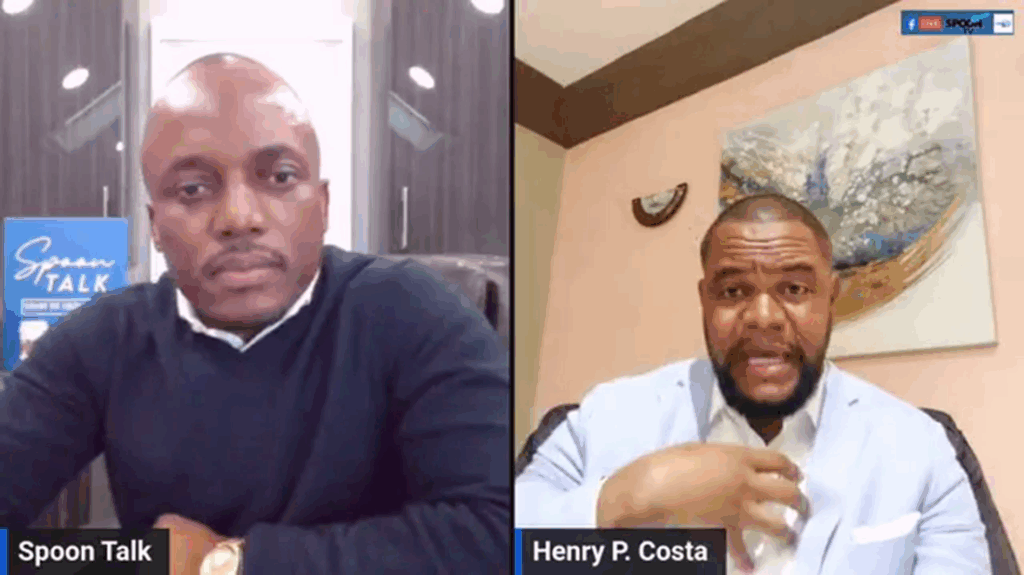
Costa made the comments Sunday night on Spoon Talk’s “One-on-One with the CEO”, hosted by Stanton A. Witherspoon, where he addressed a range of political issues — from the Lofa villas saga to his brief and regrettable alliance with the Coalition for Democratic Change (CDC) of former President George Manneh Weah.
‘Bad Optics, Not Corruption’
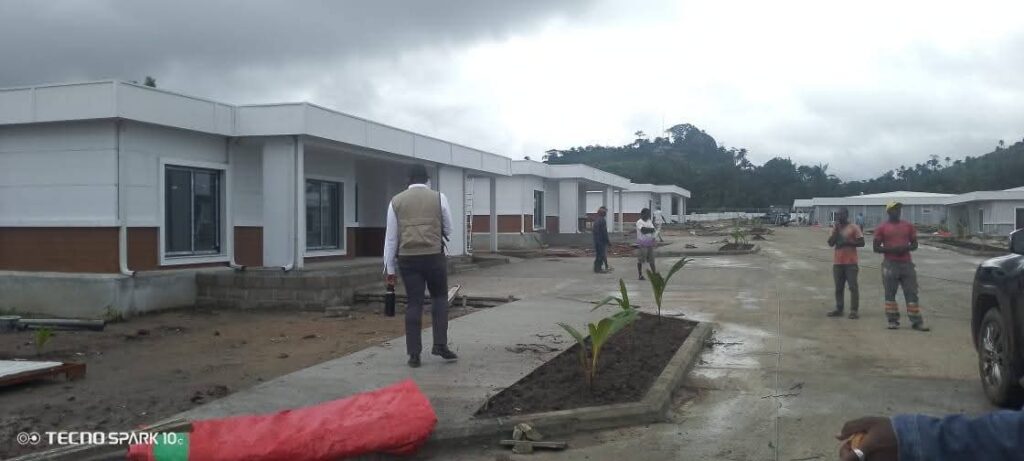
The Lofa Villas Project — a government initiative to construct guest villas in President Boakai’s home county — has generated intense public criticism, with opponents calling it wasteful amid Liberia’s ongoing economic struggles.
But Costa, a strong supporter of Boakai, said the project was poorly communicated and politically mishandled, though not corrupt in intent.
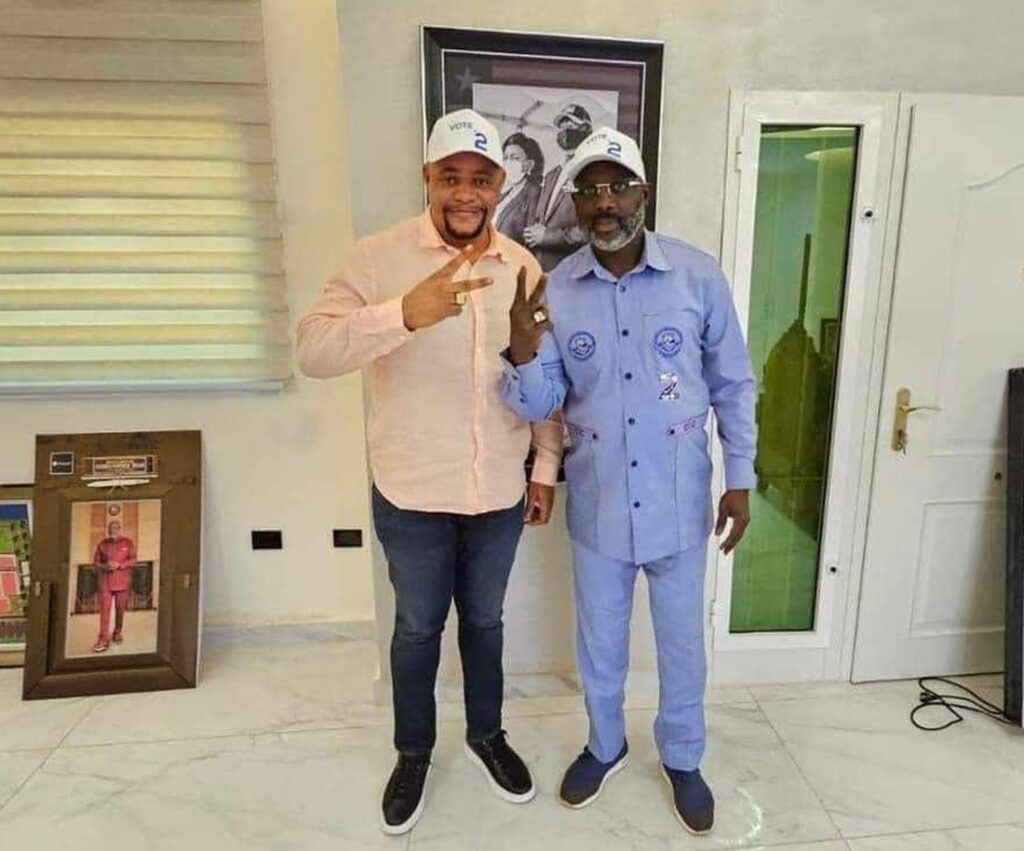
“The Lofa Villas thing was bad optics, I agree,” Costa said. “It was not the President’s personal project. It was something that some of his aides thought would make him look good back home. But it came across the wrong way.”
He explained that the idea was initially meant to enhance local tourism and hospitality infrastructure for official visits to Lofa, but the execution and timing created negative perceptions.
“In politics, perception matters more than intent,” Costa said. “The President did not build a personal house there — the project belongs to the Government of Liberia. But the way it was rolled out made it look like a vanity project, and that’s where they got it wrong.”
Costa advised the administration to improve its public messaging and sensitivity to timing, warning that even well-intended initiatives can be weaponized by critics if not properly explained.
“We live in a country where anything can be turned into a scandal,” he said. “That’s why I tell people around the President — think through these things. The problem was communication, not corruption.”
‘A Rebound, Not a Relationship’
In the same interview, Costa reflected on his brief flirtation with the CDC, calling it “the worst political mistake of my life.”
He described his alliance with the ruling party at the time as an “emotional rebound” following his fallout with President Boakai — not a strategic or ideological move.
“That whole thing with the CDC was like when a man breaks up with his woman and jumps into another relationship just to feel better,” Costa admitted. “I was hurt, I was angry, and I made a bad decision. It wasn’t about conviction — it was emotion.”
Costa said he joined the CDC at a time when he felt “betrayed” and “unappreciated,” but soon realized that he could not genuinely align with the same political group he had spent years opposing.
“How could I fight those people for five, six years and then suddenly become their ally? It didn’t make sense,” he said. “After a few weeks, I walked away. I couldn’t do it. My heart wasn’t in it.”
He noted that the experience taught him a valuable lesson about political consistency and emotional control.
“I learned that in politics, you can’t let emotion drive your decisions,” Costa said. “You’ll end up making moves that betray your own values. And I refuse to be that kind of man.”
Costa’s dual message — defending President Boakai against allegations of corruption while acknowledging the administration’s communication flaws — underscores his evolving position as both a government supporter and a critical voice within the ruling circle.
“Supporting President Boakai doesn’t mean I’ll say yes to everything,” Costa concluded. “I’ll defend him when he’s right, but I’ll also say when something looks wrong — because the truth matters more than loyalty.”