Monrovia, Liberia — Liberia stands at a defining moment in its economic journey, with a new World Bank report urging policymakers to deepen fiscal reforms and strengthen private sector engagement to drive long-term growth and job creation.
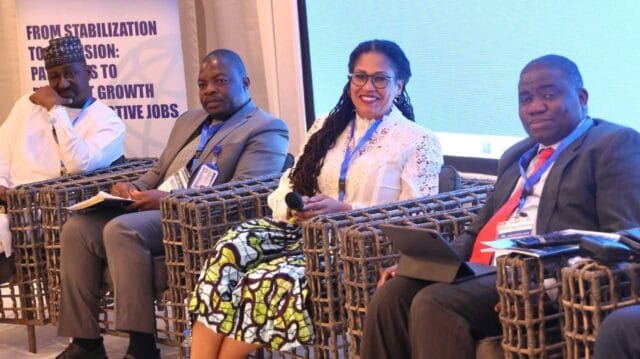
The report, “From Stabilization to Inclusion: Pathways to Resilient Growth and Productive Jobs,” was launched Wednesday in Monrovia. It concludes that with sustained fiscal discipline, improved governance, and inclusive policy implementation, Liberia can move beyond cycles of volatility toward a more resilient and inclusive economy.
Strong Foundation for Economic Renewal
The World Bank observed that between 2004 and 2014, Liberia’s economy grew at an average of 7% annually—one of the fastest in Sub-Saharan Africa at the time. However, growth slowed to 1.4% per year from 2014 to 2023, affected by global economic shocks, domestic constraints, and the lingering effects of the Ebola crisis and COVID-19 pandemic.
Despite these challenges, the Bank commended the government for ongoing fiscal and monetary reforms aimed at stabilizing the economy.
“Continued commitment from fiscal authorities will be essential to promote private sector growth and create sustainable jobs,” the report noted.
Government Reaffirms Commitment to Inclusive Growth
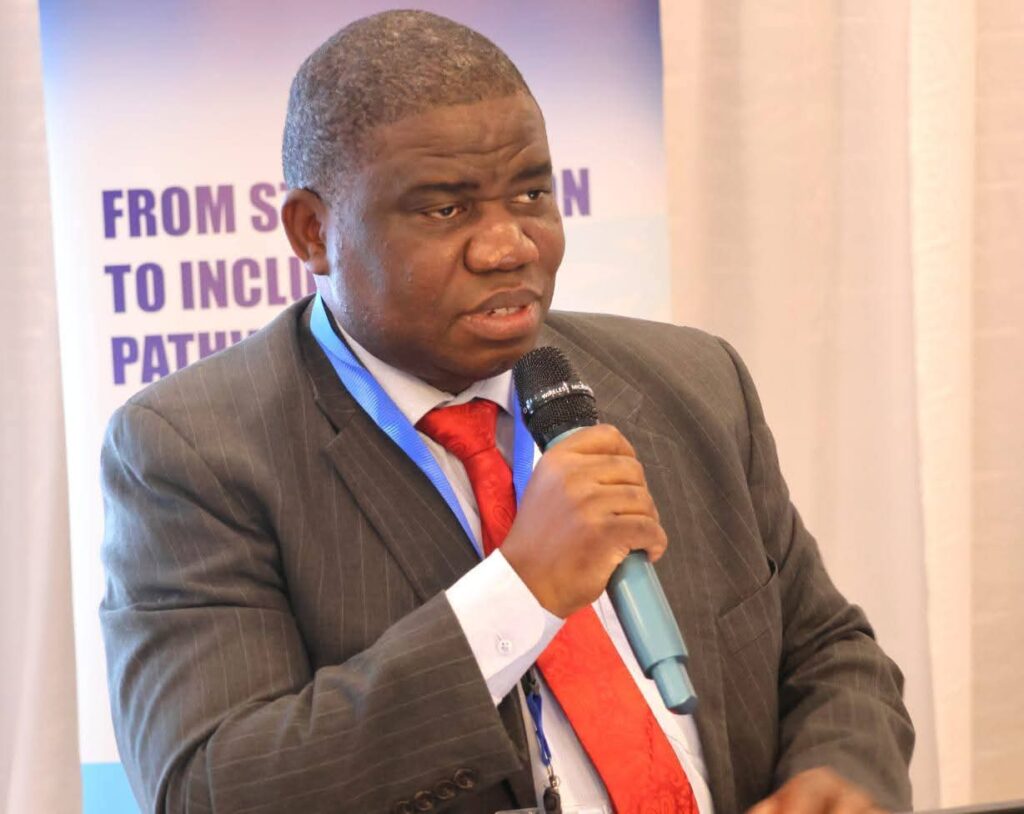
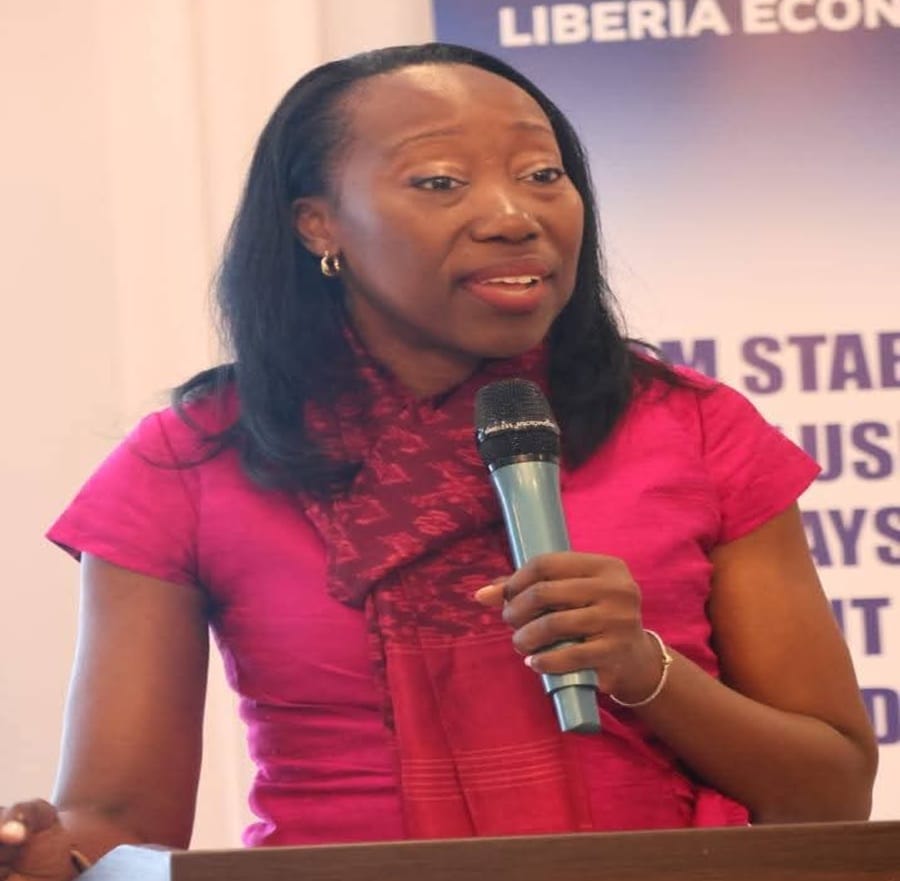
Deputy Minister for Economic Management, Hon. Dehpue Y. Zuo, reaffirmed Liberia’s dedication to sustaining economic stability and ensuring that growth translates into tangible benefits for citizens.
“We are doing everything within our effort as a country to sustain growth,” Zuo said. “This report provides valuable insights that will guide planning for the 2026 national budget and our broader development agenda.”
Minister Zuo highlighted that the Boakai administration is shifting focus from stabilization to inclusion—anchored in President Joseph N. Boakai’s ARREST Agenda, which prioritizes Agriculture, Roads, Rule of Law, Education, Sanitation, and Tourism.
He added that Public-Private Partnerships (PPPs) are central to Liberia’s new growth model.
“With support from the World Bank, we now have a policy on PPPs as a driver for job creation,” Zuo said. “This approach creates jobs, stabilizes the economy, and gives our young people space to innovate and contribute to national development.”
Revenue Ambitions and National Participation
Minister Zuo announced an ambitious national revenue target of US$1 billion, citing improved collection performance and collaboration with the Liberia Revenue Authority and development partners.
He urged all sectors—public and private—to move beyond advocacy into active participation:
“For years, we said we wanted change. Now, as participants in our economy, we must drive that change—not just watch from the sidelines.”
World Bank’s Four-Pillar Growth Strategy
The World Bank outlined a four-part strategy to accelerate job creation and inclusive growth in Liberia. The plan focuses on:
- Improving the business environment to attract investment;
- Supporting small and medium enterprises (SMEs);
- Investing in skills development and entrepreneurship; and
- Channeling resources into agro-processing and light manufacturing as high-potential growth sectors.
Private Sector at the Center of Liberia’s Economic Future
Ms. Georgia Wallen, the World Bank’s Managing Director for Liberia, emphasized that long-term employment cannot rely on government alone.

“The best way to create sustainable jobs is through the private sector,” she said. “This demands stronger coordination, regulatory reforms, and targeted support for SMEs.”
Wallen also called for reforms in Liberia’s education and skills training systems to prepare young people for entrepreneurship and modern labor markets.
Building a Resilient and Inclusive Future
With the economy stabilizing and reforms advancing, the Ministry of Finance and Development Planning (MFDP) reaffirmed its commitment to implementing sound fiscal policies that foster inclusion and opportunity. Working with the Central Bank of Liberia, development partners, and the business community, the government aims to ensure that every Liberian benefits from the country’s progress.
The World Bank concluded that Liberia’s transformation will depend on collaboration, fiscal discipline, and investment in human capital. With these aligned, the report states, the nation can “build a dynamic, resilient economy that delivers opportunities for all.”