-Accuses Koffa of Misleading Public as CDC Base Slams His Switch to Boakai
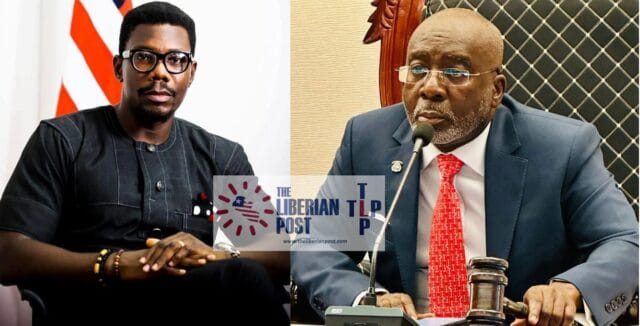
MONROVIA, Liberia — Cllr. Kanio Bai Gbala, the 2023 official campaign spokesperson for the Coalition for Democratic Change (CDC) who now backs President Joseph Nyuma Boakai, has waded into the fight over Liberia’s proposed Oranto Petroleum agreement, accusing former House Speaker Cllr. J. Fonati Koffa of “misleading” the public and scaring off investors.
In a sharply worded opinion article titled “Economic Patriotism or Political Bitterness,” Gbala argues that Koffa’s criticisms of the draft deal—centered on Liberian participation, the legality of a signature bonus, and cost‑recovery terms—are unfounded and risk undermining investor confidence at a time when Liberia is courting capital in energy, mining, and infrastructure.
“What the Law Actually Says” Gbala contends that:
- National Equity: Shares assigned to the National Oil Company of Liberia (NOCAL) represent the state’s ownership “on behalf of all Liberians,” and claiming Liberians are excluded because NOCAL holds the equity is “wrong and misleading.”
- Signature Bonus: The law requires petroleum revenues to be recorded and paid into the national treasury, then incorporated in the budget. If those steps are followed, he says, a signature bonus is lawful.
- Cost Recovery: Clauses allowing companies to recover exploration costs if oil is found are “standard in petroleum contracts globally.” If no oil is discovered, the company loses its investment, Gbala notes.
He also rejects comparisons between Liberia’s reported US$1.2 million bonus and larger sums secured by Ghana, saying Ghana’s bonuses were tied to producing fields, whereas Liberia’s offshore blocks are “unproven and high‑risk.”

Politics And Allegations
Gbala, who has faced a backlash from CDC supporters for shifting his allegiance to Boakai after serving as the CDC’s official campaign voice in 2023, frames Koffa’s critique as “political bitterness” rather than principle. He alleges that during his years in House leadership under the CDC, Koffa supported investment agreements “far less transparent” than the Oranto draft and that his private law firm, the International Law Group (ILG), “reportedly handled or provided legal services for some of those transactions” while he held office—raising questions of conflict of interest. Gbala provided no documentary evidence in his article; The Liberian Post could not independently verify the claim.
Koffa, a lawyer and longtime CDC figure who currently chairs the party’s headquarters Building Committee, rose from Deputy Speaker to Speaker of the House. He has emerged as a prominent critic of the Oranto proposal, arguing it deprives Liberians of adequate participation, that a signature bonus would be improper, and that the contract’s structure is not in Liberia’s best interest. His supporters say he is demanding better terms; his critics say he is shifting goalposts for political effect.
Process And Next Steps
Petroleum agreements in Liberia typically require review by the Liberia Petroleum Regulatory Authority (LPRA) and the Ministry of Justice, followed by legislative ratification. Gbala argues that if lawmakers have concerns, they should surface and fix them during the ratification process rather than “publicly attacking” deals in ways that spook investors and delay jobs.
“Investors want to see a country that is stable, predictable, and serious about development,” he writes, urging “centrist and patriotic” debate anchored in facts. He pledges to publish a detailed legal analysis “once the official copy of the Oranto Petroleum Agreement is available.”
Broader Political Stakes
The exchange underscores a widening political rift. Gbala’s public alignment with the Boakai administration has drawn fire from CDC loyalists who accuse him of betrayal. He counters that “true patriotism means standing for what is right, regardless of who is in charge,” and says Liberia cannot afford to “tear down” credible investments as it seeks jobs, roads, energy, and revenue.

For his part, Koffa and other opposition figures argue that scrutiny is essential to ensure favorable terms and real local benefits, especially after a decade of mixed outcomes from concession and investment agreements.
What To Watch
- Text of the Deal: Publication of the official Oranto draft will allow independent vetting of equity, bonus, and cost‑recovery provisions.
- Legislative Review: Whether Koffa and allies leverage committee hearings to propose amendments—versus rejecting the framework outright—will signal the likelihood of a compromise.
- Government Position: LPRA, NOCAL, and the Ministry of Finance will need to clarify fiscal terms and benefit‑sharing to build public trust.
As the politics intensify, Gbala’s core argument is practical: “Liberia needs investment. Criticism should be honest and fact‑based,” he writes. Whether that message prevails may hinge on how swiftly the government releases the text, invites scrutiny, and demonstrates that national equity, revenues, and local content are protected—without driving away the very capital Liberia says it needs.