MONROVIA, LIBERIA — A political and cultural storm is brewing on Capitol Hill following President Joseph Nyuma Boakai’s introduction of a controversial bill that seeks to outlaw certain traditional practices deemed “harmful” to women and children in Liberia.
The proposed legislation, titled “An Act to Ban Harmful Cultural Practices in Liberia,” has triggered fierce debate across the Legislature — exposing deep divisions over the intersection of tradition, modernization, and human rights.
President Boakai’s Justification: A Moral and Legal Obligation
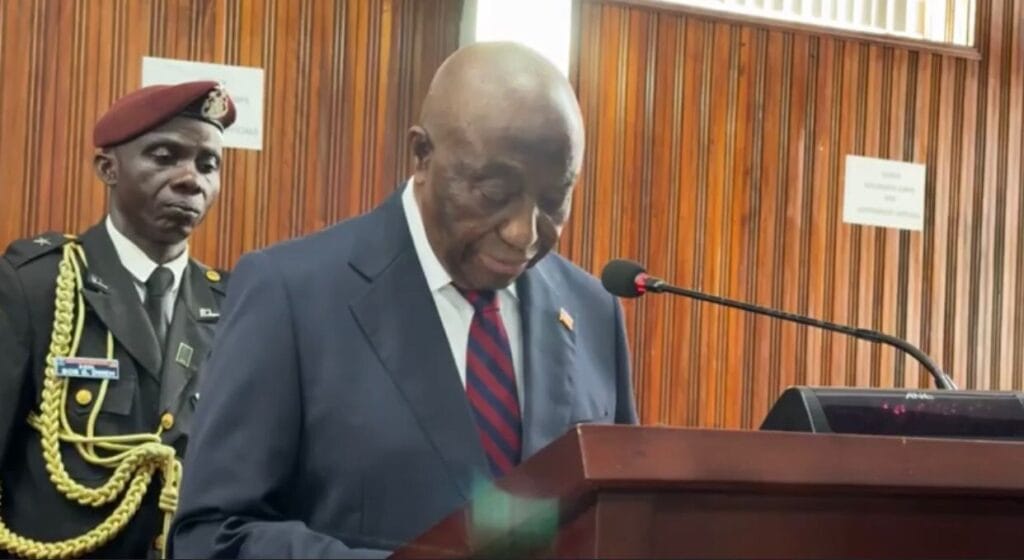
In his official communication to the Legislature, President Boakai described the bill as a national obligation to safeguard the dignity, rights, and health of all Liberians — particularly women and children who, he said, remain vulnerable to “practices that have long undermined their well-being.”
He emphasized that the measure aims to prohibit female circumcision (FGM), child marriage, and other traditional practices that violate Liberia’s commitments under international treaties such as the Convention on the Rights of the Child (CRC), the Convention on the Elimination of All Forms of Discrimination Against Women (CEDAW), and the Maputo Protocol.
“This legislation underscores our determination to ensure that no tradition, however longstanding, should compromise the health, safety, and rights of Liberian citizens,” the President wrote. “Its passage will mark a significant step toward advancing good governance, protecting human rights, and enhancing Liberia’s international reputation as a country committed to justice and equality.”
The bill also proposes a six-month transitional period before enforcement begins — during which the government would launch nationwide awareness campaigns, engage traditional and religious leaders, and facilitate community dialogues aimed at promoting understanding and compliance.
Lawmakers Push Back: ‘Our Culture Is Not Harmful’
Despite the President’s assurances, several lawmakers have expressed outrage, describing the bill as an attempt to “Westernize” Liberia’s traditional values.
Representative Gizzie Kollince of Lofa County District #4 was among the most outspoken critics, questioning what he called the hypocrisy of Western nations.
“Why can’t they call homosexuality, transgenderism, and body tattoos harmful — instead of targeting our culture?” he fumed. “We will openly campaign against the passage of this bill.”
Similarly, Representative James Kolleh of Bong County District #2 argued that Liberia’s traditions form the moral and social backbone of the nation.
“Our culture provides a sense of belonging, continuity, and community. We cannot allow external influences to dictate how we live,” he said.
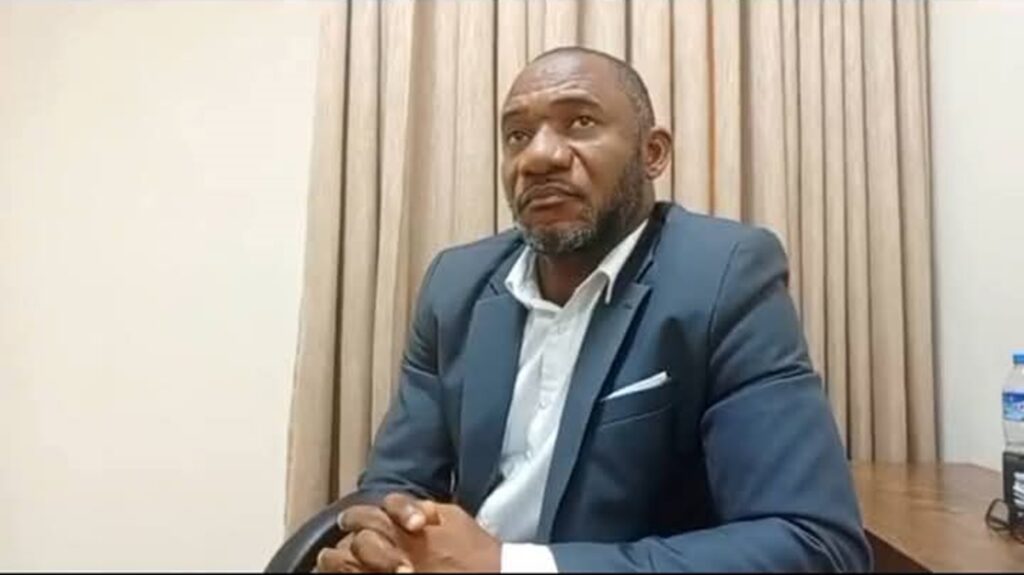
Echoing those sentiments, Representative Luther Collins of Gbarpolu County described the proposed law as a “condemnation of Liberian heritage,” warning that it could alienate rural communities for whom traditional rites remain sacred.
Supporters Defend the Bill: ‘Culture Should Never Harm’
However, other lawmakers, particularly women, have strongly defended the President’s position. Representative Moima Briggs-Mensah urged her colleagues to strike a balance between preserving cultural identity and protecting human dignity.
“Cultural preservation must never come at the expense of human life or dignity,” she said. “Some of these practices cause lifelong trauma and violate international human rights principles. We must have the courage to evolve.”
Civil society groups and women’s rights advocates have also rallied behind the President. According to the United Nations Population Fund (UNFPA), female genital mutilation (FGM) affects over 38% of Liberian women aged 15–49 — with rates reaching 70% in some rural counties.
FGM, traditionally performed by members of the Sande Society as a rite of passage into womanhood, can result in severe medical complications, including hemorrhage, infections, infertility, and even death.
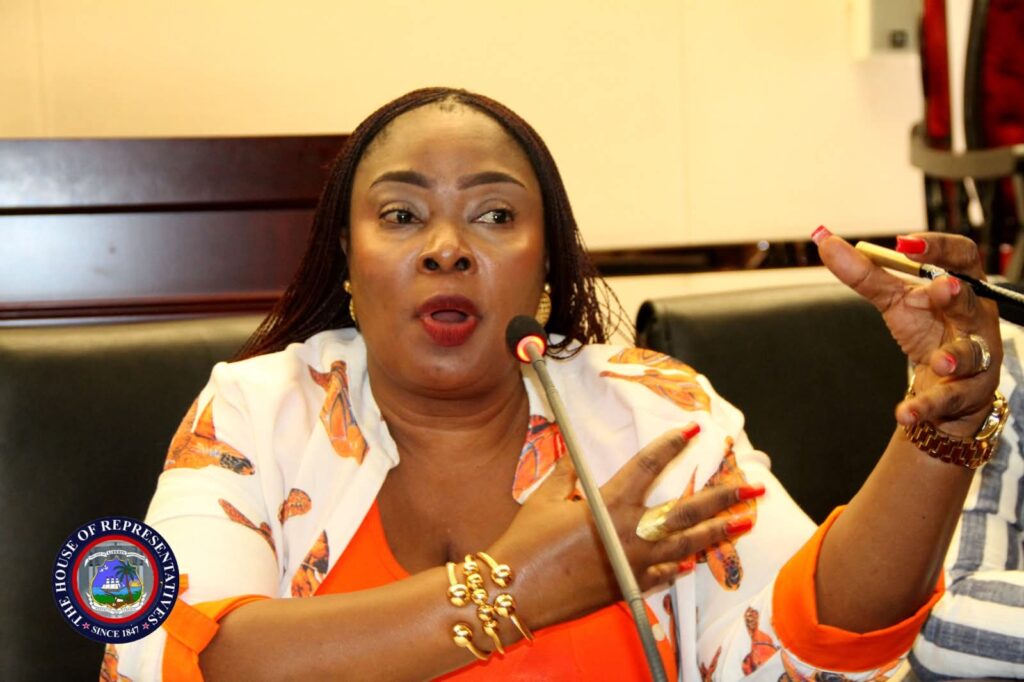
While a 2018 Executive Order banned FGM for minors, Liberia still lacks a comprehensive law criminalizing the practice — a gap President Boakai’s bill seeks to close.
A Political and Cultural Crossroads
The debate has once again laid bare the delicate balance between cultural preservation and human rights reform in postwar Liberia. Many lawmakers fear a political backlash from traditional leaders and rural constituencies who view the bill as a direct assault on cultural sovereignty.
Women’s rights advocates, however, insist that the time for silence is over.
“Liberia cannot claim to uphold human rights while permitting violence against women in the name of culture,” one gender activist in Monrovia told reporters.“President Boakai’s bill is not an attack on tradition — it’s an appeal to conscience.”
The House of Representatives has since referred the bill to its Committees on Gender, Health, Internal Affairs, and Judiciary for further scrutiny. The committees are expected to report back within three weeks with recommendations. As the debate continues, the outcome of this legislation is seen as a litmus test for President Boakai’s reform agenda — and for Liberia’s readiness to confront centuries-old traditions in pursuit of a more equitable future.