-Status Quo Order Stands Pending Ruling; Rev. Langama Says No Functioning Council Existed and the Book of Discipline Guided the October 21 Actions
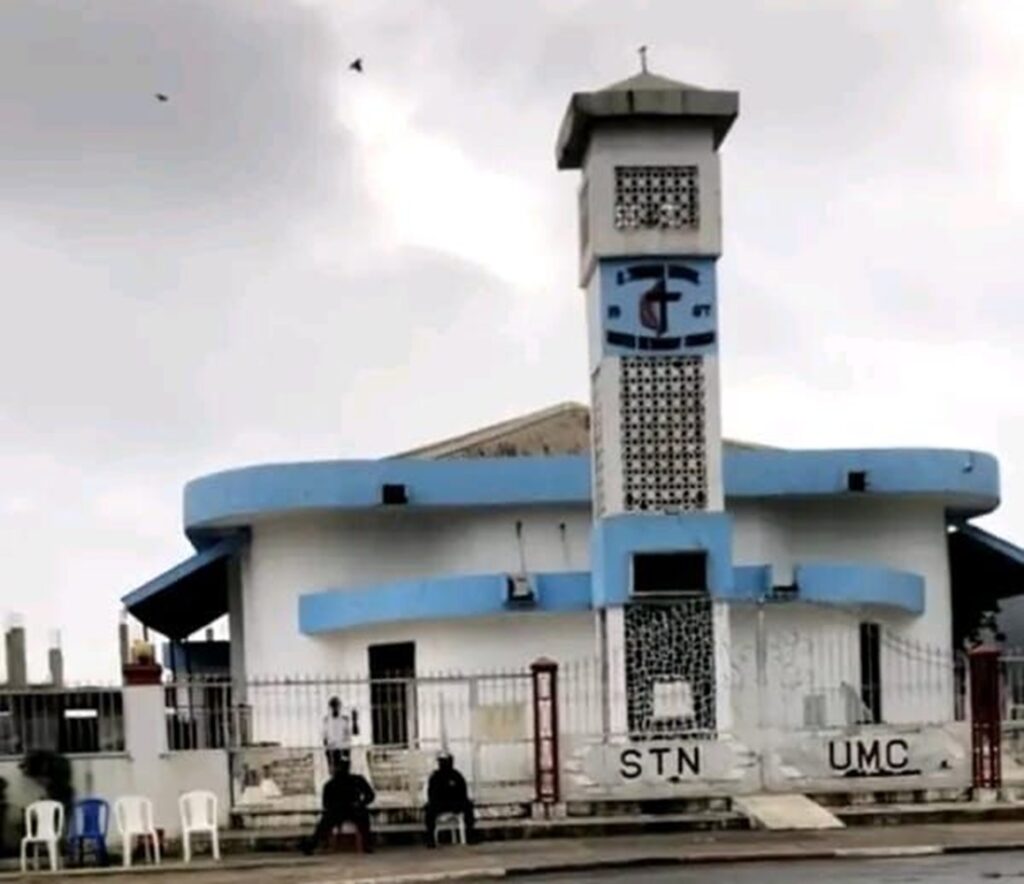
MONROVIA, Liberia — The Stephen Trowen Nagbe United Methodist Church (STN‑UMC) has publicly rejected the United Methodist Church’s 2024 revision redefining marriage in the global Book of Discipline and says it has taken its leadership dispute to court, while the Monrovia District Superintendent, the Rev. Charles E. Langama, counters that an interim leadership was duly installed by a charge conference to stabilize and reconcile the congregation.
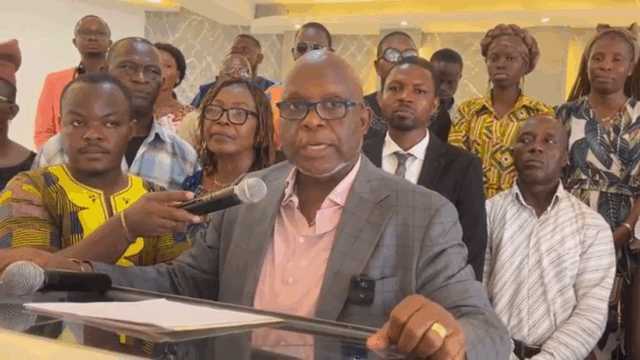
In a position statement issued Nov. 7, 2025, STN‑UMC said the UMC’s new Paragraph 162.D—which defines marriage as a covenant between “an adult man and woman of consenting age, or two adult persons of consenting age”—is “unbiblical” and inconsistent with Liberia’s laws recognizing marriage only between a man and a woman. Father Cooper Y. Toma, who read STN’s statement cited Genesis 2:24; Matthew 19:4–6; Romans 1:26–27; and Leviticus 18:22, and added that they had filed a declaratory judgment action in Civil Law Court to protect freedom of worship and conscience.
STN said the court on Aug. 5, 2025, ordered the parties to “return to status quo ante” pending a final ruling. The congregation alleges that, despite that order, the Monrovia District convened a “Property Charge Conference” on Oct. 21 to remove its elected leaders and install an interim administration—an action STN calls “unlawful” and refuses to recognize.
STN Had No Functioning Council; October 21 Charge Conference Named Interim Leaders under Book of Discipline
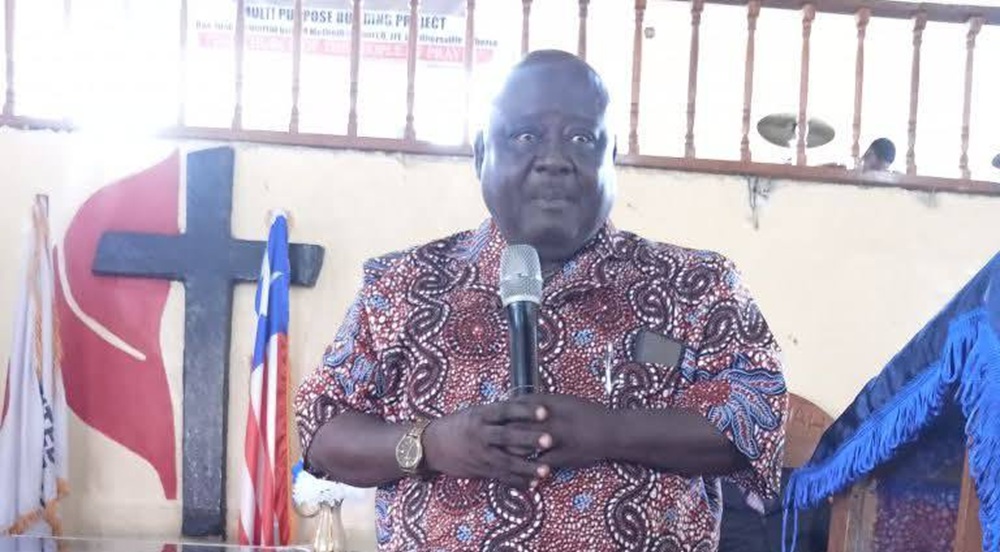
In an interview, the Monrovia District Superintendent, Rev. Charles E. Langama, said Stephen Trowen Nagbe UMC “had no functioning council,” so at the UMC’s second Charge Conference, which he chaired on October 21, 2025, an interim leadership team was appointed for the STN. He said the action was in line with the United Methodist Church’s Book of Discipline (its governance rules) and was intended to stabilize and reconcile the congregation. According to Rev. Langama, the prior leadership associated with Father Toma had already expired.
“Brother Cooper Toma is talking about a council at STN. There has been no council at STN. They just took unto themselves authority that they don’t have,” Rev. Langama said. “In the UMC there must be a Council chairperson who calls, chairs meetings and steers the affairs. But there was no chairperson until recently when the October 21, 2025 Charge Conference put in place one there along with a new corps of leaders.”
He said the interim leadership is headed by “Father Conmany Wesseh,” and was created “to steer the affairs of [the] congregation of STN in order to reconcile the congregation,” adding that it was done “in line with [the] Book of Discipline, which is [the UMC’s] governance document worldwide.” He urged “Brother Toma and others to cooperate with the interim leadership for the betterment of the Church.”
STN’s Position and Court Posture
STN‑UMC maintains that its leaders elected at the 2024 Charge Conference remain lawful pending a “proper, transparent, and biblically guarded process” after the court’s final ruling, and cautioned the public “not to transact or engage with any purported interim leadership.” It accused the district of “contradictions” for publicly opposing same‑sex marriage in Liberia while recognizing the 2024 Book of Discipline’s global redefinition that, in STN’s view, “opens the door for same‑sex unions.”
Global Context on UMC Marriage and Regional Stance
At the UMC General Conference in 2024, delegates approved measures removing long‑standing bans on same‑sex weddings by clergy (where civil law permits) and on ordaining “self‑avowed practicing homosexuals,” and advanced “regionalization” to allow broader contextual decision‑making outside the United States. Many African UMC leaders have said they will not conduct same‑sex weddings in their countries; Liberia does not recognize same‑sex marriage in law. STN argues the revised text itself conflicts with its doctrinal stance and Liberia’s statutes.
What’s Next
- Court: The Civil Law Court’s status‑quo order remains in force pending a declaratory ruling on the congregation’s rights and the parties’ actions since August.
- Church governance: STN rejects the Oct. 21 changes as unlawful; Rev. Langama insists the Charge Conference followed the Discipline to restore a functioning leadership and reconcile the congregation.
- Appeals for restraint: STN appealed to national church leaders to “return to the biblical foundation,” and to government, the Liberia Council of Churches, and the public for protection of constitutional rights and against misinformation.
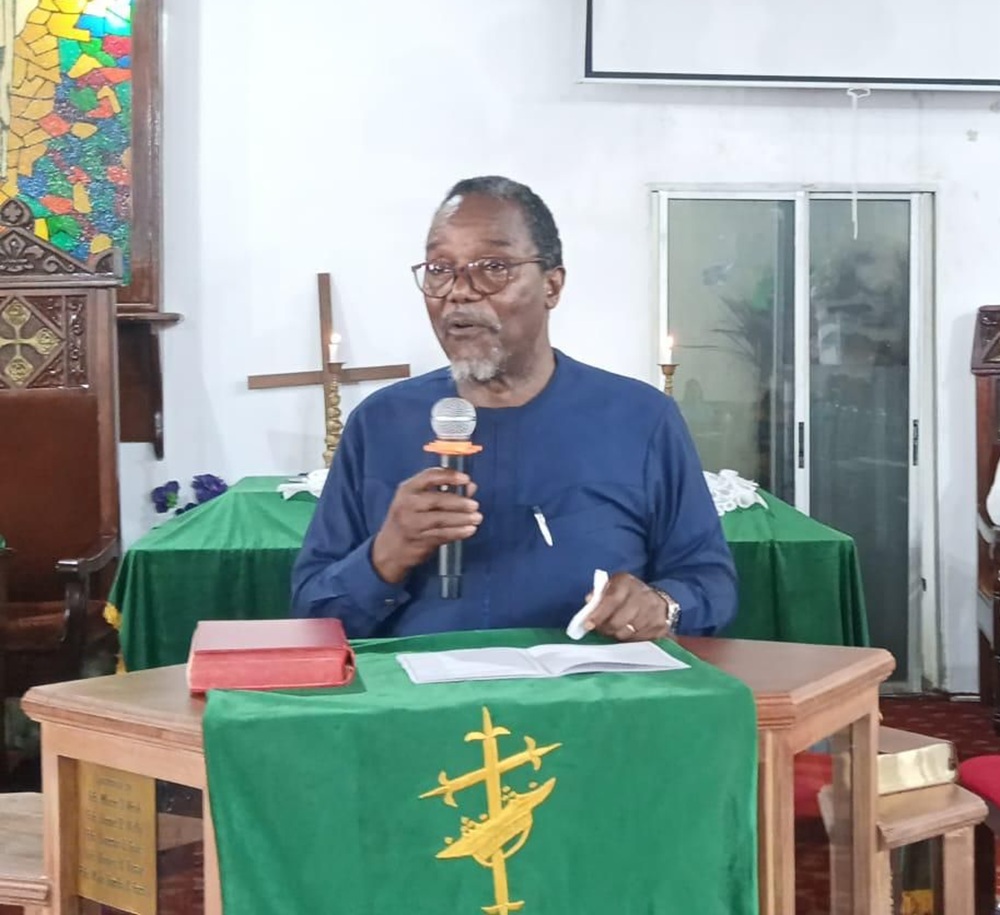
“We shall continue to worship peacefully, uphold lawful orders, and trust in God’s justice,” the STN said in their statement, read by Father Cooper Y. Toma, STN Lay Leader, said. Rev. Langama said the interim team stands ready to work with all members: “This was done to reconcile and move the church forward under our Discipline.”
The Liberia Annual Conference and the bishop’s office had not issued a formal statement on the specific Oct. 21 actions at press time. The dispute underscores the tension between global denominational shifts on marriage and local congregations’ doctrinal and legal context in Liberia.