-Liberia’s Ex-president and Ballon d’Or Winner, now on FIFA’s Anti‑racism Players’ Panel, Calls Discrimination “A Blight on Human Conscience” as Infantino Outlines Tougher Sanctions and Education Push
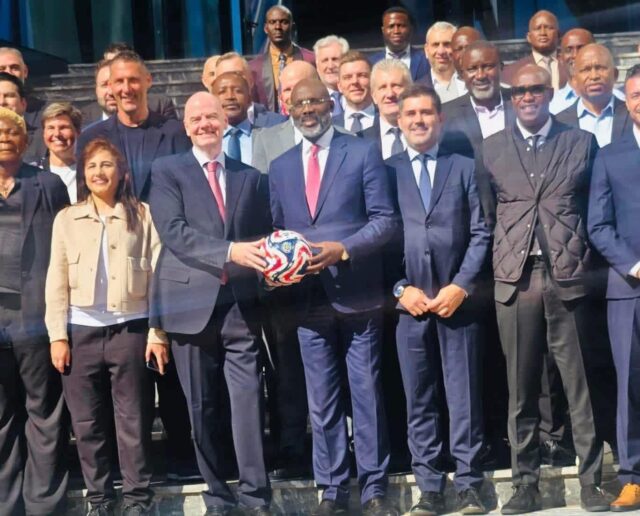
RABAT, Morocco — George Weah and FIFA President Gianni Infantino met Friday in Rabat with current and former players to advance FIFA’s drive against racism and discrimination, using the platform of youth tournaments in Morocco and Qatar to push a coordinated, player‑led response.
“On behalf of the ‘Legends’, my fellow panelists, I would like to extend deepest thanks and appreciation to you, Gianni Infantino, President of FIFA, for giving us this important opportunity to serve on this panel in fighting racism and discrimination in this beautiful game,” Weah said, noting his new service on FIFA’s Players’ Panel on Racism and Discrimination. Quoting Nelson Mandela, he added: “Racism is a blight on human conscience. We all must work to eliminate this disease from our beautiful game, on and off the pitch.”
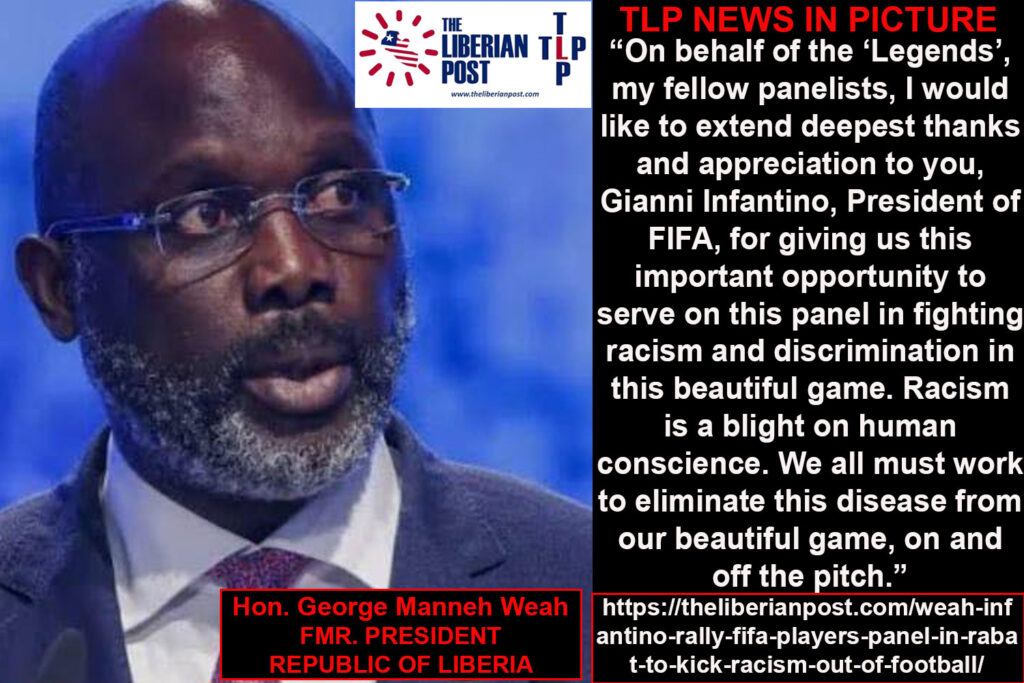
Weah said those on the panel “have personally experienced racism during our own careers,” and warned of its “profoundly damaging” impact on players, fans and the sport itself. “We must build upon the current efforts of FIFA, the various federations, our partners in government and civil society, and find new and innovative solutions,” he said, urging continued work “as humanity depends on all of us to succeed.”
Infantino praised the player‑led effort and said action must match words. “Only as a team we can win,” he told the gathering. “We have been talking enough, now we have to act.” He said FIFA has “changed our disciplinary code, increased, of course, the sanctions” and expanded “education programs at competitions, but also more generally in schools,” framing these steps as part of a wider process “to defeat racism and discrimination.”
The FIFA president said the panel—launched after last year’s FIFA Congress—was created “to raise the voice and to speak up, because this is the first step to really come to a definite solution,” and urged sustained messaging at the FIFA youth tournaments now underway. “You have an impact by addressing the girls and the under‑17s, the boys and the under‑17s, the world, with our words and our actions,” he said. “Let’s continue the great work, and let’s work together as a team. Let’s win this World Cup. This is the World Cup we all want to win.”
Women’s players on the panel recounted conversations with girls about stereotypes, access and dignity in the game. “Being a female footballer does not make you feel less than yourself as a woman,” one said, describing how telling their stories “opened eyes” and built confidence to speak up and report incidents. Another added: “Football must be for everybody… we must do something as a player, as a planet, to be and to feel safe.”
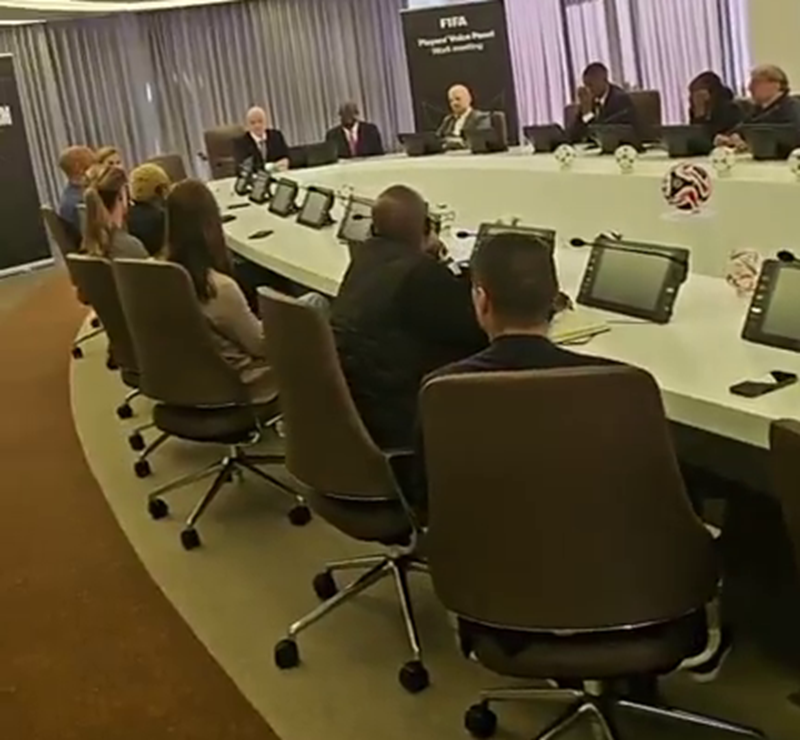
Panel members said they delivered a structured anti‑racism message to boys’ squads as well, including where to report abuse and how to find support. They agreed to reconvene online, keep engaging at youth competitions in Doha and Rabat over the next four years, and coordinate with federations so “money in football stays in football” rather than duplicating projects.
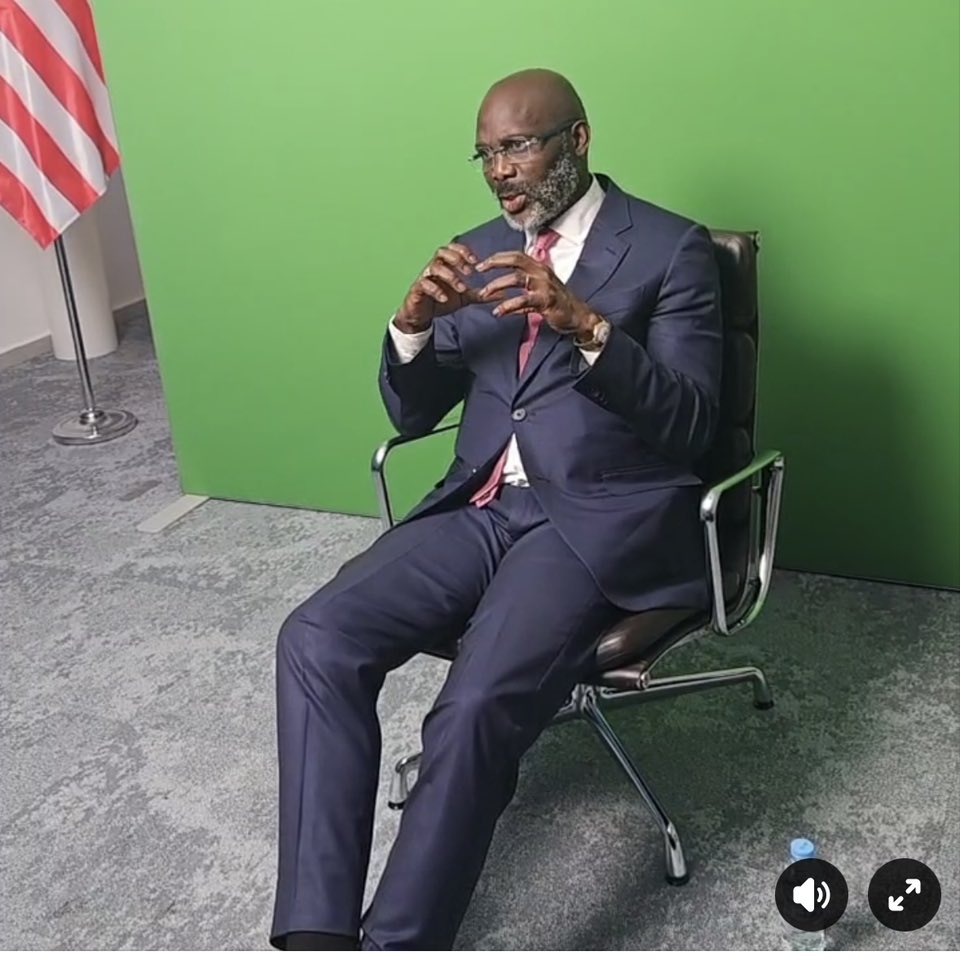
Weah, Africa’s only Ballon d’Or winner and a former Liberia president, used the session to urge engagement beyond stadiums. He told colleagues the panel should “sensitize governments and… touch base with communities,” pairing football’s platform with broader civic partners to sustain change.
“We strive to kick racism out of the beautiful game—for the good of the game, and for humanity,” Weah said. “It is a proud moment working with all of you together.”