MONROVIA – In a significant milestone for Liberia’s fiscal policy, President Joseph Nyuma Boakai, Sr. submitted the Draft National Budget for Fiscal Year 2026, totaling a remarkable US$1.21 billion.
This ambitious budget aims to bolster the country’s domestic revenue generation and stimulate development across various sectors.
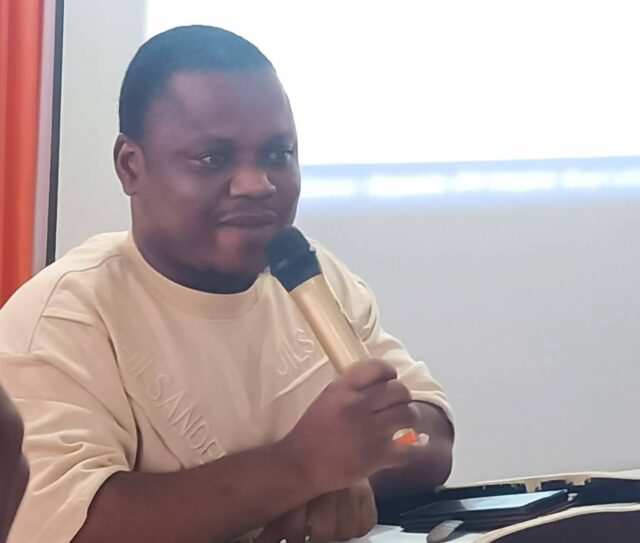
Commenting on the National budget through his official Facebook page, a Anderson Miamen, Executive Director of the Center for Transparency and Accountability in Liberia (CENTAL), expressed both optimism and concern regarding the implications of this financial plan for ordinary Liberians.
“Thanks to the Liberian Government for achieving this milestone to move our national budget to a billion,” Miamen stated acknowledging the long-awaited advancement in the nation’s budgeting process.
However, he underscored the necessity for the Liberia Revenue Authority and other government institutions to receive adequate funding to effectively raise the domestic revenues needed to support this ambitious budget.
Miamen highlighted the critical questions that remain unanswered as Liberia embarks on this new fiscal chapter.
“Will the increased budget significantly impact ordinary citizens, or will just the usual suspects unduly benefit at the expense of the vast majority of the population?” he challenged.
The Executive Director also raised concerns about the working conditions of civil servants, law enforcement officers, and the police. “Will their situation improve, or will we see no change?”
The historical budget was formally presented to House Speaker Richard Nagbe Koon by Finance and Development Planning Minister Augustine Kpehe Ngafuan on behalf of President Boakai. According to the details released, domestic revenue accounts for US$1.13 billion, which is 94% of the total budget, while external resources stand at US$72 million, or 6%.
Key domestic revenue projections include tax revenue of US$726.97 million, non-tax revenue of US$83.92 million, and a significant sign-on bonus of US$200 million from Mittal.
In alignment with the Administration’s ARREST Agenda, which focuses on key areas for national development, the proposed budget allocates approximately US$280 million to projects under the Public Sector Investment Plan (PSIP).
Targeted sectors for this investment include Agriculture, Roads, Rule of Law, Education, Sanitation, and Tourism, all crucial for driving economic growth and improving living standards.
As the budget moves through the legislative process, all eyes will be on how effectively the government can implement its proposals and ensure that the benefits reach all Liberians, particularly those in vulnerable positions.
CENTAL remains committed to advocating for transparency and accountability as this critical fiscal plan unfolds. The national dialogue surrounding this budget is just beginning, and Miamen’s call for scrutiny reflects the hopes and anxieties of many Liberians who seek assurance that this financial moment will usher in real change for ordinary citizens.