–At WAPCCO Meetings, Liberian Police Boss Frames Regional Policing Alliance as Cornerstone of National Safety, Pledging Continuous Collaboration with Sierra Leone
FREETOWN, Sierra Leone – Liberia’s Inspector General of Police, Gregory O. W. Coleman, has led a high‑profile security mission to neighboring Sierra Leone, culminating in the signing of a Memorandum of Understanding (MoU) designed to tighten cross‑border cooperation against transnational crime, narcotics trafficking, and other regional security threats.
The visit, which coincides with the West Africa Police Chiefs Committee (WAPCCO) engagements in Freetown, has included meetings with Sierra Leone’s President Julius Maada Bio, Vice President Mohamed Juldeh Jalloh, and Inspector General of Police William F. Sellu, as well as bilateral technical talks between the Liberia National Police (LNP) and the Sierra Leone Police (SLP).
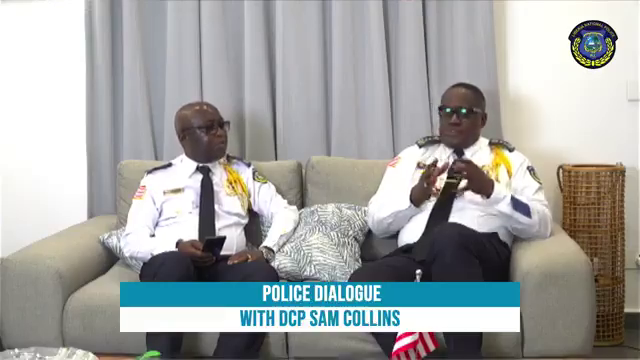
In an interview on the LNP’s flagship program “Police Dialogue” ahead of the high-profiled meeting, IGP Coleman framed the mission as part of a deliberate shift toward deeper regional security integration.
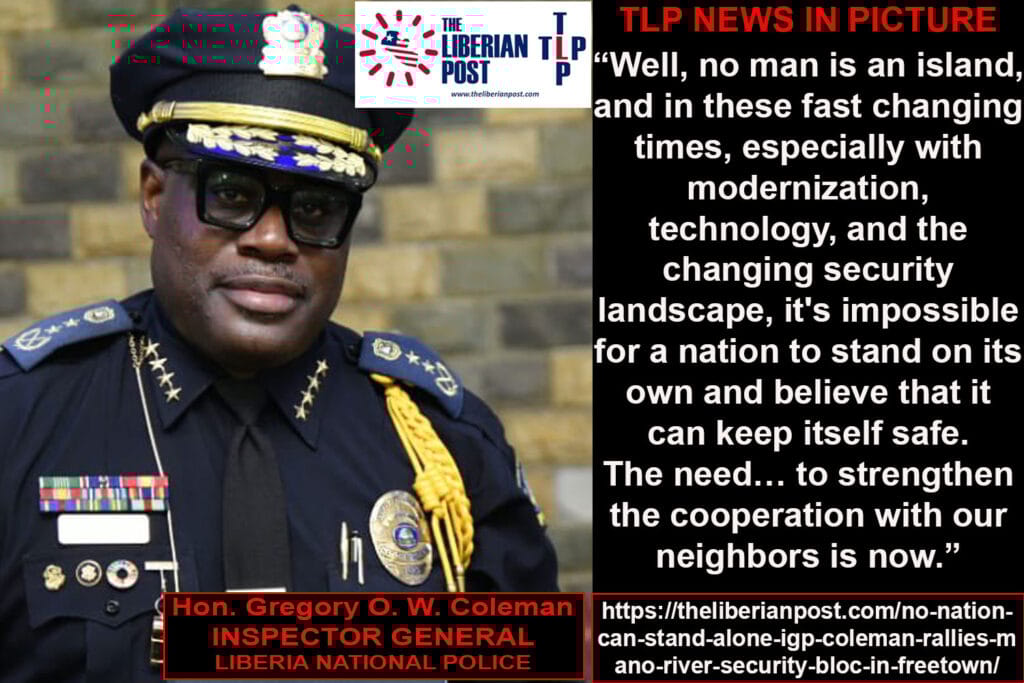
“Well, no man is an island, and in these fast‑changing times, especially with modernization, technology, and the changing security landscape, it’s impossible for a nation to stand on its own and believe that it can keep itself safe,” Coleman said.
“The need… to strengthen the cooperation with our neighbors is now.”
Honored Welcome in Freetown
Coleman and his delegation arrived in Sierra Leone on November 17 and were received with what he described as a “warm welcome” by Sierra Leonean authorities.
Posting on his official Facebook page, the Police IG wrote: “Honored by the warm welcome received upon our arrival in Sierra Leone ahead of the West Africa Police Chiefs Committee (WAPCCO) engagement… This gathering brings together the Police Chiefs of Liberia, Sierra Leone, and The Gambia to strengthen regional cooperation, deepen intelligence sharing, and advance our collective efforts toward enhancing security across West Africa.”
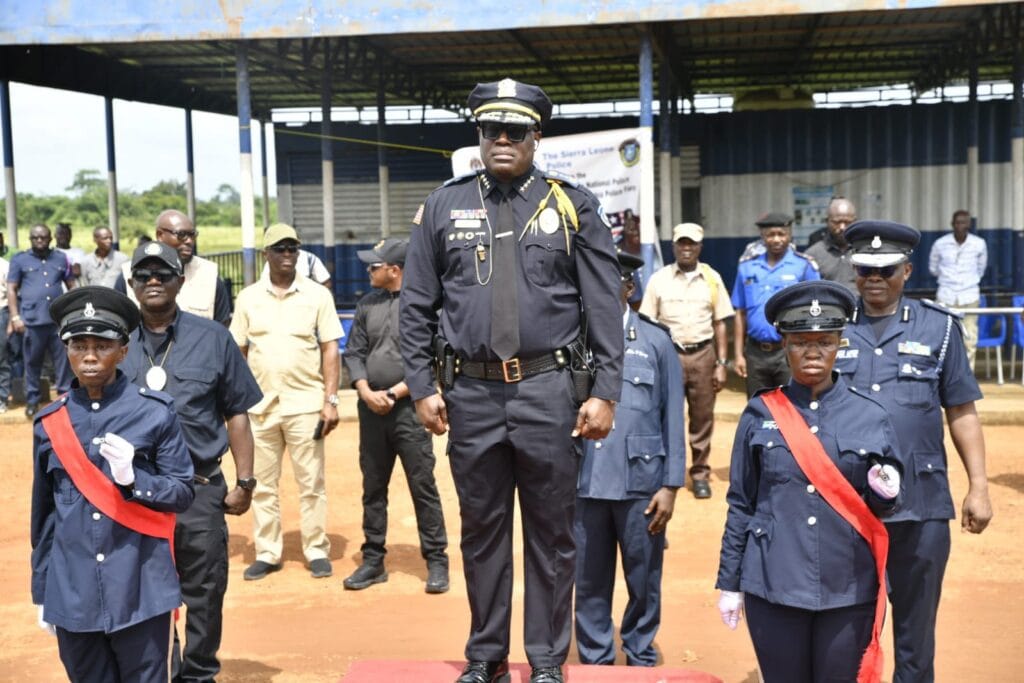
He later reported a “brief yet fruitful chat” with his Sierra Leonean counterpart, IG William F. Sellu, noting that their conversation focused on “matters of mutual interest to our nations and the broader West African region.”
High‑Level Meetings With President Bio and Vice President Jalloh
The Liberian delegation’s visit quickly moved to the highest levels of the Sierra Leonean government.
In a post made after one of the key engagements, Coleman disclosed that he had met President Julius Maada Bio:
“Earlier today, we had the honour of meeting H.E. President Julius Maada Bio of the Republic of Sierra Leone.
Our brief engagement provided an opportunity to acknowledge the long‑standing ties between our institutions and to express mutual respect as we participate in this week’s WAPCCO activities.”
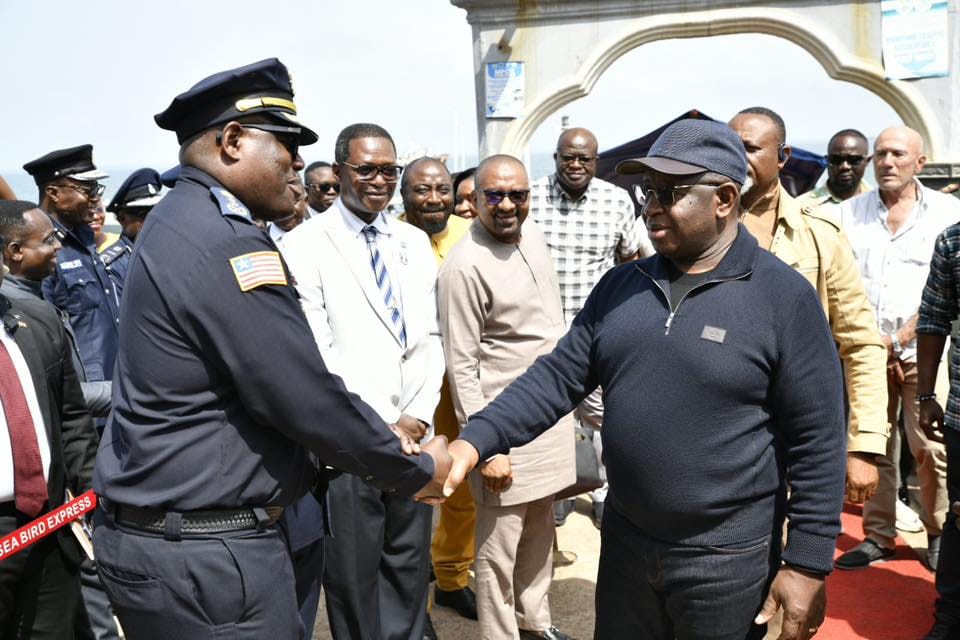
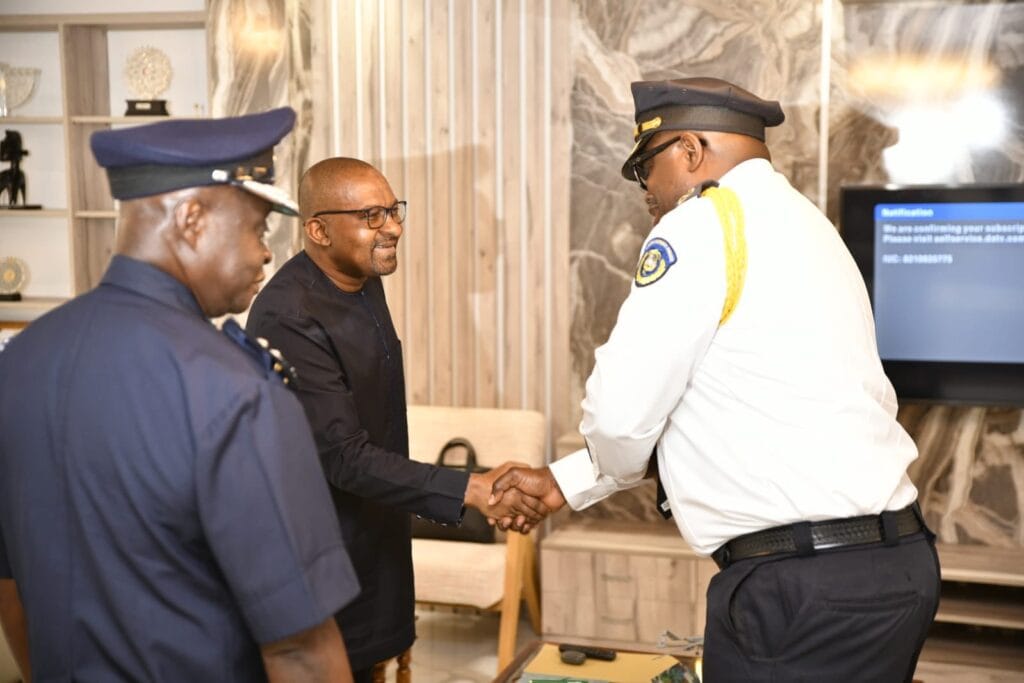
Later, the delegation paid a courtesy call on Vice President Mohamed Juldeh Jalloh.
“Our discussion was constructive and centered on shared security priorities, regional stability, and our collective responsibility to strengthen cooperation within the sub‑region,” Coleman recounted.
“Meetings like this reinforce the strong partnership between our two nations as we continue working toward a safer and more secure West Africa.”
MoU Targets Human Trafficking, Drugs and Transnational Crime
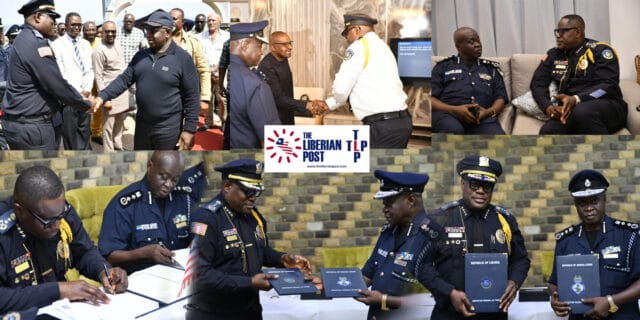
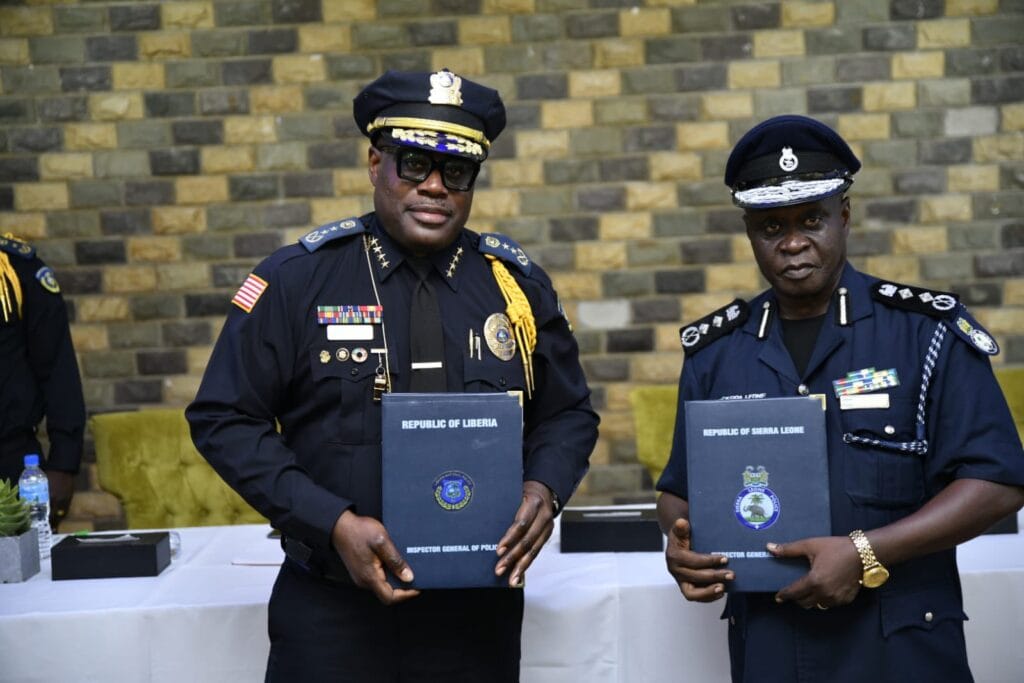
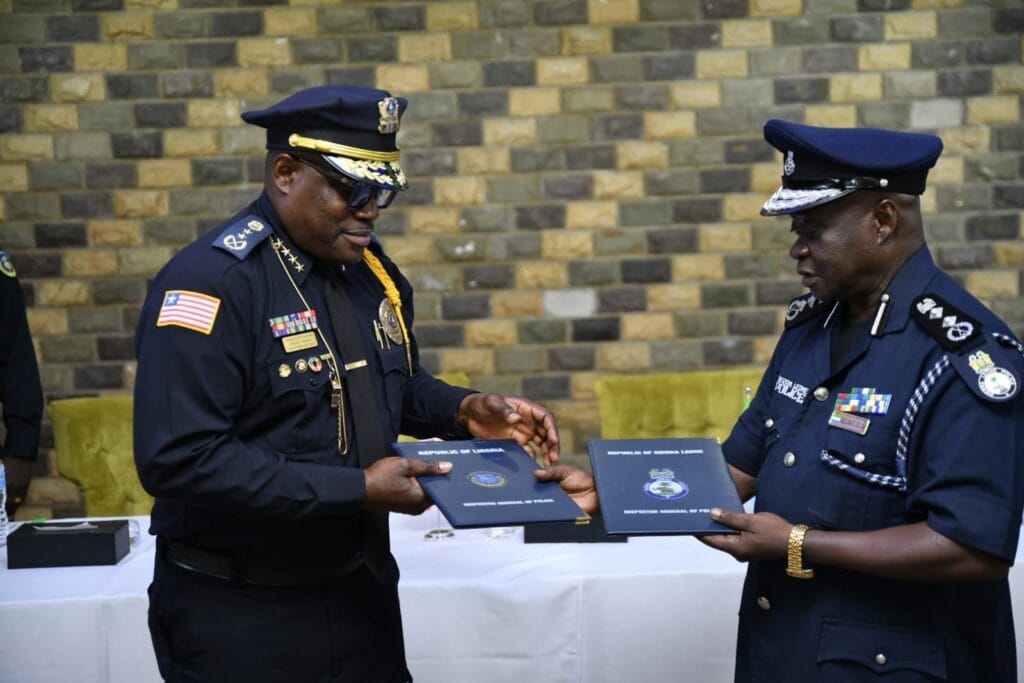
A major outcome of the mission is the signing of a Memorandum of Understanding between the Liberia National Police and the Sierra Leone Police, formalizing cooperation in several critical areas.
Announcing the agreement on social media, IGP Coleman said:
“Today, we signed a Memorandum of Understanding with the Sierra Leone Police to strengthen our joint efforts in promoting peace, security, and professional policing within the Mano River region.
This agreement establishes a structured framework for cross‑border cooperation, intelligence sharing, joint training, and coordinated action against human trafficking, drug trafficking, and other forms of transnational crime.”
He stressed that as “sister republics,” Liberia and Sierra Leone share a responsibility to protect their citizens and build “safer, more resilient communities.”
Focus on Transnational Crime and Narcotics Networks
Speaking on “Police Dialogue” on November 18, Coleman explained that the Freetown engagements are part of a broader bilateral initiative initially conceived to include Guinea and The Gambia as well, under the umbrella of the Mano River Union (MRU) and ECOWAS.
“Our mission here in Sierra Leone today is to first and foremost honor the request of the Sierra Leonean government through the Inspector General of Police for a bilateral engagement that should have been between the governments of Guinea, The Gambia, and Liberia,” he said. “Unfortunately, both IGPs of Guinea and The Gambia could not be here at this point in time, but tomorrow the session will continue with Liberia and Sierra Leone.”
Coleman said key talks are centered on dismantling transnational criminal networks operating across the Liberia–Sierra Leone border and beyond.
“Some of what we’re going to be discussing is the transnational crime network operating, affecting both our nations,” he noted.
“How can we cooperate further beyond just information sharing, but by mutual operational activities and enhanced cooperation to be able to pick up some of these criminals and ultimately destroy their networks?”
He emphasized that narcotics trafficking is currently “at the center point of our transnational crime network,” adding that ongoing operational activities will prioritize drug smuggling routes, money flows, and the criminal structures behind them.
Learning From Each Other’s Security Reforms
The Liberian Police Chief also highlighted the mutual learning component of the trip, drawing parallels between security sector reforms in both countries.
“How can we learn from each other? We went through a security sector reform with the help of the world, and we’ve learned some good lessons. We’ve had some successes,” he said of Liberia’s post‑war police reform.
“They’re going through a reform from force to service as well. So, what are those things that we could share? What are things that we could pick up from here as well?”
He said these exchanges would be “continuous discussions” aimed at improving training, accountability, and community‑oriented policing practices in both Liberia and Sierra Leone.
WAPCCO Platform and the Bigger Regional Picture
Coleman’s mission is taking place under the umbrella of the West Africa Police Chiefs Committee (WAPCCO), a key ECOWAS security platform that brings together national police leaders to coordinate on cross‑border threats, from trafficking and terrorism to cybercrime and organized crime.
“This gathering brings together the Police Chiefs of Liberia, Sierra Leone, and The Gambia to strengthen regional cooperation, deepen intelligence sharing, and advance our collective efforts toward enhancing security across West Africa,” he wrote upon arrival.
Security analysts say closer cooperation between Monrovia and Freetown is particularly important given the porous border, shared histories of civil conflict, and recurring concerns over cross‑border movements of drugs, weapons, and criminal elements.
Coleman echoed that logic, arguing that Liberia’s safety is now inseparable from broader regional dynamics.
“Engagement first within the Mano River Union, and by extension ECOWAS and the rest of the world, is quite necessary for fostering a safer Liberia,” he told Police Dialogue. “It’s impossible for a nation to stand on its own and believe that it can keep itself safe.”
Looking Ahead
With the MoU now signed and WAPCCO deliberations continuing through November 21, both the LNP and SLP are expected to flesh out concrete joint operations, training programs, and intelligence‑sharing mechanisms in the months ahead.
For Coleman, who has been consistently updating the public via social media throughout the trip, the message is one of sustained engagement and shared responsibility.
“We look forward to a successful and productive engagement as we continue working toward a safer and more resilient sub‑region,” he said at the start of the mission.
Whether in cracking drug rings, disrupting human‑trafficking networks, or professionalizing day‑to‑day policing, the success of this new Liberia–Sierra Leone security pact will likely become a key benchmark for how effectively West African states can translate high‑level commitments into protection felt by citizens on both sides of the border.