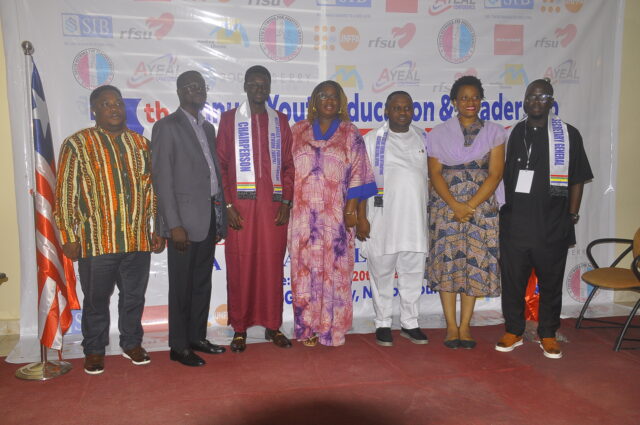
GANTA, Nimba County – The United Nations Population Fund (UNFPA) has sounded a stark warning that unplanned pregnancies and harmful traditional practices are “undercutting” the future of millions of girls across West and Southern Africa, calling for urgent investment in their rights, health and education.
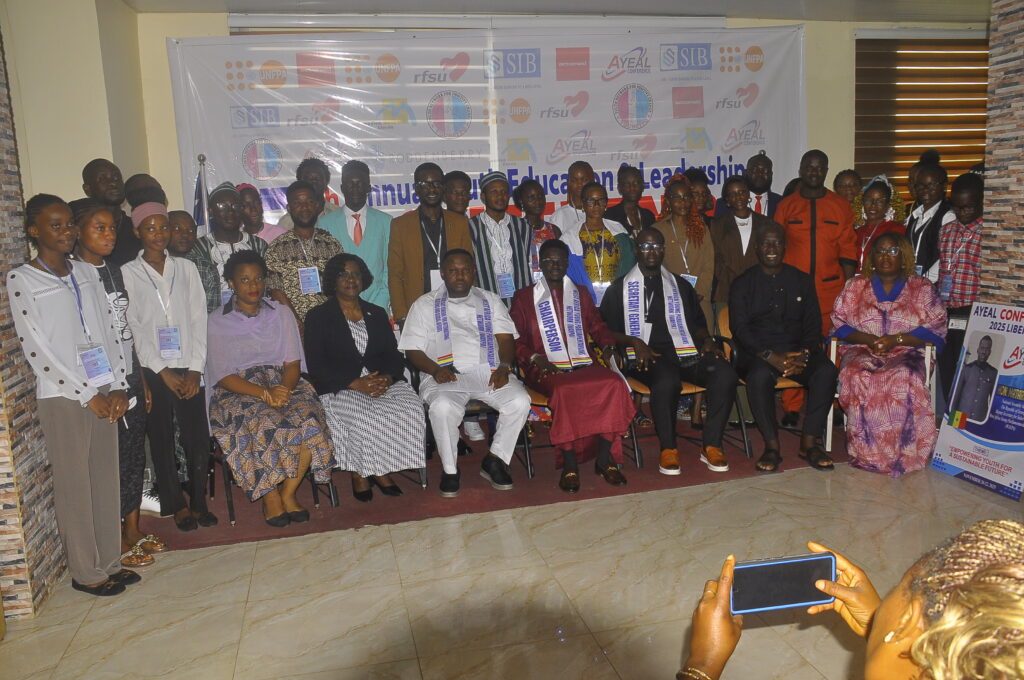
Addressing the 7th Annual Youth Education and Leadership Conference (AYEALC) in Ganta via video link, UNFPA Resident Representative Dr. Mady Biaye said the region’s youth bulge—64% of the population under 25—is a powerful asset, but one that is being undermined by systemic neglect of adolescent girls.
“Over 64% of the population of West and Southern Africa is under 25 years old,” Biaye noted. “But the potential of this youth bulge, especially our adolescent girls, is often undercut by profound challenges. Unplanned pregnancies remain a significant obstacle, forcing countless girls to abandon their education and face a cycle of poverty and vulnerability.”
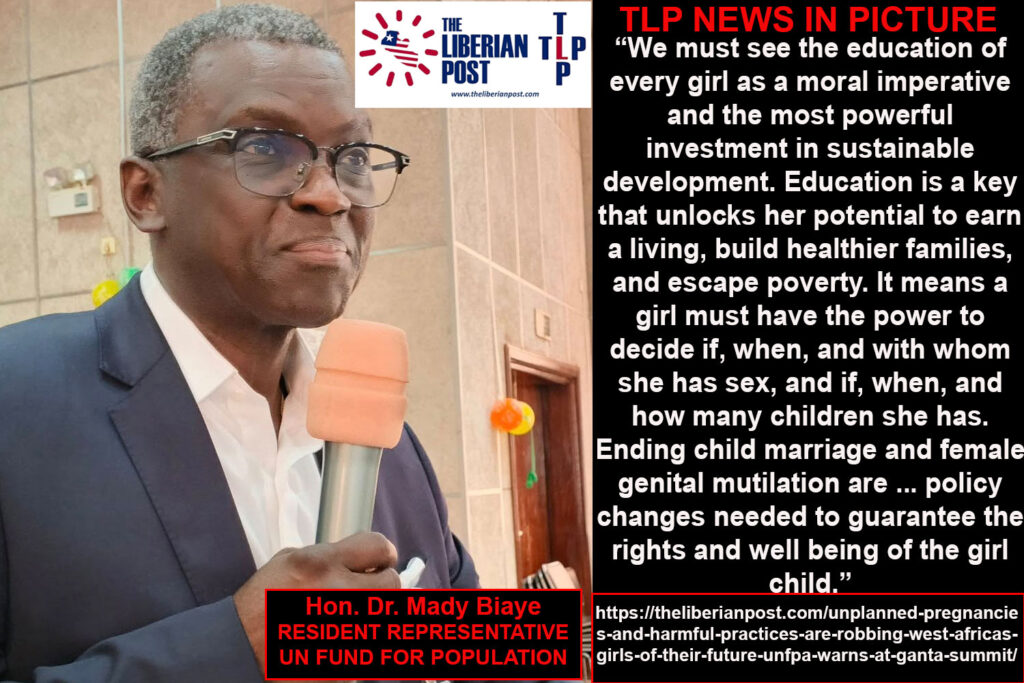
“We must see the education of every girl as a moral imperative and the most powerful investment in sustainable development,” she added. “Education is a key that unlocks her potential to earn a living, build healthier families, and escape poverty.”
‘The Foundation of Empowerment Is Bodily Autonomy’
Dr. Biaye stressed that real empowerment begins with bodily autonomy—the right of every young person, especially girls, to make fundamental decisions about their own bodies, free from coercion, violence and discrimination.
“It means a girl must have the power to decide if, when, and with whom she has sex, and if, when, and how many children she has,” he said. “Ending child marriage and female genital mutilation are part of the legal and policy changes needed to guarantee the rights and well‑being of the girl child.”
He called on governments to ensure comprehensive sexuality education and access to sexual and reproductive health services so girls can prevent early unintended pregnancies and protect themselves from exploitation and abuse.
Youth, Drugs and Harmful Norms
Biaye also linked the crisis facing girls to broader youth issues, including rising drug and substance abuse.
“To tackle the growing drug and substance abuse crisis, we must listen to your voices and support youth‑led innovation and leadership, as you are the architects of your own future and essential change makers for your communities,” she told delegates.
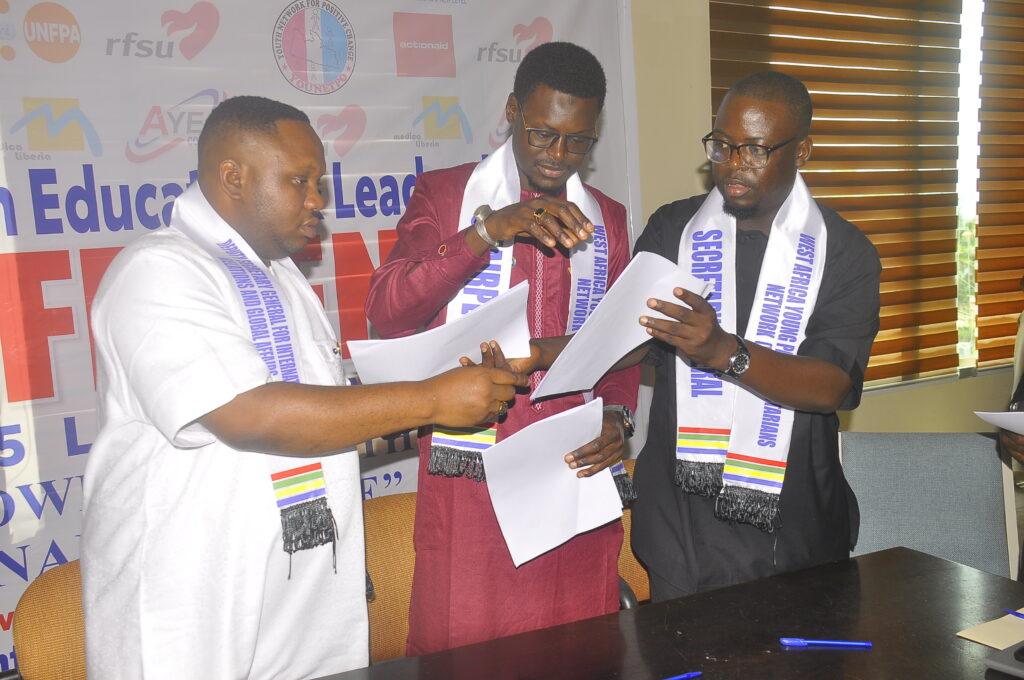
Gambian MP and new WAYPA Chair Rep. Abdoulie Njai reinforced the message, pledging that the network would prioritize health and well‑being, “particularly the sexual and reproductive health rights of young women and girls.”
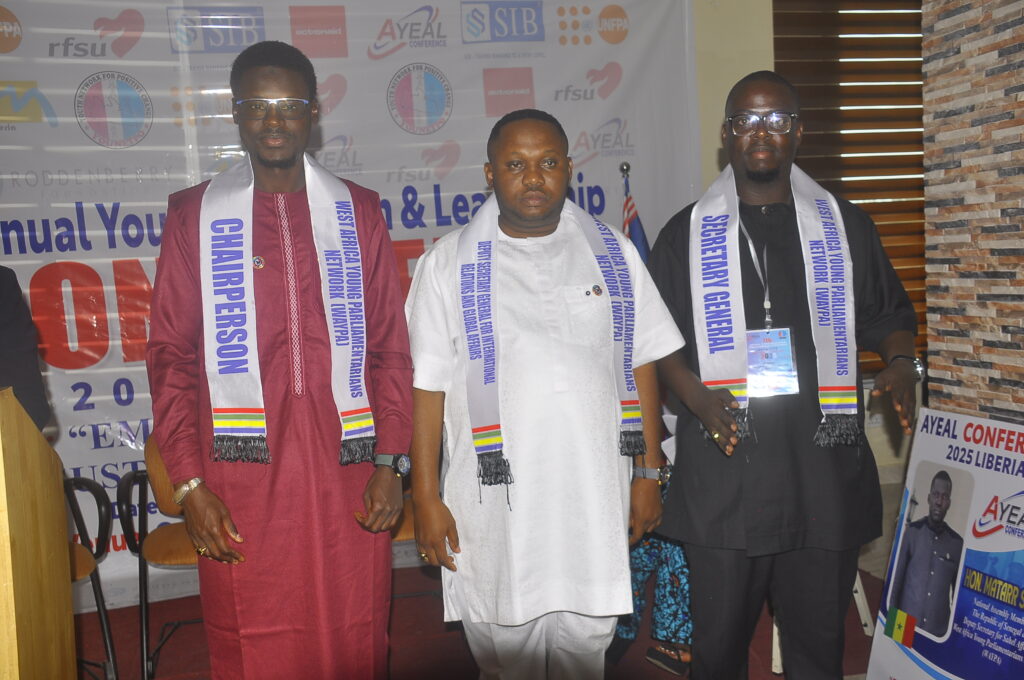
“A healthy youth is the non‑negotiable foundation of a prosperous nation,” Njai said. “We will fight for systems that protect and empower our sisters, not silence them.”
Foreign Ministry: Peace Requires Justice and Inclusion for Girls
Representing Liberia’s Foreign Minister, Ambassador Ethel Davis argued that genuine peace in the region cannot exist where girls’ rights are routinely violated.
“Peace is not merely the absence of conflict,” she said in her keynote address. “Peace is the presence of justice, inclusion, opportunity, and hope. Peace is built when young people are trained, empowered, and trusted with responsibility. Peace is sustained when they are not observers, but architects of national and regional transformation.”
She urged countries to treat girls’ safety, education and participation as core elements of peacebuilding, not as “add‑ons” to security agendas.
Call for Laws, Budgets and Accountability
Dr. Biaye directly challenged ministers and parliamentarians present to act on international and regional commitments.
“You are the custodians of policy,” he told them. “You must translate international and regional commitments such as the ECOWAS Youth Policy and the African Youth Charter from paper to practice.”
The UNFPA Resident Representative urged them to champion laws and budgets that:
- Invest in youth‑friendly, comprehensive health services and education;
- Protect adolescent girls from gender‑based violence, early marriage and harmful practices;
- Create space for meaningful, inclusive youth participation in all levels of decision‑making.
Acting Deputy Youth Minister F. Alphonso Belleh backed the call, saying Liberia’s ARREST Agenda “elevates young people to the center of national and regional development” and must be measured by whether it “empowers young women and men to shape their own destinies.” As Liberia and its neighbors prepare for World AIDS Day and 16 Days of Activism, youth leaders at the Ganta Summit say they intend to use the conference’s advocacy roadmap to press their governments for concrete, time‑bound commitments on girls’ rights and health—warning that failure to act will lock another generation into cycles of poverty and inequality.