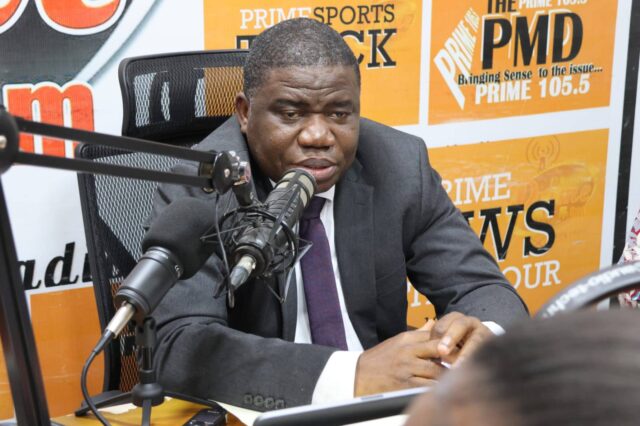
MONROVIA, Liberia – Deputy Minister for Economic Management at the Ministry of Finance and Development Planning (MFDP), Dehpue Y. Zuo, says the FY2026 Draft National Budget of US$1.211 billion marks a decisive shift in Liberia’s fiscal trajectory, branding the Boakai administration and Liberian taxpayers as the country’s new “billion‑dollar generation.”
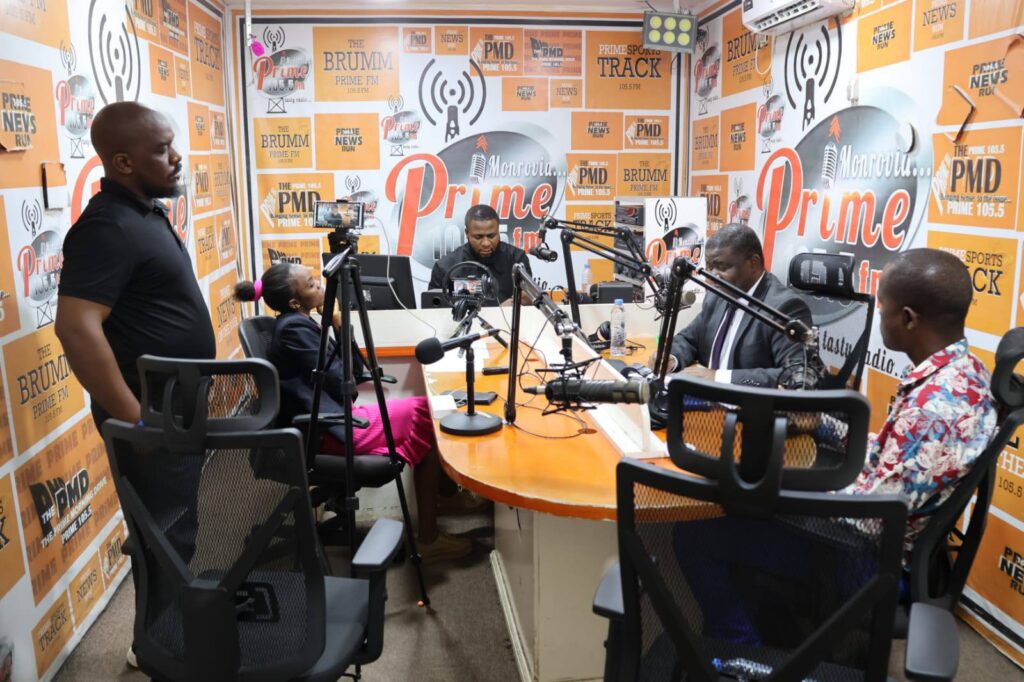
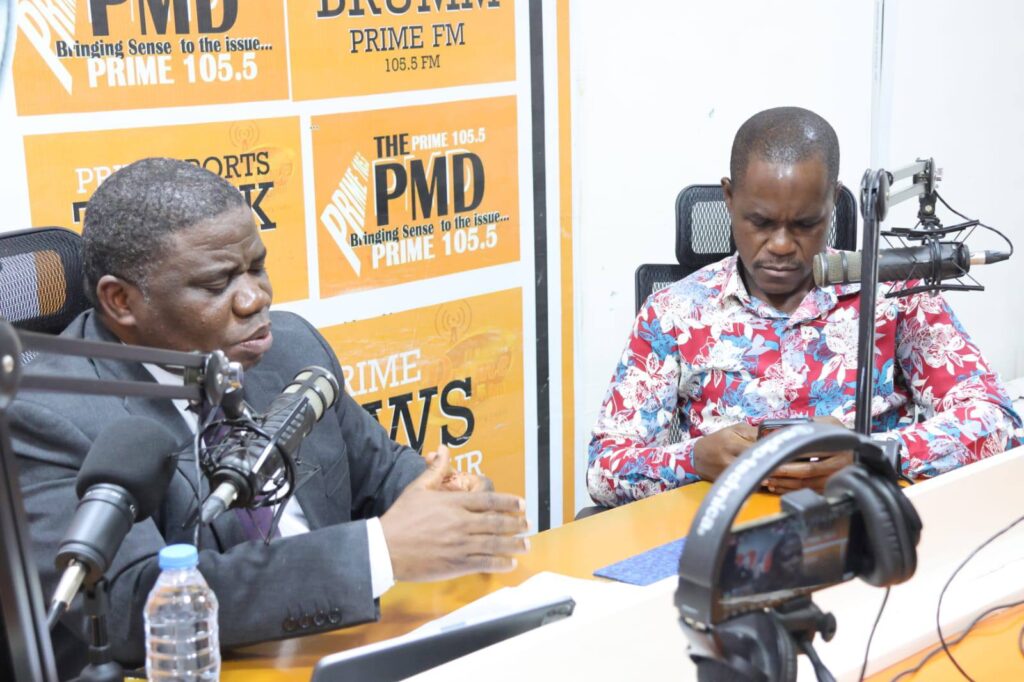
Speaking Wednesday, November 26, on Prime Morning Drive (105.5 FM), Zuo argued that the size and structure of the draft budget reflect growing confidence in Liberia’s economy, improved revenue mobilization, and a conscious effort to align spending with President Joseph N. Boakai’s ARREST Agenda for Inclusive Development.
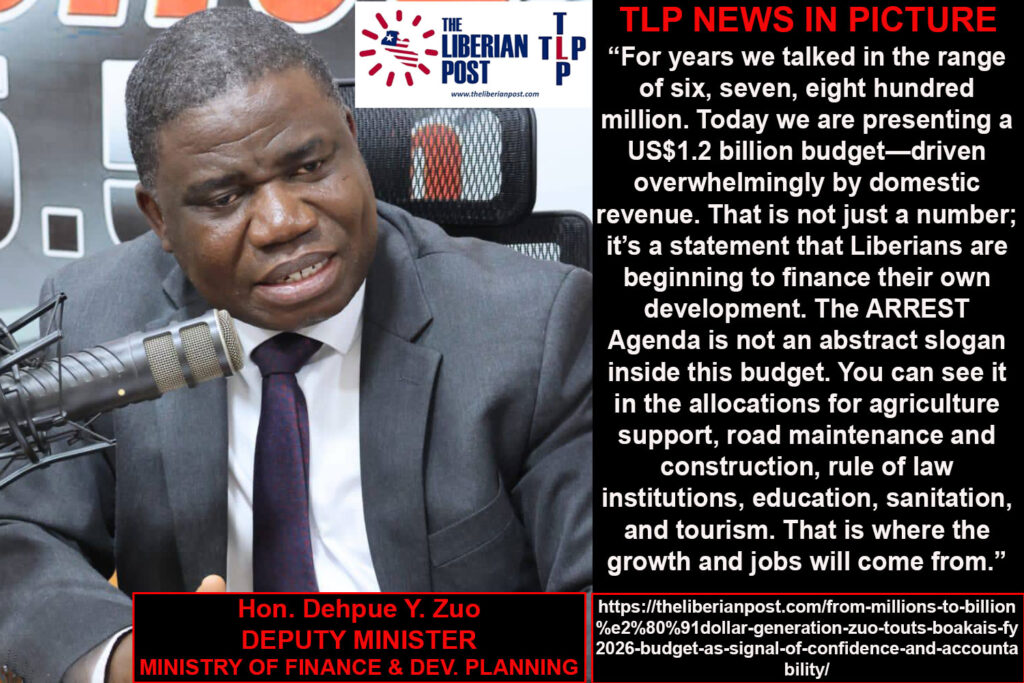
“For years we talked in the range of six, seven, eight hundred million,” Zuo told the program’s hosts. “Today we are presenting a US$1.2 billion budget—driven overwhelmingly by domestic revenue. That is not just a number; it’s a statement that Liberians are beginning to finance their own development.”
A 94% Domestically Financed Budget
Zuo reiterated that about 94 percent of the FY2026 draft budget is expected to be financed from domestic sources, with only 6 percent coming from external grants and loans.
He said this level of home‑grown financing is unprecedented in Liberia’s recent history and underscores both stronger revenue administration at the Liberia Revenue Authority and a deliberate effort to wean the country off heavy aid dependence.
While acknowledging public concerns that the headline number must translate into real services, the Deputy Minister insisted that the budget “is not just bigger, it is better targeted.”
“The ARREST Agenda is not an abstract slogan inside this budget,” he said. “You can see it in the allocations for agriculture support, road maintenance and construction, rule‑of‑law institutions, education, sanitation, and tourism. That is where the growth and jobs will come from.”
Alignment With ARREST
Zuo walked listeners through how key pillars of the ARREST framework are reflected in the draft:
- Agriculture: Increased support for farm‑to‑market roads, extension services and value‑chain projects intended to move Liberia toward food security;
- Roads: A combination of routine maintenance funds and major corridor investments, including the use of one‑off revenues only for non‑recurrent, capital projects;
- Rule of Law: Sustained financing for the justice sector, anti‑corruption efforts, and the security institutions needed to protect investment and citizens;
- Education: Focus on foundational learning, teacher support and implementation of the Liberia EXCEL Program, recently backed by a US$60 million IDA credit;
- Sanitation & Tourism: Urban waste management, community‑level sanitation interventions, and investments to position key natural and cultural sites for tourism growth.
“When the President talks about inclusive development, he is saying the budget must speak in the language of roads that farmers can see, schools that parents can touch, and health and sanitation services that communities can feel,” Zuo said.
Addressing Concerns About Contingent Revenues
The Deputy Minister also responded to criticisms from opposition figures and some civil‑society actors that parts of the FY2026 budget rely on contingent or politically uncertain revenues.
He maintained that all projected revenues are grounded in current laws, signed agreements, and realistic trends—not “wishful thinking.”
Without going into specifics of each line item on air, Zuo stressed that one‑time inflows—such as anticipated signature bonuses—are ring‑fenced for capital projects and are not being used to finance recurrent expenditures like salaries.
“In public finance, you do not use a one‑time windfall to create a permanent obligation,” he said. “Where we have such revenues, they are directed to roads, energy and other infrastructure that will pay dividends for years.”
He welcomed “robust debate” on the draft, but cautioned against what he called “misleading simplifications” of a more than 700‑page document.
“The budget is like a 700‑page book,” Zuo said. “It deserves to be read carefully before it is judged.”
On Accountability and Leakages
Pressed by the hosts on whether Liberians should believe that the US$1.2 billion will actually reach intended projects and communities, Zuo pointed to ongoing reforms in public financial management, including:
- Stronger controls in the Integrated Financial Management Information System (IFMIS);
- Closer monitoring of State‑Owned Enterprises;
- A push to clear domestic arrears and stop the accumulation of new ones;
- Improved reporting requirements for ministries and agencies.
“We cannot ask Liberians to pay more taxes and then tolerate leakages,” he said. “Part of being the ‘billion‑dollar generation’ is that citizens demand value for every cent and we, as managers, accept that scrutiny.”
He encouraged citizens, civil‑society groups and the media to follow the budget through the hearing process at the Legislature and into implementation.
Signal to Investors and the Diaspora
Zuo said the scale and composition of the draft budget also send a signal to both domestic and external investors, including the Liberian diaspora, that the country is turning a corner.
“Investors look at fiscal seriousness,” he explained. “A country that can raise and manage over a billion US dollars largely from its own economy is not a joke. It tells the world Liberia is moving from survival mode toward serious planning and growth.”
He called on the diaspora, in particular, to see the budget as an invitation to partner, not just to critique from afar.
“This Generation Must Change the Story”
In closing, the Deputy Minister framed the FY2026 draft budget as part of a broader generational responsibility.
“Our parents and grandparents lived through a Liberia of millions—millions in budgets, millions in lost opportunities,” Zuo said. “We are now the billion‑dollar generation. The question is: will we use that capacity to change the story or repeat the old one? This budget is our attempt to change it.”
The FY2026 Draft National Budget has been submitted to the National Legislature and is currently under scrutiny in committee hearings. Lawmakers are expected to debate and amend the document before passage, even as public discussion intensifies over how the country’s first US$1.2 billion‑plus budget can best translate into visible change for ordinary Liberians.