MONROVIA – Liberia on Tuesday marked the 69th anniversary of the Armed Forces of Liberia (AFL) with a strong national and regional call to confront drug trafficking, transnational crime, and emerging security threats that officials say now pose some of the gravest dangers to the country’s stability.
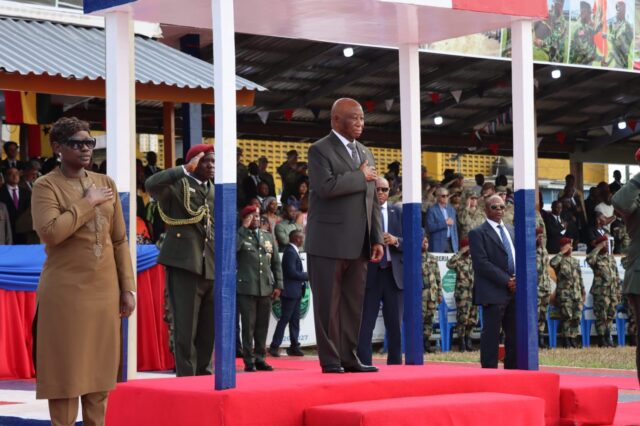
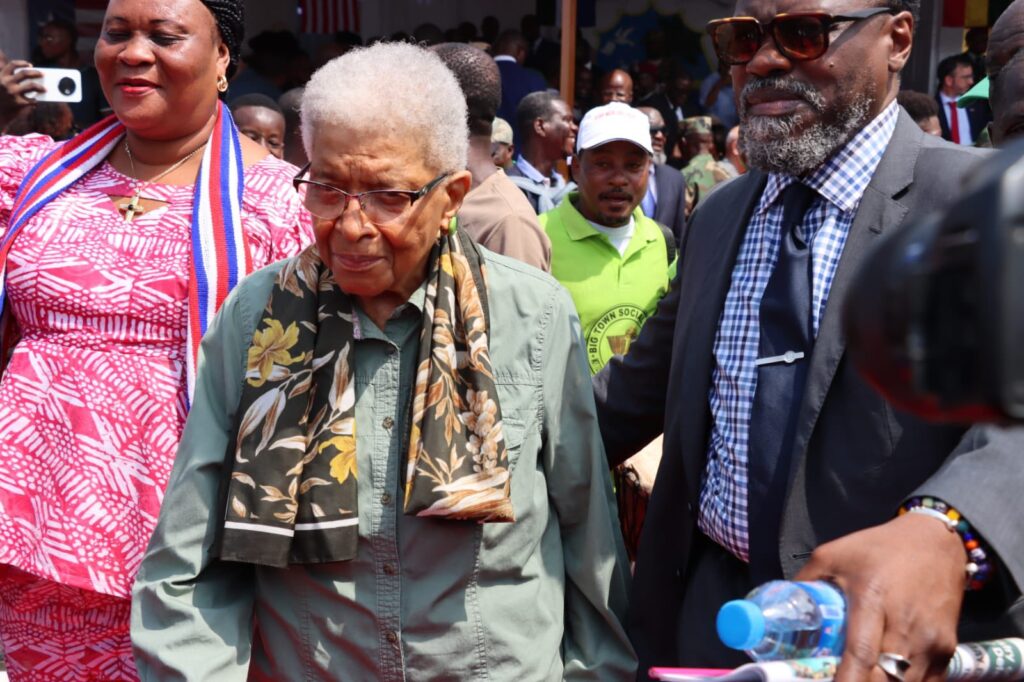
The celebration, held at the Barclay Training Center (BTC) in Monrovia, brought together President Joseph Nyuma Boakai, senior government officials, members of the diplomatic corps, regional military leaders, and citizens in a ceremony that blended military pageantry with sobering reflections on the country’s evolving security landscape.
President Boakai, serving as Commander-in-Chief of the Armed Forces of Liberia, used the occasion to emphasize that drug trafficking and substance abuse have escalated beyond public health concerns to become national security threats requiring urgent, coordinated response.
He warned that narcotics networks, organized crime, and illicit financial flows are increasingly interconnected, undermining governance, weakening institutions, and placing Liberia’s youth at risk.
“Our security challenges today are no longer limited to conventional threats,” President Boakai said. “Drug trafficking and the proliferation of illicit substances are eating at the fabric of our society and threatening our future generation.”
The President reaffirmed his administration’s commitment to strengthening the capacity of the AFL and other security institutions to respond effectively to both traditional and non-traditional threats. He stressed the importance of inter-agency coordination and regional cooperation, noting that no single country can tackle transnational crime alone.
Regional military representatives echoed similar concerns, highlighting the growing complexity of security risks across West Africa, including violent extremism, maritime insecurity, cybercrime, and arms proliferation. They underscored the need for intelligence sharing, joint operations, and harmonized strategies to preserve peace in the Mano River Union and ECOWAS sub-region.
The AFL’s Chief of Staff, Mayor General Davidson F. Forleh, also addressed the gathering, reaffirming the military’s readiness to defend Liberia’s territorial integrity while adapting to modern security realities. He highlighted ongoing reforms within the Armed Forces, including training upgrades, improved logistics, and enhanced professionalism.
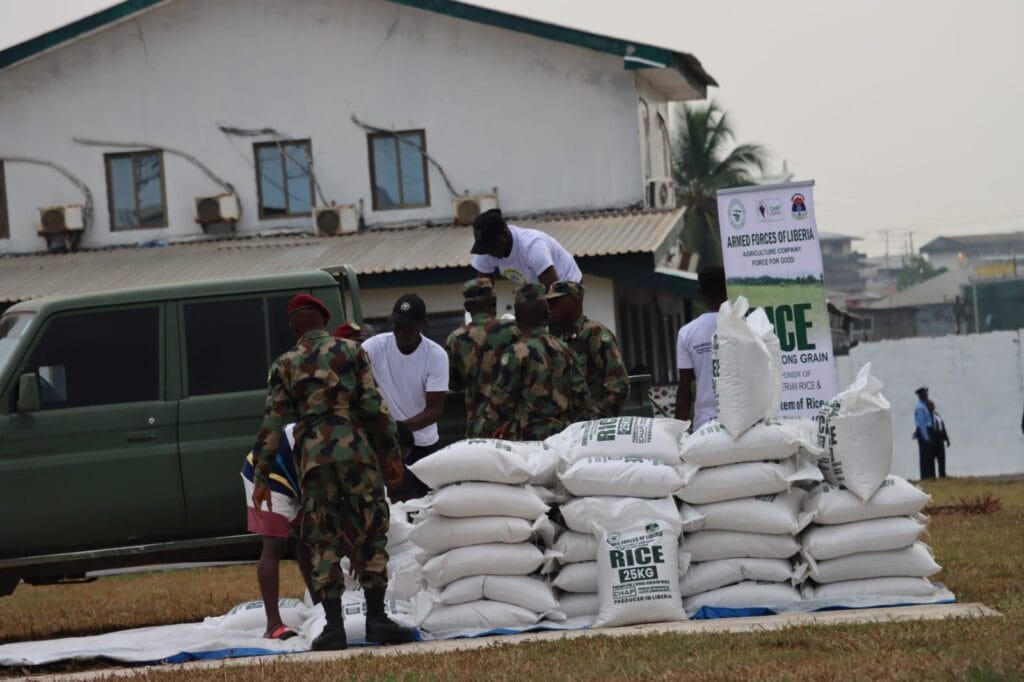
He emphasized that today’s Liberian soldier must be equipped not only for conventional defense but also for supporting civil authorities in addressing internal security challenges, disaster response, and humanitarian operations.
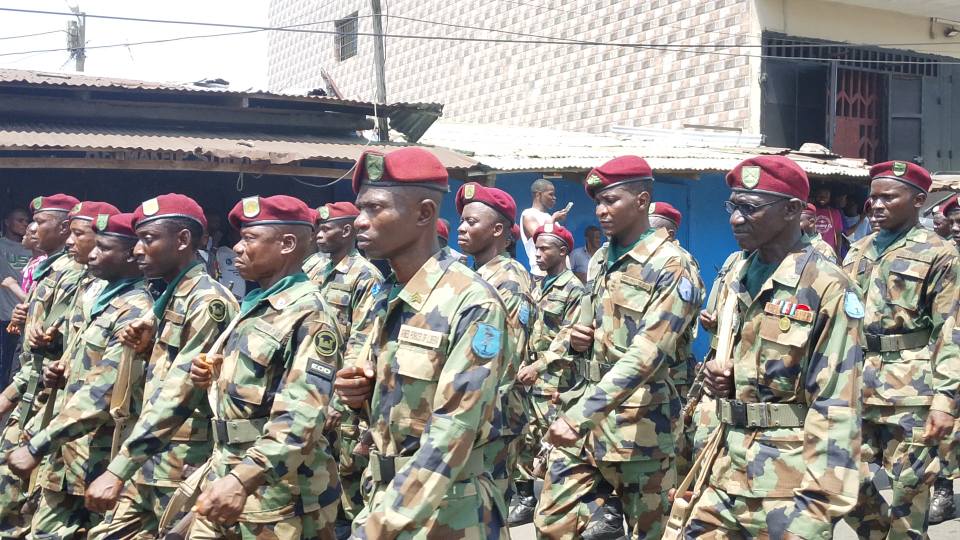
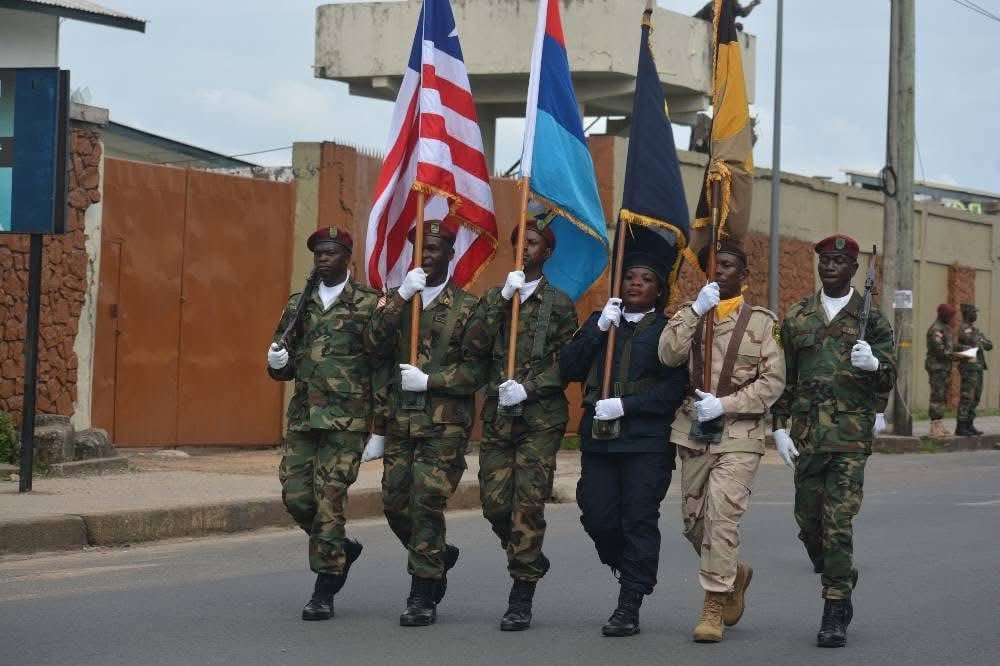
The ceremony featured a military parade, tactical demonstrations, and recognition of distinguished service members. Troops displayed precision drills and operational readiness, symbolizing what officials described as the AFL’s transformation since its restructuring following Liberia’s civil conflict.
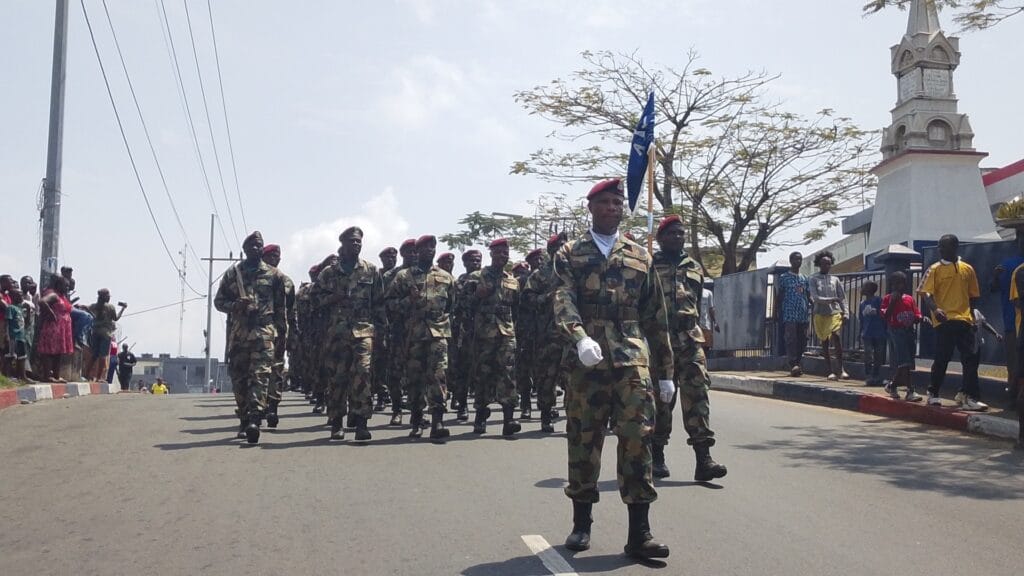
Observers noted that this year’s Armed Forces Day carried heightened significance as Liberia continues its post-war security consolidation and plays an active role in regional peacekeeping and diplomatic engagements, including its tenure on the United Nations Security Council.
Several speakers referenced Liberia’s painful history of conflict, reminding attendees that the Armed Forces must remain firmly rooted in constitutional order, civilian oversight, and respect for human rights.
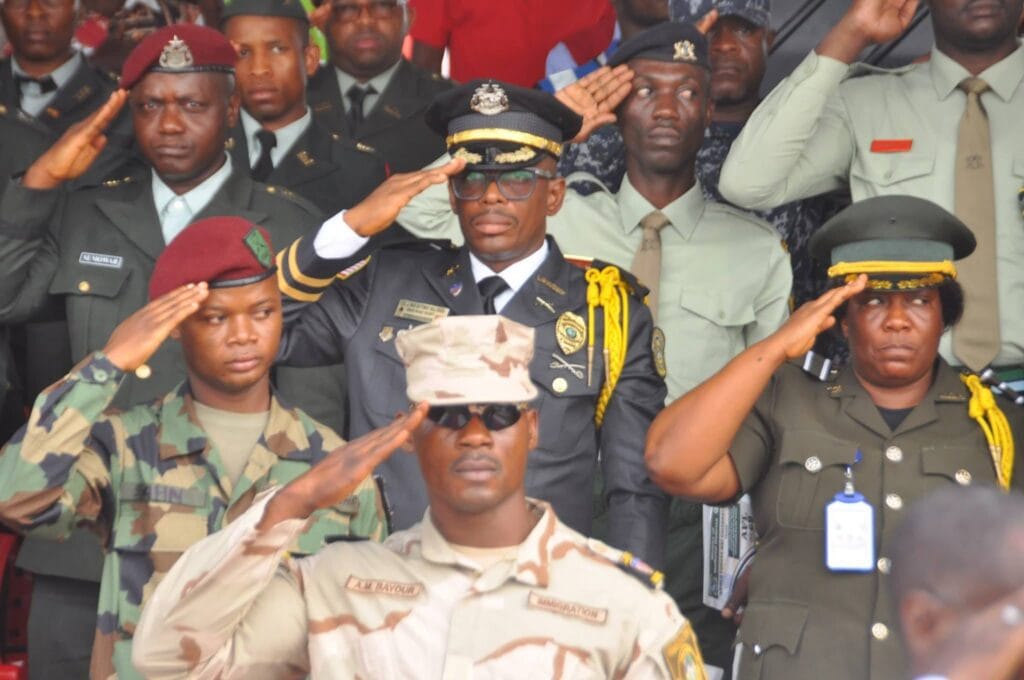
President Boakai reiterated that the AFL’s legitimacy and strength depend on discipline, professionalism, and unwavering loyalty to the Constitution.
“Our Armed Forces must always be a force for unity, stability, and democratic governance,” he stated. “The uniform must symbolize trust, not fear.”
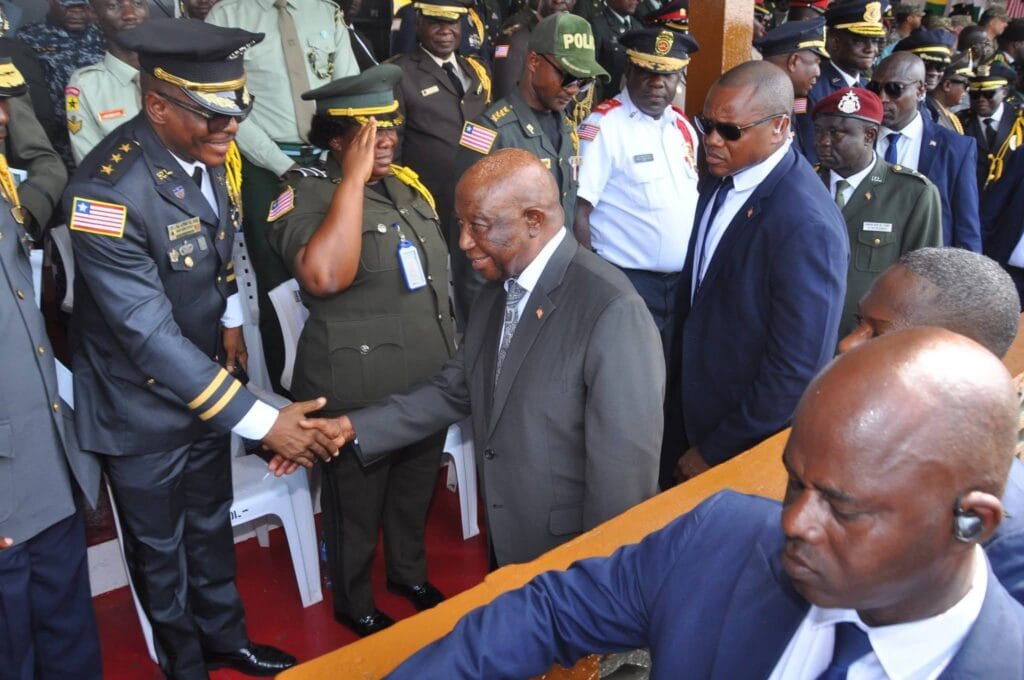
Beyond security concerns, the President acknowledged the sacrifices of service members and their families, pledging continued efforts to improve soldiers’ welfare, housing, and career development opportunities.
The event concluded with renewed commitments from both national and regional leaders to deepen collaboration in confronting drug trafficking networks and other emerging threats that transcend borders.
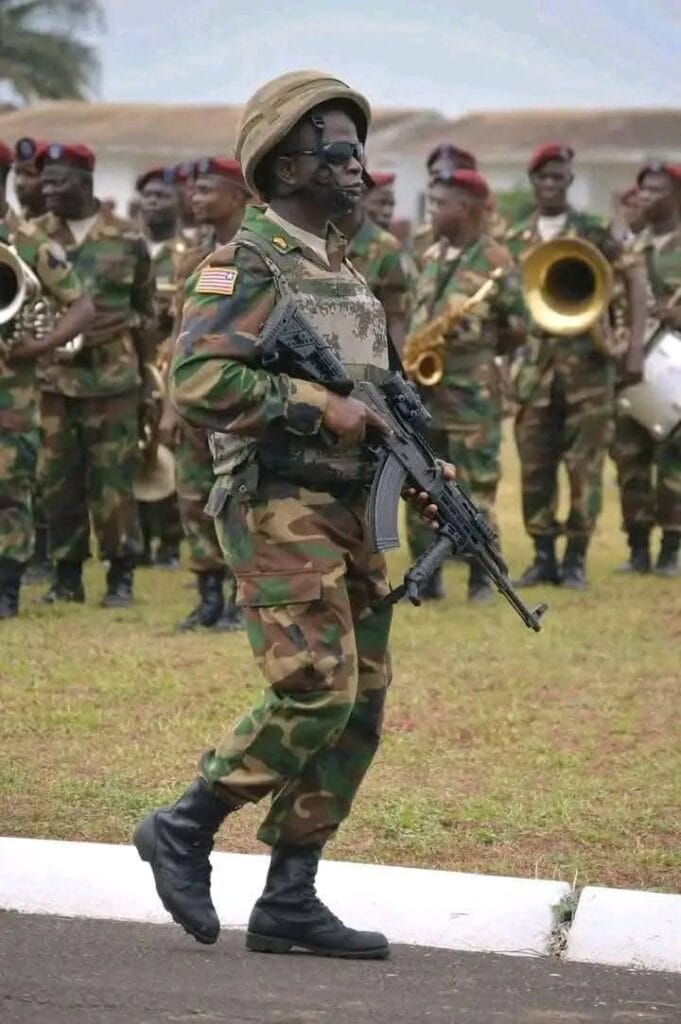
As Liberia commemorates nearly seven decades of its Armed Forces, the message from this year’s celebration was clear: the battle lines of modern security have shifted. From drug syndicates to cyber networks, today’s threats are complex and borderless.
But according to national leaders gathered at Barclay Training Center (BTC), Liberia stands ready—mobilizing its institutions, strengthening regional partnerships, and positioning the AFL not only as a guardian of territory, but as a central pillar in safeguarding the nation’s future.
Follow The Liberian Post on Facebook and X (formerly twitter)