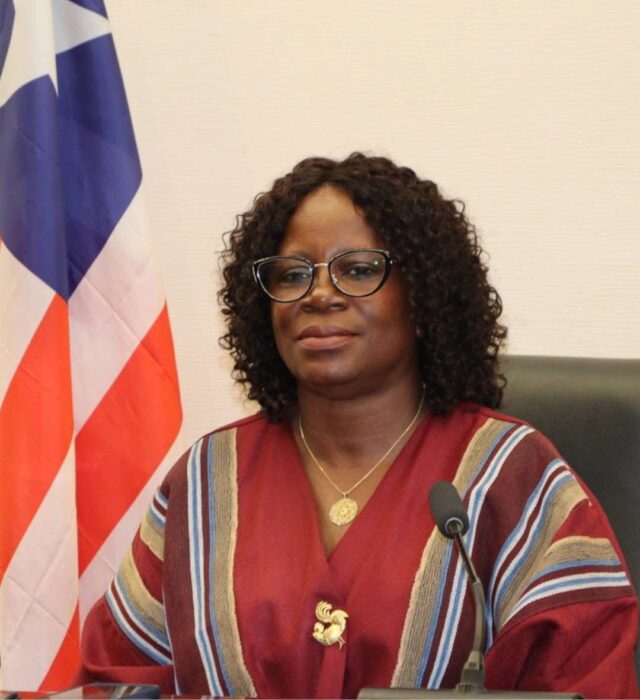
MONROVIA — In a culturally significant decision aimed at promoting Liberian heritage and supporting domestic industries, the Senate of Liberia has resolved that all senators and Senate staff will wear African attire, particularly clothing made in Liberia, during legislative sessions every Thursday. The directive was announced by Nyonblee Karnga-Lawrence, the President Pro Tempore of the Senate, following a consultative meeting among lawmakers this week.
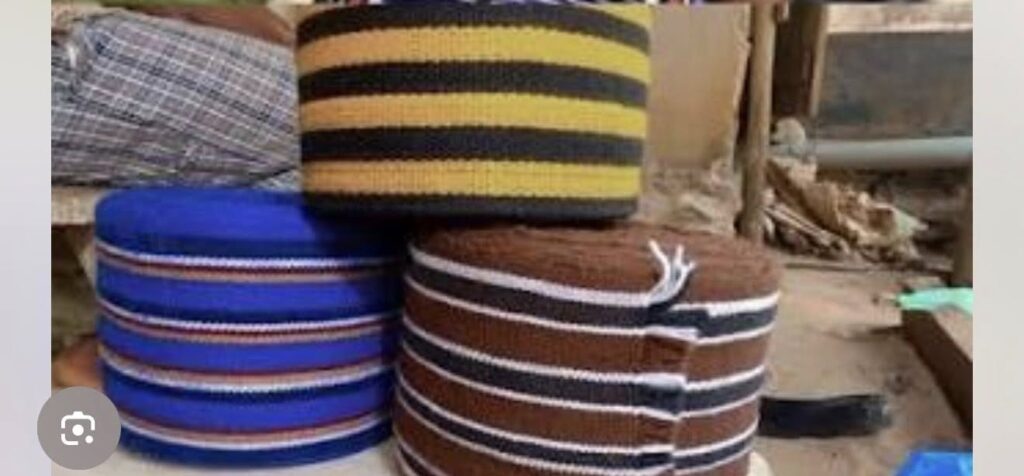
The new dress code, which begins immediately, is designed to encourage the use of locally produced fabrics such as lena, kpla, and country cloth, and bolster the livelihoods of artisans, tailors, weavers, and designers across Liberia.
Speaking after the Senate’s resolution, Senator Karnga-Lawrence emphasized the broader purpose of the initiative, noting that it aligns with national efforts to stimulate domestic production, expand market opportunities for Liberian creatives, and reinforce cultural pride within Liberia’s governance institutions.
“This tradition will not only celebrate our rich cultural heritage but also reflect our commitment to buy local and wear Liberian,” the Pro Tempore said in comments shared on social media. “It is time for the Legislature to lead by example in supporting Liberian artisans and designers, whose talents and labor contribute so much to our national identity.”
Cultural Identity Meets Economic Support
Liberia’s fashion and textile sectors have long been recognized for their cultural significance yet have struggled with limited markets and competition from imported goods. The Senate’s decision is expected to create visible demand for traditional fabrics and handcrafted garments, which advocates say will help sustain local production chains and generate economic activity beyond Monrovia.
Traditional fabrics such as lena—a hand-woven, brightly colored cloth created by Liberian women—and kpla and country cloth—both celebrated for their historical and cultural symbolism—are deeply rooted in Liberian culture. The Senate’s weekly embrace of these materials seeks to elevate their status within formal national institutions.
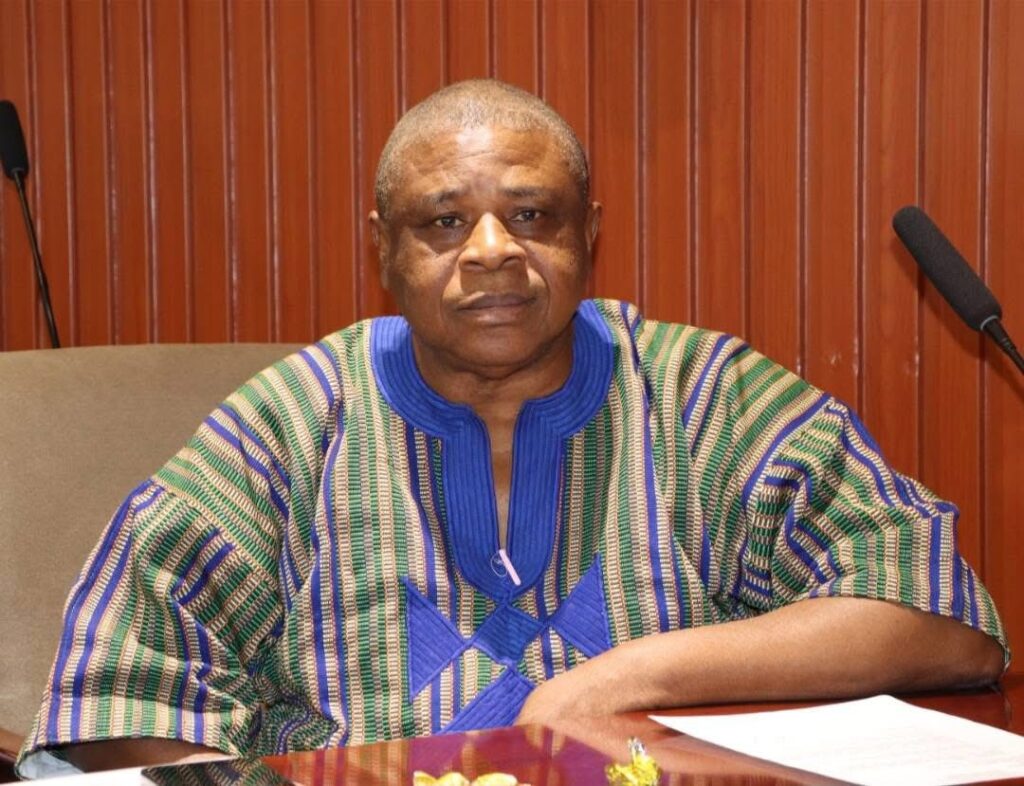
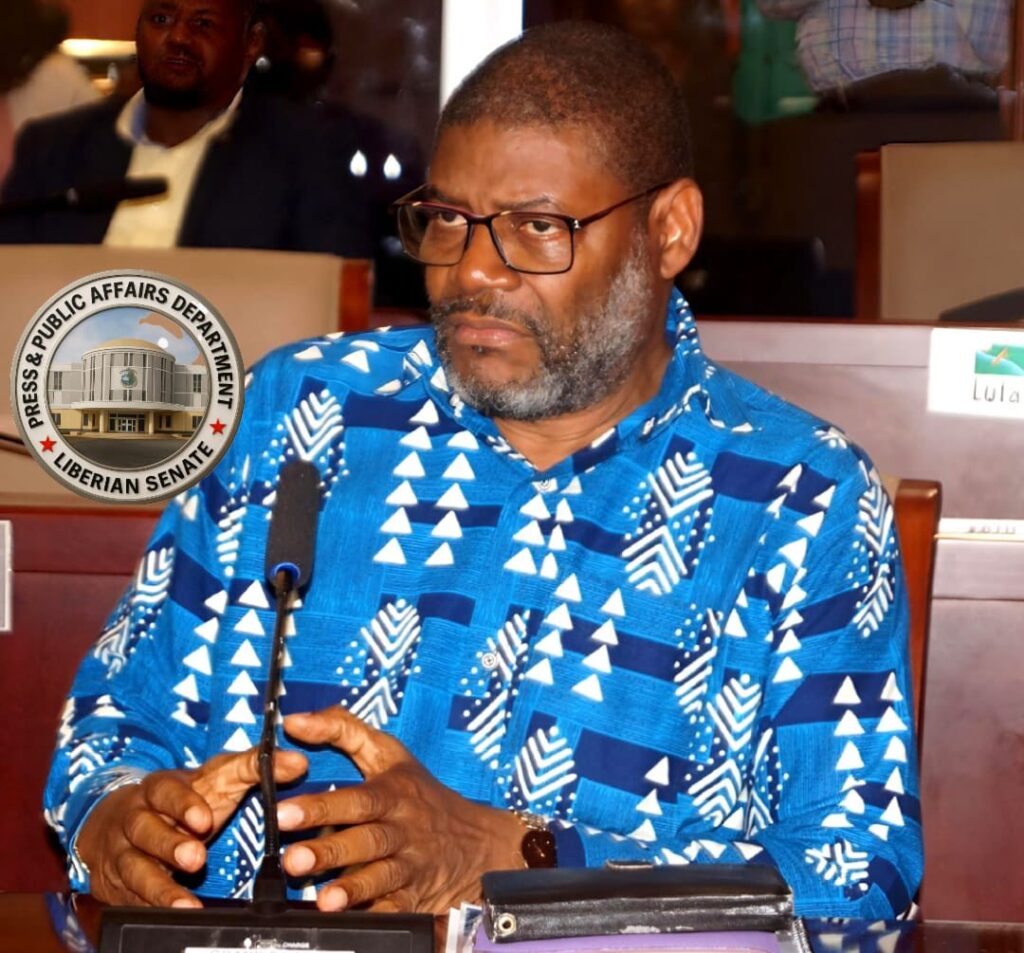
Observers note that while lawmakers occasionally don traditional wear on special occasions such as Independence Day or cultural celebrations, institutionalizing African attire as weekly legislative dress marks a notable shift in the Senate’s culture. This visible break from the long-standing dominance of Western business attire at plenary sessions is being hailed by local designers and cultural advocates as a step toward reclaiming Liberian sartorial identity.
Broader Support and Reception
Local industry stakeholders have welcomed the Senate’s decision. Tailors and fabric producers say the policy could stimulate consistent demand for Liberian textiles and enhance livelihoods within artisanal communities—particularly women weavers who depend on traditional fabric creation for income.
“This initiative could be game-changing,” said one Monrovia-based designer, speaking on condition of anonymity. “Senators are prominent public figures. When they wear our fabrics regularly, it sends a strong message that Liberian clothing is both respectable and worthy of national pride.”
Supporters also believe the tradition could strengthen national cohesion by encouraging a sense of shared cultural identity among citizens, lawmakers, and the diaspora.
A Tradition with Potential Long-Term Impact
Senate Pro Tempore Karnga-Lawrence, a seasoned lawmaker and the second woman in Liberia’s history to hold her current leadership position, has positioned the move as part of a wider legislative agenda that includes support for local industries, cultural preservation, and economic empowerment.
As the first Thursday session under the new dress code approaches, anticipation is high across the creative and cultural sectors. Many Liberians are watching to see whether the practice will be embraced beyond the Capitol Building as a broader national trend.
By institutionalizing a weekly day to wear Liberian-made attire, the Senate aims to send a powerful message: that culture and commerce can work hand-in-hand to uplift communities and strengthen the nation’s economic fabric—one Thursday at a time.
Follow The Liberian Post on Facebook and X (formerly twitter).