-New Framework Prioritizes Intelligence-sharing, Border Security, Cyber Resilience, Community Policing, and Human-centered Governance as Government Seeks to Strengthen National Stability through 2036
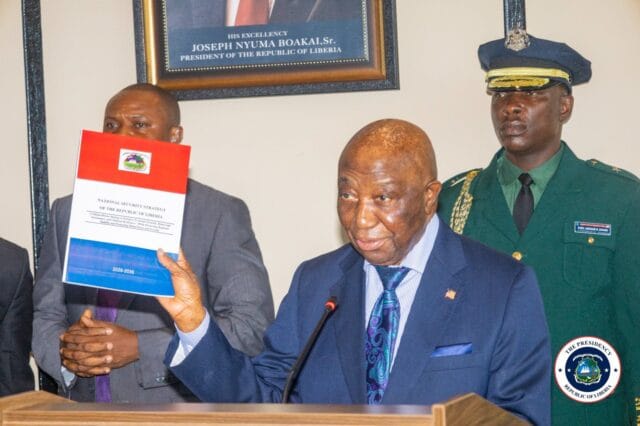
MONROVIA, Liberia – President Joseph Nyuma Boakai has unveiled Liberia’s most comprehensive national security blueprint in years, launching a landmark 10-year National Security Strategy that seeks to reposition the country to confront evolving threats ranging from transnational crime and cyberattacks to economic vulnerabilities and public health emergencies.
The strategy, which covers the period 2026-2036, marks a significant shift in Liberia’s approach to national security, moving away from traditional sector-based responses toward an integrated, citizen-centered, and prevention-driven framework that places human security at the heart of governance.
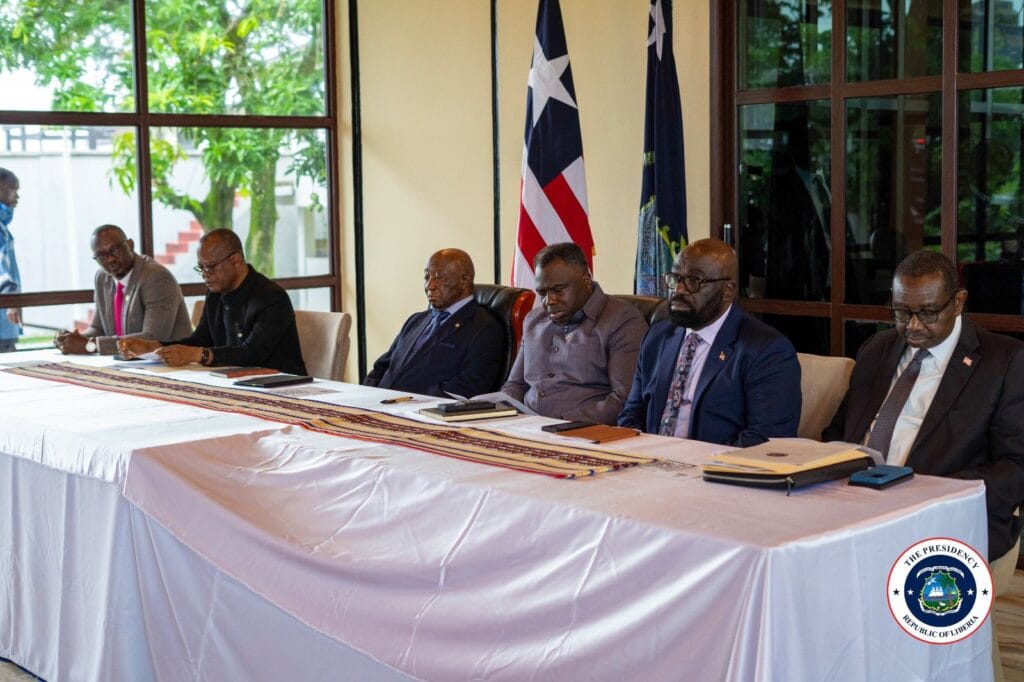
Speaking Thursday, May 4, at the Executive Mansion during the official launch, President Boakai described the strategy as a critical roadmap for safeguarding Liberia’s sovereignty, democratic institutions, and national stability in an increasingly complex global environment.
“True security is measured not only by our ability to respond to threats, but by how well we fulfill our democratic promise to protect our people, uphold their dignity, and create opportunities for prosperity,” President Boakai declared.
The Liberian leader emphasized that security should no longer be viewed solely through the lens of military and law enforcement operations but must encompass economic opportunity, access to justice, quality healthcare, education, social cohesion, and effective governance.
A New Security Philosophy
Unlike previous approaches that largely focused on immediate security threats and institutional responsibilities, the new strategy adopts what officials describe as a “whole-of-society” security model.
The framework seeks to align national security efforts with broader development objectives, emphasizing prevention, participation, intelligence coordination, and collaboration between security agencies, civil society organizations, local communities, and government institutions.
President Boakai said the strategy was developed following a comprehensive assessment of Liberia’s security landscape and reflects lessons learned from both national and international experiences.
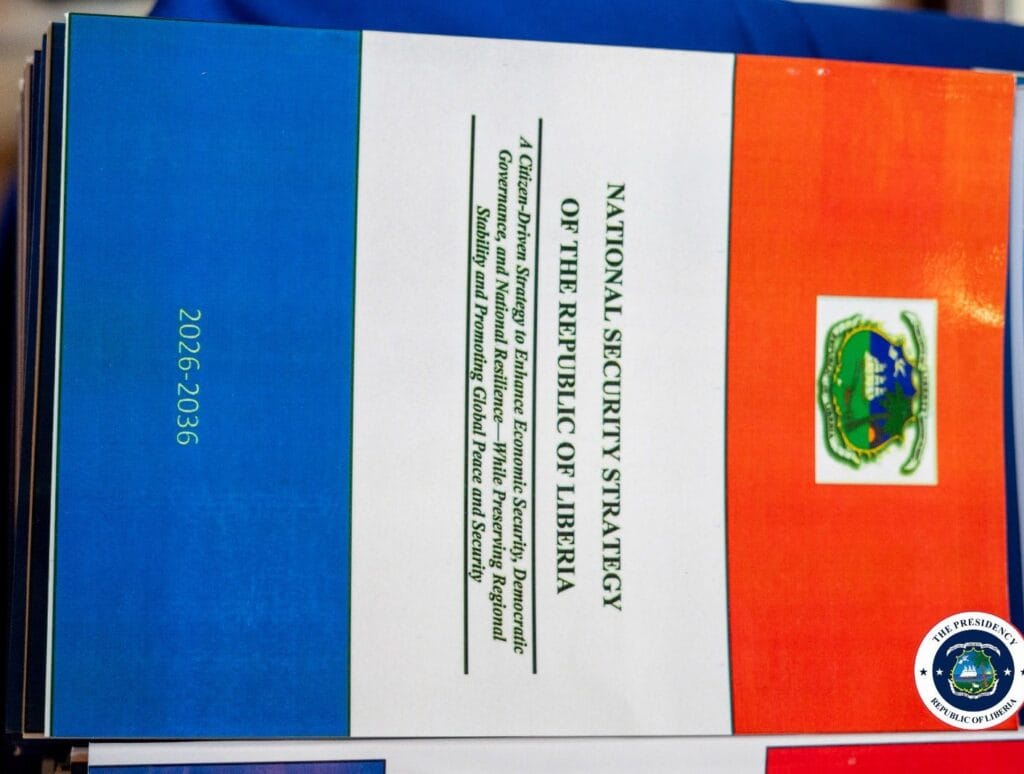
“The National Security Strategy is a significant milestone in our collective journey toward building a peaceful, secure, and resilient nation,” he said. “It serves as a shared aspiration and a clear roadmap for safeguarding Liberia’s sovereignty, territorial integrity, national stability, and democratic values.”
Confronting Emerging Threats
As Chairperson of the National Security Council and Commander-in-Chief of the Armed Forces of Liberia, President Boakai warned that the nature of security threats facing Liberia continues to evolve.
He identified transnational organized crime, cyber-related risks, acts of sabotage, economic shocks, irregular migration, environmental pressures, and emerging public health challenges as growing concerns requiring coordinated national action.
“The response as a nation must be proactive, coordinated, and forward-looking,” the President stated.
Security analysts note that Liberia’s strategic location along the West African coast and its porous borders with Guinea, Sierra Leone, and Côte d’Ivoire make regional cooperation and intelligence-sharing increasingly important.
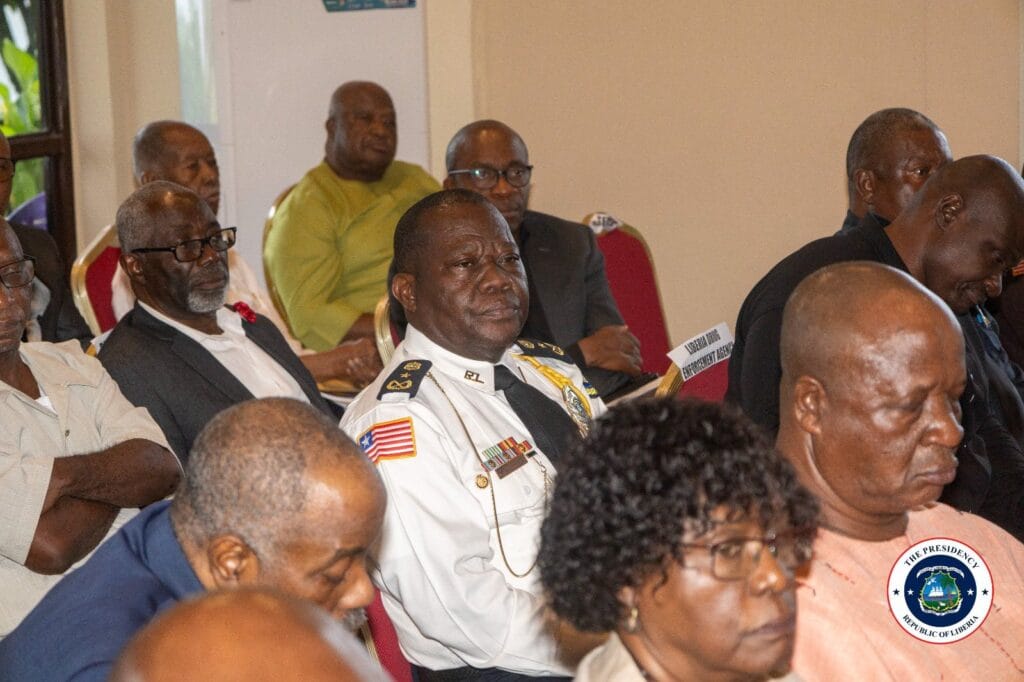
Recent years have also witnessed growing concerns over drug trafficking, human trafficking, illegal mining, maritime crimes, cyber fraud, and organized criminal networks operating across West Africa.
Strengthening Security Institutions
President Boakai used the occasion to reaffirm his administration’s commitment to strengthening the capacity, professionalism, and accountability of Liberia’s security institutions.
He pledged continued investment in intelligence gathering, interagency coordination, border management, and community policing initiatives designed to foster trust between citizens and law enforcement agencies.
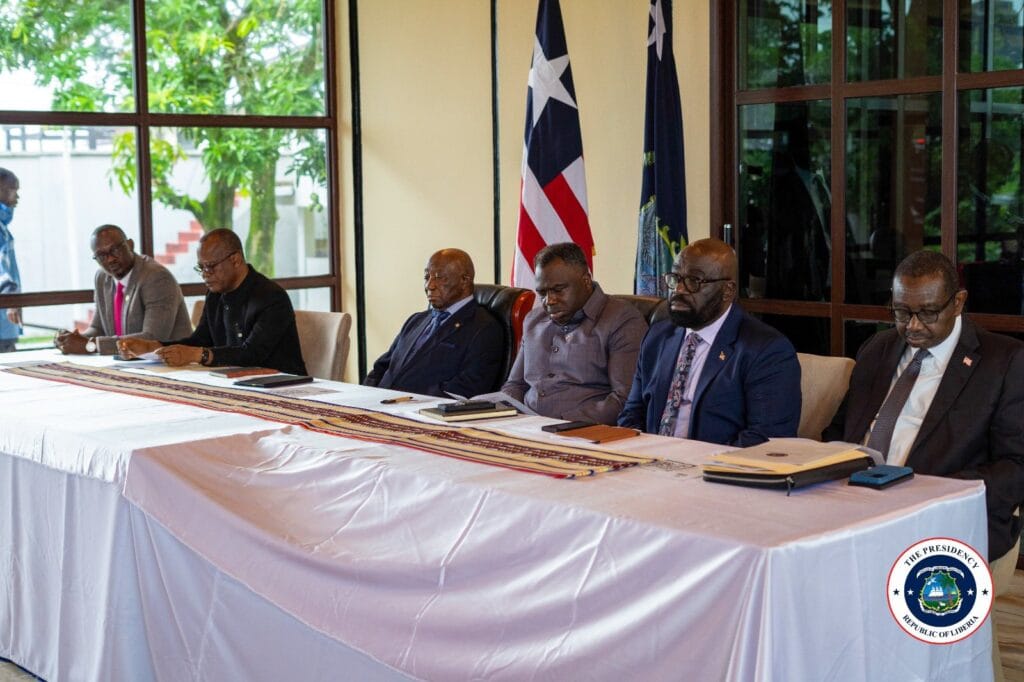
“We will continue to invest in intelligence coordination, border security, and community-based policing approaches that foster trust between citizens and security agencies,” he assured.
The announcement comes as Liberia continues efforts to modernize its security sector nearly two decades after the end of the country’s civil conflict and eight years after the withdrawal of the United Nations Mission in Liberia (UNMIL).
Since UNMIL’s departure in 2018, Liberia’s security responsibilities have rested entirely with national institutions, including the Armed Forces of Liberia (AFL), Liberia National Police (LNP), Liberia Immigration Service (LIS), Liberia Drug Enforcement Agency (LDEA), National Security Agency (NSA), and other security entities.
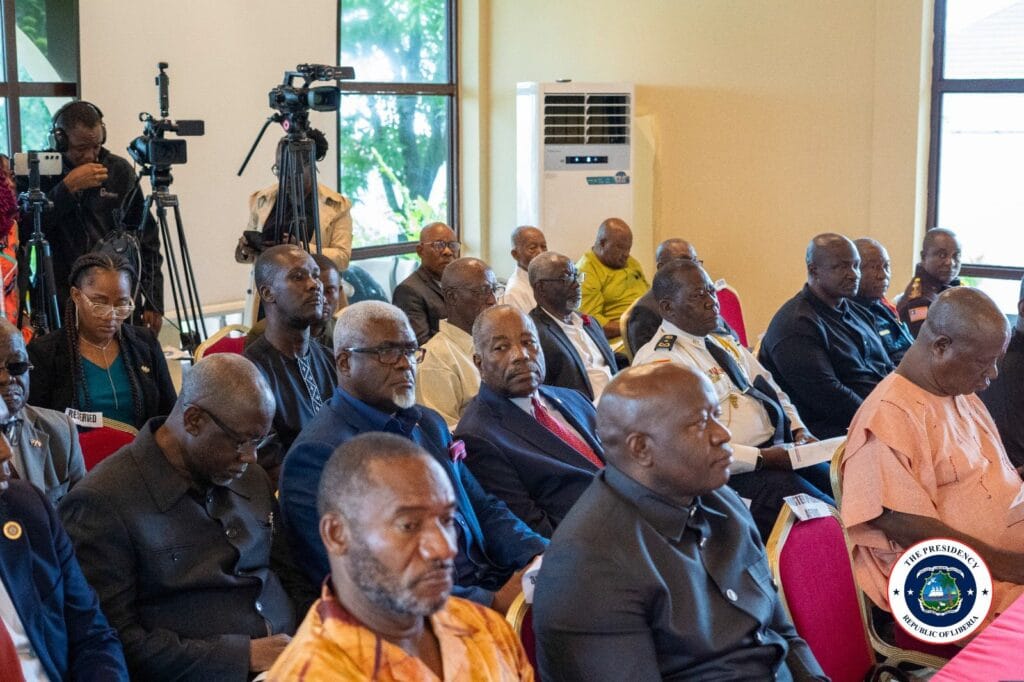
Human Security at the Center
One of the defining features of the new strategy is its focus on human security—a concept that broadens national security beyond traditional military concerns to include citizens’ welfare and well-being.
The strategy recognizes that insecurity can stem not only from crime and conflict but also from poverty, unemployment, weak institutions, social exclusion, disease outbreaks, and lack of economic opportunity.
President Boakai stressed that national security cannot be achieved solely through security agencies.
“National security is not the sole responsibility of the traditional security sector,” he said. “It is a shared responsibility that encompasses good governance, justice, economic security, and social cohesion.”
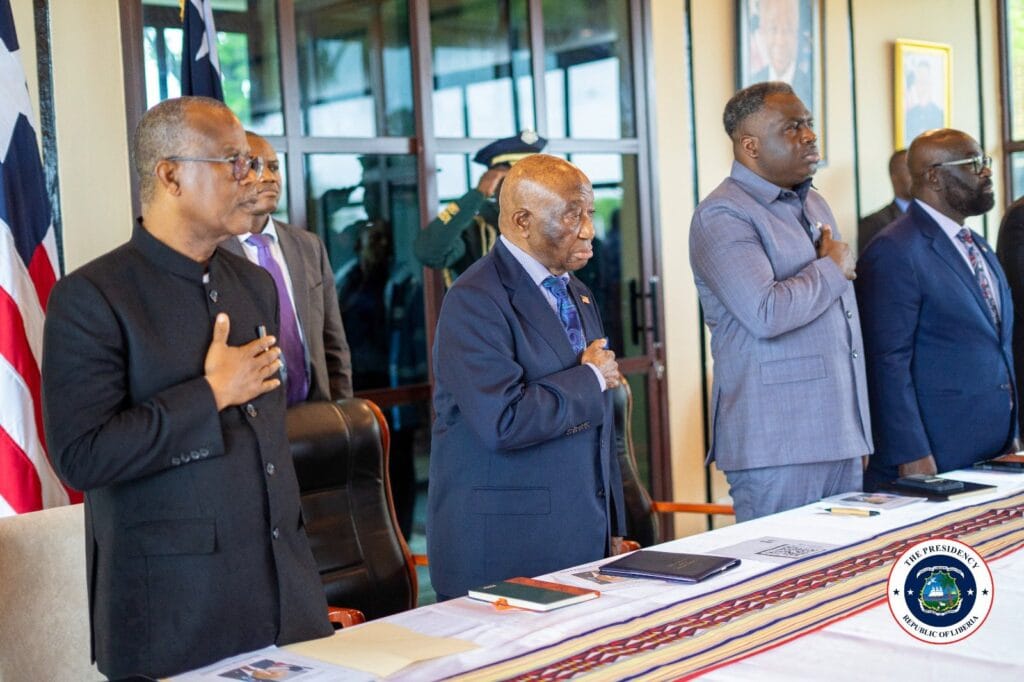
Regional and International Partnerships
The President also highlighted the importance of strengthening cooperation with regional and international partners.
He pledged to deepen collaboration with the Economic Community of West African States (ECOWAS), the African Union (AU), the United Nations, and other bilateral partners to address shared security challenges and promote regional peace and stability.
The commitment comes at a time when several West African countries continue to grapple with terrorism, violent extremism, political instability, and cross-border criminal activities.
Officials believe stronger regional partnerships will enhance Liberia’s ability to anticipate and respond to emerging threats while contributing to broader stability across the Mano River Union and West African sub-region.
A Call for National Participation
President Boakai urged Liberians from all walks of life to actively participate in implementing the strategy, emphasizing that national security is a collective responsibility.
He called on traditional leaders, religious institutions, youth groups, civil society organizations, the private sector, and local communities to support efforts aimed at building a safer and more resilient nation.
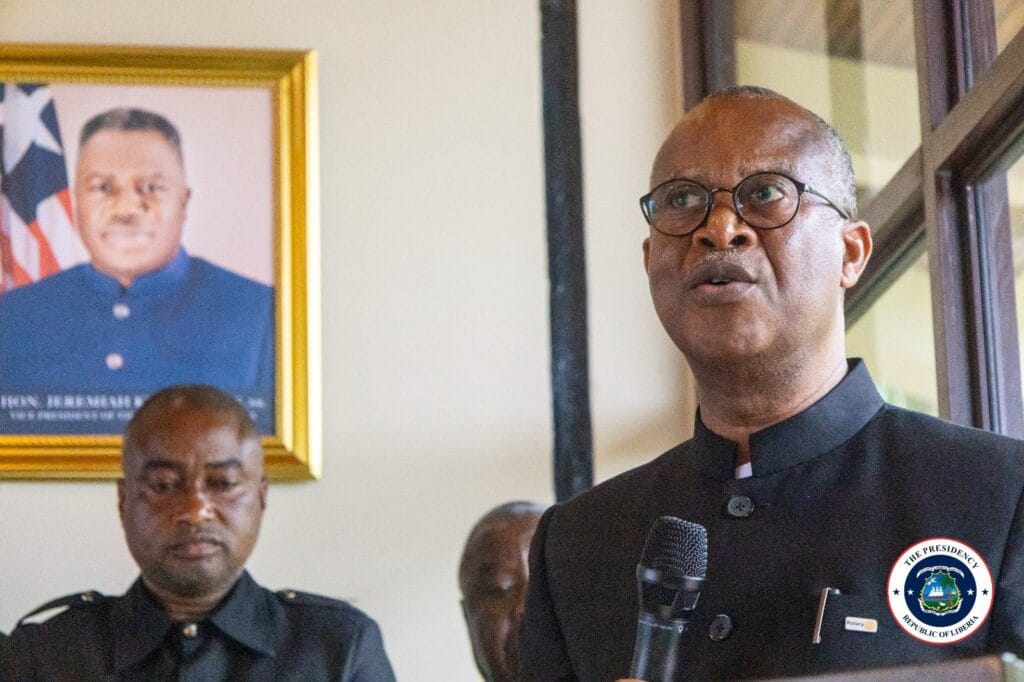
“Each Liberian plays an indispensable role in supporting our national security architecture,” the President said.
He also stressed that the strategy would remain a living document subject to periodic review and adaptation as new challenges emerge.
Looking Toward 2036
The National Security Strategy (2026-2036) is expected to guide government policy, resource allocation, and security sector reforms over the next decade.
Observers say its success will depend largely on effective implementation, sustained political will, adequate funding, and continued cooperation among government institutions and citizens.
For the Boakai administration, however, the launch represents more than the unveiling of a policy document. It signals a broader effort to redefine security as a foundation for development, democratic governance, and national prosperity.
As Liberia confronts a rapidly changing security landscape, the new strategy seeks to ensure that the country is not merely reacting to threats but anticipating them—and building the institutional resilience necessary to secure its future.
Follow The Liberian Post on Facebook and X (formerly twitter)