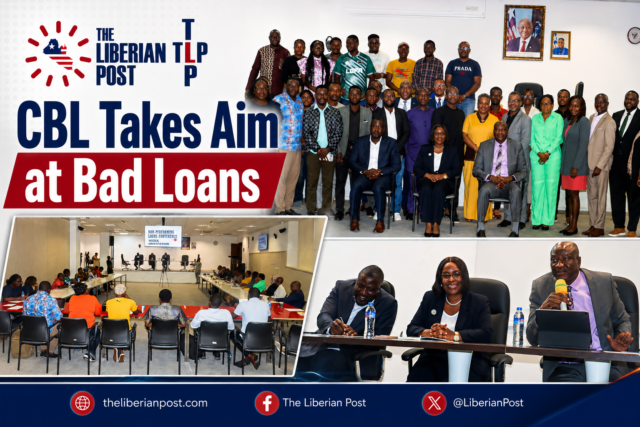
-Saamoi Says National Conference Will Target Credit Bottlenecks, Loan Recovery and Private-Sector Growth
MONROVIA, Liberia — The Central Bank of Liberia (CBL) is preparing to convene a National Non-Performing Loans Resolution Conference, bringing together government institutions, commercial banks, the Judiciary, legal professionals, businesses, development partners and other key stakeholders to confront a persistent financial-sector problem that the Bank says is constraining credit, investment, job creation and economic growth.
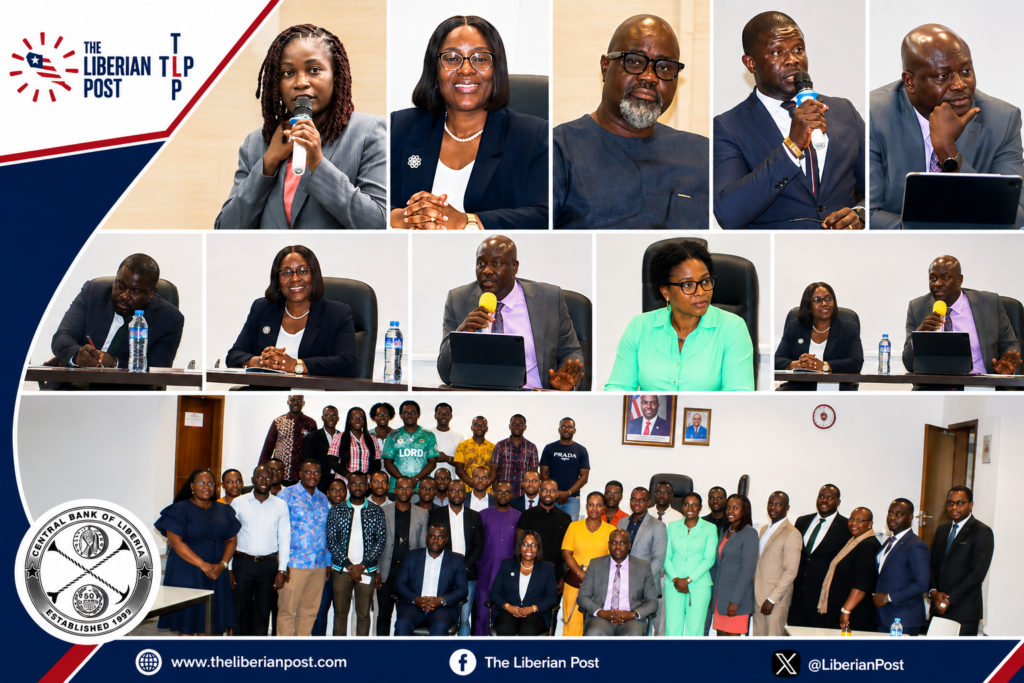
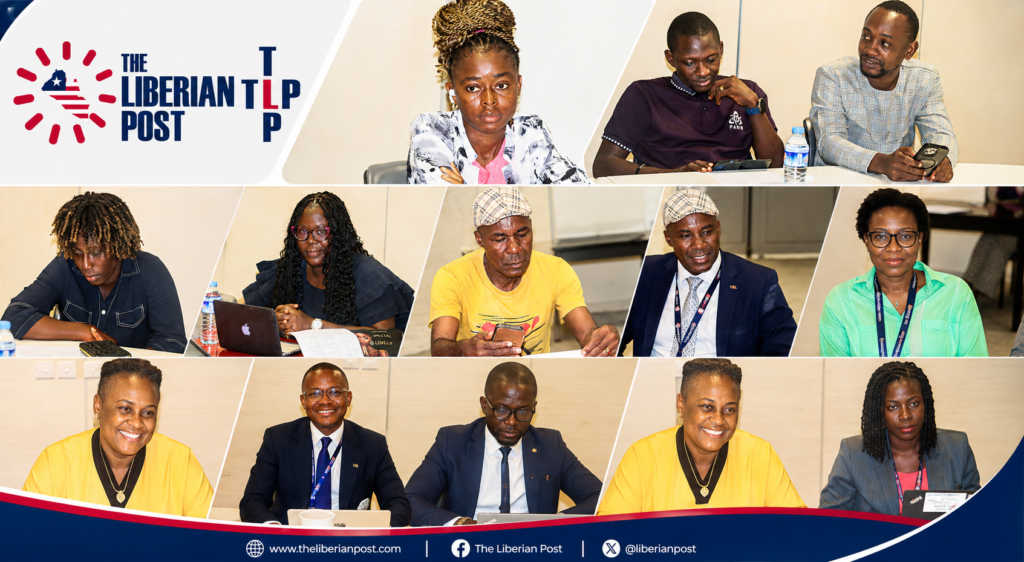
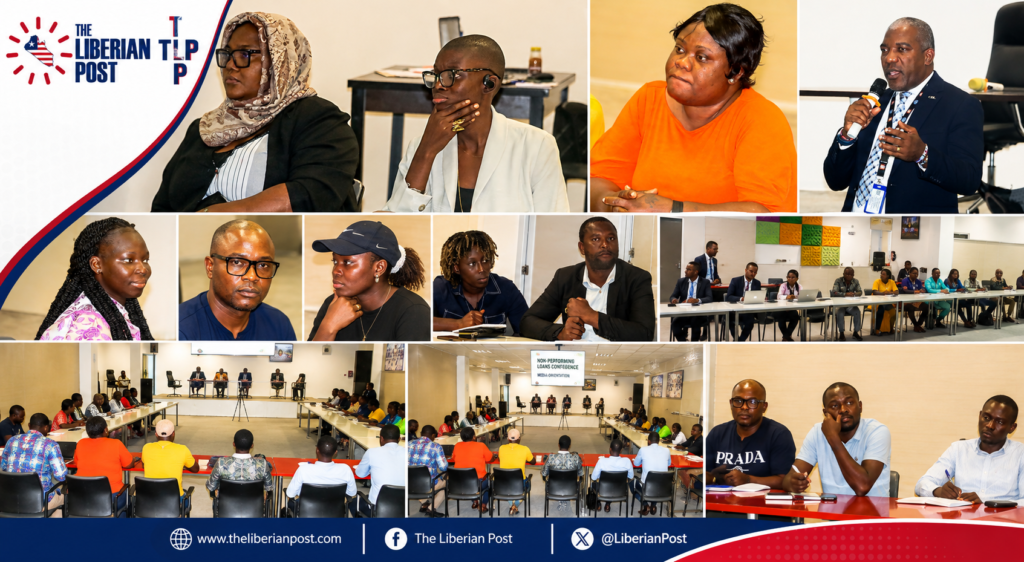
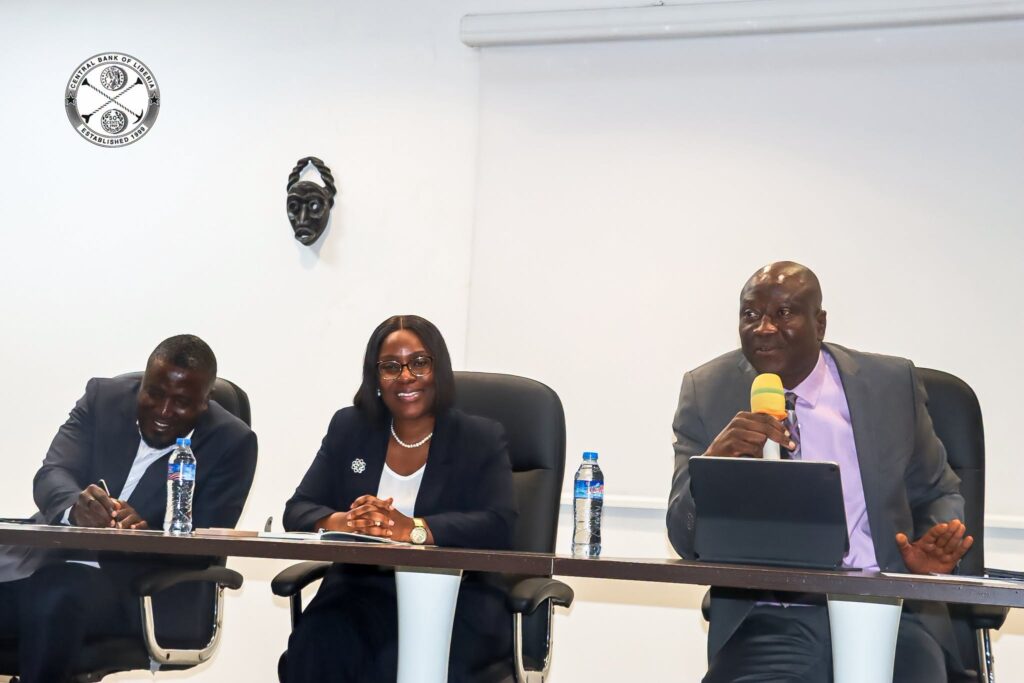
The planned conference took center stage Wednesday as the CBL hosted a media orientation meeting ahead of the national dialogue, with Executive Governor Henry F. Saamoi urging journalists to deepen their understanding of non-performing loans (NPLs) and help translate the forthcoming discussions into information ordinary Liberians can understand.
Saamoi said the conference should not be viewed as another technical banking-sector gathering, but as a national development initiative aimed at finding practical solutions to a problem that affects the wider economy.
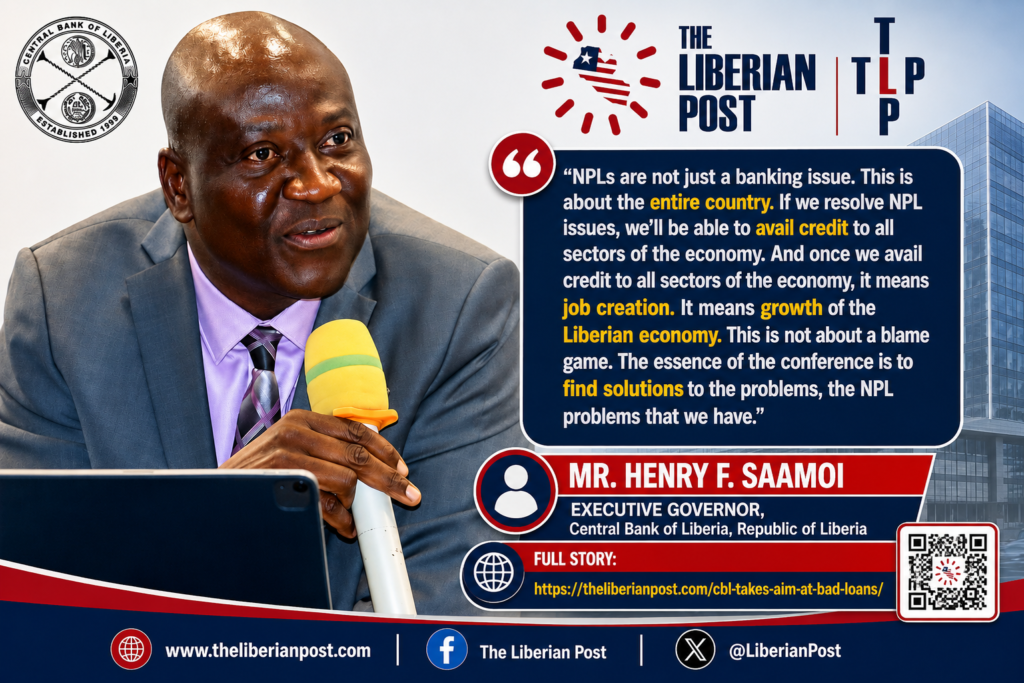
“NPLs are not just a banking issue. This is about the entire country.”
The Governor said resolving the NPL problem would allow financial institutions to make more credit available to businesses and other productive sectors, ultimately supporting investment and employment.
“If we resolve NPL issues, we’ll be able to avail credit to all sectors of the economy. And once we avail credit to all sectors of the economy, it means job creation. It means growth of the Liberian economy.”
CBL Seeks Whole-of-Government Response
Saamoi emphasized that the conference is not intended to become a forum for assigning blame among borrowers, banks, lawyers or other institutions.
Instead, he said, the objective is to develop a coordinated response involving the Executive, Legislature and Judiciary, alongside financial institutions and other stakeholders.
“This is not about a blame game. The essence of the conference is to find solutions to the problems, the NPL problems that we have.”
According to the Governor, the conference is designed to create a common understanding of the challenges surrounding loan recovery, collateral enforcement, credit discipline and responsible lending.
The CBL’s Head of Corporate Communications, Counselor Alphonso Zeon, said the Bank decided to engage the media because journalists have an important role in explaining the economic consequences of NPLs to the public.
He noted that when borrowers fail to repay loans, banks become more cautious about extending new credit. Reduced lending can then limit businesses’ ability to expand, hire workers and contribute to economic activity.
“The economy cannot grow because the private sector, which is the main engine of growth, and the avenue for employment is stifled,” Zeon explained.
He said the CBL’s decision to organize the conference represents a strategic attempt to address an issue that has featured in the Bank’s monetary policy discussions but has lacked a sufficiently coordinated national response.
NPLs Affect More Than Banks
In his formal statement, Saamoi said the consequences of non-performing loans extend well beyond financial institutions.
He identified entrepreneurs seeking capital, farmers seeking financing, young people pursuing opportunities, women-owned businesses trying to expand and communities seeking jobs and prosperity among those affected when credit becomes increasingly difficult to access.
“Therefore, addressing the NPL challenge is not only a banking-sector priority; it is a national development imperative,” Saamoi said.
The Governor explained that when a significant portion of bank loans is not repaid according to agreed terms, financial institutions become more cautious about issuing new loans. Businesses then face financing constraints, investor confidence can weaken and economic expansion can slow.
The CBL’s technical presentation also underscored the scale of the challenge, noting that Liberia’s NPL ratio stood at 19.1 percent in December 2024. The Bank said the ratio has since declined, but Saamoi stressed that the remaining level is still significant enough to require a coordinated national response.
Loan Recovery Seen as Key to Unlocking Credit
A central objective of the upcoming conference will be improving mechanisms for recovering loans that have become non-performing.
Saamoi said stronger recovery mechanisms would give banks greater confidence to lend, thereby expanding the flow of financing into the economy.
“If we improve loan recovery, that means we expand access to credit,” he said.
The Governor also warned that persistently high NPLs can threaten financial stability. When banks are unable to recover funds they have lent, their liquidity can deteriorate. Continued losses can eventually erode their capital and create solvency problems.
In the event of a bank failure, he said, the consequences can extend beyond the institution itself, potentially creating responsibilities for the CBL and, ultimately, the government to address depositor liabilities.
“We want to build a system that is strong, that is resilient. But in order for us to do that, we need to actually address the issue of non-performing loans within the banking system,” Saamoi said.

Collateral Registry to Strengthen Lending
The conference will also examine the role of Liberia’s Enhanced Collateral Registry System (CRS), another major financial-sector reform being advanced by the CBL.
Saamoi said the system is intended to make it possible to legally register assets used as security for loans and help prevent situations in which the same asset is pledged to multiple lenders.
The system will expand the range of assets that can be used as collateral, including movable property such as vehicles and equipment, rather than limiting borrowers primarily to land and buildings.
The Governor said this could be particularly important for small and medium-sized enterprises that may have productive assets but lack traditional forms of collateral.
He explained that once a lender records an asset in the collateral registry, another financial institution checking the system would be able to determine whether that asset has already been pledged.
The objective, he said, is to reduce disputes between lenders, strengthen lenders’ confidence and encourage greater credit availability.
“We want to put in place measures that lenders will no longer lose,” Saamoi said.

Judiciary, Lawyers, Businesses Among Key Stakeholders
The forthcoming conference is expected to bring together policymakers, financial institutions, members of the Judiciary, legal professionals, development partners, business leaders, legislators and other stakeholders.
The broad participation reflects the CBL’s view that resolving NPLs requires more than action by banks or the central bank.
Zeon pointed to situations in which banks seek to foreclose on collateral through the courts but encounter delays arising from continuances, motions and other legal proceedings.
He said the national dialogue provides an opportunity for stakeholders to identify practical ways of addressing such bottlenecks while respecting due process and the rule of law.
Saamoi similarly called for predictable legal and regulatory mechanisms through which disputes can be resolved efficiently.
Media Asked to Bridge Technical and Public Understanding
The CBL has placed significant emphasis on the role of the media in the conference.
Saamoi said economic and financial reforms can only gain broad public support if Liberians understand what they mean and how they affect everyday life.
“The media has a critical role to play in this national effort,” he said, urging journalists to help bridge the gap between technical policy discussions and public understanding.
He called on journalists to provide accurate, balanced and insightful reporting on NPLs, access to credit, collateral systems, debt obligations and financial-sector reforms.
Zeon similarly urged accredited journalists to use the orientation to deepen their understanding before the national conference, noting that even professionals within the Central Bank continue to study and learn about the complexities surrounding the issue.
Conference Positioned as Economic-Growth Initiative
The CBL says the ultimate objective of the National Non-Performing Loans Resolution Conference is not simply to reduce a banking statistic, but to create conditions for a more functional credit market.
A healthier credit environment, according to the Bank, would allow responsible borrowers to access financing, enable financial institutions to manage risk more effectively and improve the ability of businesses to invest and create jobs.
The Bank’s formal statement describes the conference as a strategic national dialogue addressing one of Liberia’s persistent constraints to economic growth, private-sector development, access to credit and financial-sector stability.
The Governor said the CBL’s broader goal is to establish a stronger credit culture while protecting the stability of the financial system.
“Together, let us work towards a more resilient financial sector, a stronger credit culture, expanded access to finance, and a more prosperous Liberia,” Saamoi said.
The technical sessions following the media orientation were designed to equip journalists with a clearer understanding of NPLs and the Enhanced Collateral Registry System ahead of the national conference, which the CBL expects to use as a platform for developing practical, coordinated solutions to Liberia’s credit-recovery challenge.
For breaking news, in-depth analysis, and exclusive reports from Liberia and around the world, follow The Liberian Post on Facebook (https://web.facebook.com/profile.php?id=61576017166570) and X, formerly Twitter (https://x.com/LiberianPost).