At a moment when fear, speculation, and emotion could easily overwhelm reason, the Government of Liberia’s latest briefing on the border situation with Guinea offers something increasingly rare in times of crisis: measured leadership anchored in restraint, diplomacy, and clarity of purpose.
The statements delivered by Justice Minister Cllr. Natu Oswald Tweh and Information Minister Jerolinmek Matthew Piah send a firm message—Liberia is not drifting into chaos. The state is functioning, security institutions are engaged, and, most importantly, there is no war.
This matters.
In fragile situations like the one unfolding in Lofa County, perception can be as dangerous as reality. Rumors—especially in the age of social media and artificial intelligence—can inflame tensions faster than any troop movement. The government’s warning about AI-generated images and misinformation is not trivial; it is a recognition that modern conflicts are fought as much in the information space as on the ground.
But while the government deserves credit for resisting panic-driven governance, it must also understand the delicate balance it is trying to strike. Silence, even when strategic, can sometimes create a vacuum—one that misinformation is all too eager to fill.
Minister Piah is correct: governance is not a “talking shop.” Yet communication remains a pillar of stability. Citizens do not need constant updates, but they do need consistent reassurance grounded in verifiable facts. Transparency, even in measured doses, builds trust. And trust is the currency that sustains peace in uncertain times.
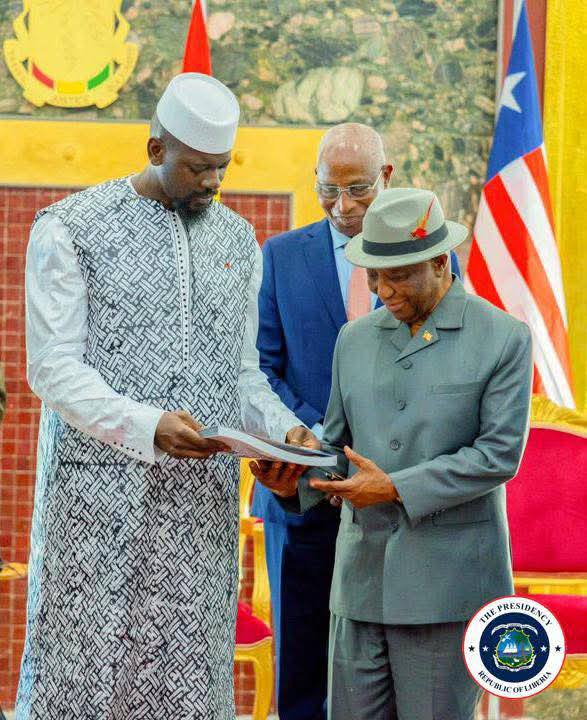
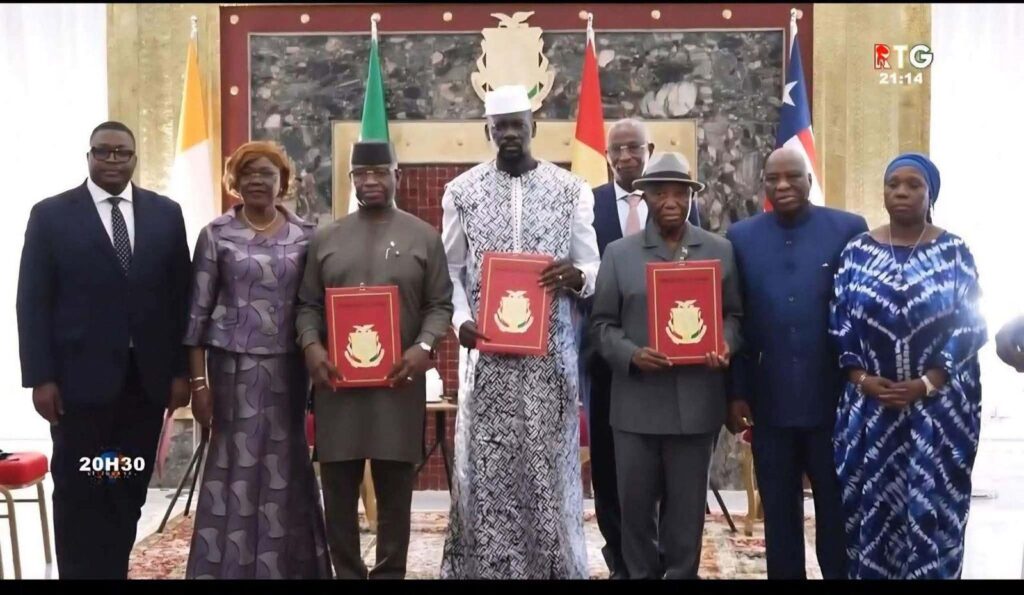
What stands out most in the government’s posture is its commitment to diplomacy over escalation. Liberia’s decision to engage Guinea through bilateral talks, supported by regional actors like Sierra Leone, reflects a mature understanding of geopolitics in the Mano River basin. Borders in West Africa are historically complex—drawn by colonial agreements that often ignored local realities. Disputes are inevitable. War is not.
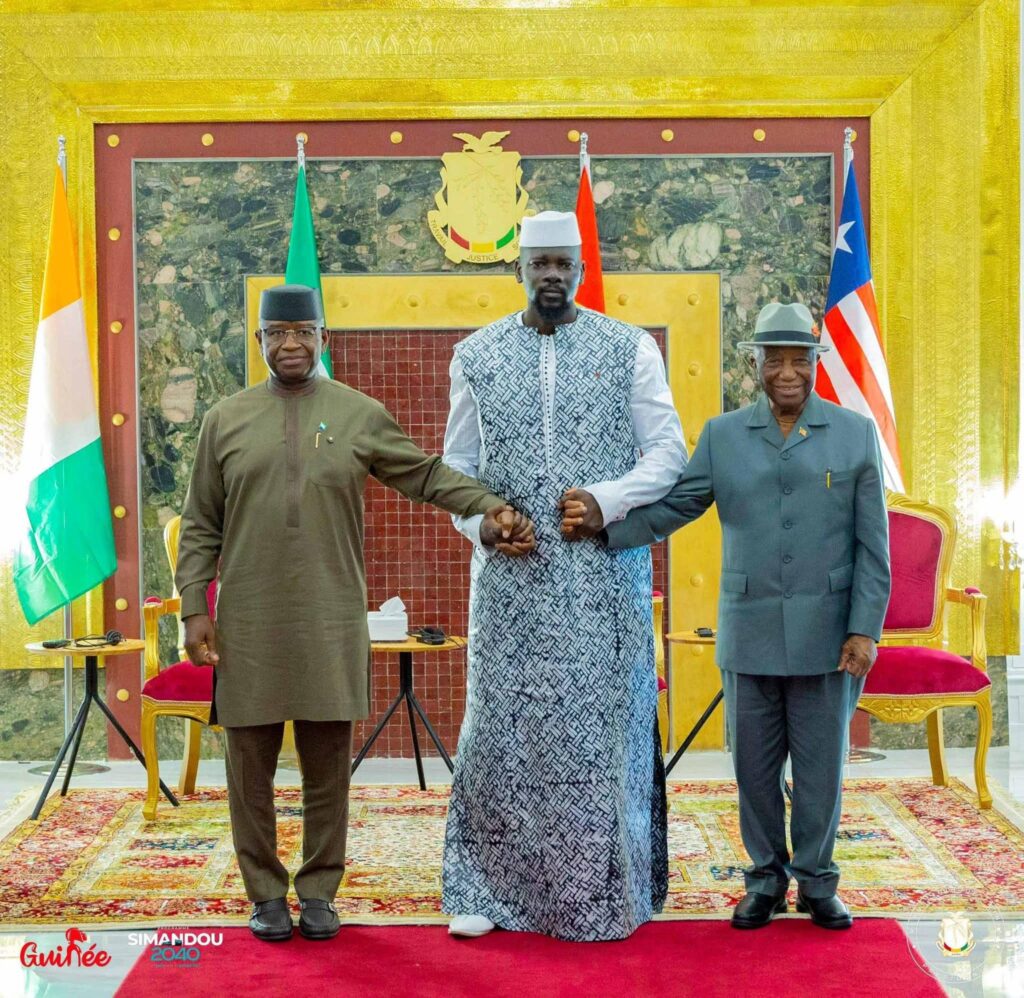
The emphasis on regional mechanisms—the Mano River Union, ECOWAS, and the African Union—before turning to the United Nations is both strategic and appropriate. African problems, when possible, should find African solutions. This approach strengthens regional institutions and reinforces collective responsibility for peace.
However, diplomacy must not be mistaken for weakness.
The government’s assurance that it is “in full charge” must be backed by visible preparedness. Reinforcing border security while pursuing dialogue is the correct dual-track strategy. Peace is best preserved when it is actively protected.
Equally important is the government’s warning against reckless commentary. Liberia’s democratic space must remain open—freedom of speech and the press are non-negotiable. But freedom must not become a license for irresponsibility. Statements that incite panic, spread falsehoods, or encourage vigilantism do not strengthen democracy; they endanger it.
Still, caution is warranted. The threat of legal action against “inflammatory” speech must be applied judiciously. Overreach could undermine the very democratic principles the government seeks to protect. The line between national security and civil liberty must be carefully maintained.
At its core, this moment is a test—not just of government, but of nationhood.
Liberians must resist the temptation to politicize a national security issue. The border is not a campaign platform. It is a matter of sovereignty, safety, and shared destiny. Whether in government, opposition, media, or civil society, the responsibility is collective.
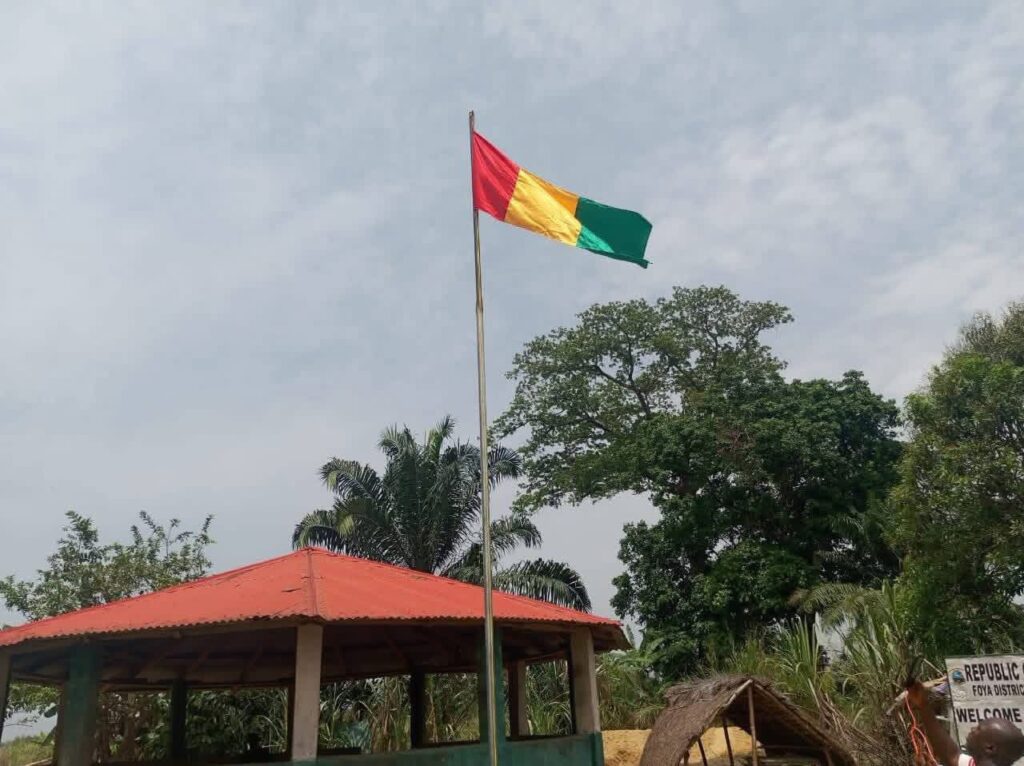
The government has chosen a path: calm over chaos, diplomacy over confrontation, strategy over noise.
It is the right path.
But it must be sustained with transparency, strengthened with preparedness, and supported by a citizenry that understands that patriotism, in times like these, is measured not by how loudly we react—but by how wisely we respond.
Follow The Liberian Post on Facebook and X (formerly twitter).