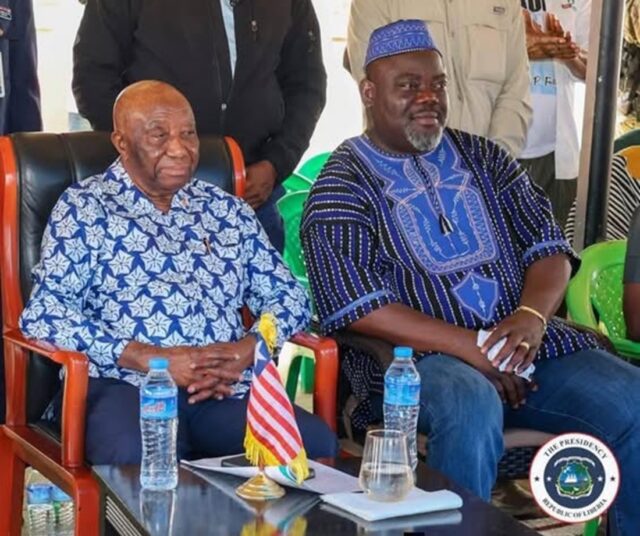
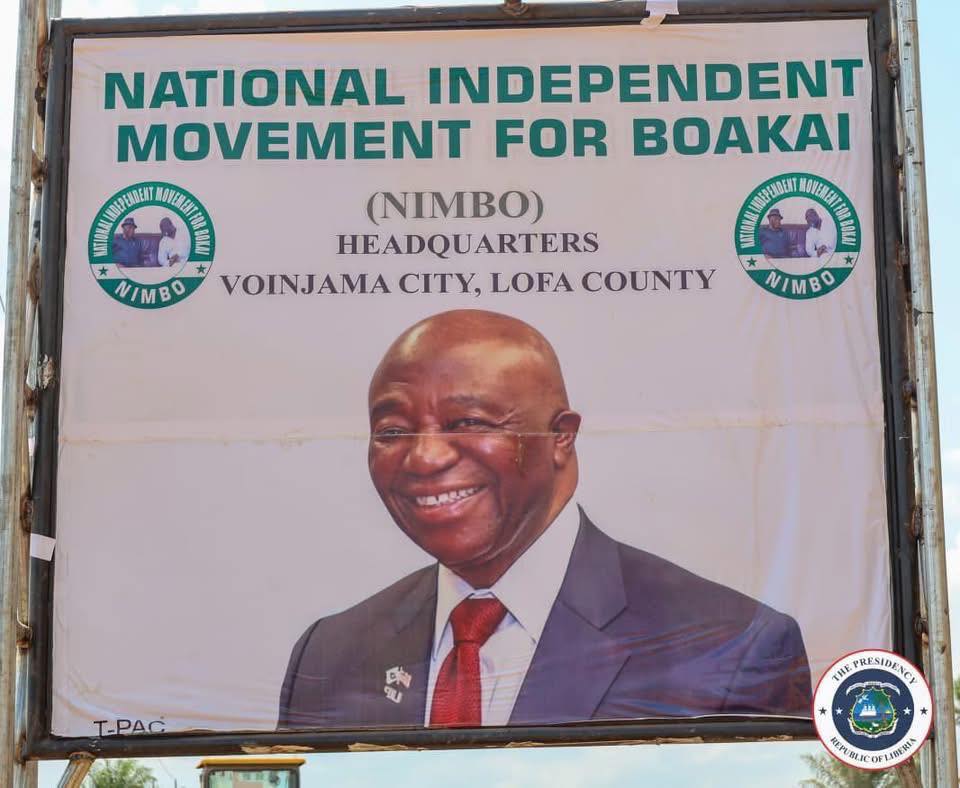
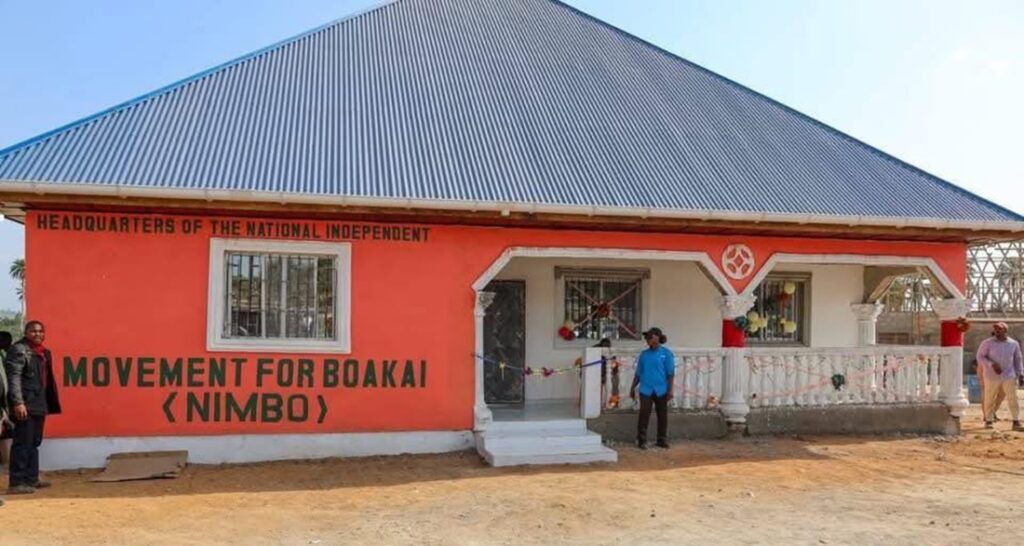
MONROVIA — Deputy Speaker of the House of Representatives of Liberia, Thomas P. Fallah, has announced the launch of a new political mobilization platform—National Independent Movement for Boakai (NIMBO)—in what analysts describe as a significant development in Liberia’s evolving political landscape.
The movement, officially set to be launched on May 24, 2026, is aimed at consolidating grassroots and cross-party support for President Joseph Nyuma Boakai’s re-election while positioning itself as a broad coalition beyond traditional party structures.
A “Big Tent” Political Strategy
In a statement posted on his official Facebook page, Fallah described NIMBO as an inclusive, non-traditional political movement designed to attract Liberians across party lines, including those dissatisfied with their current affiliations.
“If you belong to a political party but feel disenchanted, this movement welcomes you,” Fallah declared, extending an open invitation to both partisan and non-affiliated citizens.
The Deputy Speaker emphasized that the initiative is anchored on sustaining Liberia’s current development trajectory, particularly under the administration’s flagship ARREST Agenda for Inclusive Development (AAID).
Mobilizing for 2029—and Beyond
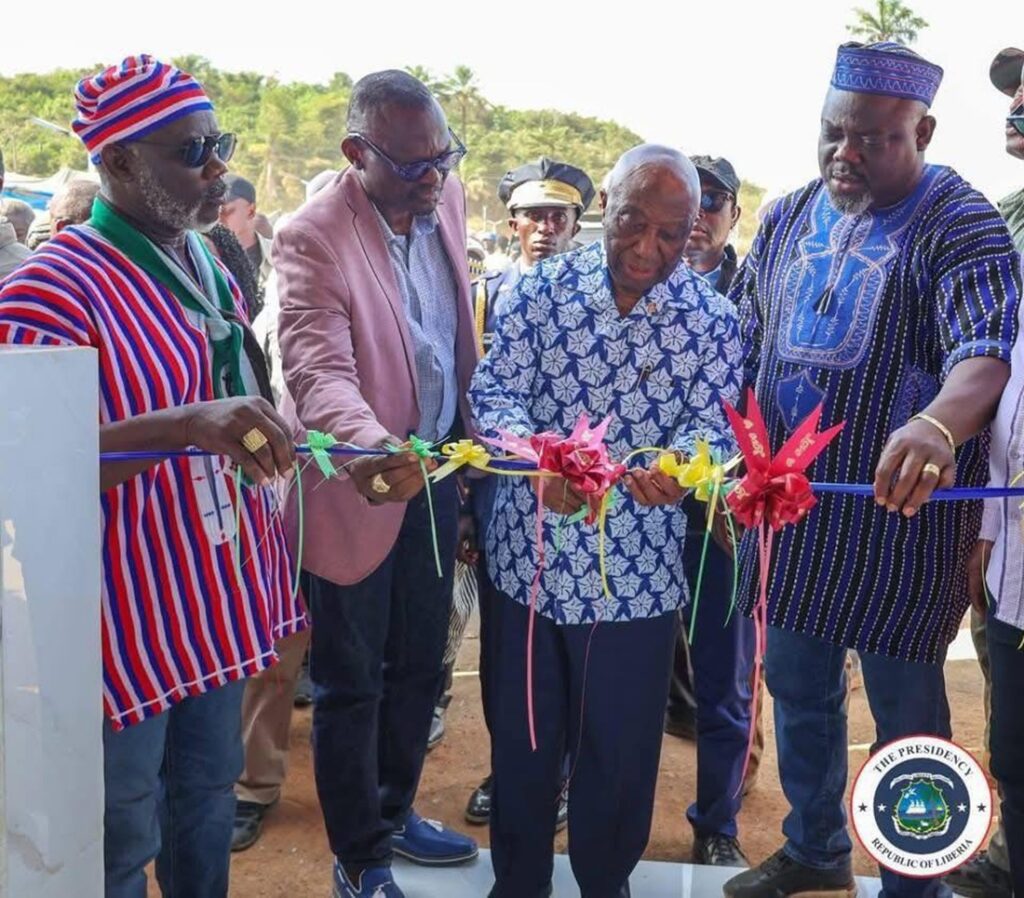
While the immediate objective of NIMBO is to support President Boakai’s re-election bid, political observers note that the movement could play a longer-term role in shaping Liberia’s political realignment ahead of the 2029 general elections.
Fallah, a seasoned political operator with strong grassroots networks, is widely seen as leveraging NIMBO to expand influence beyond his traditional base—potentially redefining alliances within and outside the ruling Unity Party.
Analysts say the emergence of such a movement reflects a growing trend in Liberian politics where informal coalitions and personality-driven platforms increasingly complement—or compete with—established party structures.
Targeting Disenchanted Voters
Central to NIMBO’s messaging is its appeal to politically unaffiliated citizens and those disillusioned with existing parties.
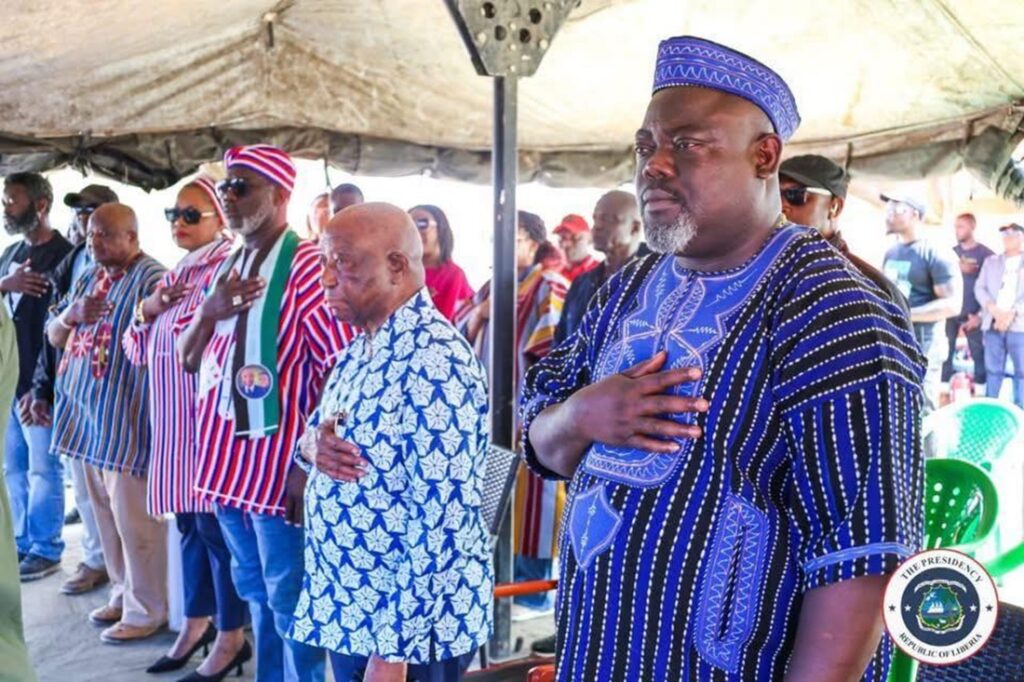
“If you are committed to preserving peace, stability, and continued progress, there is a place for you here,” Fallah stated, positioning the movement as a unifying force in a politically fragmented environment.
This approach could prove strategic, particularly in mobilizing youth voters and independents—demographics that have shown increasing influence in recent electoral cycles.
Reinforcing the Boakai Agenda
The movement’s emphasis on continuity aligns closely with President Boakai’s governance narrative, which focuses on economic recovery, infrastructure development, and institutional reform.
Supporters argue that NIMBO could serve as a powerful grassroots engine to amplify the administration’s achievements and counter opposition narratives ahead of future elections.

Political Implications
The launch of NIMBO comes at a time of heightened political activity in Liberia, with shifting alliances, internal party tensions, and emerging opposition movements shaping the national discourse.
While it remains to be seen how the movement will be received across the political spectrum, its formation underscores a broader recalibration of political strategies—particularly the move toward coalition-building outside formal party lines.
For Deputy Speaker Fallah, the initiative represents both a show of loyalty to the Boakai administration and a calculated step in Liberia’s next phase of political competition.
As the May 24 launch approaches, attention will be on how effectively NIMBO translates its broad-based appeal into tangible political momentum.
Follow The Liberian Post on Facebook and X (formerly twitter)