–Consolidated Action Is Needed Now—Not After Communities Are Underwater
By Arthur R.M. Becker
Environmental, Climate Change and International Development Expert
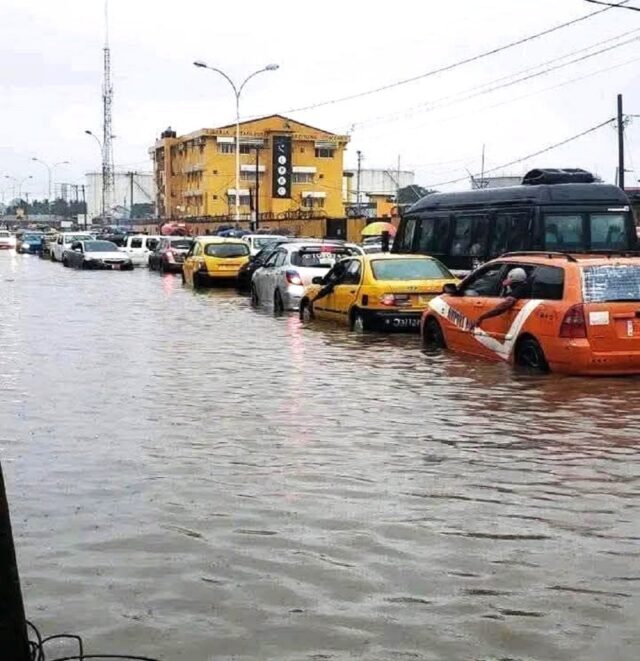
As Liberia moves deeper into its annual rainy season, flooding has once again emerged as one of the country’s most urgent humanitarian, environmental, and development challenges. Heavy downpours have inundated communities, disrupted livelihoods, damaged critical infrastructure, and exposed longstanding weaknesses in urban planning, waste management, and disaster preparedness.
Seasonal rainfall is a natural feature of Liberia’s tropical climate. However, the increasing frequency and severity of flooding in recent years suggest that the country is confronting more than a recurring weather event. The combined effects of rapid urbanization, inadequate drainage systems, environmental degradation, and climate change are transforming seasonal rains into increasingly destructive disasters.
Flooding is no longer merely an inconvenience; it has become a growing threat to public safety, economic stability, and sustainable development.
Every year, homes are submerged, roads and bridges become impassable, businesses are forced to close, schools suspend classes, and healthcare facilities struggle to serve affected communities. Families often lose their belongings within hours and are displaced with little or no warning, forcing many to seek refuge in overcrowded shelters where access to clean water, sanitation, and healthcare is limited.
The health consequences are equally alarming. Floodwaters contaminate drinking water sources and create conditions conducive to outbreaks of waterborne diseases such as cholera, diarrhea, and typhoid. At the same time, stagnant water provides ideal breeding grounds for mosquitoes, increasing the risk of malaria and other vector-borne diseases.
For thousands of Liberian farmers, flooding also means the destruction of crops, the loss of livestock, and diminished incomes. As agricultural production declines, food insecurity worsens, placing additional pressure on already vulnerable households and increasing dependence on food imports.
Yet many of these impacts are neither inevitable nor unavoidable.
Across Liberia, blocked drainage systems, indiscriminate dumping of solid waste into waterways, unregulated construction in wetlands and flood-prone areas, and weak enforcement of environmental regulations have significantly amplified the destructive effects of heavy rainfall. Climate change has further intensified the challenge by contributing to more erratic weather patterns and increasingly intense rainfall events.
Floods may begin with rain, but human actions often determine how devastating they become.
Addressing this challenge requires a coordinated national response that goes far beyond emergency relief after disasters occur. Prevention, preparedness, and resilience must become central pillars of Liberia’s development agenda.
The Government of Liberia, through the National Disaster Management Agency (NDMA), the Ministry of Public Works, the Ministry of Health, the Environmental Protection Agency (EPA), the Liberia Water and Sewer Corporation (LWSC), municipal authorities, and other relevant institutions, must take immediate and coordinated action.
Priority measures should include clearing blocked drainage systems before peak rainfall periods, rehabilitating damaged drainage infrastructure, strengthening flood forecasting and early warning systems, identifying and preparing safe evacuation centers, pre-positioning emergency relief supplies, and rigorously enforcing environmental and building regulations.
Beyond emergency interventions, Liberia must invest in climate-resilient infrastructure, integrated urban planning, watershed management, and nature-based solutions that reduce flood risks while supporting sustainable development. These investments should no longer be viewed as optional—they are essential for protecting lives, safeguarding public infrastructure, and strengthening national resilience.

Local governments and community leaders also have a pivotal role to play.
Regular community clean-up campaigns should be organized to remove waste from drainage channels and waterways before the height of the rainy season. Public education campaigns should equip residents with practical knowledge on flood preparedness, emergency response, and environmental stewardship. Community-based disaster management committees can help identify vulnerable households, coordinate local response efforts, and ensure that warnings reach those most at risk.
Citizens, too, have a responsibility.
Improper waste disposal remains one of the leading causes of blocked drainage systems in many urban communities. Every individual can contribute to reducing flood risks by disposing of waste responsibly, refraining from building in flood-prone areas, maintaining drainage channels around homes and businesses, and responding promptly to official weather alerts and evacuation instructions.
Effective disaster management is a shared responsibility. Government leadership is indispensable, but lasting success depends on active public participation.
Flooding should no longer be regarded solely as a natural disaster. Increasingly, it reflects the cumulative consequences of environmental neglect, weak planning, and insufficient preparedness. Recognizing this reality is the first step toward reducing future losses.
Liberia possesses the knowledge, institutions, and experience necessary to better manage flood risks. What is needed now is stronger coordination, sustained investment, stricter enforcement of environmental laws, and a collective commitment to building more resilient communities.
The cost of prevention will always be far less than the cost of recovery.
As climate change continues to reshape weather patterns across West Africa, the urgency for decisive action has never been greater. Every rainy season offers another reminder that waiting until floodwaters rise is neither an effective nor sustainable strategy.
The time to strengthen Liberia’s resilience is now—before the next storm arrives, not after disaster has already struck.