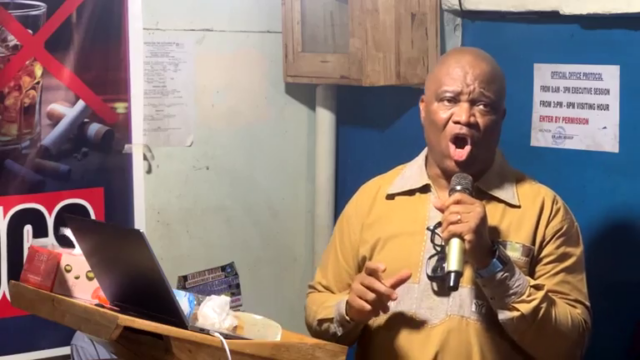
MONROVIA — Opposition politician Simeon M. Freeman has launched a blistering critique of Liberia’s national budget, alleging widespread misallocation of resources, systemic corruption, and neglect of critical sectors such as healthcare.
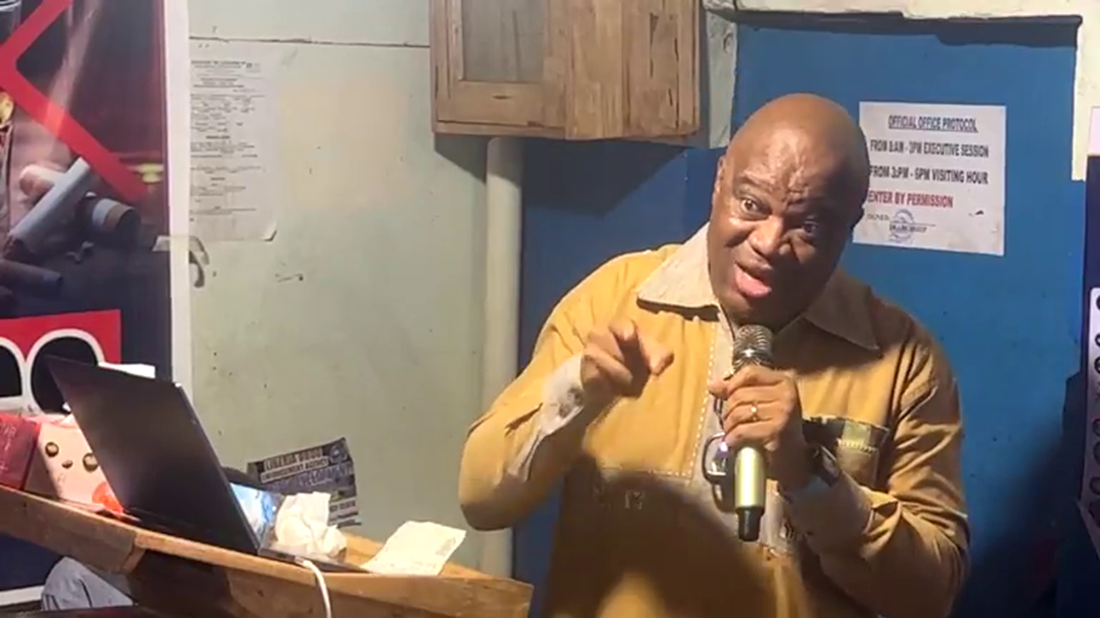
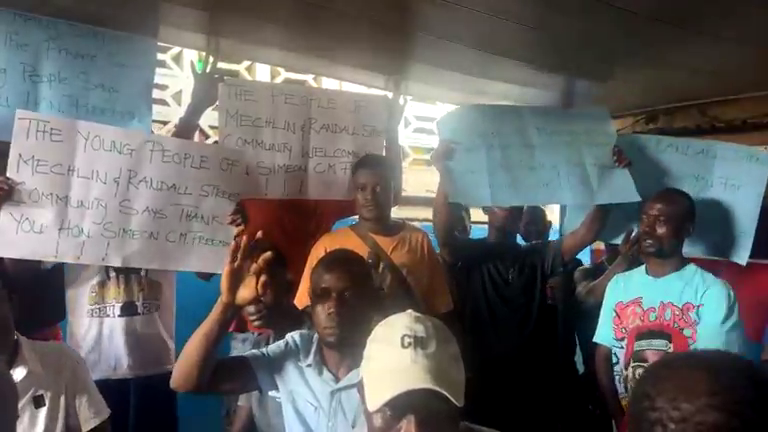
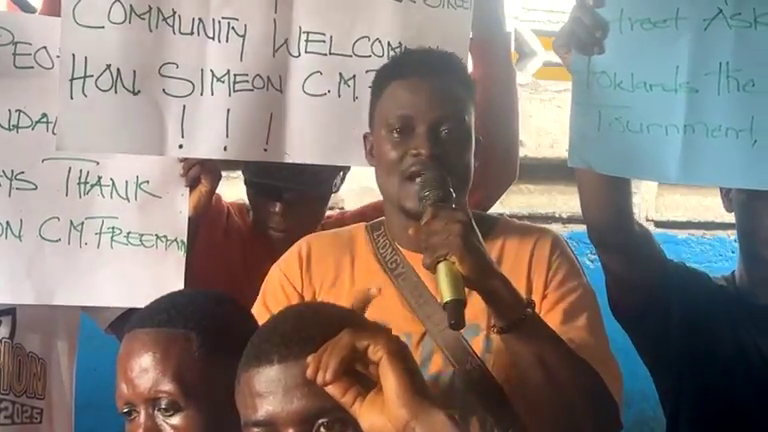
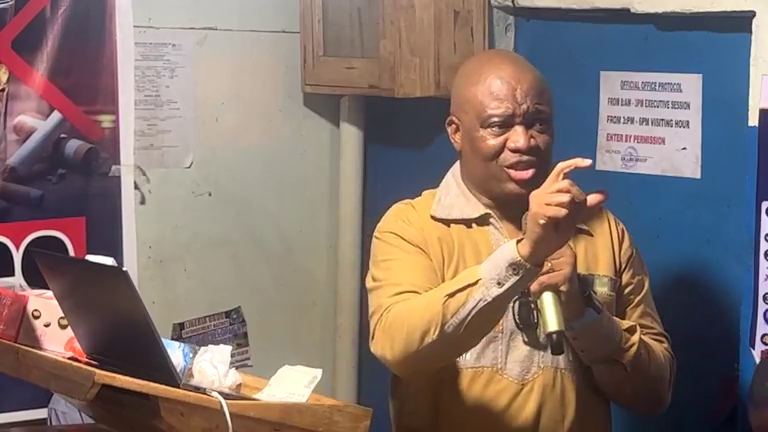
Speaking at the Center for the Exchange of Intellectual Opinions (CEIO) Tuesday, April 28, Freeman presented what he described as a data-driven breakdown of the national budget, arguing that government spending priorities are failing ordinary Liberians while favoring political and security interests.
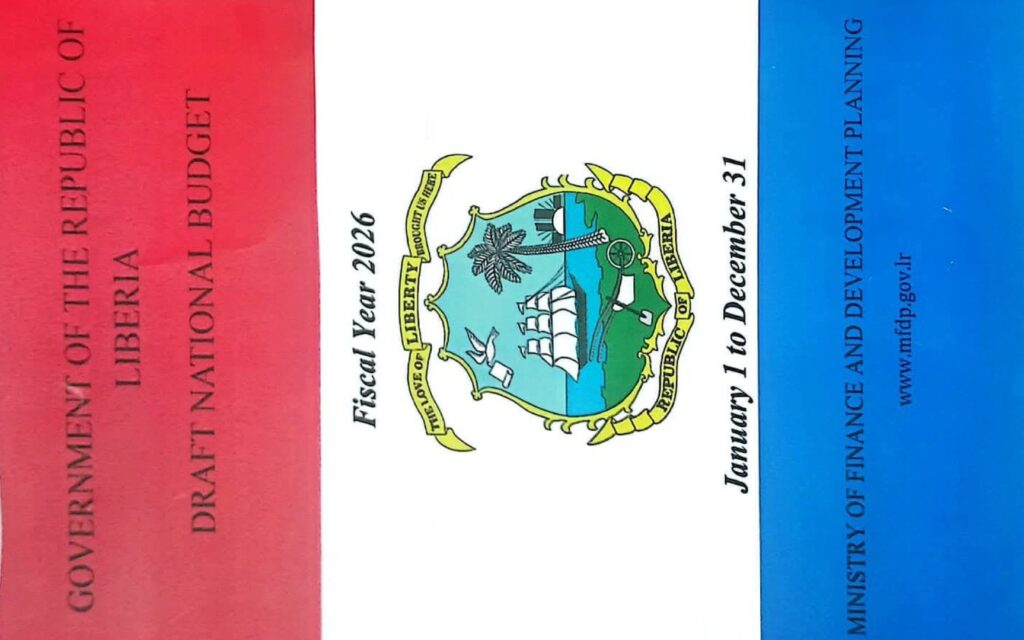
Health Sector ‘Neglected’ Amid Limited Drug Funding
Freeman’s most striking claims centered on the state of Liberia’s healthcare system, which he said is severely underfunded despite growing national needs.
According to his analysis, out of the Ministry of Health’s budget, only about $4.2 million is allocated for drugs and medical consumables nationwide—a figure he said is grossly inadequate.
“We’re spending less than one dollar on drugs for millions of Liberians… I want you to see the reality,” Freeman declared.
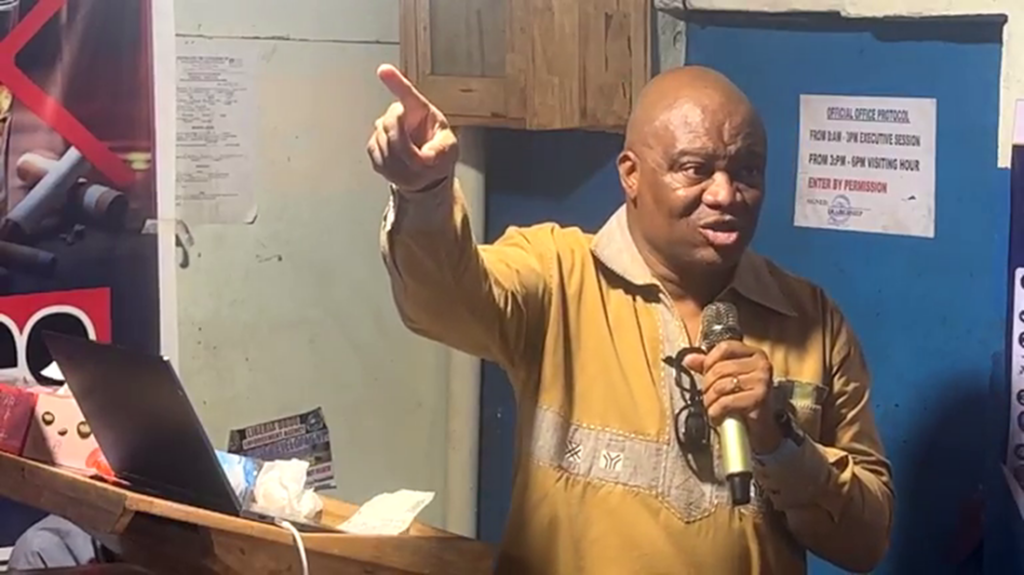
Breaking down the numbers, he argued that the allocation translates to roughly $1,300 per day across the entire country, raising concerns about the availability of essential medicines in public health facilities.
Freeman further questioned regional allocation patterns within the health budget, alleging that a disproportionate share of funding is directed toward Lofa County, the home region of both President Joseph Boakai and Finance Minister Augustine Ngafuan.
“The bulk of the money went to Lofa… but other hospitals across the country that need expansion are left out,” he claimed.
Security Spending Under Fire
The opposition figure also raised alarm over what he described as excessive and opaque spending within the security sector, particularly at the National Security Agency (NSA).
Freeman pointed to a sharp increase in the NSA’s budget—estimated at over $22 million—and questioned the transparency of the institution, which he noted is legally shielded from public auditing.
“The act that created the NSA says it cannot be audited… that’s why successive governments use it,” he alleged.
He contrasted the NSA’s funding with that of the Liberia National Police, which he said is left with limited operational resources despite its critical role in maintaining public safety.
“How do you expect a national police to operate with limited resources, while millions are allocated elsewhere?” he asked.
Freeman argued that the imbalance contributes to weak law enforcement capacity, poor working conditions for officers, and rising public frustration with security services.
Corruption and Governance Concerns
Beyond sector-specific criticisms, Freeman framed his presentation as a broader indictment of governance and accountability in Liberia.
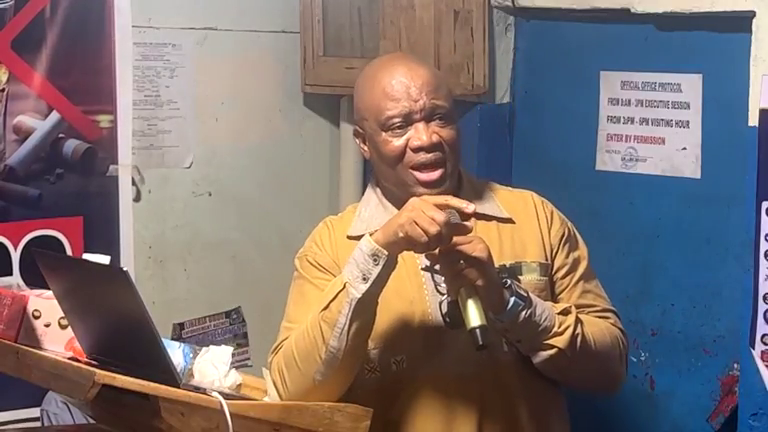
“This is not politics—this is our lives they are playing with,” he said, accusing officials of prioritizing personal gain over national development.
He alleged that systemic corruption is embedded within government structures, particularly through opaque budget allocations and bureaucratic inefficiencies.
“If you take all that money and spend it on the real people that matter, corruption will disappear,” Freeman argued, calling for a fundamental restructuring of public spending priorities.
Freeman also criticized what he described as an expanding bureaucracy filled with advisory positions and non-essential expenditures, which he said divert resources away from critical sectors such as health, education, and infrastructure.
Call to ‘Elevate the Debate’
In closing, Freeman urged Liberians to become more engaged in national budget discussions and hold leaders accountable.
“If you don’t elevate the conversation… we will continue to have a problem in this country,” he warned.
He called for increased public scrutiny of government spending and encouraged citizens to demand greater transparency and equitable resource distribution.
Government Yet to Respond
As of press time, the government had not issued an official response to Freeman’s claims.
However, his remarks are likely to intensify political debate around Liberia’s fiscal policies, particularly as the country navigates economic challenges and seeks to improve service delivery across key sectors.
Analysts say the allegations, if substantiated, could raise serious questions about budget transparency and the effectiveness of public expenditure in addressing the needs of Liberians.
For now, Freeman’s presentation has added fresh momentum to ongoing national conversations about governance, accountability, and the future direction of Liberia’s development agenda.
Follow The Liberian Post on Facebook and X (formerly twitter)