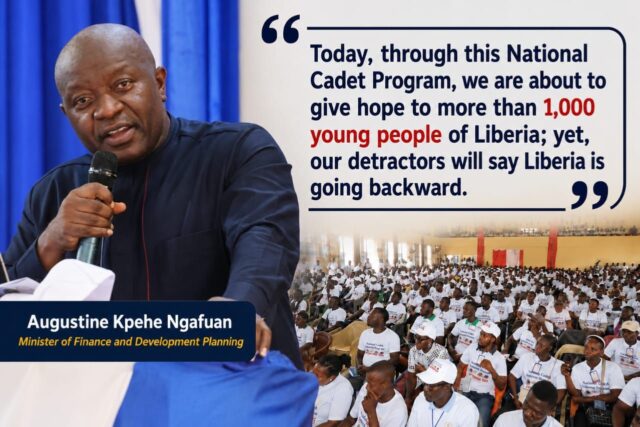
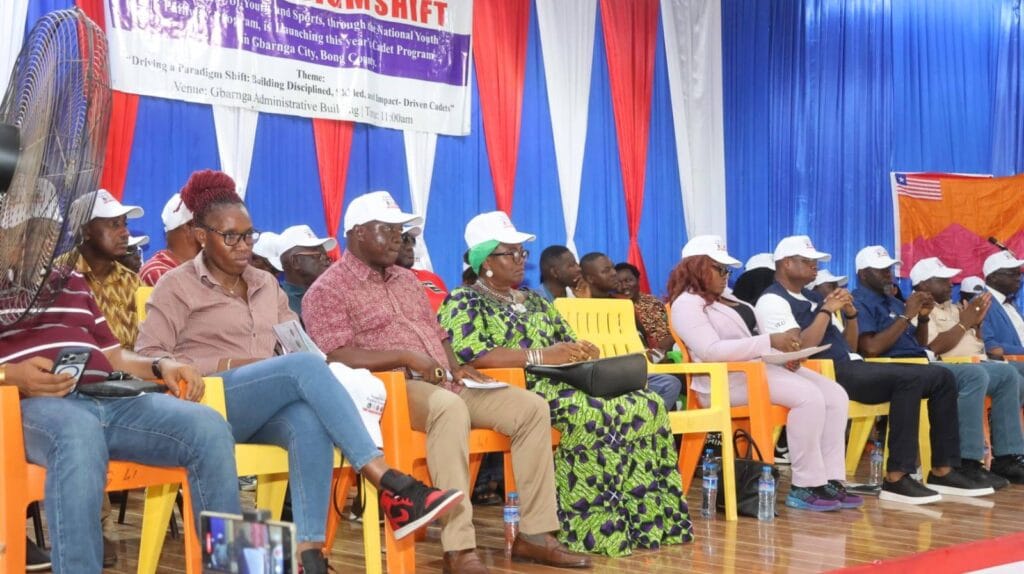
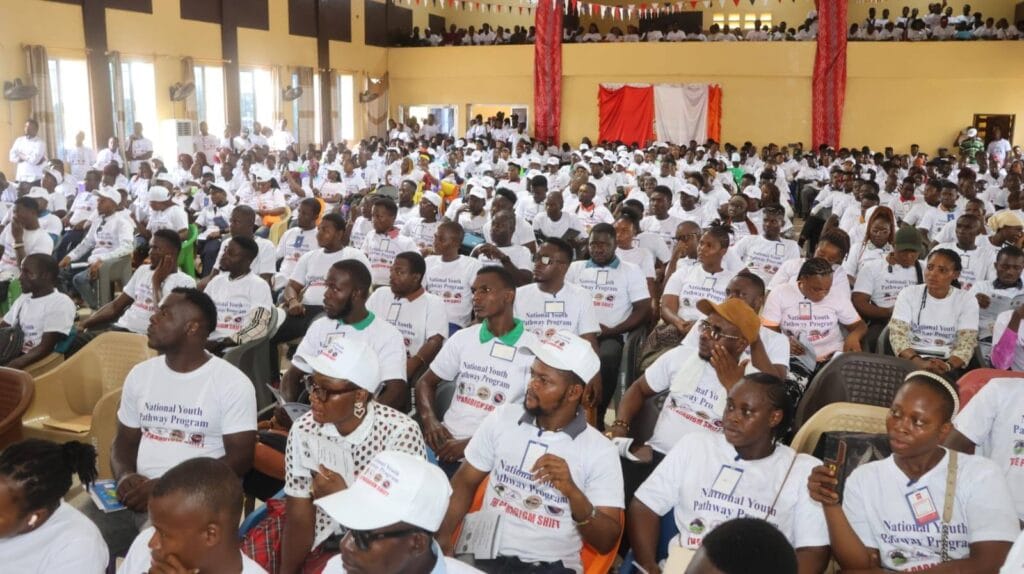
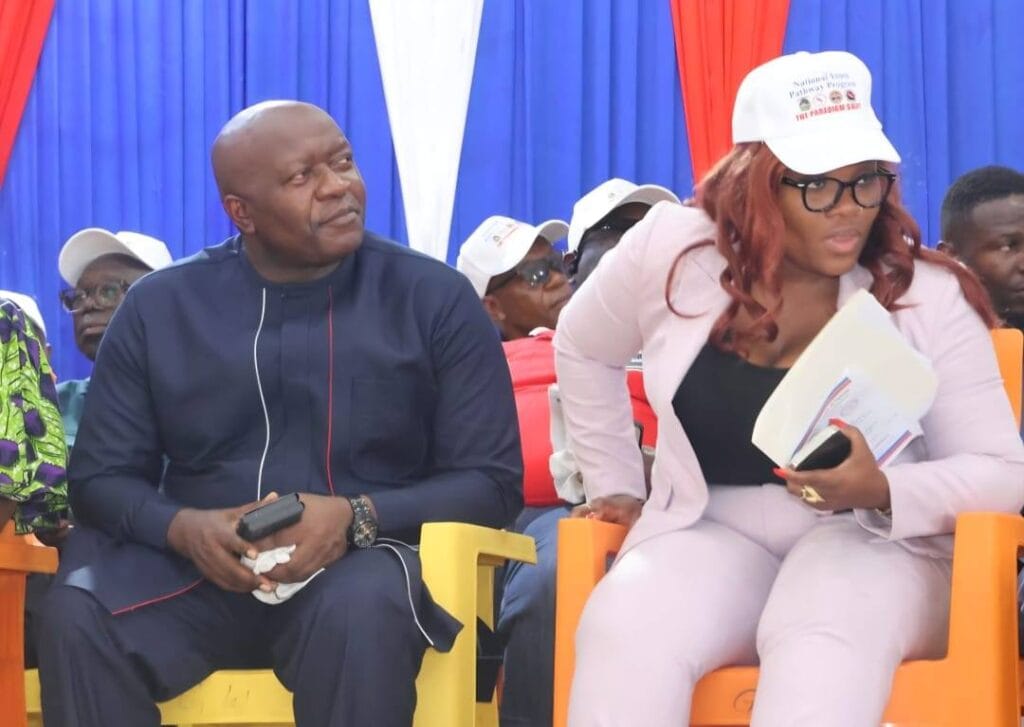
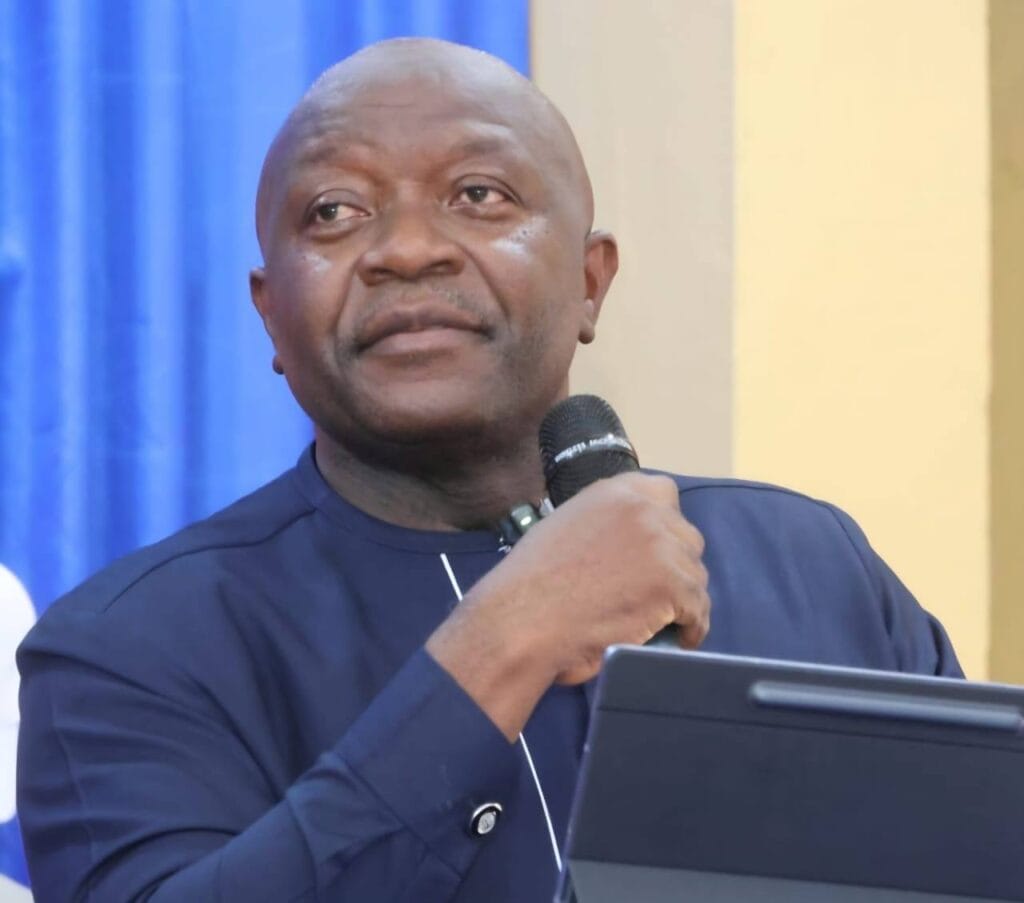
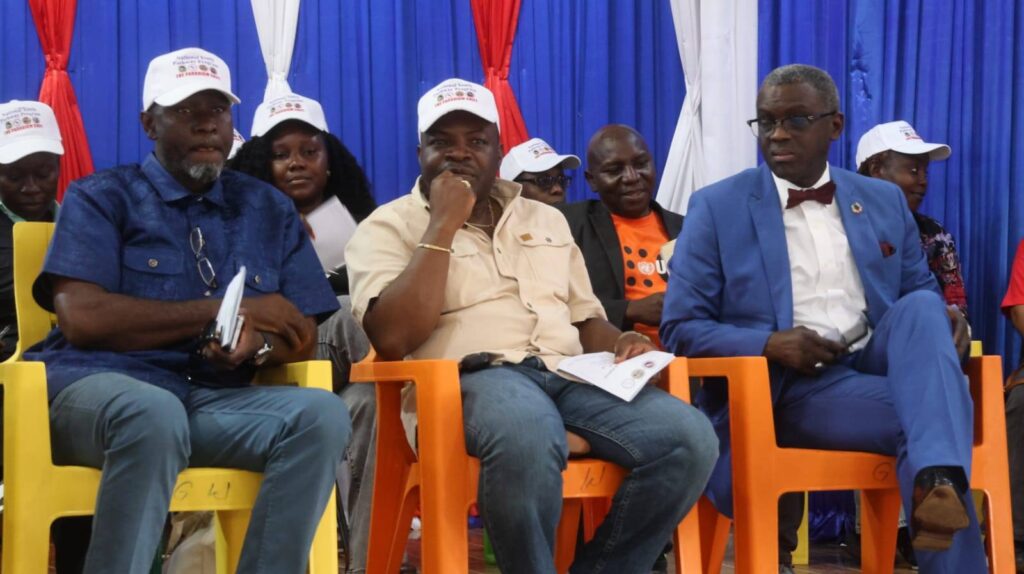
GBARNGA, Bong County – On a humid last Friday afternoon in Gbarnga, as more than 1,100 young Liberians prepared to begin their journey through the government’s National Cadet Program, Finance and Development Planning Minister Augustine Kpehe Ngafuan stood before them not merely as a government official launching another national initiative, but as a man revisiting the fragile bridge between youthful dreams and national leadership.
For a brief moment, the powerful minister disappeared. In his place stood a young boy from the late 1980s — nervous, shy, ambitious, uncertain — reporting for duty at the Liberia Petroleum Refining Company as an intern from the Booker Washington Institute.
“In November 1988, a very significant thing happened in my life,” Ngafuan recalled softly. “I began a six-month internship program in the Comptroller’s Department at the Liberia Petroleum Refining Company.”
The room listened.
The cadets had gathered expecting policy speeches, encouragement, perhaps statistics about youth unemployment and government empowerment programs. Instead, they received something far more intimate: a testimony.
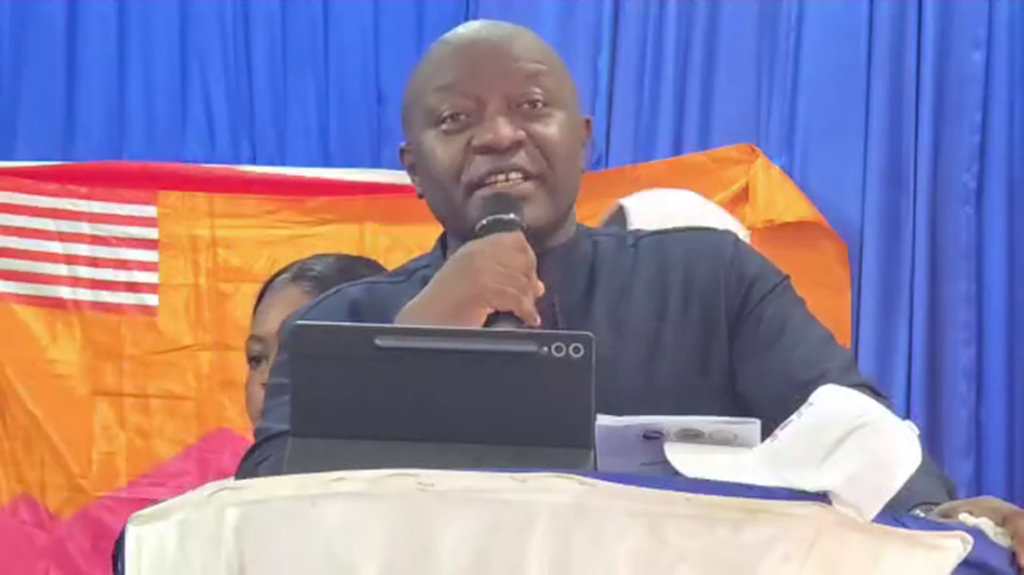
Ngafuan painted vivid scenes from another Liberia — one where a BWI student proudly wore an LPRC identification card, rode in elegant company buses, and discovered that the theories taught in classrooms could breathe inside real offices, real ledgers, and real responsibilities.
It was there, he suggested, that transformation quietly began.
“When I returned to school in May 1989,” he said, “I was a stronger, smarter, more practical person than what I was when I began the internship program.”
There was poetry in the symmetry of the moment.
Nearly four decades later, the same young intern who once walked the corridors of LPRC carrying little more than ambition and discipline now stood as Liberia’s Finance and Development Planning Minister launching one of the country’s largest youth professional development programs.
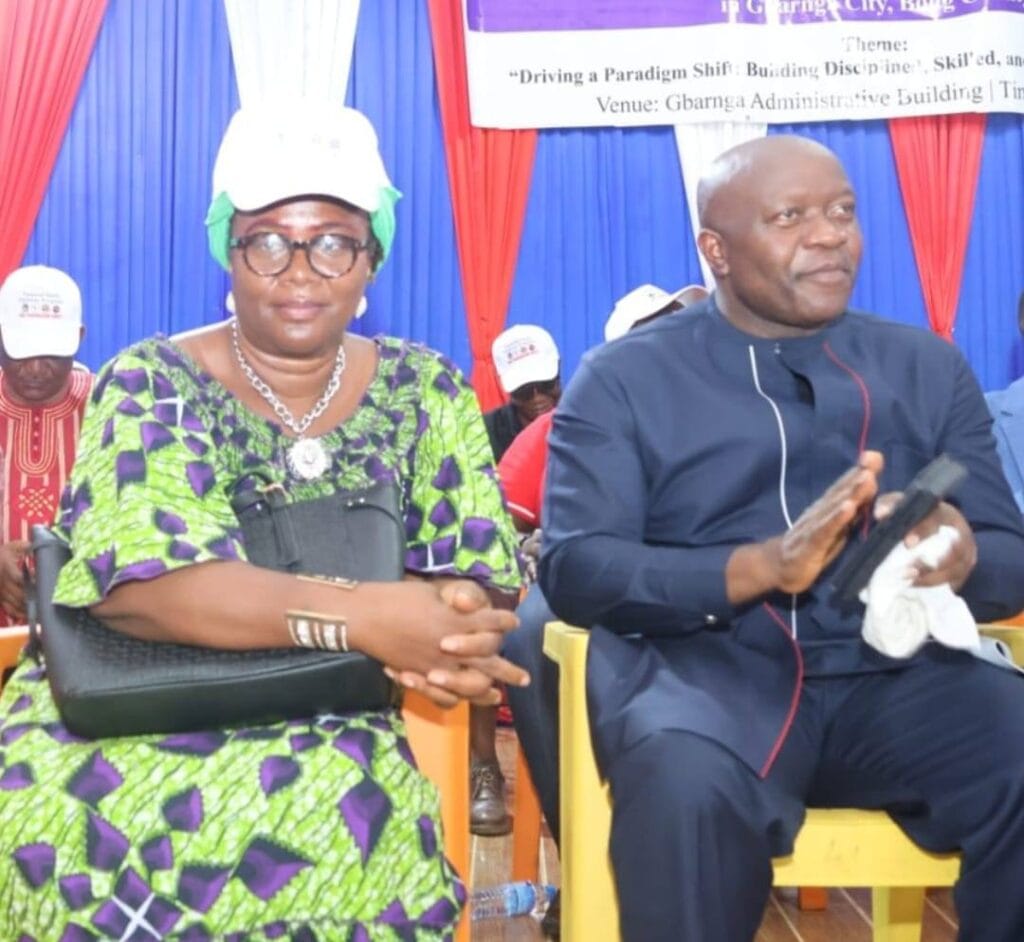
History, in that hall, seemed to fold into itself.
Yet this was not the first time Ngafuan had publicly reflected on the power of humble beginnings. Months earlier, in November 2025, while addressing graduates at Boatswain Senior High School, the Finance Minister delivered a deeply personal message about poverty, perseverance, and purpose.
“Poverty is not a prison. It’s not a death sentence,” Ngafuan told the students during that 2025 graduation address.
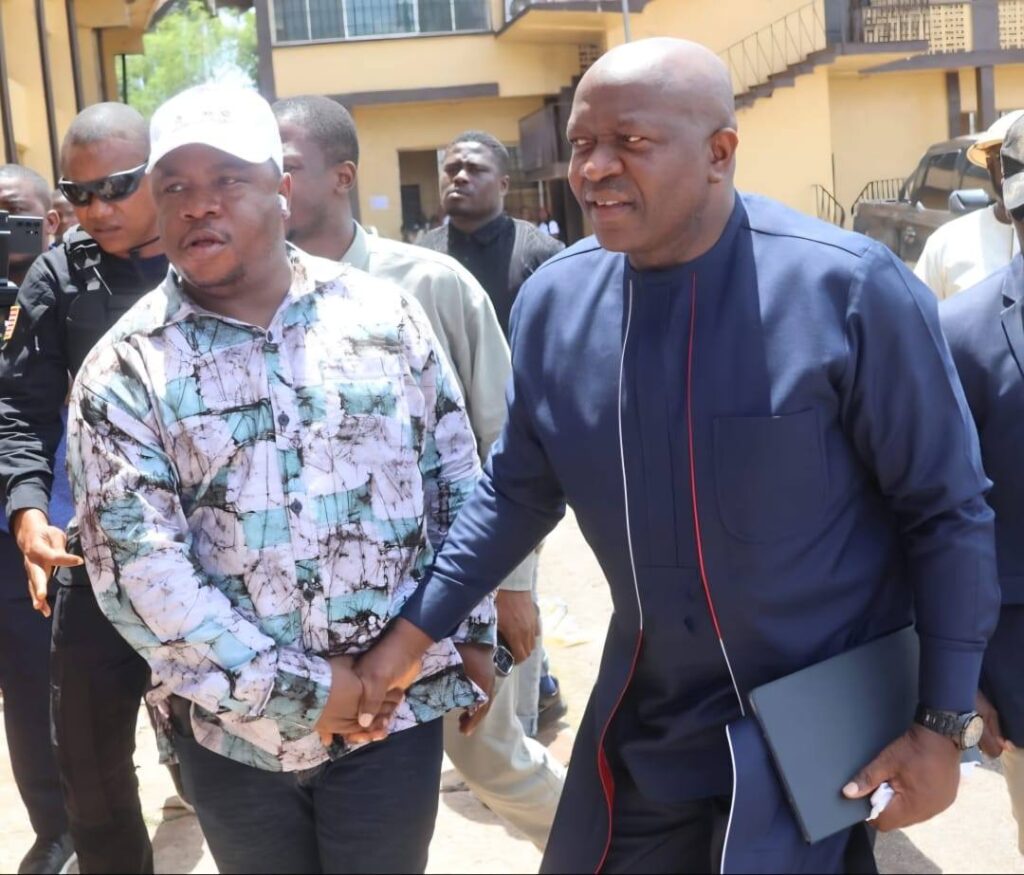
The words echoed again in Gbarnga — even if indirectly.
Ngafuan has never hidden the reality of his upbringing. He often speaks openly about growing up in modest conditions, without privilege, influence, or powerful family connections. At Boatswain, he recalled how his father, despite lacking formal education, still ensured newspapers entered their home daily so his children could remain informed and inspired.
That philosophy now appears central to his message to Liberia’s youth: circumstances may delay progress, but they do not have to define destiny.
The speech in Gbarnga was therefore more than nostalgia. It was a political and philosophical defense of opportunity itself.
Ngafuan understands perhaps better than many public officials that leadership journeys are rarely born in grand conference rooms. Sometimes they begin quietly — inside internships, cadet programs, first assignments, uncomfortable transitions from theory to practice.
He told the cadets that life outside the classroom would humble them.
“Being an honor-roll student in university does not automatically transform someone into an honor-roll professional in the workplace,” he warned.
Then came one of the most memorable passages of the address — a reflection not only about employment, but about character.
“Where you find darkness, spread your light,” he urged. “Where you find laziness, spread your strength. Where you find hopelessness, share hope.”
The speech drifted between mentorship and nation-building.
The cadet program, for Ngafuan, is not merely administrative policy. It is deeply personal.
He is living evidence of what such opportunities can become.
The BWI intern who once learned accounting principles inside LPRC would eventually rise through international institutions, diplomacy, and government service to become one of Liberia’s most influential economic policymakers.
Yet on Friday, May 15, in Gbarnga, the minister seemed less interested in his title than in the possibility that somewhere among the 1,100 cadets sat another future minister, central bank governor, diplomat, entrepreneur — or perhaps even a future president.
And perhaps that was the true essence of his speech.
Not self-celebration. But testimony.
A reminder that sometimes a nation changes not only through elections or speeches, but through one internship, one opportunity, one young person at a time.
Follow The Liberian Post on Facebook and X (formerly twitter)