-Embassy Says Findings from One of the World’s Largest Health Surveys Demonstrate the Impact of Sustained Investments in Healthcare, Digital Inclusion and Social Protection
MONROVIA, Liberia – India has reported significant progress in maternal and child healthcare, nutrition, immunization, financial protection and women’s empowerment, according to findings from the country’s newly released National Family Health Survey-6 (NFHS-6), with the Government describing the results as evidence of the transformative impact of sustained public investment in health and social welfare.
In a press note issued by the Embassy of India in Monrovia, the mission said the nationwide survey reflects remarkable improvements in several key human development indicators and demonstrates India’s continued commitment to achieving the Sustainable Development Goals (SDGs) while ensuring that development reaches every citizen.
Conducted during 2023–2024, the National Family Health Survey covered nearly 679,000 households across 715 districts, making it one of the largest health and family welfare surveys ever undertaken anywhere in the world. The survey provides comprehensive data on population health, nutrition, family planning, maternal and child welfare, and socio-economic development.
According to the Embassy, the findings highlight the positive impact of sustained government investment, strong community participation and targeted social welfare programmes that have improved the lives of millions of Indians.
Maternal Healthcare Records Significant Improvement
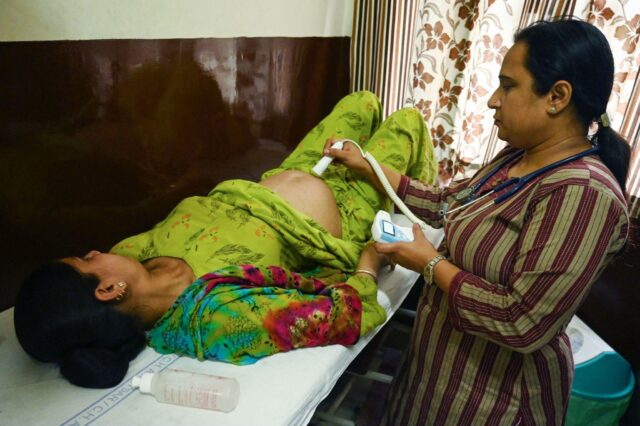
Among the survey’s most notable findings is substantial progress in maternal healthcare services.
According to NFHS-6, antenatal care coverage increased to 95.9 percent, while the percentage of women receiving antenatal care during the first trimester of pregnancy rose from 70 percent to 76.2 percent.
The proportion of expectant mothers completing at least four antenatal visits also improved from 58.5 percent to 65.2 percent, while institutional deliveries climbed to 90.6 percent. Births attended by skilled health professionals increased to 91.3 percent, with postnatal care for newborns also recording significant gains.
Maternal nutrition likewise showed encouraging progress.
Women consuming iron and folic acid supplements for at least 100 days during pregnancy increased from 44.1 percent to 54.9 percent, while those taking supplements for 180 days or longer rose from 26 percent to 37.8 percent.
Indian authorities attributed these improvements to flagship maternal health programs, including Janani Suraksha Yojana, Pradhan Mantri Surakshit Matritva Abhiyan, SUMAN, and the Pradhan Mantri Matru Vandana Yojana, all designed to promote safer pregnancies and healthier childbirth outcomes.

Child Immunization Reaches New Milestones
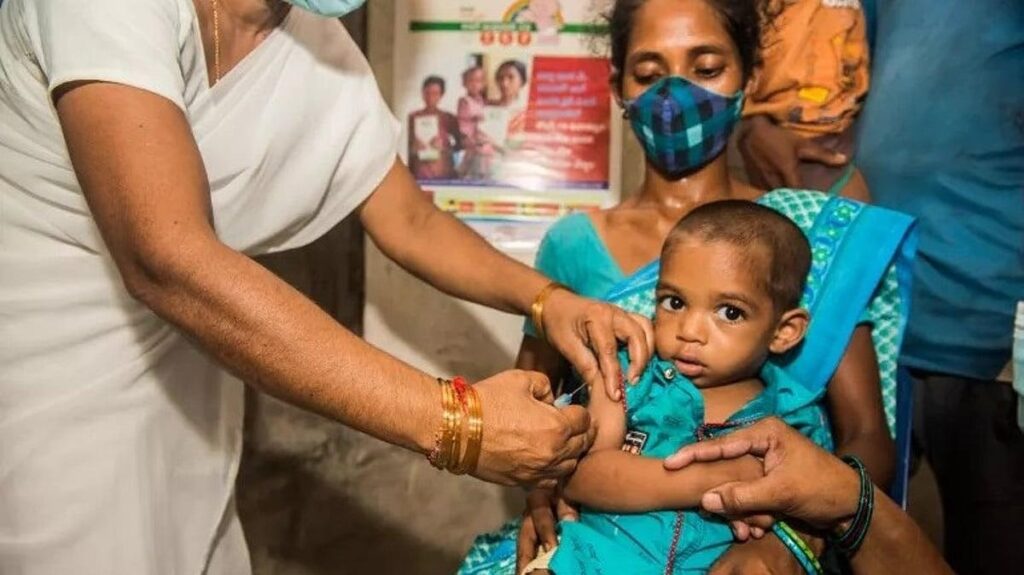
The survey also found that India continues to make significant strides toward universal childhood immunization.
Full vaccination coverage among children aged 12 to 23 months increased from 83.8 percent to 87.1 percent, while more than 96 percent of children received at least one vaccine.
Nearly 95.6 percent of vaccinations were administered through public health facilities, underscoring the strength of India’s public healthcare delivery system.
One of the survey’s standout achievements was the dramatic increase in rotavirus vaccinbation, which rose from 36.4 percent to 85.4 percent.
Coverage of the second dose of the measles vaccine also improved substantially, increasing from 58.6 percent to 71.8 percent.
The report further noted declines in cases of acute respiratory infections and severe diarrhoea among children, reflecting broader improvements in child healthcare.
Officials credited these gains to India’s Universal Immunization Programme, strengthened cold-chain infrastructure, digital vaccination tracking through the U-WIN platform, and the dedication of frontline health workers.
Child Malnutrition Continues to Decline
The survey presents encouraging evidence that India is making steady progress in combating child malnutrition.
Stunting among children under five declined from 35.5 percent to 29.3 percent, representing a significant improvement in long-term nutritional outcomes.
Severe wasting fell from 7.7 percent to 5.2 percent, while the proportion of underweight children also declined.
Breastfeeding practices improved considerably as well.
Nearly 96 percent of infants under six months were breastfed, while early initiation of breastfeeding within one hour of birth increased from 41.8 percent to 50.1 percent.
The number of children receiving complementary foods alongside breastmilk also rose significantly.
According to the Embassy, these improvements reflect the success of national nutrition programs such as POSHAN Abhiyaan, POSHAN 2.0, the Integrated Child Development Services, and other nutrition-focused interventions under India’s National Health Mission.
More Families Protected Against Medical Costs
The report also points to major improvements in financial protection against healthcare expenses.
Household coverage under health insurance and healthcare financing schemes increased from 41 percent to 60.2 percent, driven largely by Ayushman Bharat – Pradhan Mantri Jan Arogya Yojana, India’s flagship health insurance program for vulnerable families.
The Embassy said the expansion of health insurance has helped reduce financial barriers to healthcare while providing millions of households with greater protection against unexpected medical costs.
Women Benefit from Digital and Financial Inclusion
NFHS-6 also documents remarkable advances in women’s empowerment.
The proportion of women who have ever used the internet nearly doubled—from 33.3 percent to 64.3 percent.
Women operating their own bank or savings accounts increased from 78.6 percent to 89 percent, while ownership and use of mobile phones rose from 53.9 percent to 63.6 percent.
Meanwhile, the use of hygienic menstrual protection among women aged 15 to 24 climbed to 79.2 percent, reflecting increased awareness and improved access to reproductive health and hygiene products through government-supported programs.
Family Planning and Sustainable Development
The survey further found that India’s Total Fertility Rate has stabilized at 2.0, the replacement level considered necessary for long-term population stability.
At the same time, contraceptive prevalence increased from 66.7 percent to 69.1 percent, indicating expanded access to family planning services and informed reproductive choices.
Lessons for Global Health
According to the Embassy, the NFHS-6 findings tell a broader story of transformation, highlighting millions of individual successes—from mothers receiving quality prenatal care and children protected through life-saving vaccines to families gaining financial security against health emergencies and women empowered through education, technology and financial inclusion.
As one of Liberia’s longstanding development partners, India reaffirmed its commitment to sharing its experiences and best practices in public health, maternal and child welfare, digital inclusion and community-based healthcare with Liberia and other African countries.
The Embassy noted that the survey demonstrates how sustained investment in healthcare, nutrition, education and social protection can improve lives, strengthen communities and build more resilient nations—lessons that continue to resonate across the developing world.
For breaking news, in-depth analysis, and exclusive reports from Liberia and around the world, follow The Liberian Post on Facebook (https://web.facebook.com/profile.php?id=61576017166570) and X, formerly Twitter (https://x.com/LiberianPost).