MONROVIA — The Government of Liberia and the African Development Bank Group have called for urgent reforms to accelerate project implementation and strengthen accountability, as both sides convened the 2026 Country Portfolio Performance Review (CPPR) workshop in Monrovia.
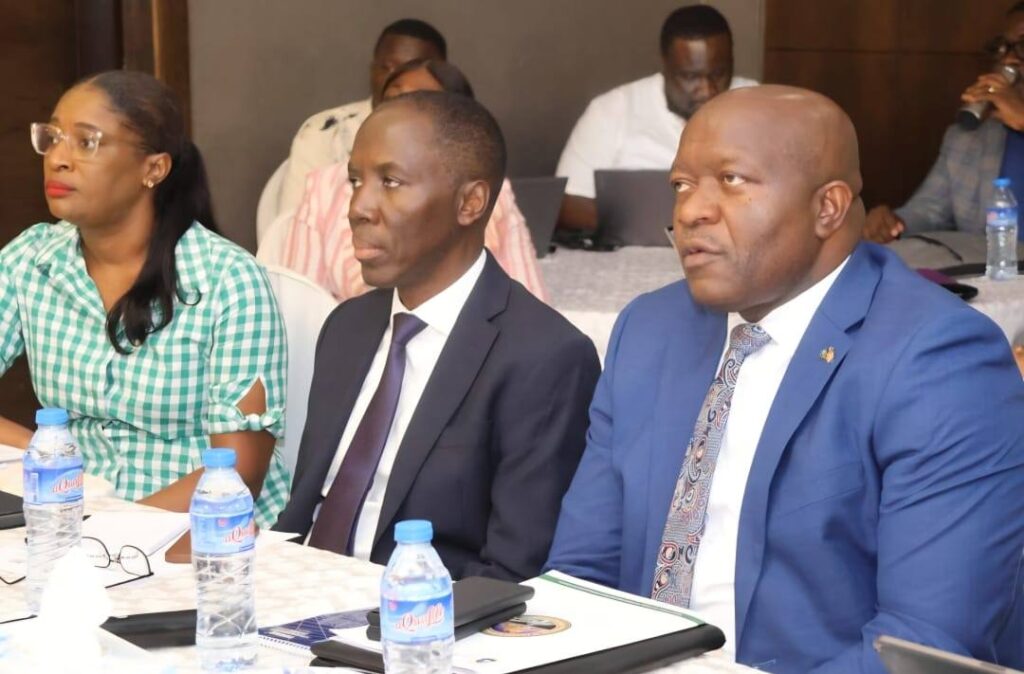
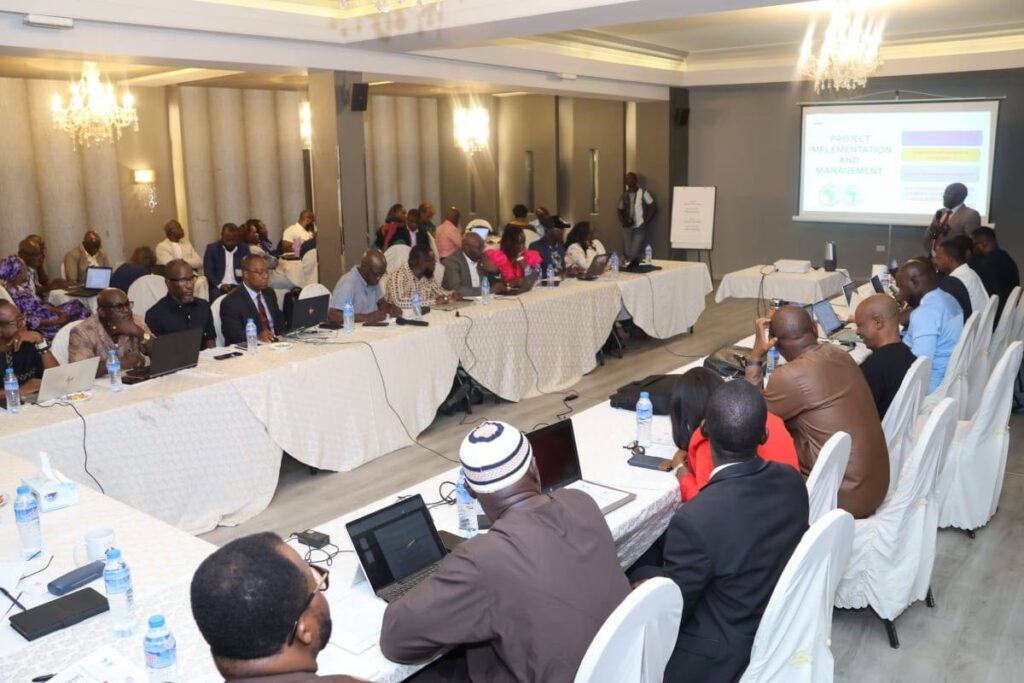
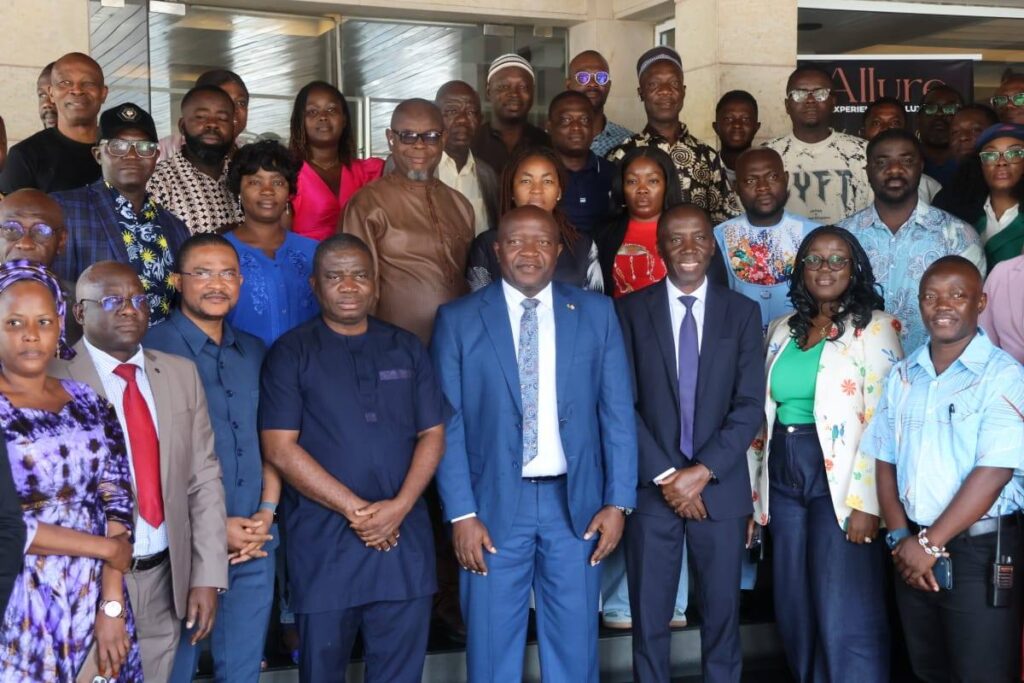
The high-level meeting, held at Mamba Point Hotel on Friday, March 27, brought together senior government officials, development partners, and project managers to assess the performance of Liberia’s AfDB-funded portfolio and chart a path toward more effective delivery.
“A Moment of Honest Reflection” — AfDB
In opening remarks, AfDB Country Manager Rees Mwasambili described the CPPR as a critical platform for confronting persistent implementation challenges.
“This CPPR is more than a routine review… it is a moment of collective reflection and renewed commitment,” he said.
Mwasambili emphasized the need for candor and action, urging stakeholders to move beyond surface-level assessments.
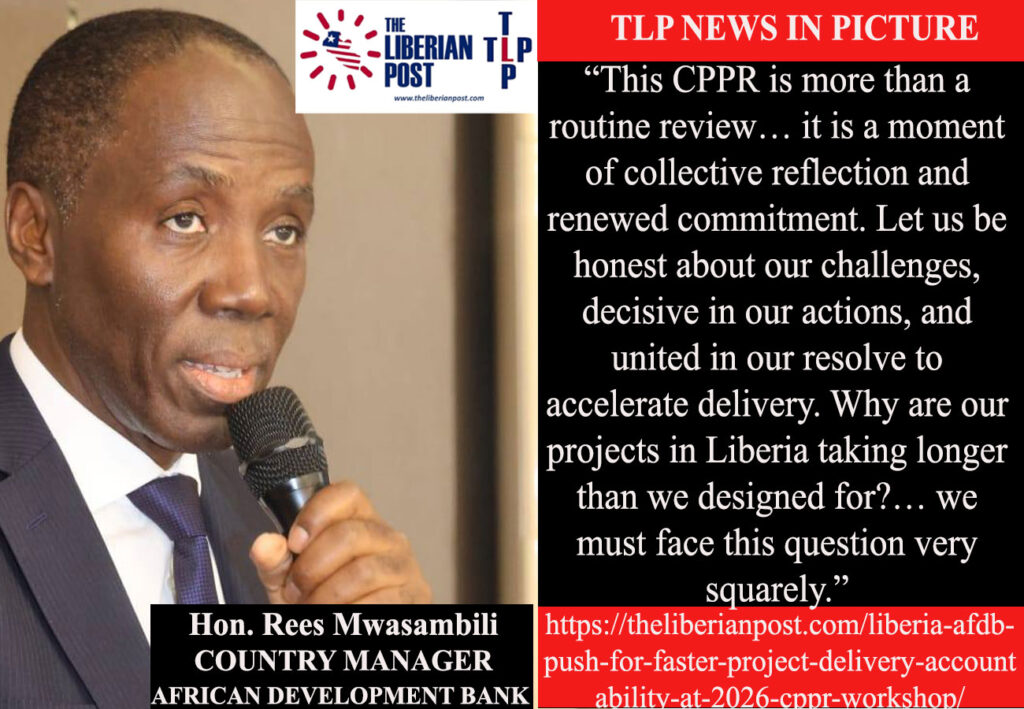
“Let us be honest about our challenges, decisive in our actions, and united in our resolve to accelerate delivery,” he added.
He also raised concerns about delays in project execution, noting that initiatives designed for four to five years are often extended to nearly a decade.
“Why are our projects in Liberia taking longer than we designed for?… we must face this question very squarely,” he stressed.

Government Demands Accountability
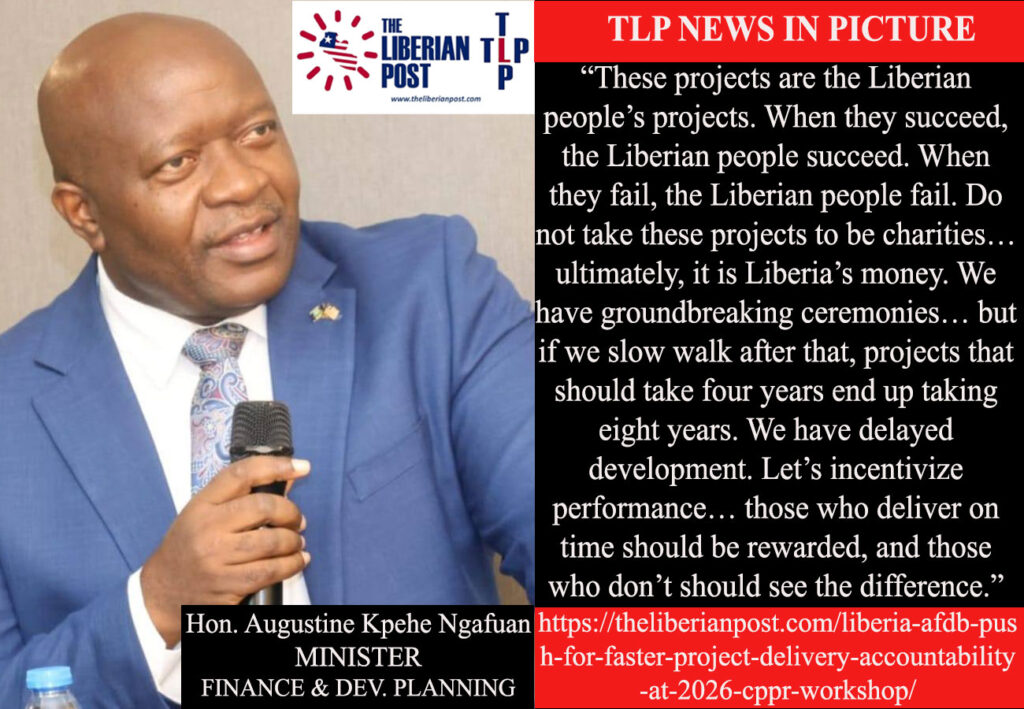
Delivering the Government’s perspective, Finance and Development Planning Minister Augustine Kpehe Ngafuan underscored that donor-funded projects must be treated as national investments—not charity.
“These projects are the Liberian people’s projects. When they succeed, the Liberian people succeed. When they fail, the Liberian people fail,” Ngafuan declared.
He reminded stakeholders that most development projects are financed through loans that Liberia must repay.
“Do not take these projects to be charities… ultimately, it is Liberia’s money,” he warned.
Delays and Bottlenecks Under Scrutiny
Ngafuan identified delays in project startup and execution as a major obstacle to development, citing slow legislative ratification, prolonged approval processes, and weak coordination.
“We have groundbreaking ceremonies… but if we slow walk after that, projects that should take four years end up taking eight years. We have delayed development,” he said.
He called for a shift from ceremonial launches to timely completion of projects.
Incentives and Sanctions Proposed
In a notable policy direction, the Finance Minister proposed aligning incentives for project managers with delivery timelines, including performance-based rewards.
“Let’s incentivize performance… those who deliver on time should be rewarded, and those who don’t should see the difference,” he stated.
He also stressed the need for individual accountability in cases of financial irregularities.
“When expenditures are declared ineligible… let us identify those individuals and let there be consequences,” Ngafuan asserted.
Portfolio Shows Progress, But Challenges Remain
Liberia’s AfDB portfolio, valued at approximately US$350 million, spans key sectors including infrastructure, agriculture, and energy.
Officials noted improvements, with the proportion of problem projects declining from 47 percent to about 32 percent, though stakeholders acknowledged that further progress is needed.
AfDB Reaffirms Commitment
Mwasambili reiterated the Bank’s commitment to Liberia’s development agenda, emphasizing that every dollar invested must translate into improved living conditions.
“Every dollar that comes in is supposed to transform a life,” he said.
He assured that the AfDB remains ready to work closely with the Liberian government to deliver measurable and impactful results.
Focus on Results, Not Just Diagnosis
Both the government and the AfDB stressed that the CPPR must go beyond identifying problems to implementing concrete solutions.
Ngafuan urged participants to move from analysis to action:
“We are good at diagnosis… but let us also be good at cure and prevention,” he concluded.
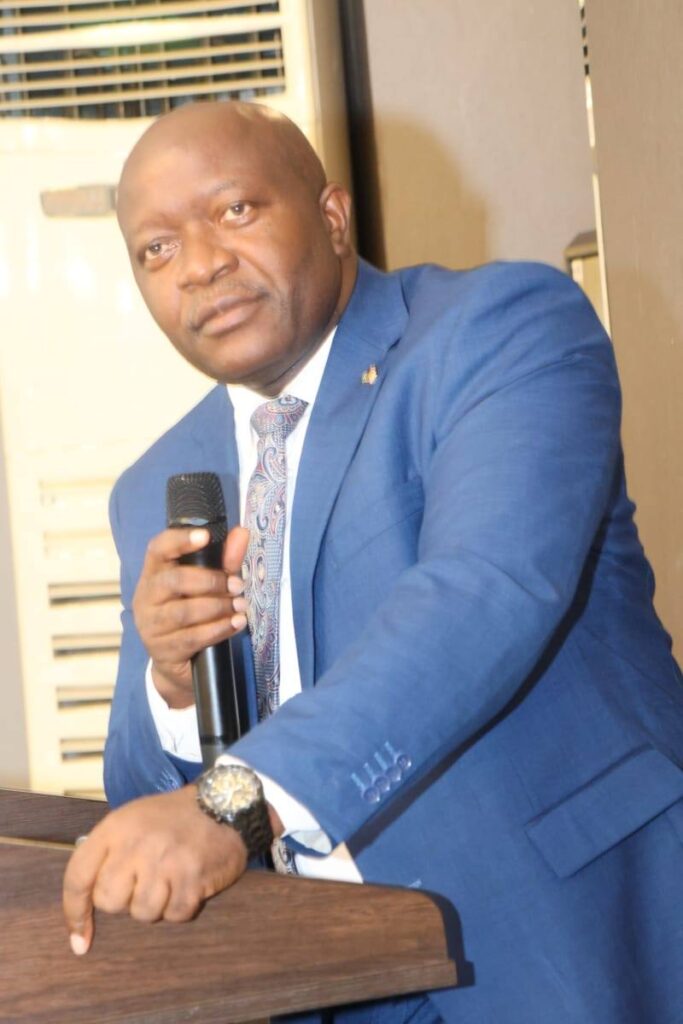
A Push for Faster Development Delivery
The workshop signals a renewed push by Liberia and its partners to improve efficiency, accountability, and impact in development programming.
With growing emphasis on results, stakeholders say the success of future projects will depend on strong coordination, timely execution, and a culture of accountability across all levels of implementation.
Follow The Liberian Post on Facebook and X (formerly twitter).