-Says Nearly 80,000 Rural Households Reached, Over 13,000 Jobs Created As Liberia Prepares For New IFAD Investments In Livestock, Cocoa And Coffe
MONROVIA – When Madam Pascaline Barankeba arrived in Liberia in 2022 as the International Fund for Agricultural Development (IFAD) Country Manager, she inherited a development portfolio focused on helping smallholder farmers improve their productivity and livelihoods. Four years later, she leaves behind what many government officials and development partners describe as one of the most transformative periods in Liberia’s agricultural development, marked by expanded investments, stronger partnerships, thousands of new jobs, and renewed hope for rural communities.
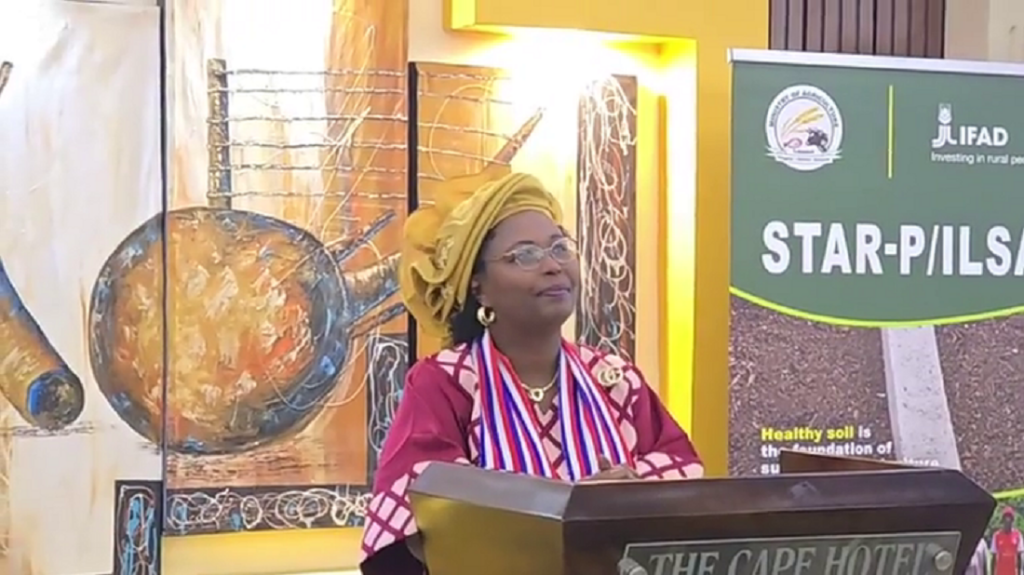
In an emotional farewell address delivered Tuesday during a ceremony organized by the Ministry of Agriculture in Monrovia, Barankeba reflected on her tenure with gratitude, describing Liberia not simply as another duty station but as a country that had become deeply embedded in her heart.
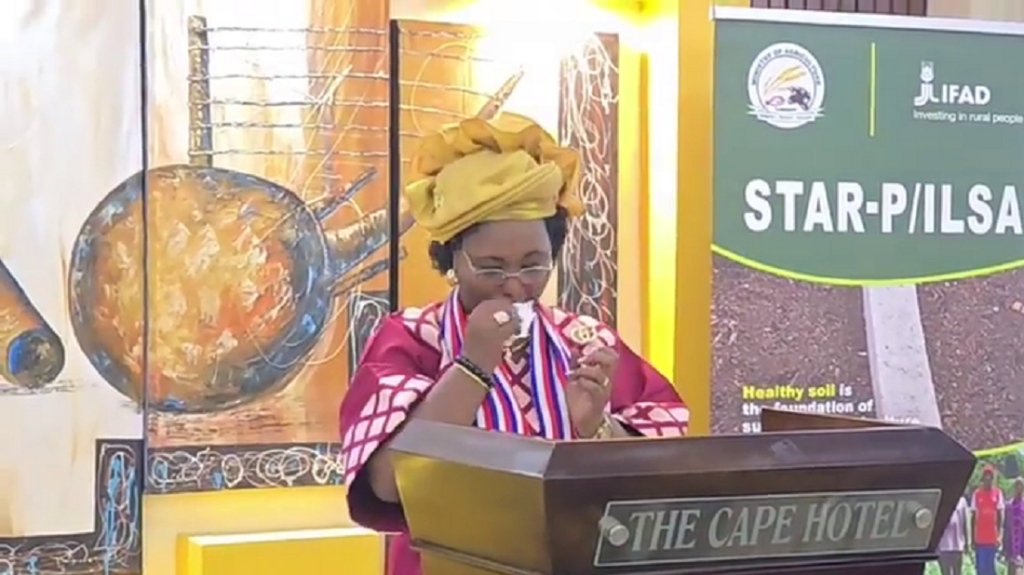
Standing before Cabinet ministers, diplomats, development partners, senior government officials, project beneficiaries, and representatives of farmers’ organizations from across the country, the outgoing IFAD chief struggled at times to conceal her emotions as she thanked Liberians for what she called four unforgettable years of partnership, friendship and shared accomplishments.
“I stand before you tonight with a heart full of gratitude, pride and humility,” she said. “There is a Liberian proverb which says, ‘The river that forgets its source will soon dry up.’ As I conclude my assignment in Liberia, I reflect on the sources of strength that have made this journey so meaningful—the resilience of Liberia’s farmers, the vision of its leaders, and the enduring partnership between the Government of Liberia and IFAD.”
For Barankeba, the occasion was not merely a farewell. It was an opportunity to celebrate what she described as a remarkable partnership that has fundamentally reshaped Liberia’s agricultural landscape while positioning the country for even greater progress in the years ahead.
Transforming Rural Liberia
During her tenure, IFAD significantly expanded its presence and investment across Liberia, with its active portfolio now exceeding US$200 million—one of the institution’s largest country investments in West Africa.
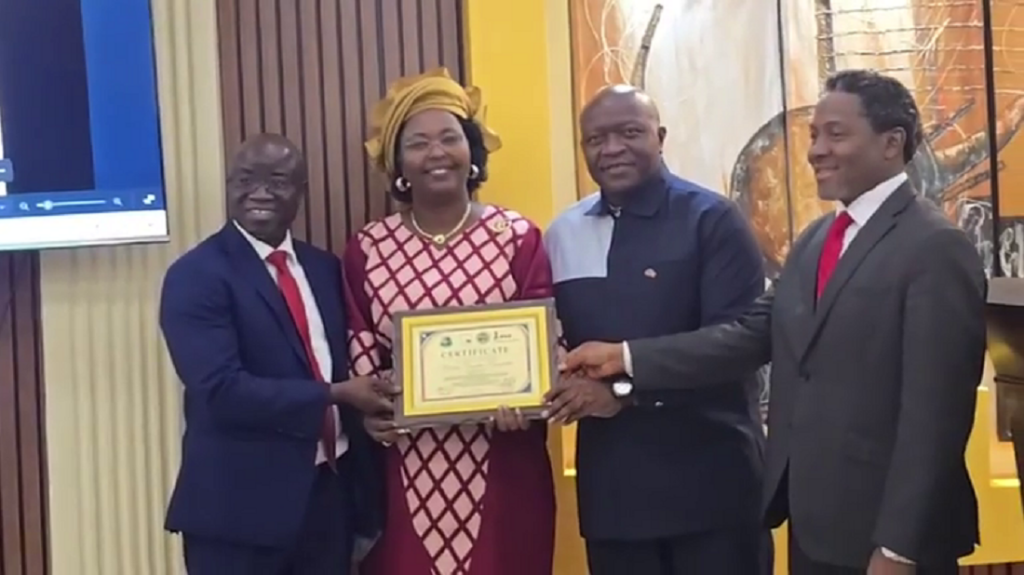
According to Barankeba, those investments have directly benefited nearly 80,000 rural households, created more than 13,000 jobs, strengthened food security, expanded access to markets, and improved the livelihoods of farming families across several counties.
She said IFAD’s work has gone beyond financing projects to helping transform lives.
Among the institution’s achievements, she highlighted the rehabilitation and construction of more than 300 kilometers of feeder roads, providing farming communities with easier access to markets while reducing post-harvest losses and transportation costs.

The institution also supported the rehabilitation of over 25,000 cocoa farms, expanded rice and vegetable production, strengthened farmer cooperatives, promoted climate-smart agriculture, and introduced improved farming technologies aimed at increasing productivity and resilience.
Barankeba said each of those accomplishments represented more than statistics.
“Behind every kilometer of road is a farmer who can now reach the market. Behind every rehabilitated cocoa farm is a family whose income has improved. Behind every young person employed is a household whose future has become brighter,” she said.
Historic Breakthrough For Liberia’s Cocoa Industry
Among the achievements she considers most significant is the establishment of Liberia’s first National Cocoa Seed Garden, a development she believes will fundamentally change the country’s cocoa sector.
For decades, Liberia depended heavily on imported cocoa planting materials, limiting productivity and increasing production costs.
Today, she said, that reality is beginning to change.
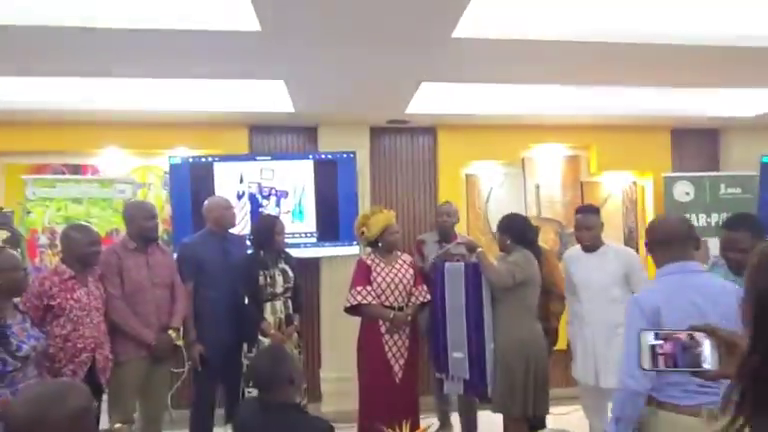
“In the next two years, Liberia will no longer need to import cocoa seeds,” she declared to loud applause.
She explained that the seed garden will provide improved planting materials for farmers nationwide, helping to boost yields while strengthening one of Liberia’s fastest-growing agricultural export sectors.
The initiative is also expected to support the decentralization of cocoa seed production, making improved varieties more accessible to farmers throughout the country.
Building Institutions, Not Just Projects
Barankeba emphasized that IFAD’s philosophy extends beyond financing infrastructure or distributing agricultural inputs.
Instead, she said, the organization has focused on building sustainable institutions capable of supporting Liberia’s long-term agricultural transformation.
One milestone illustrating that commitment was the establishment of IFAD’s first permanent Country Office in Liberia.
According to her, having an in-country presence fundamentally transformed IFAD’s engagement with government ministries, implementing partners, farmers and development stakeholders by enabling faster decision-making, closer supervision of projects, and stronger collaboration.
“It has allowed us to move from being a distant development partner to becoming a true partner on the ground,” she noted.
She praised President Joseph Nyuma Boakai Sr. and the Government of Liberia for placing agriculture at the center of the ARREST Agenda for Inclusive Development (AAID), describing agriculture as the foundation upon which inclusive economic growth, food security and job creation must be built.
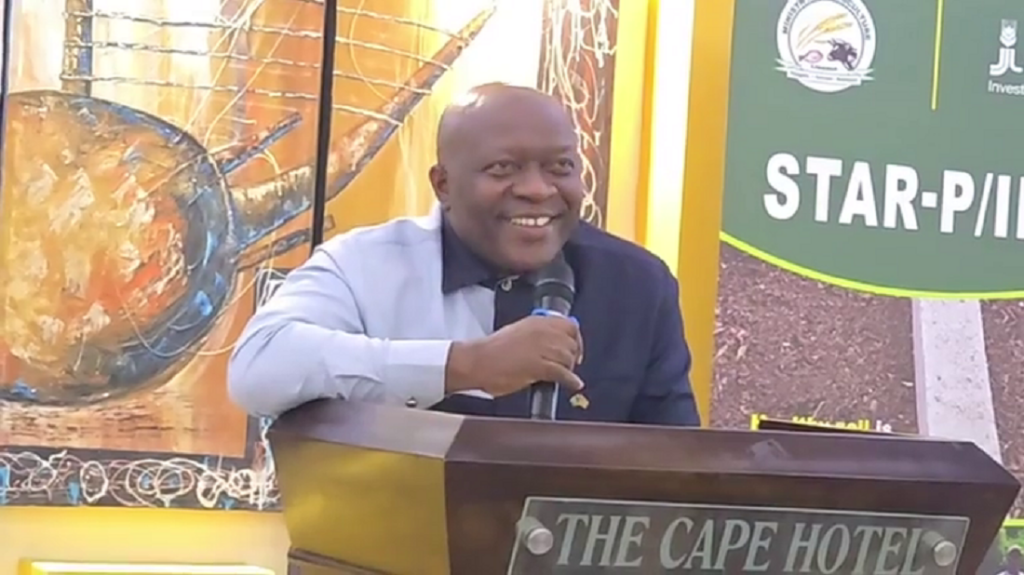
Liberia’s Commitment To IFAD Growing
Barankeba also commended the Government for demonstrating greater ownership of its agricultural agenda through increased financial support to IFAD.
She disclosed that Liberia has steadily increased its financial contribution to the institution’s replenishment process, describing the decision as an important vote of confidence in IFAD’s development model.
According to her, Liberia’s contribution under IFAD’s Thirteenth Replenishment increased to US$100,000, with government already signaling its intention to make an even larger commitment during the next replenishment cycle.
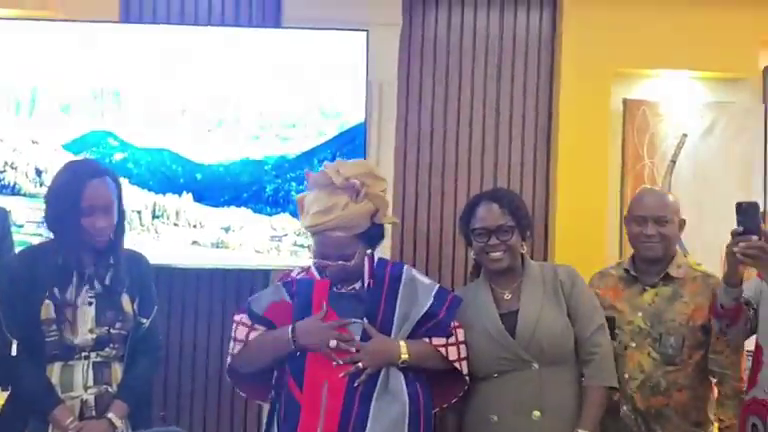
She described the gesture as evidence that Liberia increasingly sees agricultural development not simply as a donor-driven agenda but as a national investment.
More Investments On The Horizon
Although her assignment in Liberia is ending, Barankeba revealed that IFAD’s engagement with the country is entering an even more ambitious phase. She announced that the institution is currently preparing several major initiatives that will further accelerate agricultural transformation.
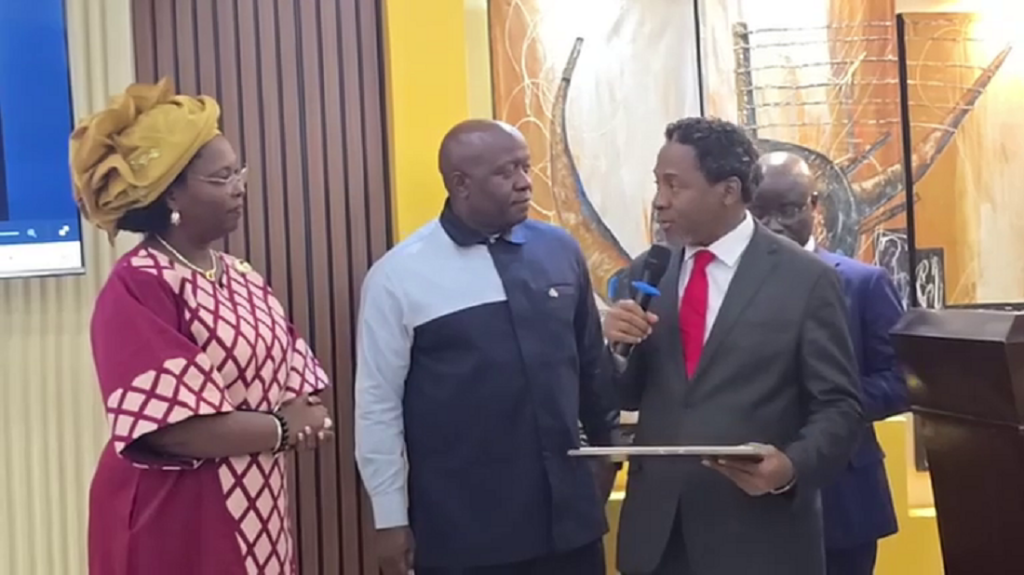
Among them are a US$16 million livestock development programme, expansion of the successful Tree Crops Extension Project (TCEP II), new investments aimed at reviving Liberia’s coffee sector, decentralization of the National Cocoa Seed Garden, and additional climate-resilient agricultural initiatives designed to strengthen food systems and improve rural incomes.
“We are not sleeping,” she said with a smile. “We are dreaming Liberia.”
Those projects, she explained, will build upon the progress already achieved while creating new opportunities for thousands of additional farming families across the country.
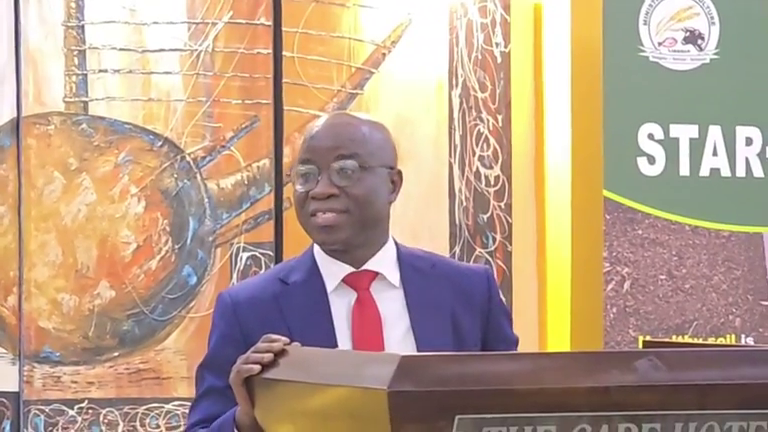
speaks about the cordial working relationship that exists between IFAD and the Ministry of Agriculture
Liberia Became More Than An Assignment
As she reflected on the past four years, Barankeba admitted that leaving Liberia would be one of the most difficult moments of her professional career.
She said the country had become more than a posting.
It had become home.
“I use my heart to work here,” she said. “I love Liberia. I dream Liberia.”
She thanked President Boakai, the Government of Liberia, development partners, implementing agencies, project staff, and especially Liberia’s farmers for embracing IFAD’s vision and making the institution’s work possible.
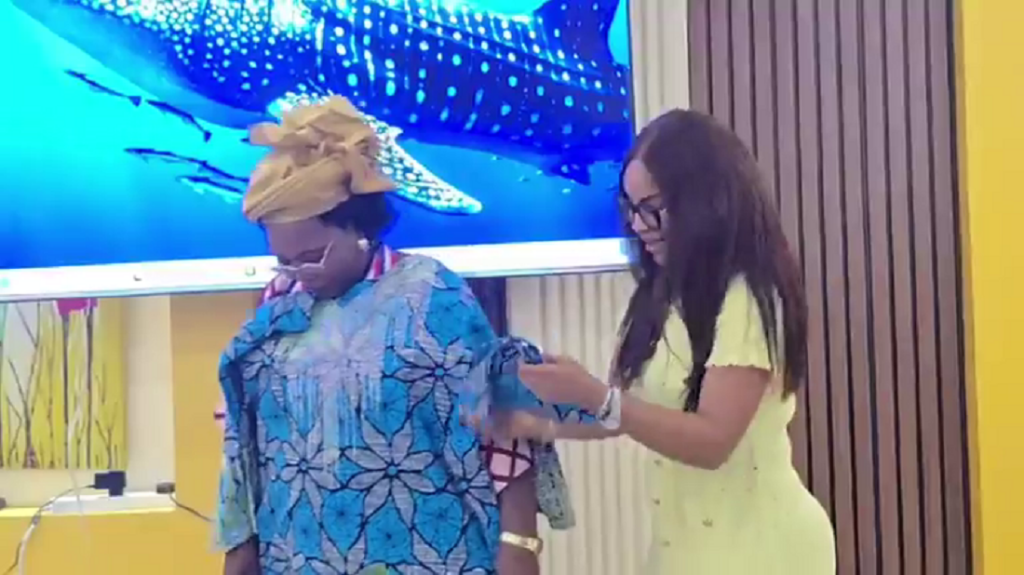
“The achievements we celebrate today belong to all of us,” she said. “They belong to every farmer who refused to give up, every extension worker who walked the extra mile, every government official who believed in partnership, and every development partner who chose to invest in Liberia’s future.”
As she prepares to assume a new international assignment, Barankeba said she leaves Liberia with confidence that the foundations laid over the past four years will continue producing results long after her departure.
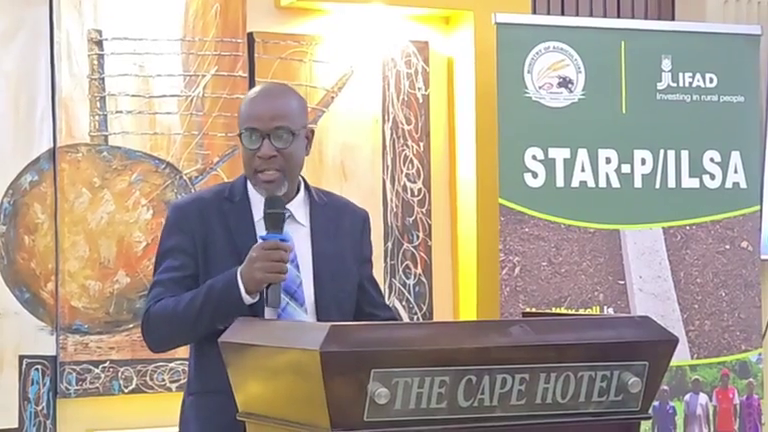
“I may be leaving Liberia,” she concluded, “but Liberia will never leave my heart.”
Her remarks drew a prolonged standing ovation from ministers, diplomats, development partners and hundreds of invited guests, many describing her tenure as one that helped redefine IFAD’s role in Liberia and strengthened the country’s journey toward agricultural transformation and rural prosperity.
For breaking news, in-depth analysis, and exclusive reports from Liberia and around the world, follow The Liberian Post on Facebook (https://web.facebook.com/profile.php?id=61576017166570) and X, formerly Twitter (https://x.com/LiberianPost).