–From REDD+ and Norway’s US$150 Million Climate Partnership to the Carbon Markets Authority, Liberia’s Forest Wealth Moves Toward a New Economic Frontier—But Community Rights and Transparency Remain Critical Tests
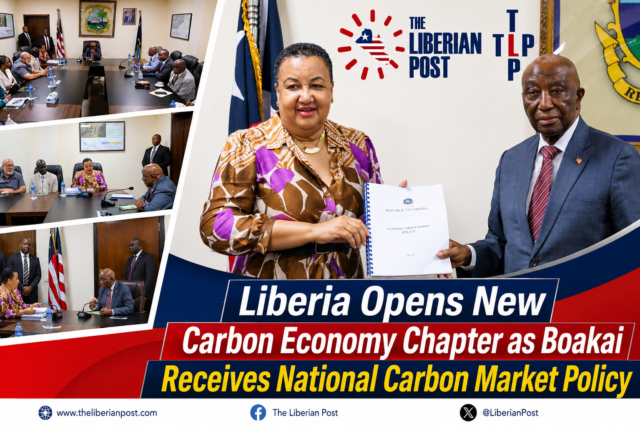
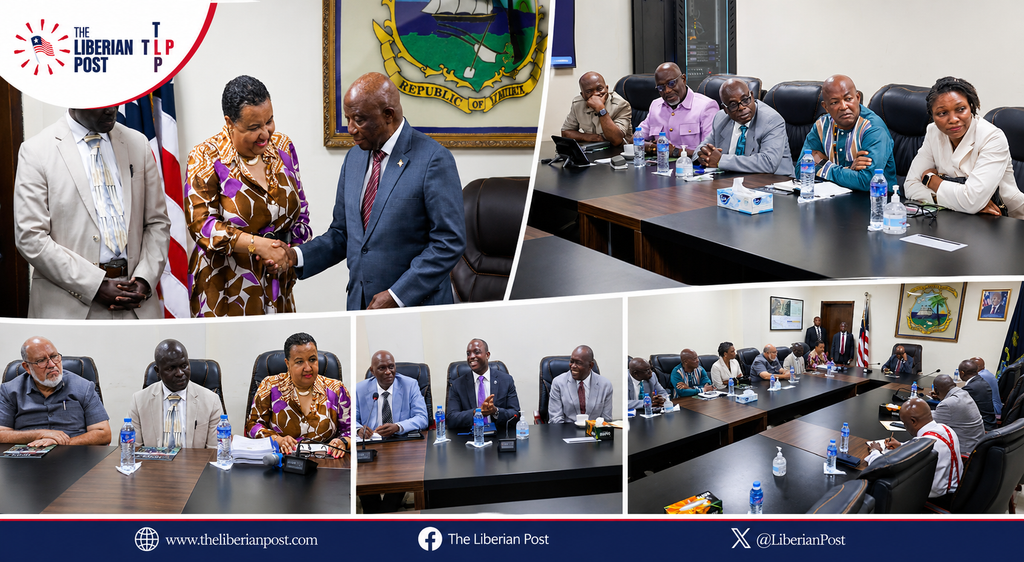
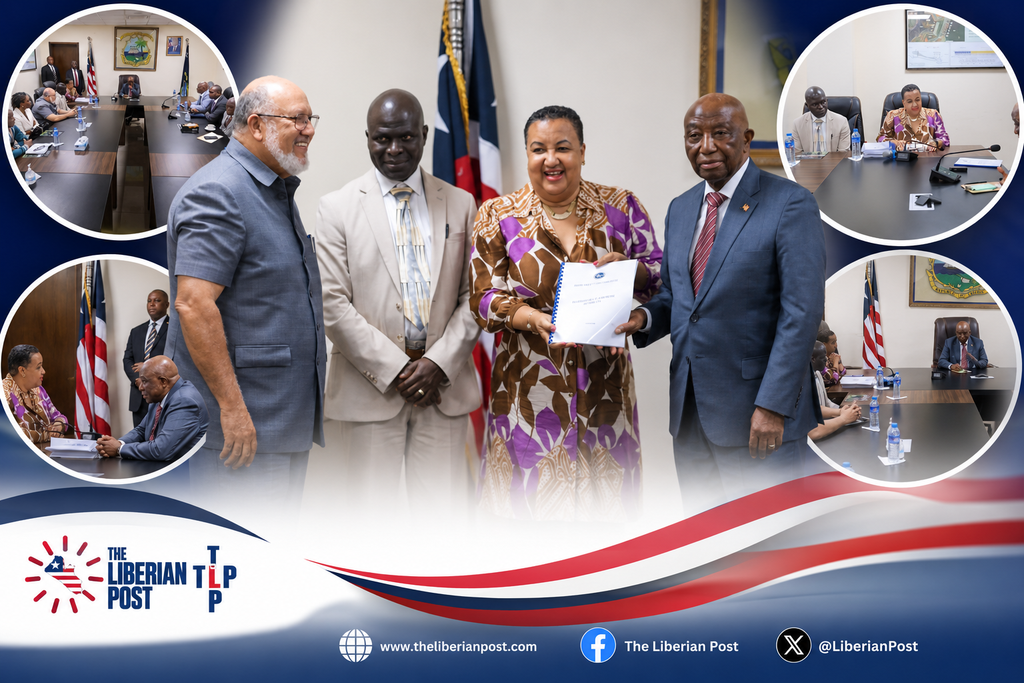
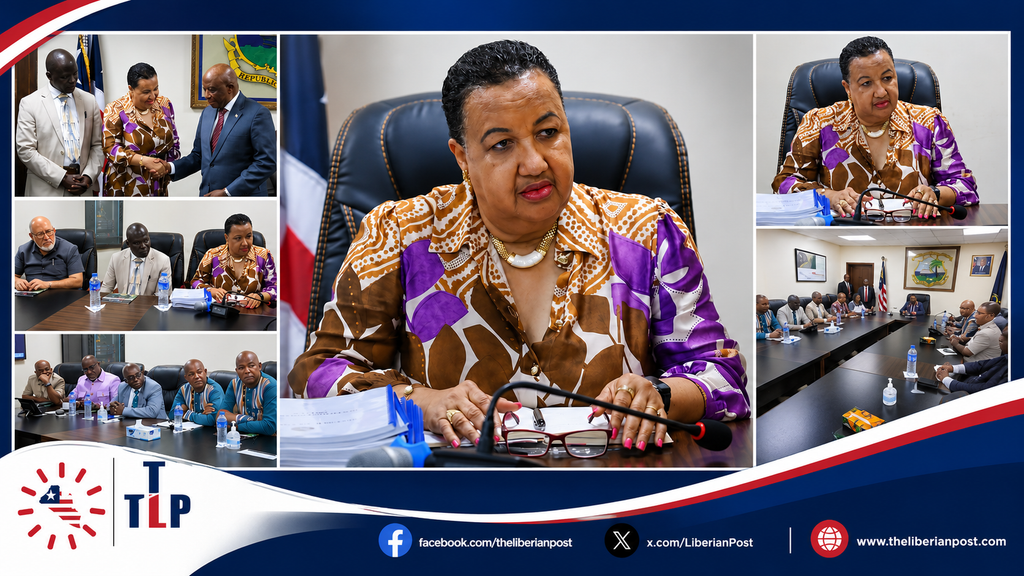
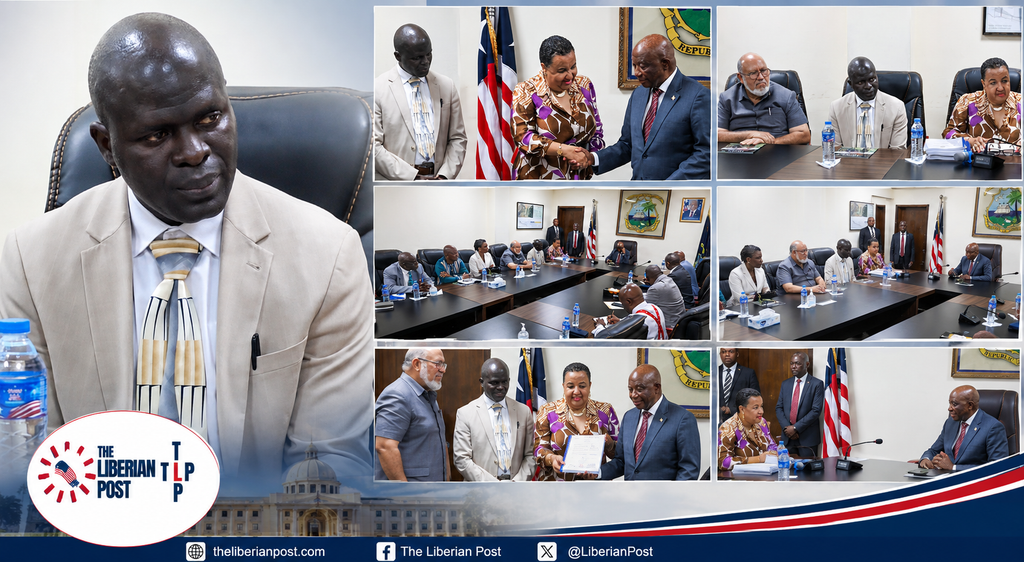
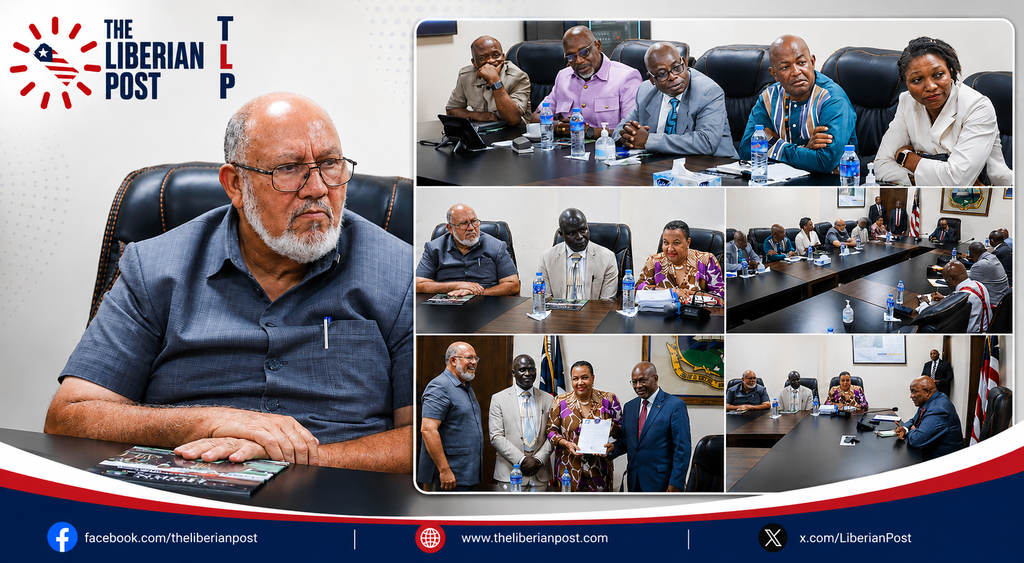
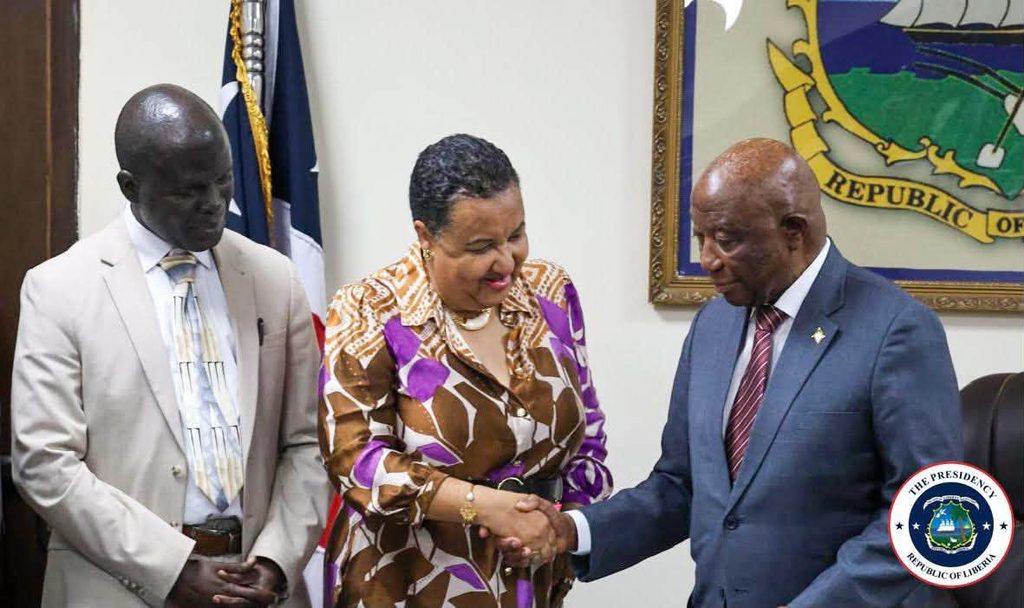
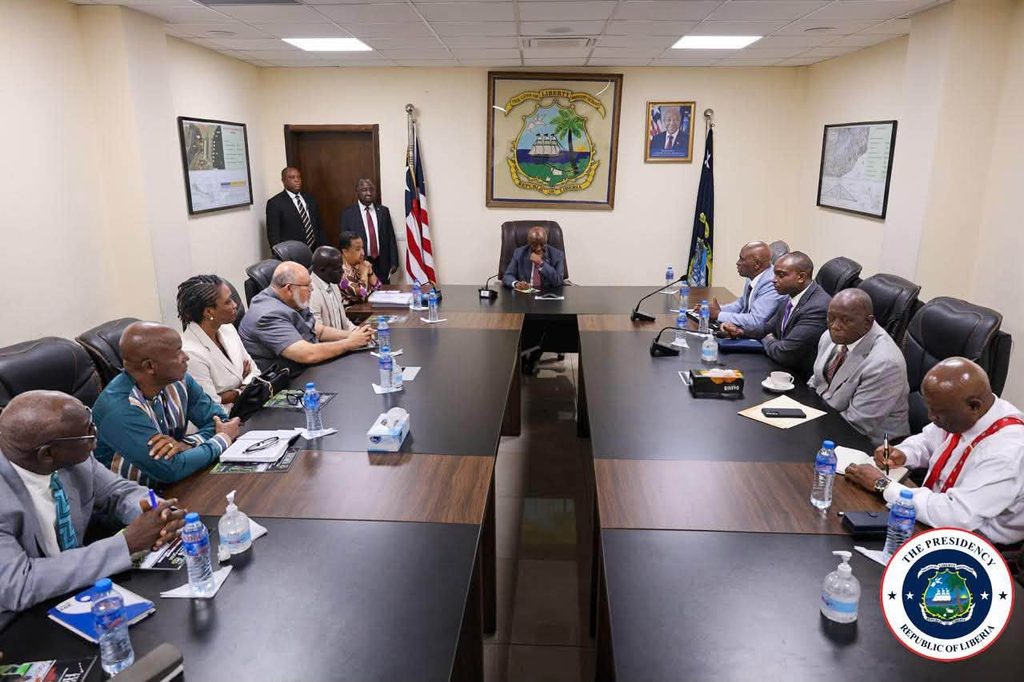
MONROVIA, Liberia — Liberia has taken what could become one of the most consequential steps in the commercialization of its natural resources, with President Joseph Nyuma Boakai, Sr., receiving the country’s consolidated National Carbon Market Policy, formally positioning Liberia for more structured participation in carbon markets, carbon trading and international climate finance.
The policy, presented at the Executive Mansion, represents the latest chapter in a climate-finance journey that Liberia began nearly two decades ago when it entered the REDD+ readiness process.
The initiative now brings together Liberia’s forests, climate policy, community land rights, international carbon finance and a new government institution—the Carbon Markets Authority (CMA)—in an effort to turn the country’s enormous environmental assets into a potential source of long-term national revenue.
But the emerging carbon economy also carries significant risks.
As Liberia moves toward potentially selling carbon credits to international buyers, questions surrounding ownership, community consent, benefit-sharing, transparency, environmental integrity and the country’s ability to prevent outside actors from capturing most of the financial gains are likely to become increasingly important.
President Boakai, however, says Liberia must begin.
“There are amendments we will make, but we have to have something done for now, and that’s what we have to do,” the President said while receiving the policy.
His remarks capture the government’s position that Liberia cannot remain indefinitely in consultation while the international carbon economy continues to expand.
A Journey That Began Nearly 20 Years Ago
Liberia’s carbon-market ambitions did not begin with the Boakai administration.
The country first entered the REDD+ readiness process in 2007, with support from the World Bank’s Forest Carbon Partnership Facility (FCPF). REDD+—Reducing Emissions from Deforestation and Forest Degradation—was developed to enable countries to receive results-based financing for demonstrable reductions in forest-related greenhouse-gas emissions.
Liberia subsequently developed its REDD+ Readiness Preparation Proposal, established technical structures and began building the institutional and technical systems needed to measure forest emissions.
The country’s National REDD+ Strategy later laid out a pathway for reducing emissions from deforestation and forest degradation while supporting conservation, sustainable forest management and enhancement of forest carbon stocks.
The World Bank’s FCPF records Liberia’s readiness grants and technical work stretching back to 2009, including its National REDD+ Strategy, National Forest Inventory and other foundational documents.
The strategy described results-based carbon finance as potentially coming from bilateral arrangements, voluntary carbon markets and international mechanisms such as the FCPF Carbon Fund.
The Norway Deal That Put a Price on Forest Protection
One of the most important milestones came in 2014, when Liberia and Norway entered a landmark Climate and Forest Partnership.
Norway committed up to US$150 million to support Liberia’s efforts to reduce greenhouse-gas emissions from deforestation and forest degradation, improve forest governance and develop a deforestation-free agricultural sector.
The partnership was designed around the principle that Liberia could generate international climate finance by demonstrating measurable progress in protecting its forests.
At the time, the government described the partnership as an opportunity to protect Liberia’s natural resources while creating a pathway toward green economic growth.
The agreement helped establish an important precedent: Liberia’s forests were no longer viewed solely as timber, agricultural or conservation assets; their ability to store carbon could itself generate economic value.
That concept is now moving into a much more formal market structure.
Liberia Built the Science Behind Its Carbon Potential
Over the years, Liberia has invested in developing the technical systems necessary to demonstrate how much carbon its forests store and how much greenhouse-gas emissions can be avoided through forest protection.
In 2020, Liberia submitted forest reference emission levels to the United Nations Framework Convention on Climate Change (UNFCCC) for two major forested regions.
Following technical assessment, Liberia’s proposed reference levels were set at approximately 31.35 million tonnes of CO₂ equivalent annually for the northwestern region and 10.72 million tonnes for the southeastern region for the relevant reference period.
More recently, Liberia has continued reporting forest-related emissions reductions through the UNFCCC’s REDD+ framework.
The UNFCCC records national REDD+ results of approximately 2.70 million tonnes of CO₂ equivalent in 2021, 2.42 million tonnes in 2022 and 2.27 million tonnes in 2023 for activities covering reductions in deforestation and forest degradation and enhancement of forest carbon stocks.
These numbers matter because carbon markets depend on measurement.
A country cannot credibly sell an emissions reduction simply by claiming that a forest exists. It must demonstrate, through credible measurement, reporting and verification systems, how much carbon is being conserved or removed and whether the claimed reduction is real.
That is why the new policy places considerable emphasis on Liberia’s Measurement, Reporting and Verification (MRV) system.
The 2024 Turn Toward the Global Carbon Market
Liberia’s carbon-market ambitions accelerated significantly in 2024.
In September of that year, the government signed a Letter of Engagement with the Coalition for Rainforest Nations (CfRN) to strengthen Liberia’s capacity to participate in global carbon markets.
The agreement was intended to help Liberia improve greenhouse-gas monitoring, reporting and verification; develop its Forest Reference Emission Level; strengthen its national greenhouse-gas inventory; and prepare for mechanisms under the Paris Agreement, including results-based REDD+ payments and internationally transferred mitigation outcomes.
The partnership was significant because it moved Liberia beyond simply discussing forest conservation toward building the institutional architecture required to potentially monetize verified emissions reductions.
Boakai Creates Carbon Markets Authority
The process took another major step on October 31, 2025, when President Boakai issued Executive Order No. 155, establishing the Carbon Markets Authority.
The Authority was created as Liberia’s lead institution for carbon-market development and climate finance, with responsibility for policy, market participation and compliance with international frameworks, including the Paris Agreement.
The Executive Order also established two mechanisms that have now become central to Liberia’s carbon strategy:
The National Carbon Registry—to track carbon-credit issuance and transactions; and
The Liberian Carbon Investment Fund—to manage revenues from carbon-market activities and reinvest them in climate-resilient and inclusive development.
The CMA is expected to coordinate carbon-related projects across forestry, the blue economy, renewable energy, agriculture, waste management and urban development.
The September 2026 policy therefore does not create the carbon-market system from scratch.
Rather, it provides a broader policy framework for institutions and mechanisms that the government has been building over the past several years.
What Is a Carbon Credit?
At its simplest, a carbon credit represents a verified reduction or removal of one metric tonne of carbon dioxide equivalent from the atmosphere.
A project that protects forests, captures methane, improves waste management, expands renewable energy or otherwise demonstrably reduces greenhouse-gas emissions can potentially generate credits that may be sold or transferred under an applicable carbon-market system.
The Paris Agreement provides a framework for international cooperation through Article 6.
Article 6.2 provides accounting and reporting rules for internationally transferred mitigation outcomes, while Article 6.4 establishes a UN mechanism intended to support the trading of high-quality carbon credits.
For Liberia, the attraction is straightforward.
The country has relatively low industrial emissions compared with many developed economies but possesses vast forests and other ecosystems capable of storing carbon.
That creates a potentially valuable economic asymmetry: Liberia can potentially generate climate finance by protecting resources that the global economy increasingly values for their climate function.
The New Policy Attempts to Put Liberia in Charge
The National Carbon Market Policy presented to President Boakai is designed to provide the rules for this emerging economy.
According to the Environmental Protection Agency, the Carbon Markets Authority will serve as the principal regulator, with authority to approve the transfer and trading of carbon credits.
The Forestry Development Authority will provide technical guidance on forest-carbon projects, while the EPA will oversee projects involving areas such as waste management, industrial emissions and designated marine and urban activities.
The policy also provides for a National Carbon Registry.
Every authorized carbon credit would receive a unique identification number and be recorded in the registry.
That is designed to prevent one of the biggest threats facing carbon markets: double counting, in which the same emissions reduction is claimed or sold more than once.
The policy further requires independent verification before credits can be issued or traded, according to the EPA.
The Money Question: Who Gets Paid?
Perhaps the most politically sensitive part of Liberia’s carbon policy is not whether carbon credits can be generated—but who ultimately receives the money.
The policy places significant emphasis on benefit-sharing.
For carbon generated from government-owned resources, the policy provides for portions of the proceeds to support national social, education and health programs, while allocations are also made to government institutions, project developers and affected communities.
Where the carbon-generating resource belongs to a community or private party, the policy provides for 50 percent of net proceeds to go to the community or private owner, 30 percent to the project developer and 20 percent to responsible government institutions, according to the EPA.
The government says carbon revenues will be managed through the Liberian Carbon Investment Fund, separately from the General Revenue Account.
The stated objective is to ensure that carbon income can be tracked and reinvested in national development, climate action and sustainable management of natural resources.
If properly implemented, the government believes the carbon economy could finance everything from schools and clinics to clean water, livelihoods, renewable energy and climate-resilient infrastructure.
But Liberia’s Carbon Gamble Has Critics
The road to the new policy has not been without controversy.
Liberian civil society organizations have repeatedly warned that carbon markets could reproduce some of the same inequalities associated with Liberia’s historical natural-resource economy if communities are not placed at the center of decision-making.
ActionAid Liberia has been among the strongest voices calling for caution.
In a 2025 report, the organization warned that carbon-market arrangements could threaten community land rights if projects are developed without genuine Free, Prior and Informed Consent (FPIC).
The organization also raised concerns about Liberia’s earlier engagement with the UAE-linked company Blue Carbon, arguing that affected communities had not been adequately involved in the process.
ActionAid has argued that carbon markets should not become another mechanism through which outside investors obtain control over valuable Liberian resources while communities receive only a small portion of the economic benefits.
The organization has specifically called for transparency, direct community benefits, protection of customary land rights and effective grievance mechanisms.
Those concerns gained additional attention in 2026 when Mongabay reported that Liberian environmental groups objected to what they viewed as a rushed final review of the carbon-market policy.
The report noted that some civil society actors questioned a proposed benefit-sharing structure and demanded greater community participation before the policy was finalized.
The controversy highlights a central challenge for Liberia: carbon markets may create a new stream of national wealth, but they can also create a new contest over who owns, controls and benefits from that wealth.
Boakai: Liberia Must Benefit From Its Forests
President Boakai’s message at the policy handover was unmistakably economic.
He emphasized that Liberia’s forests should not simply serve as global carbon sinks while Liberians living around them remain poor.
The President said the policy provides a foundation for ensuring that the country’s forests—which absorb carbon and play a major role in addressing climate change—can generate meaningful benefits for Liberia and the communities that live alongside and protect them.
He particularly stressed the importance of forest-dependent communities, saying Liberia must find ways for natural resources to produce tangible benefits for the people.
The President also praised the technical team behind the policy and urged Liberians to have greater confidence in their own professionals.
“One of the things that I am convinced about is we don’t lack capable people. A lot of people know everything,” Boakai said, according to reporting from the policy handover.
He argued that Liberia has professionals capable of handling complex national and international issues if they are given the opportunity and responsibility.
From Forest Protection to National Revenue
The potential economic implications are substantial.
Liberia remains one of West Africa’s most forest-rich countries and contains a significant portion of the remaining Upper Guinean Forest.
That ecological wealth has traditionally been associated with timber, agriculture, mining and conservation.
Carbon markets introduce a fourth economic proposition: the forest can generate financial value without being cut down.
If Liberia can establish high-integrity carbon projects, verify genuine emissions reductions and negotiate strong international transactions, carbon finance could become another source of foreign investment and public revenue.
It could also potentially provide communities with recurring income for protecting forests and maintaining ecosystems.
But the opposite is also possible.
Poorly designed projects, inflated carbon claims, weak monitoring, opaque contracts or unfair benefit-sharing could undermine public confidence and reproduce the problems that have affected natural-resource projects elsewhere.
The global carbon market itself has faced significant criticism over the quality of some credits, claims of over-crediting and concerns that some projects have delivered less climate benefit than advertised.
That makes Liberia’s insistence on independent verification, a national registry and community consent particularly important.
A New Test for Liberia’s Natural-Resource Governance
The National Carbon Market Policy therefore represents more than an environmental document.
It is potentially a new natural-resource governance framework.
For decades, Liberia’s economic model has depended heavily on extracting value from land and natural resources through concessions, including logging, mining and agriculture.
The carbon economy proposes something fundamentally different: generating value from keeping forests standing and measuring the climate service those forests provide.
That could change the economic equation for forest communities.
Instead of being paid primarily when trees are harvested or land is converted to another use, communities could potentially receive financial returns for maintaining forests.
But for that model to work, communities must have genuine ownership rights and meaningful negotiating power.
The Bigger Economic Prize
The global transition toward lower-carbon economies is creating new demand for credible emissions reductions.
International companies and governments are increasingly looking for ways to meet climate commitments, while developing countries are seeking new sources of climate finance.
Liberia’s challenge is to ensure that it does not simply become a supplier of cheap carbon credits.
Instead, it must build a system capable of commanding confidence, protecting its national interests and capturing a fair share of the economic value.
That means credible measurement.
It means transparent contracts.
It means independent verification.
It means protecting community land rights.
It means preventing double counting.
And, perhaps most importantly, it means ensuring that the communities whose forests generate the carbon value actually see meaningful economic benefits.
The Road Ahead
President Boakai’s receipt of the National Carbon Market Policy marks an important transition from years of REDD+ preparation and international climate partnerships toward a more formal national carbon-market architecture.
Liberia has spent years developing the technical foundation for measuring forest carbon.
It has worked with Norway on forest protection and results-based climate finance.
It has engaged international partners to strengthen its carbon-market readiness.
It established a Carbon Markets Authority in 2025.
And now, with the National Carbon Market Policy, the government is attempting to put the rules of the emerging carbon economy on paper.
The opportunity is potentially enormous.
But so is the responsibility.
Liberia’s forests are not simply commodities.
They are home to communities, sources of food and medicine, reservoirs of biodiversity, protectors of watersheds and one of the country’s most important natural defenses against climate change.
The success of Liberia’s carbon strategy will therefore ultimately be measured not by the number of carbon credits sold, nor by the millions of dollars generated, but by whether the country can prove that protecting its forests can become a genuinely profitable economic proposition for Liberia and the people who have protected those forests for generations.
For President Boakai, the message is clear: Liberia cannot wait forever.
The carbon economy is already developing globally.
The challenge now is to make sure that when Liberia enters that market, Liberia—and not merely outside investors—owns a meaningful part of the opportunity.
For breaking news, in-depth analysis, and exclusive reports from Liberia and around the world, follow The Liberian Post on Facebook (https://web.facebook.com/profile.php?id=61576017166570) and X, formerly Twitter (https://x.com/LiberianPost).