-Signals New Era of National Broadcasting and Media Reform
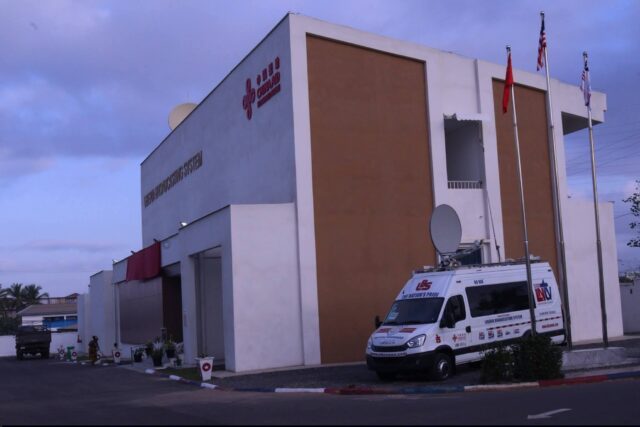
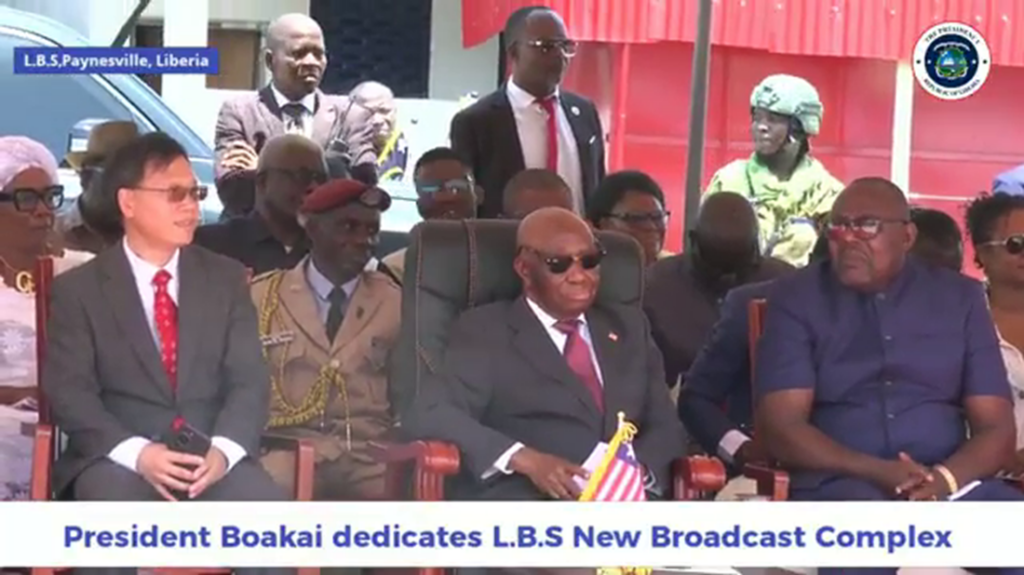
PAYNESVILLE CITY, Liberia – Liberia on Friday, May 8, officially entered a new era in public broadcasting as President Joseph Nyuma Boakai dedicated the newly constructed Liberia Broadcasting System (LBS) complex, a major media infrastructure project funded by the Government of the People’s Republic of China and hailed as a transformative milestone for the country’s communication sector.
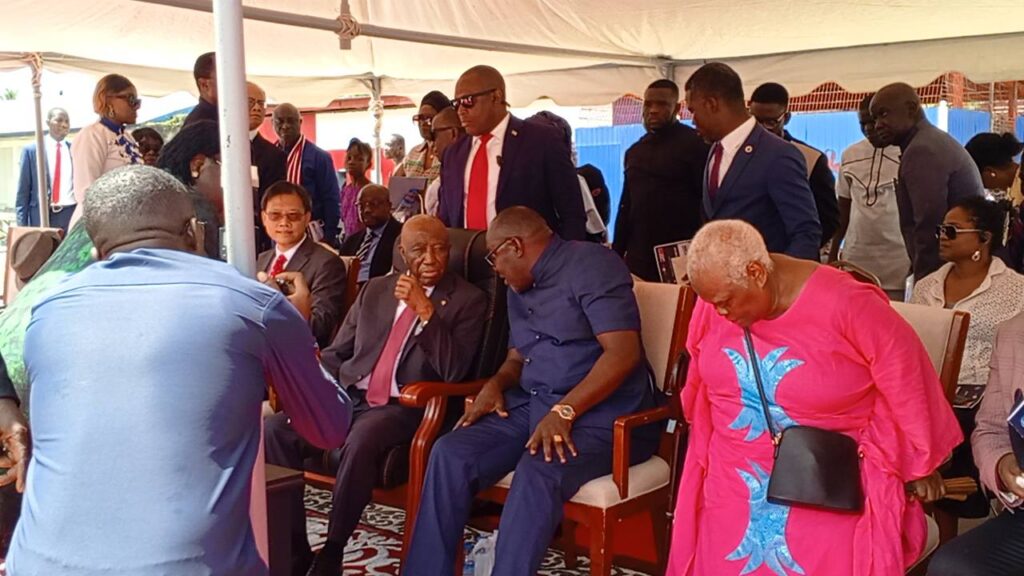
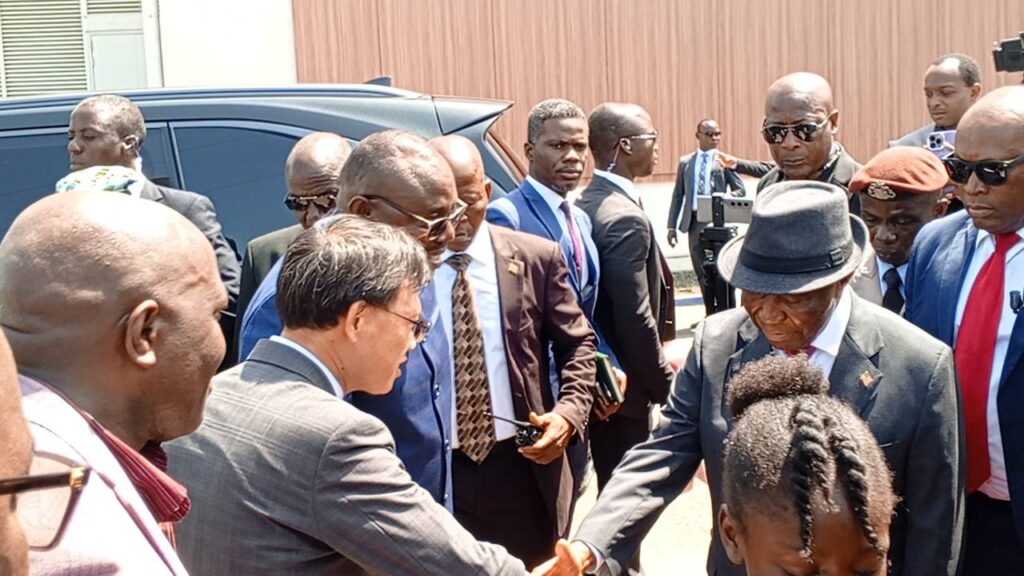
The colorful ceremony brought together lawmakers, diplomats, cabinet ministers, traditional leaders, former LBS executives, journalists, and cultural performers in a celebration marked by patriotic speeches, historical reflections, and renewed calls for media reform and professionalism.
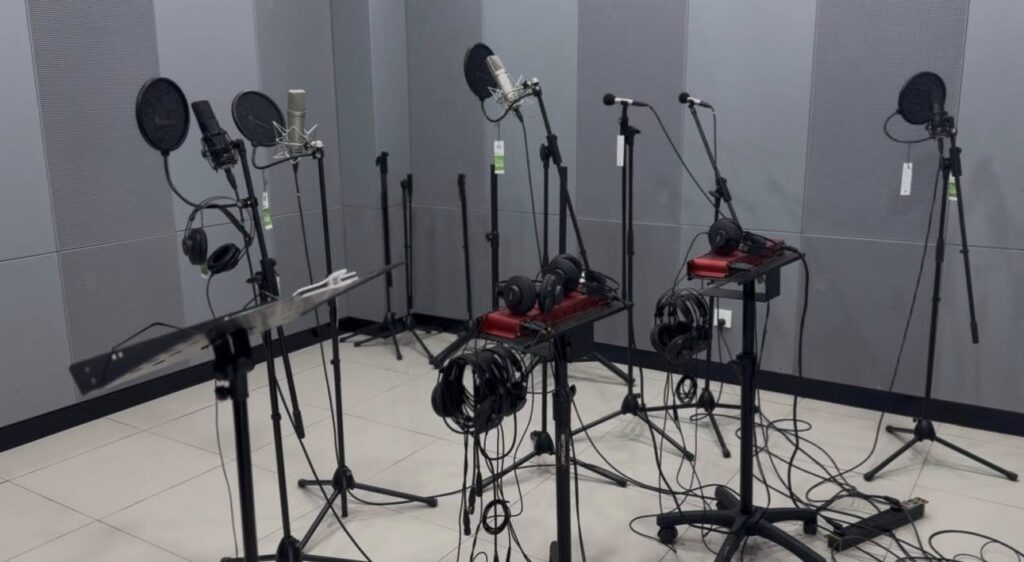
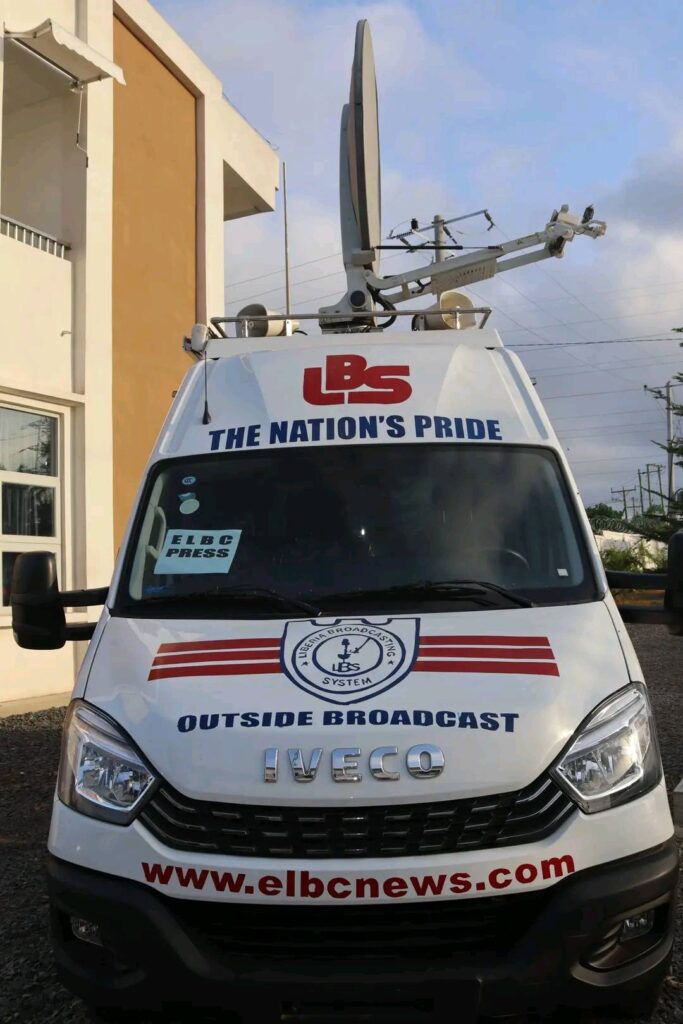
Constructed at an estimated cost of US$5.5 million, the new facility includes modern radio and television studios, advanced transmission systems, outside broadcasting equipment, upgraded power infrastructure, and expanded digital broadcasting capabilities.
President Boakai described the facility as a major national achievement.
“This country is on the move and is not going to go back,” the President declared while praising the role of the media in strengthening democracy and national unity.
Chinese Ambassador Yin Chengwu said the project represented more than infrastructure.
“It was envisioned as a nerve center for creativity, a hub for accurate information, and a platform for voices to be heard,” the ambassador stated.
One of the strongest speeches came from LBS Director General Eugene Lamine Fahngon, who emotionally recounted the institution’s struggles with funding shortfalls while highlighting major reforms undertaken under his leadership.
“We cannot be the nation’s voice while being treated as an afterthought in a budget,” Fahngon asserted.
He revealed that LBS had expanded its transmission reach into parts of Côte d’Ivoire, Guinea, and Sierra Leone, while also improving employee welfare, pension benefits, and technical capacity.
The event also featured strong remarks from lawmakers overseeing Liberia’s media sector.
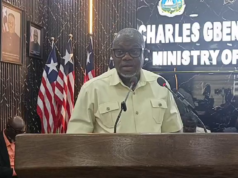
Senator Samuel Kogar, Chairman of the Senate Committee on Information and Broadcasting, emphasized the need for LBS to remain politically inclusive and accessible to all Liberians regardless of political affiliation.
“There should be no opposition barred from this station,” Senator Kogar warned. “Everybody should have the opportunity to discuss issues freely as required by the Constitution.”
Representative Emmanuel Dahn of the House Committee on Information praised Fahngon’s leadership and pledged legislative support for the broadcaster.
“You and your team here have performed magic,” Dahn said. “Indeed, LBS will never be the same again.”
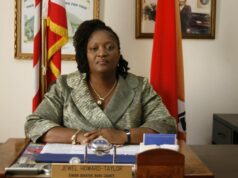
LBS Board Co-Chair Olivia Shannon used the occasion to advocate for institutional reforms that would transform LBS into a true public broadcaster.
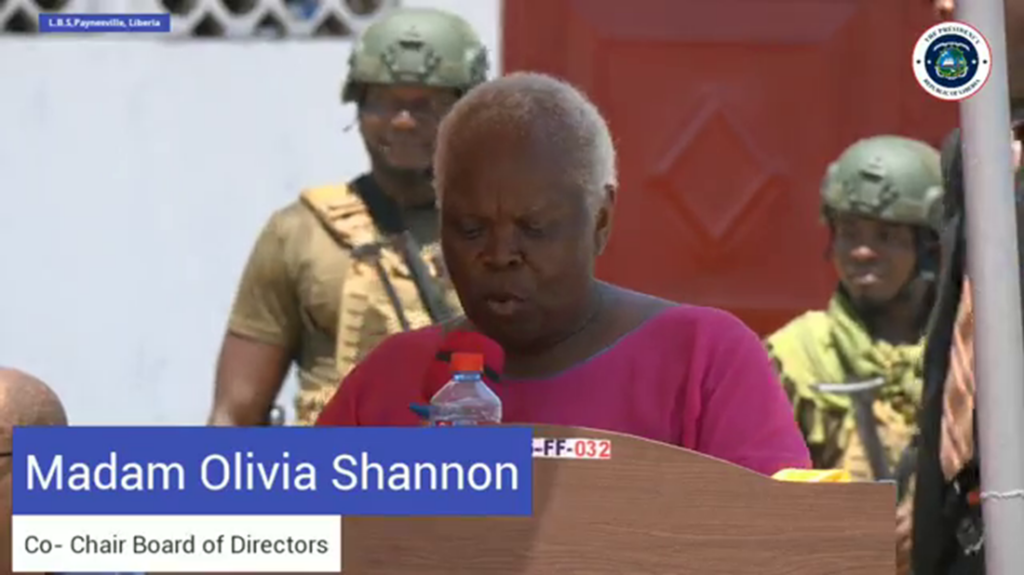
“LBS still operates under PRC Decree Number 20,” Shannon noted. “The time is now to make LBS at par with other state broadcasters.”
The ceremony also paid tribute to slain journalist Charles Cornelius Gbayon, whose memory the new complex honors. Family members described the dedication as a recognition of “courage in the face of adversity” and a lasting monument to journalistic integrity.
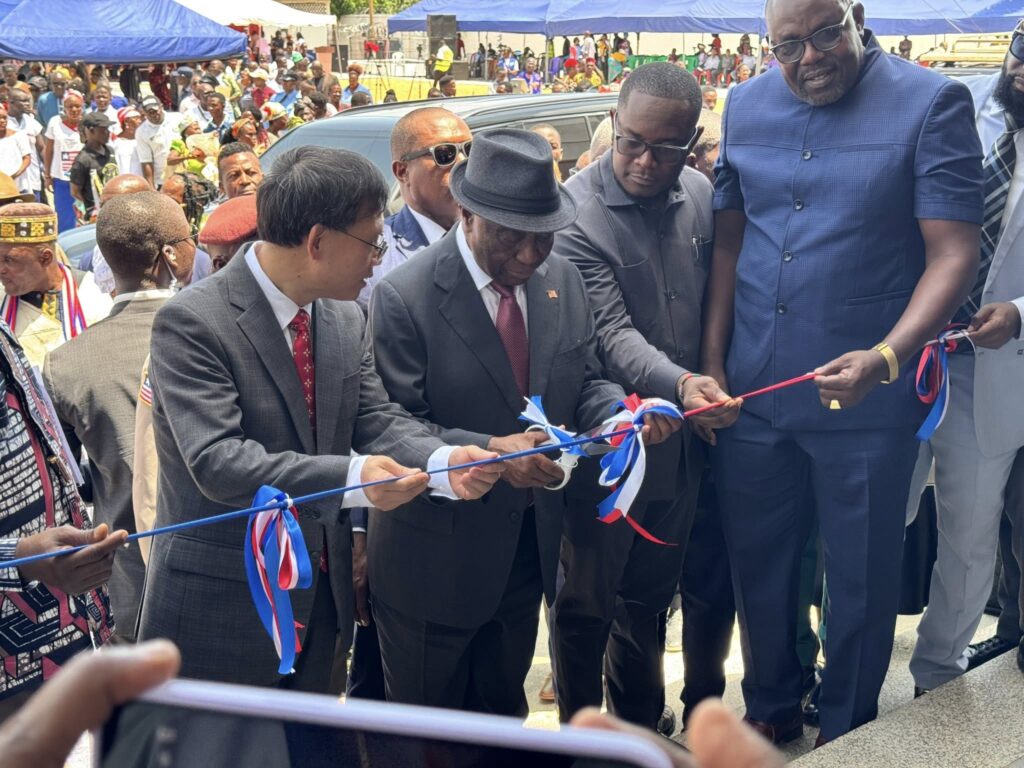
The event concluded with the unveiling of a commemorative plaque, ribbon-cutting, and a guided presidential tour of the facility.
For many attendees, the day represented not only the rebirth of Liberia’s national broadcaster, but also a symbol of institutional renewal and renewed hope for professional public media in Liberia.
Follow The Liberian Post on Facebook and X (formerly twitter)