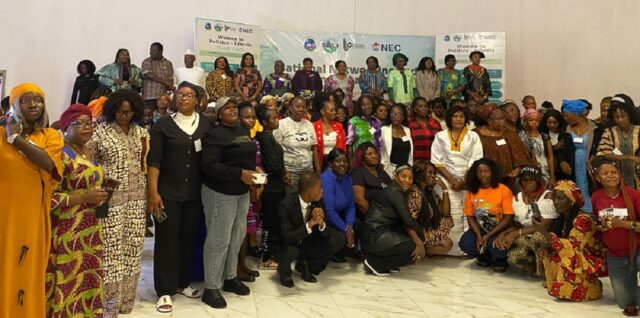
MONROVIA, Liberia – More than 200 women political aspirants from across Liberia’s 15 counties gathered in Paynesville on May 27 for the National Networking and Experience-Sharing Forum for Women Political Aspirants, an initiative aimed at strengthening women’s political leadership and increasing female participation in the country’s 2029 elections.
The forum, organized by Sister Aid Liberia in partnership with UN Women Liberia under the Liberia Electoral Support Project, brought together aspiring female politicians, elected and appointed officials, former candidates, women’s organizations, and electoral stakeholders to discuss strategies for advancing women’s representation in governance.
Participants engaged in mentorship sessions, peer learning, networking opportunities, and practical discussions focused on overcoming barriers that continue to limit women’s participation in Liberia’s political landscape.
The Liberia Electoral Support Project is managed by the United Nations Development Programme (UNDP) and implemented jointly with UN Women and the Netherlands Institute for Multiparty Democracy in collaboration with the National Elections Commission (NEC). The initiative receives support from the European Union, Ireland, and Sweden.
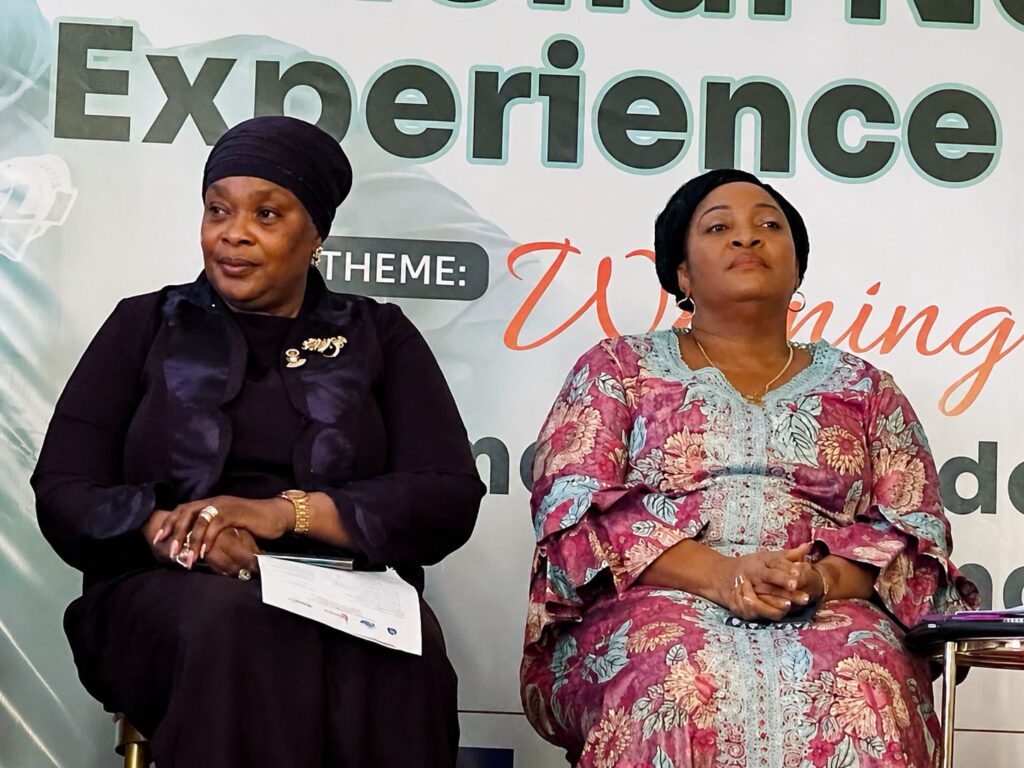
Despite notable progress in women’s empowerment, female representation in Liberia’s political leadership remains low. Women currently occupy only 11 of the 103 seats in the National Legislature, accounting for approximately 10.7 percent of lawmakers.
Organizers noted that persistent challenges, including limited access to campaign financing, weak political networks, inadequate public visibility, and violence against women in politics, continue to hinder women’s ability to compete effectively for elected office.
A recent nationwide survey supported by UN Women and conducted by Sister Aid Liberia found strong interest among women across all 15 counties in contesting future elections. The study identified legislative leadership as a major aspiration among respondents while highlighting concerns over campaign funding, intimidation, limited mentorship opportunities, and insufficient access to political information.
Delivering remarks on behalf of the Government of Liberia, Deputy Gender Minister for Administration Laura Golakeh reaffirmed the government’s commitment to promoting women’s political participation and encouraged more women to seek leadership positions and public office.
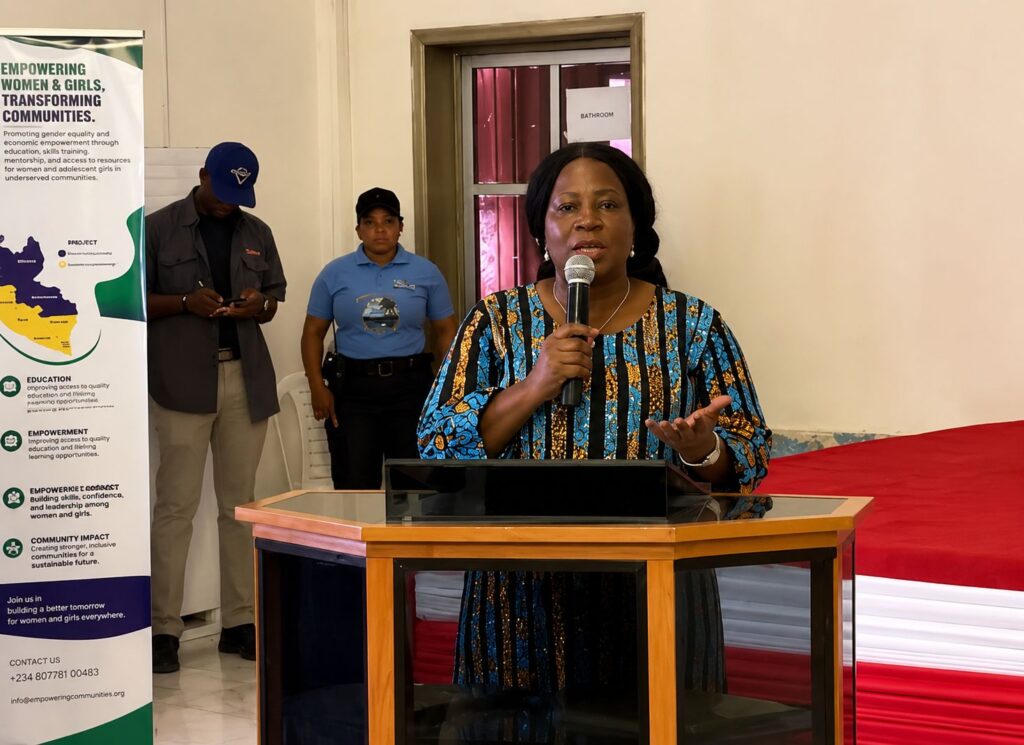
Speaking on behalf of the Women’s Legislative Caucus of Liberia, Bong County District #6 Representative Moima Briggs Mensah expressed solidarity with aspiring women leaders and urged them to remain confident in pursuing public service.
“The Women’s Legislative Caucus of Liberia stands with every woman who is ready to lead,” Representative Mensah said. “When women are represented, families and communities benefit through stronger schools, better healthcare, and more responsive leadership. To every woman considering public office: believe in your voice, put your name forward, and know that you are not alone. We will stand with you every step of the way.”
Senate Pro Tempore Nyonblee Karnga-Lawrence also called for deliberate efforts to support female candidates, arguing that greater collective action is needed to close the gender gap in leadership and decision-making.
“Let us intentionally support winnable women candidates to ensure women emerge victorious,” she said. “Men have done this consistently over the years, and that is one of the reasons there remains such a significant gap between men and women in leadership and decision-making spaces.”
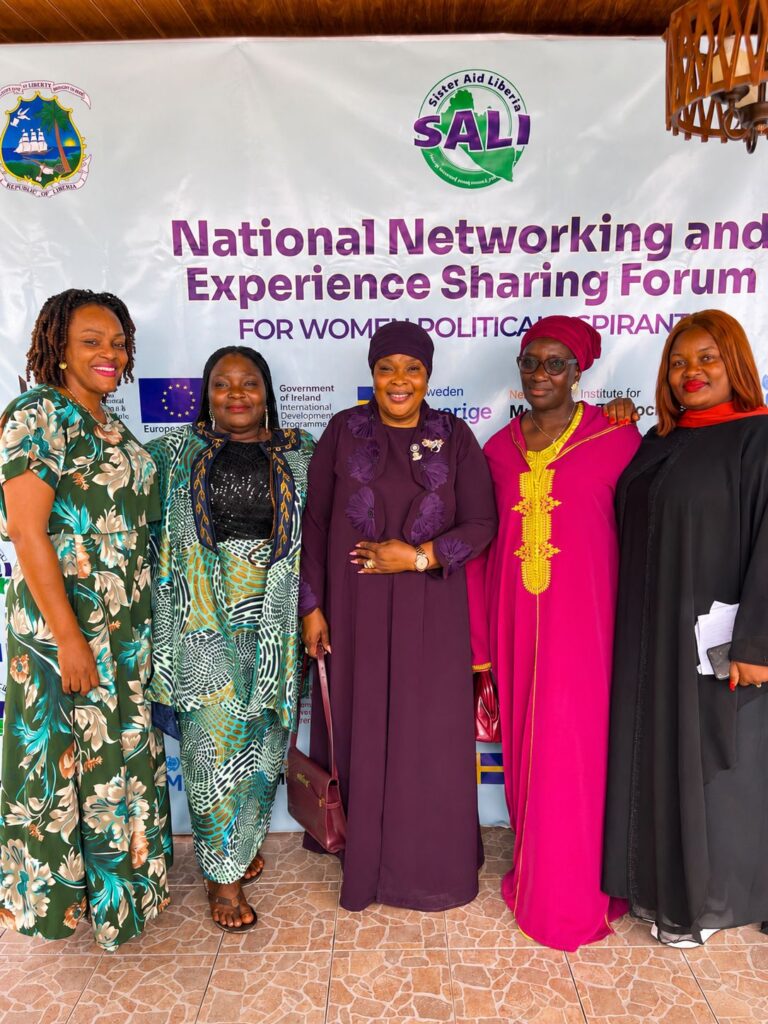
National Elections Commission Commissioner Josephine Kou Gaye emphasized the need for stronger legal and policy reforms to promote women’s representation in governance, while former Vice President Jewel Howard-Taylor highlighted structural barriers within political parties that continue to disadvantage women seeking elected office.
“Until women are given equal opportunities within party leadership and nomination processes, achieving balanced representation in leadership will remain a challenge,” Howard-Taylor said.
A major feature of the forum was a high-level panel discussion titled “Navigating Political Leadership: Women’s Experiences and Influence in Liberia,” during which participants shared personal experiences, leadership lessons, and strategies for overcoming obstacles in politics.
Afternoon sessions focused on practical aspects of political participation, including campaign financing, voter outreach, candidate registration, political party structures, and measures to prevent violence against women in elections and politics. Participants also engaged in networking and coalition-building exercises designed to strengthen collaboration among aspiring female leaders.
Organizers described the gathering as the first in a series of activities planned under the Liberia Electoral Support Project. Future engagements will focus on mentorship, leadership development, advocacy, networking, and capacity-building initiatives intended to prepare women for successful participation in the 2029 electoral process.
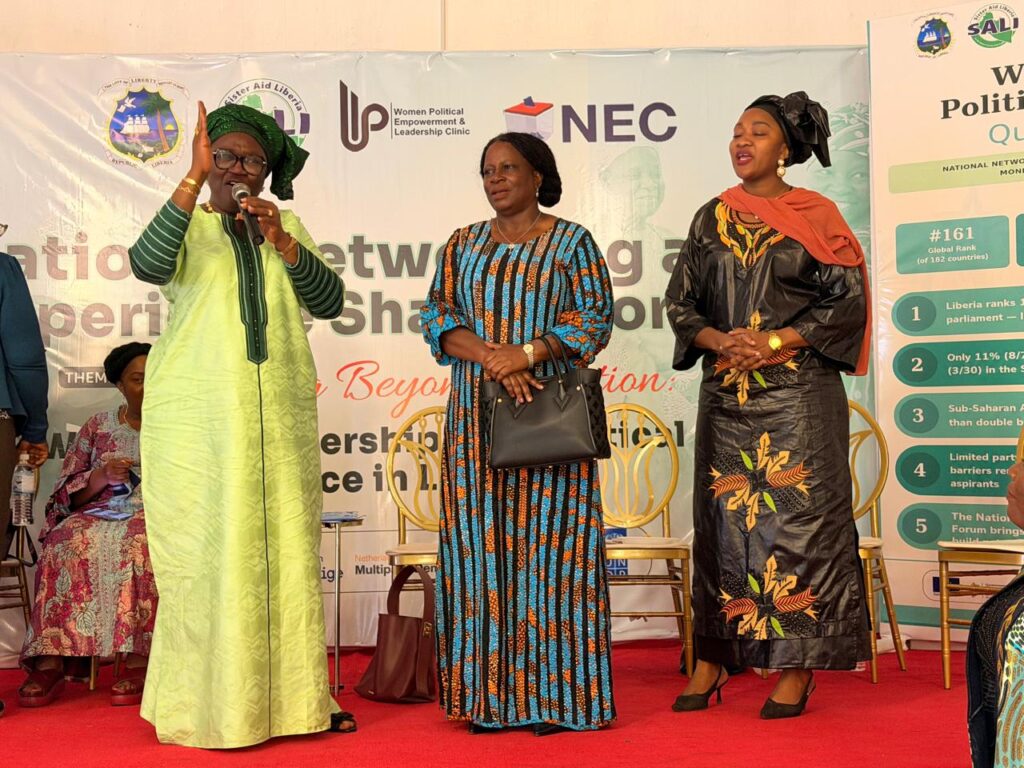
UN Women Liberia Deputy Representative Yemi Falayajo underscored the importance of sustained support for women seeking leadership roles, noting that greater female participation strengthens democratic governance.
“More women in leadership strengthens democracy and helps ensure decisions better reflect the realities and priorities of women, families, and communities across Liberia,” Falayajo said.
The Liberia Electoral Support Project continues to support national institutions and democratic processes aimed at promoting inclusive, transparent, and accountable governance throughout the country.
Follow The Liberian Post on Facebook and X (formerly twitter)