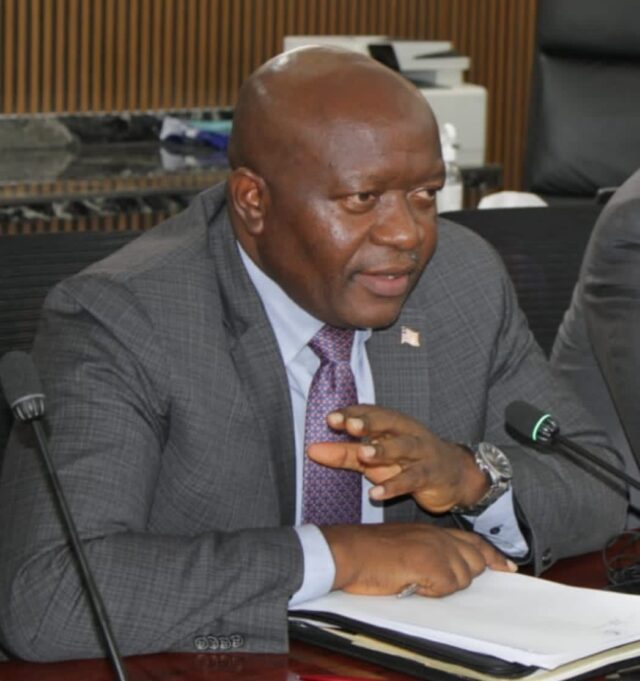
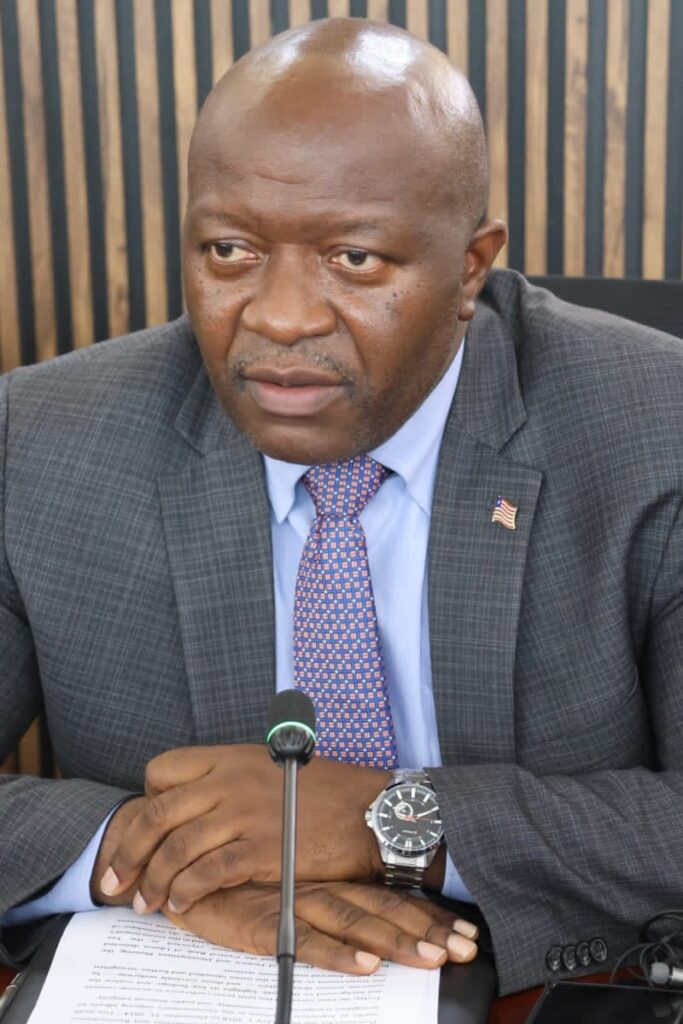
MONROVIA – Finance and Development Planning Minister Augustine Kpehe Ngafuan has vowed that anyone found responsible for defrauding the Liberian government through revenue leakages, unauthorized withdrawals, or financial manipulation will be brought to justice following explosive findings contained in a major audit of Liberia’s revenue collection system.
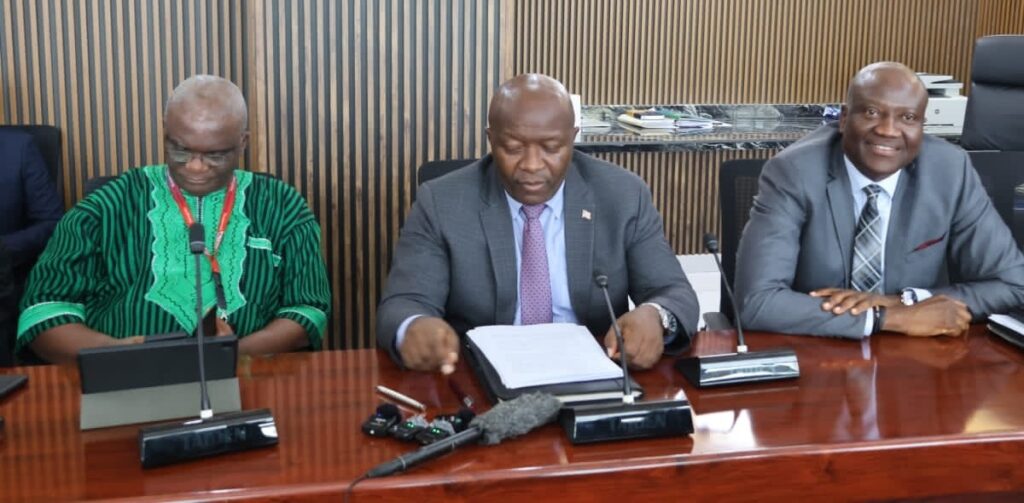
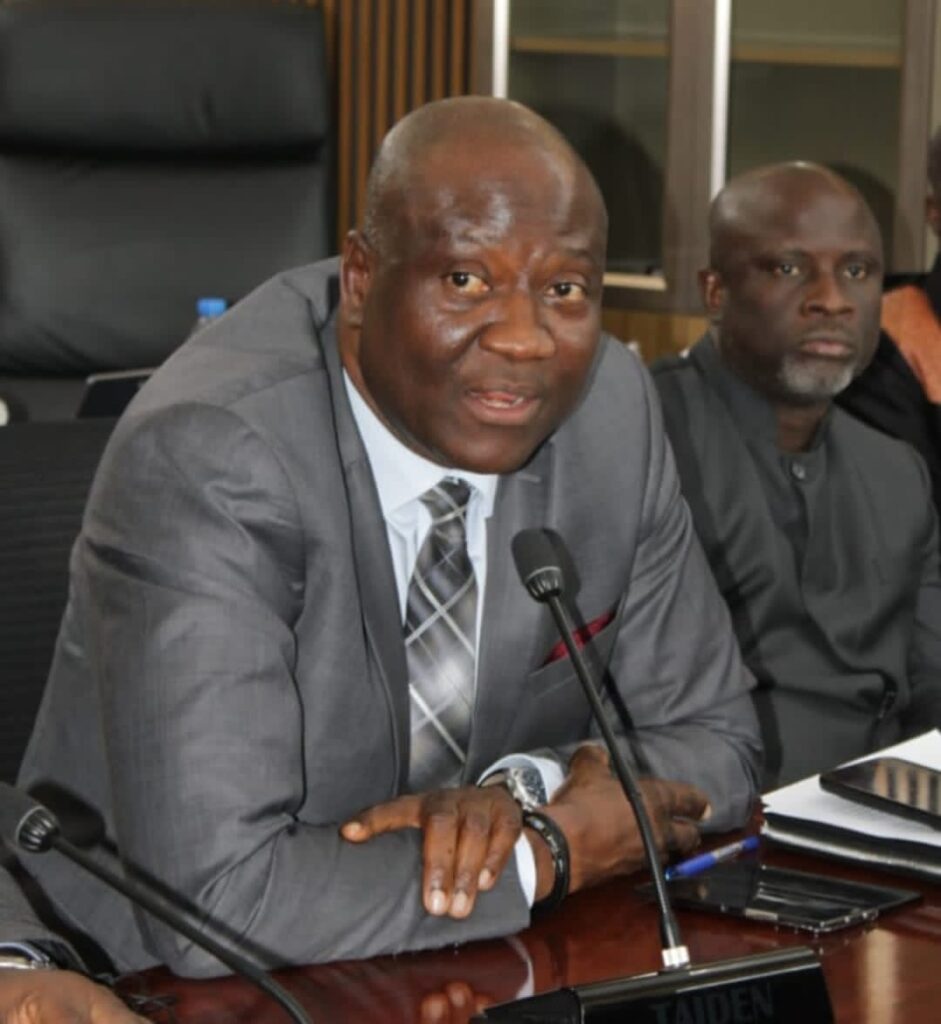
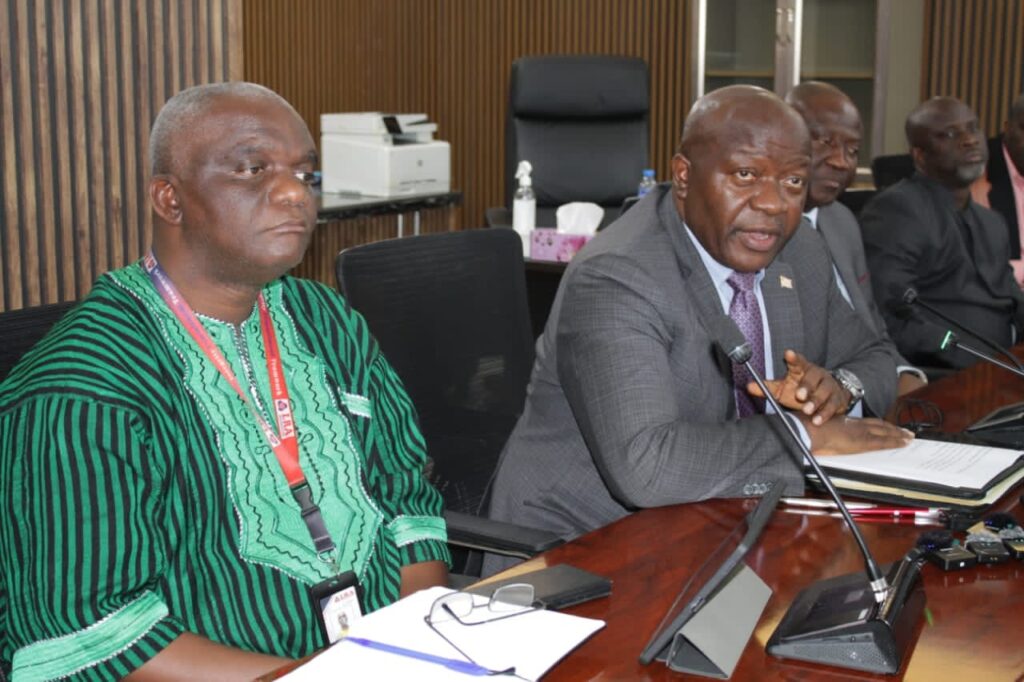
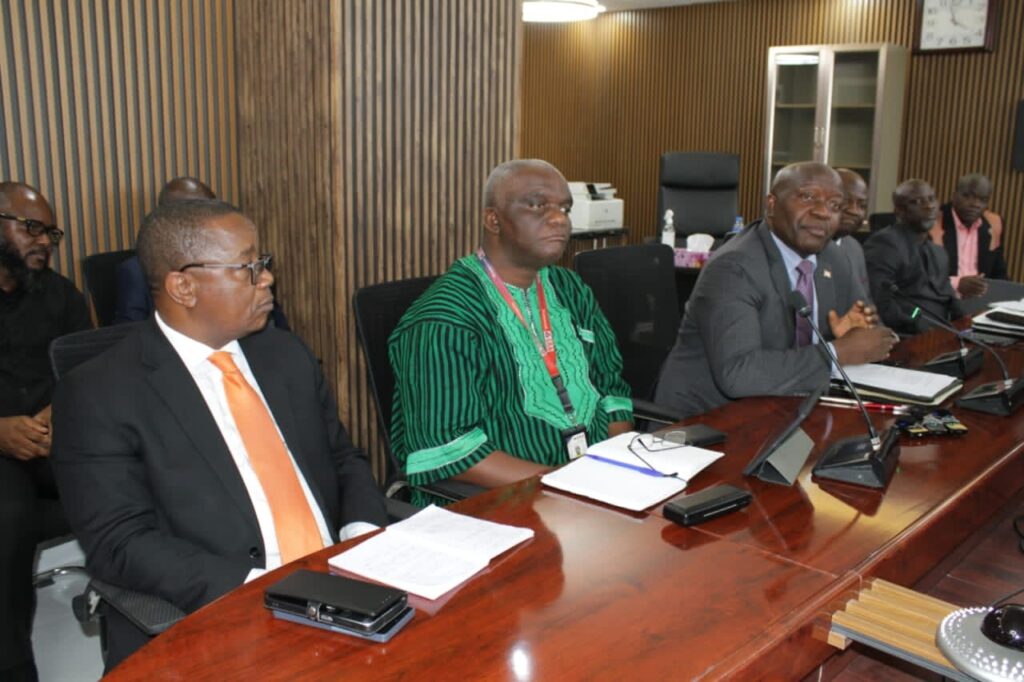
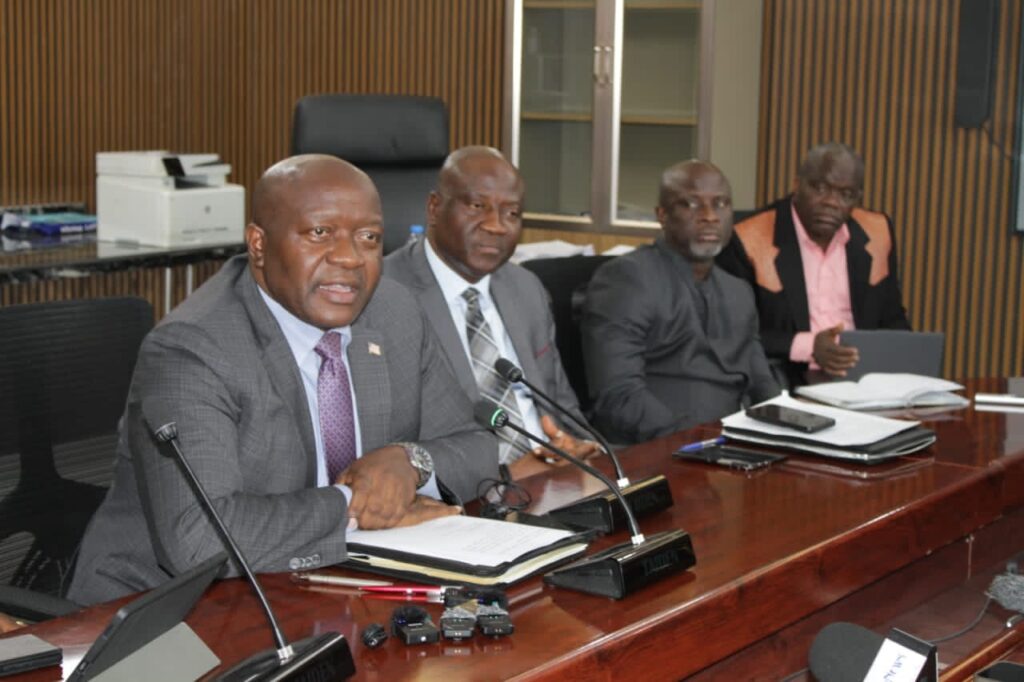
Speaking during a high-level joint press conference alongside Henry F. Saamoi and James Dorbor Jallah on Tuesday, May 19, Ngafuan disclosed that the Government of Liberia has already forwarded the findings of the latest General Auditing Commission (GAC) audit to the Ministry of Justice of Liberia and the Liberia Anti-Corruption Commission (LACC) for possible criminal investigation and prosecution.
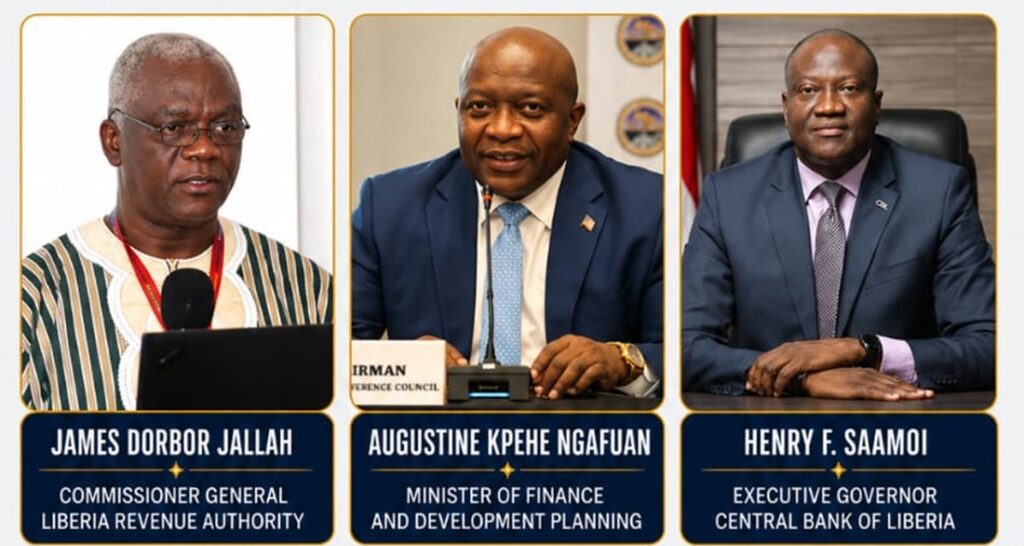
“We have briefed His Excellency the President, and he has agreed that the audit report be forwarded to the Ministry of Justice and the Liberia Anti-Corruption Commission,” Ngafuan declared.
“And if they determine that the findings point to fraud, appropriate actions will be taken to bring anyone found culpable over the seven-year period of this audit to justice.”
Audit Exposes Deep Systemic Weaknesses
The alarming revelations stem from the GAC’s Compliance Audit Report on Government of Liberia Revenue Collection and Reconciliation Processes covering the period July 1, 2018 to December 31, 2024.
According to Ngafuan, the audit uncovered widespread discrepancies, reconciliation failures, unauthorized withdrawals, and operational weaknesses involving government revenue collection systems and transitory bank accounts held at commercial banks.
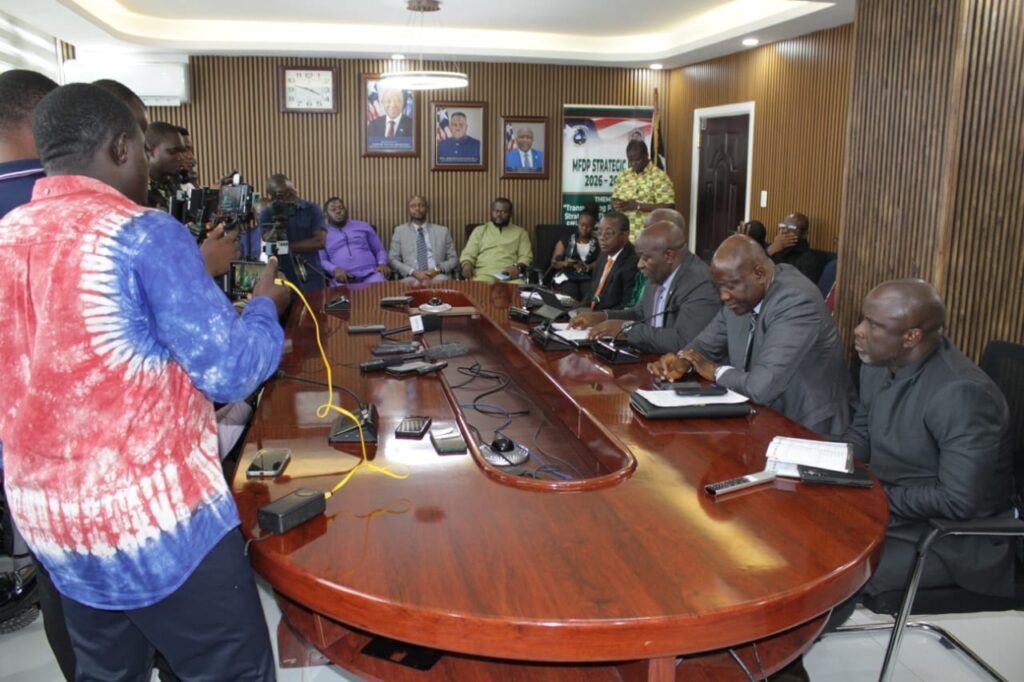
Among the major findings highlighted during the press conference were:
- discrepancies between revenues recorded in tax administration systems and actual deposits at the Central Bank of Liberia;
- unauthorized withdrawals from government transitory accounts;
- irregular reversal transactions;
- untimely remittance of government revenues;
- inconsistencies between customs and tax administration systems;
- and major reconciliation gaps within government revenue collection chains.
“These findings confirm the existence of systemic weaknesses, reconciliation gaps, and operational deficiencies across the revenue collection and settlement chain,” Ngafuan stated bluntly.
Government Detected Problem Before Audit Was Completed
Ngafuan revealed that the Ministry of Finance and Development Planning, the Central Bank of Liberia, and the Liberia Revenue Authority independently detected troubling discrepancies in late 2024 even before the final audit was completed.
According to him, authorities discovered inconsistencies between revenues reported within government tax administration systems and the actual amounts deposited into the government’s consolidated revenue account at the Central Bank.
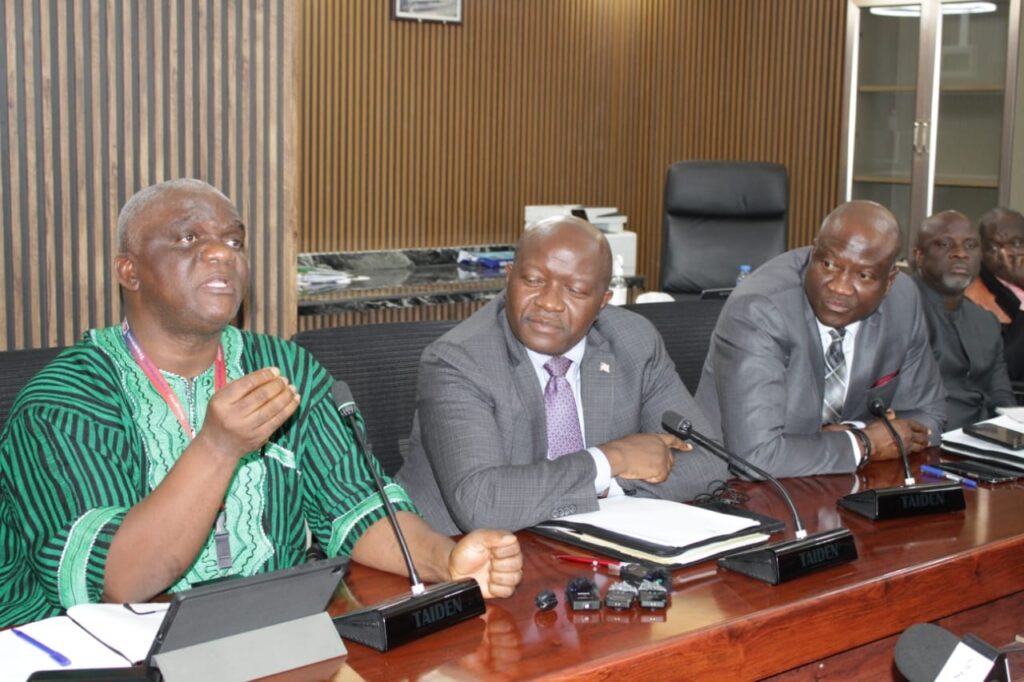
“As custodians of public trust, we could not and would not ignore these concerns,” Ngafuan emphasized.
“We took immediate and decisive action.”
The Finance Minister disclosed that on January 6, 2025, he formally wrote the Auditor General requesting an independent investigation into the discrepancies.
He said the GAC subsequently expanded its audit scope through 2024 because of the seriousness and sensitivity of the emerging findings.
‘Nobody Will Be Protected’
Although Ngafuan stopped short of directly accusing any institution or individuals of theft, observers say his remarks represented one of the strongest anti-corruption declarations yet from Liberia’s financial authorities under the Boakai administration.
The Finance Minister repeatedly stressed that accountability measures would not stop at identifying systemic failures alone.
His comments suggest that individuals linked to possible fraudulent activities uncovered by the audit could eventually face criminal prosecution if investigations confirm wrongdoing.
The audit period spans both the administration of former President George Weah and the first year of the current administration of President Joseph Nyuma Boakai.
Emergency Reforms Already Underway
Ngafuan disclosed that even before the release of the audit report, government financial institutions had already begun implementing emergency corrective measures to tighten financial controls and strengthen revenue accountability systems.
According to him:
- banking agreements governing government transitory accounts have been revised;
- commercial banks are now required to submit daily revenue sweep reports;
- customs systems are being upgraded;
- automated reconciliation mechanisms are being introduced;
- and government financial systems are being integrated for real-time transaction monitoring.
“We are also taking measures to integrate LITAS, SICTAS, ASICUDA, IFMIS, transitory accounts, and the general revenue account at the CBL to support real-time transactional-level reconciliation across government revenue systems,” Ngafuan announced.
The Finance Minister further revealed that the government is engaging reputable private sector experts to help strengthen Liberia’s revenue tracking and reconciliation systems.
One of the entities expected to support the reforms is John S. Morlu LLC, founded by former Auditor General John Saygbe Morlu II.
Public Pressure Growing
The revelations come amid growing public concern over corruption, financial leakages, and weak accountability systems within Liberia’s public sector.
For years, civil society organizations, international partners, and governance advocates have raised concerns about unexplained revenue losses, weak internal controls, and poor reconciliation practices within government institutions.
The latest audit findings are likely to intensify pressure on anti-corruption institutions to aggressively pursue accountability and ensure that individuals linked to any proven fraud are prosecuted regardless of political affiliation or institutional status.
Observers say the case could become a major test of President Boakai’s commitment to transparency, accountability, and public sector reform under his administration’s ARREST Agenda for Inclusive Development.
For Ngafuan, however, the message appeared unmistakably clear.
“A credible audit requires diligence, independence, and technical rigor,” he stated.
“And as custodians of public trust, we could not and would not ignore these concerns.”
Follow The Liberian Post on Facebook and X (formerly twitter)