-Finance Minister Announces US$125 Million in New Development Financing as Liberia Accelerates Drive Toward 75 Percent Electricity Access
HARRISBURG, Montserrado County — Finance and Development Planning Minister Augustine Kpehe Ngafuan has declared that reliable energy remains the single most important ingredient for Liberia’s economic transformation, describing the country’s electricity sector as a critical driver of investment, job creation, industrial growth, and national development.
Speaking Friday at the commissioning of Liberia’s first grid-connected 20-megawatt solar power plant in Harrisburg Township, Ngafuan said the Boakai Administration is deliberately targeting the country’s biggest obstacles to growth, with electricity and road infrastructure receiving priority attention under the government’s development agenda.
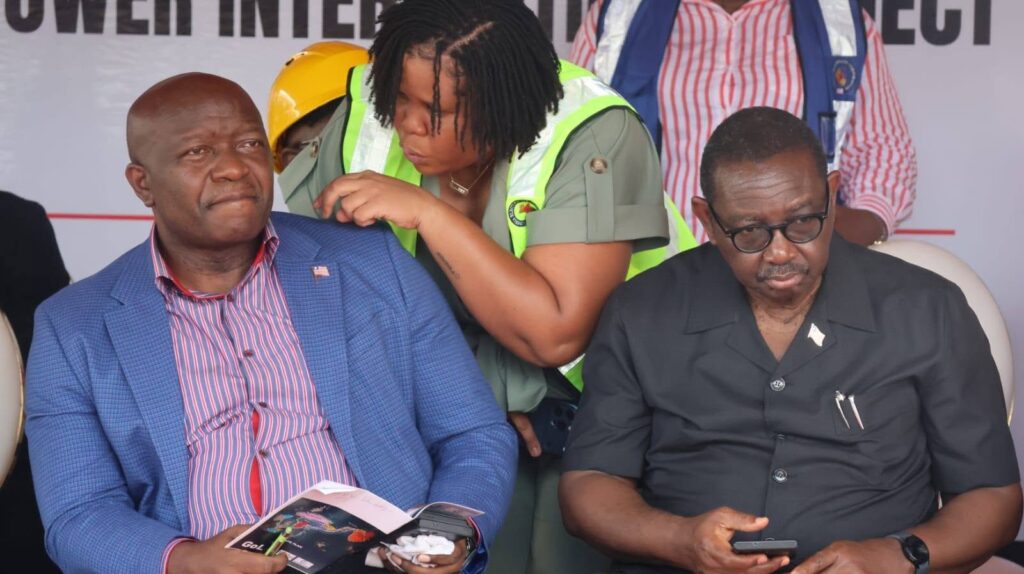
“We always say that the private sector is the engine of growth, but I always add that energy is the engine of the private sector,” Ngafuan declared. “If we do not tackle the major constraints to growth, all other interventions will remain on the surface.”
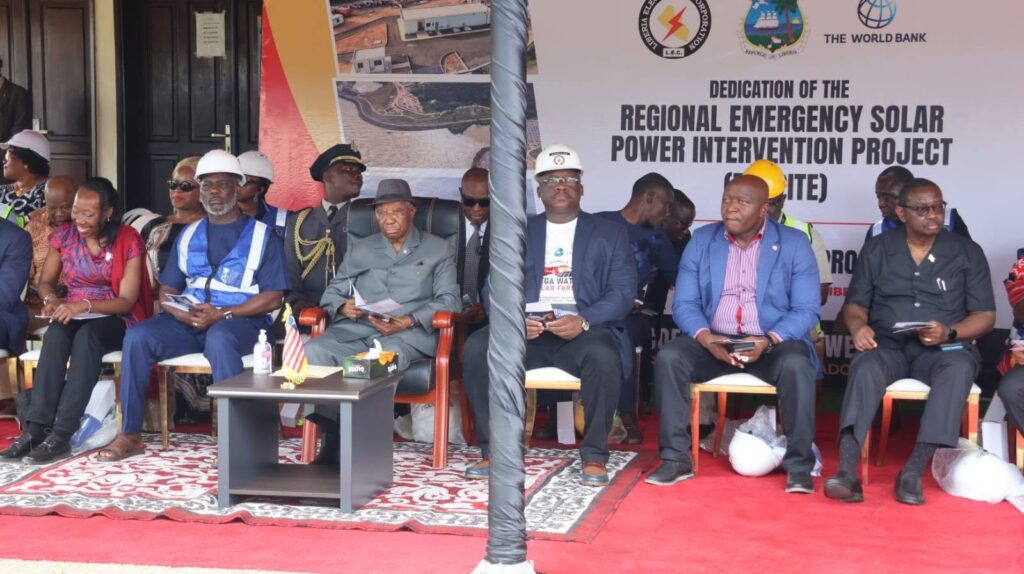
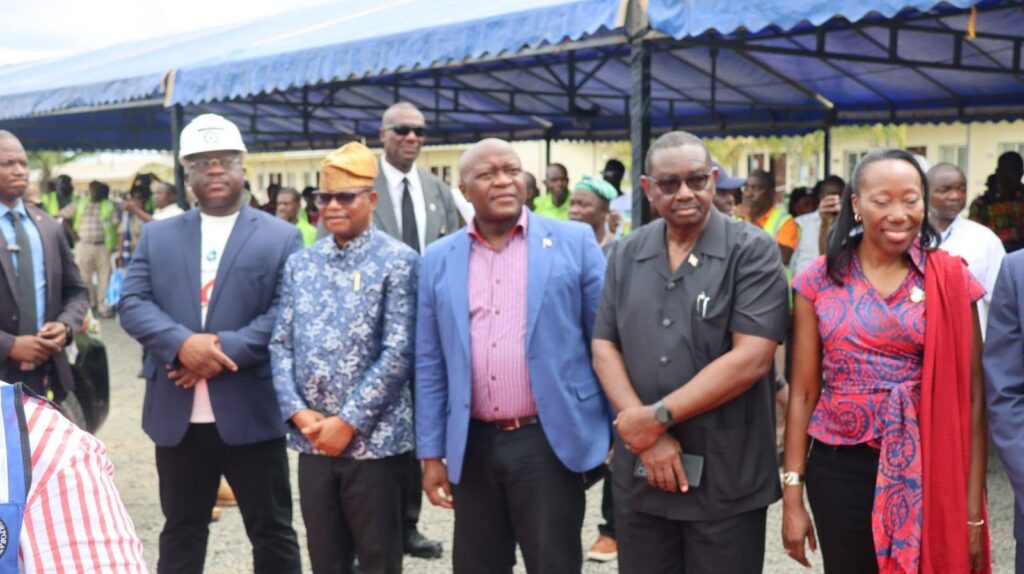
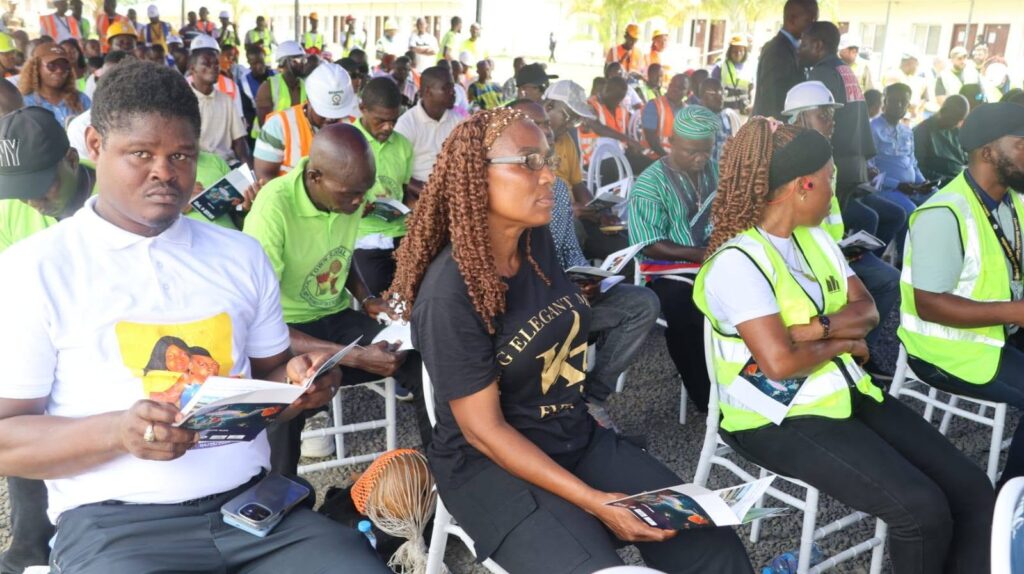
The Finance Minister’s remarks came during a landmark ceremony attended by President Joseph Nyuma Boakai, House Speaker Richard Nagbe Koon, senior government officials, lawmakers, development partners, and executives of the Liberia Electricity Corporation (LEC).
Government Targets 75 Percent Energy Access
Ngafuan disclosed that the government is aggressively pursuing its commitment to increase national electricity access from roughly 30 percent to 75 percent, a pledge made during the Africa Energy Summit in Tanzania under the Mission 300 Initiative.
According to him, Liberia has already made notable progress.
“Director Sheriff just told me that we are now approaching 40 percent access, and we are climbing,” the Minister said, emphasizing that the government will continue investing heavily in the sector.
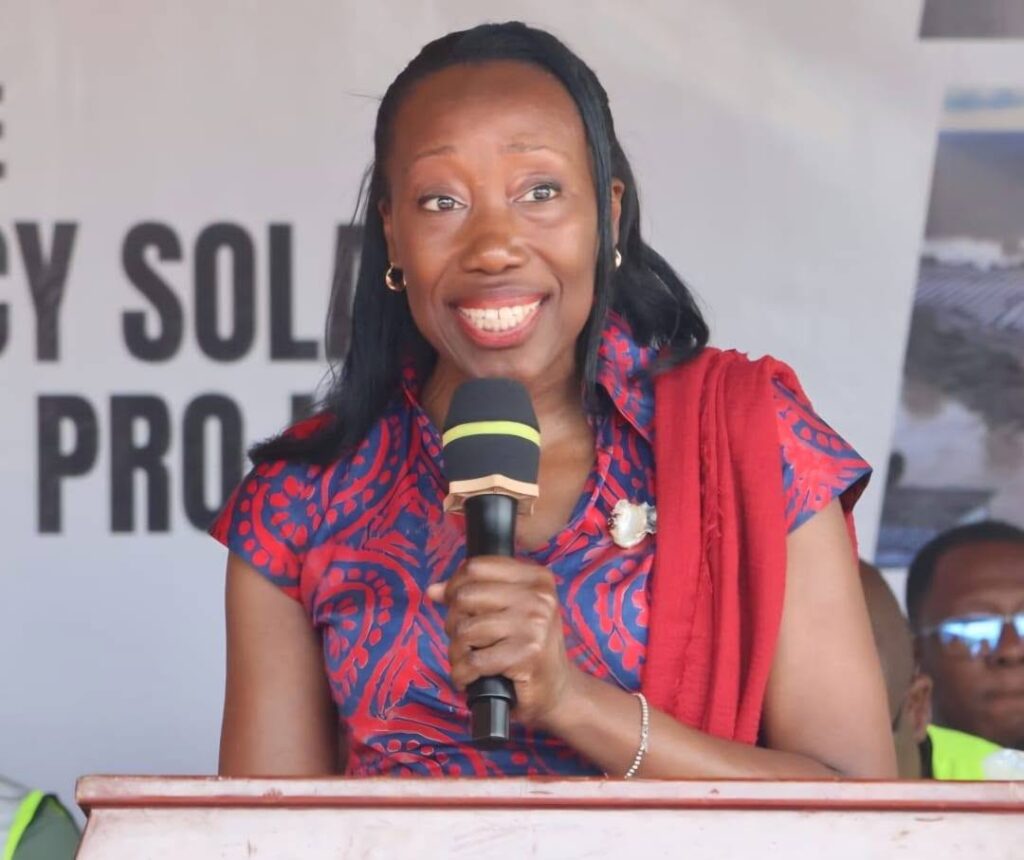
He revealed that the government allocated US$50 million from additional ArcelorMittal revenues to support energy-sector investments, while assuring Liberians that the electricity sector will remain a permanent priority in future national budgets.
“One thing you can rest assured of is that the energy sector will continue to be a permanent residence in the Liberian budget—and not just a permanent residence, but one that occupies bigger and bigger spaces,” he said.
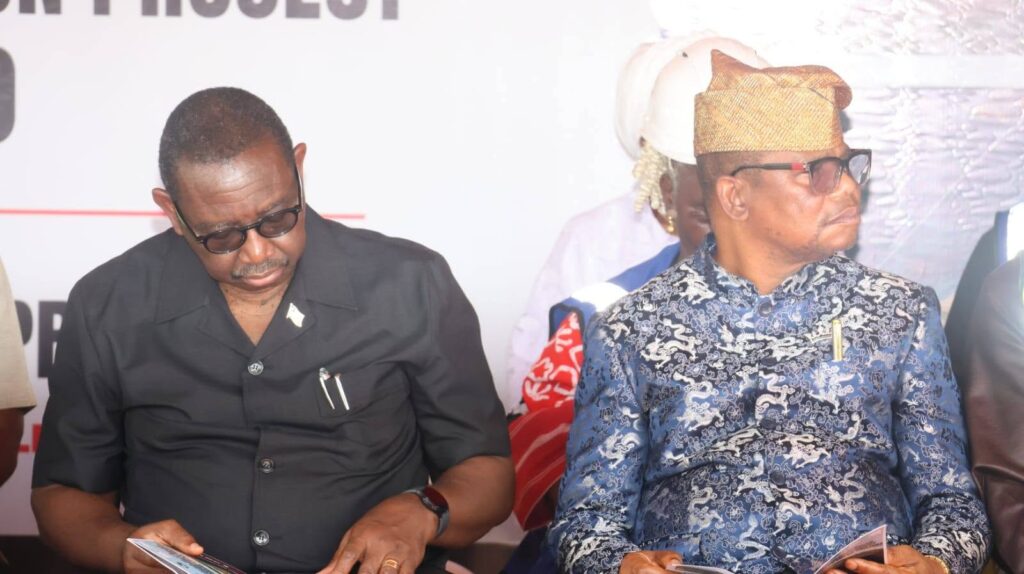
US$125 Million in New Development Agreements
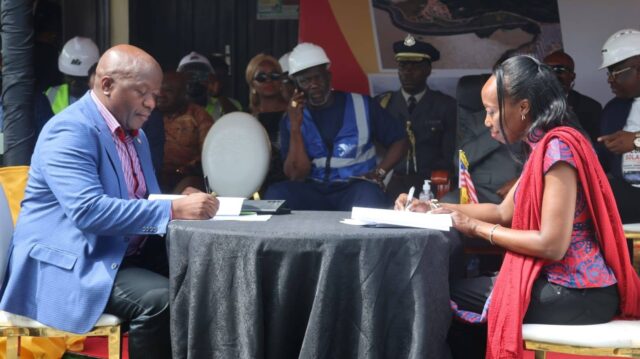
The commissioning ceremony also served as a platform for announcing three major financing agreements valued at approximately US$125 million between Liberia and the World Bank.
According to Ngafuan, the package includes:
- US$50 million for the West Africa Regional Digital Integration Program (WARDIP), aimed at expanding broadband access, strengthening cybersecurity, improving digital governance, and promoting innovation and e-commerce.
- US$57 million in additional financing for the Regional Emergency Solar Power Intervention Project (RESPITE), which will support expansion of the Mount Coffee Hydropower Plant and deployment of battery energy storage systems.
- Additional financing for the Southeastern Corridor Road Asset Management Project (SECRAM), which will support continued improvement of the Ganta-Zwedru Highway and enhance road connectivity across southeastern Liberia.
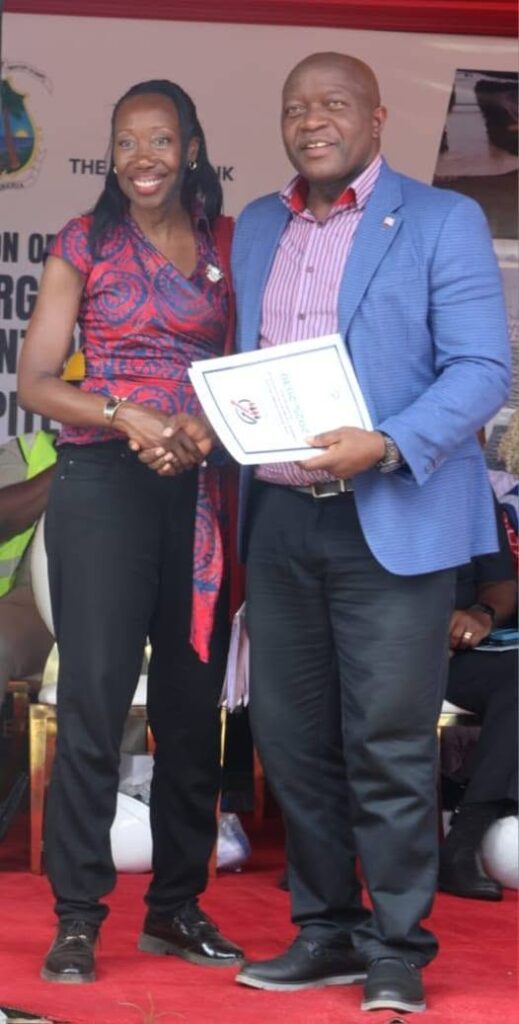
Ngafuan described the agreements as evidence that international partners continue to place confidence in Liberia’s development agenda.
Solar Plant Marks New Chapter
The newly commissioned solar facility, developed under the RESPITE Project with support from the World Bank, is expected to significantly boost electricity generation while reducing dependence on expensive fuel imports.
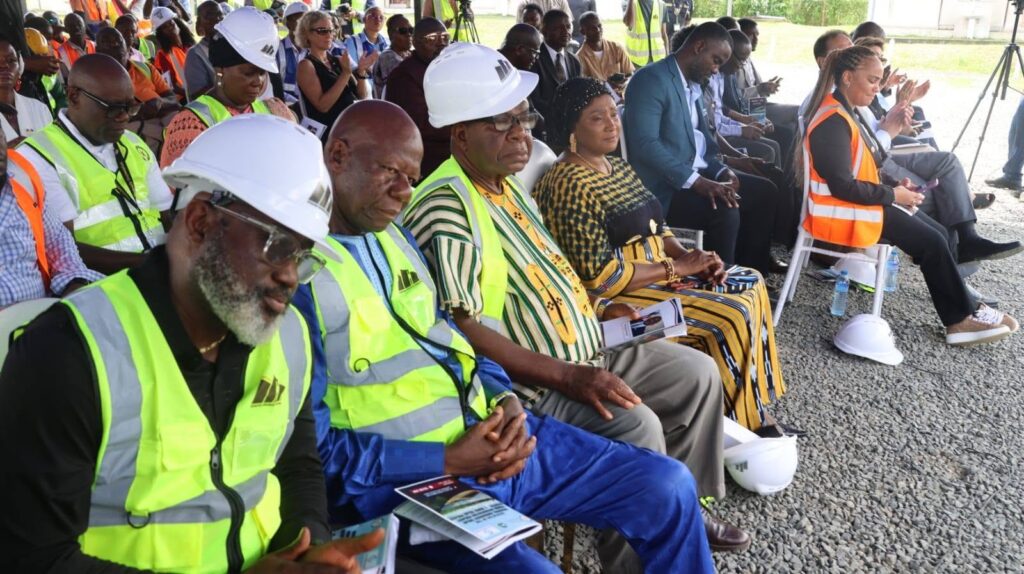
President Boakai described the project as a major milestone in addressing one of Liberia’s most persistent development challenges—access to affordable and reliable electricity.
“It marks significant progress in our effort to address one of Liberia’s longstanding challenges,” the President said, noting that the project was completed in less than two years after groundbreaking in October 2024.
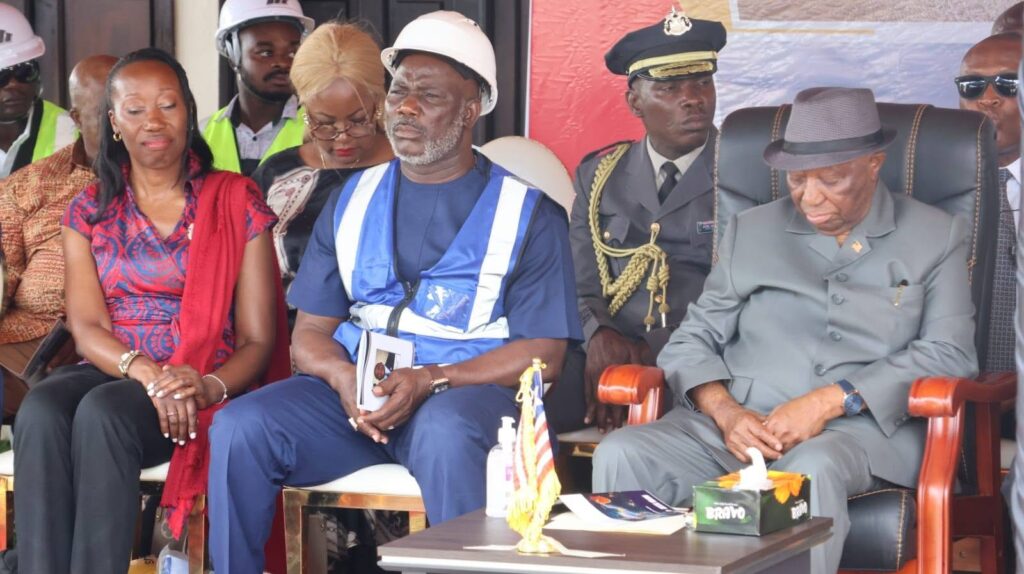
“We are in a hurry to deliver services to our people,” Boakai declared.
The President also used the occasion to send a political message to critics of his administration.
“For those people who probably might be in different parties, you have to get used to it because every day you will hear good things happening,” Boakai said. “We will continue because this is what we have come to do.”
Mount Coffee Returns to Full Strength
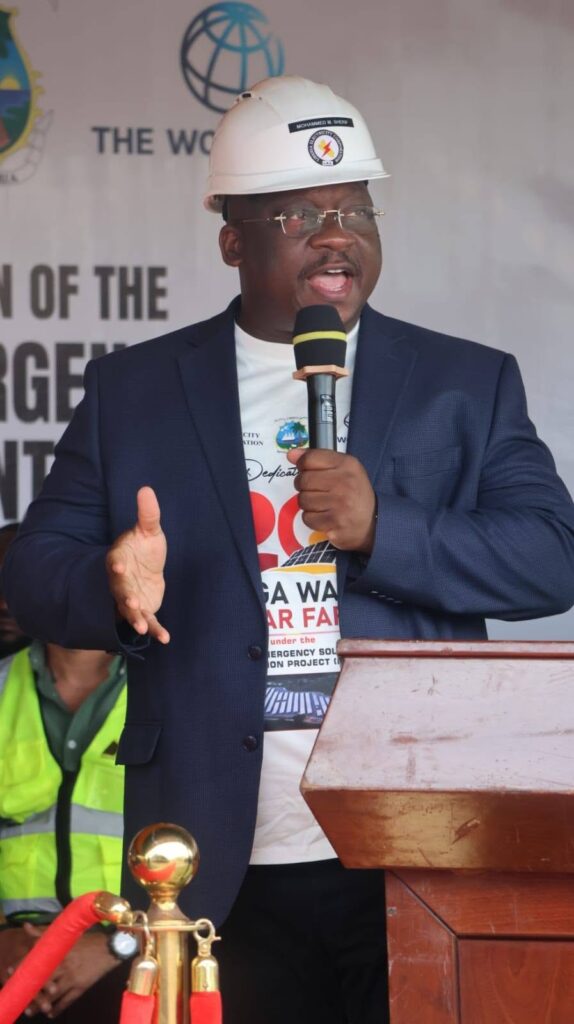
LEC Managing Director Mohammed M. Sheriff announced another major achievement, revealing that the damaged Unit One turbine at the Mount Coffee Hydropower Plant has been fully rehabilitated and returned to service after being offline for several years.
According to Sheriff, the restoration adds 22 megawatts back to the national grid and returns Mount Coffee to its full installed capacity of 88 megawatts.
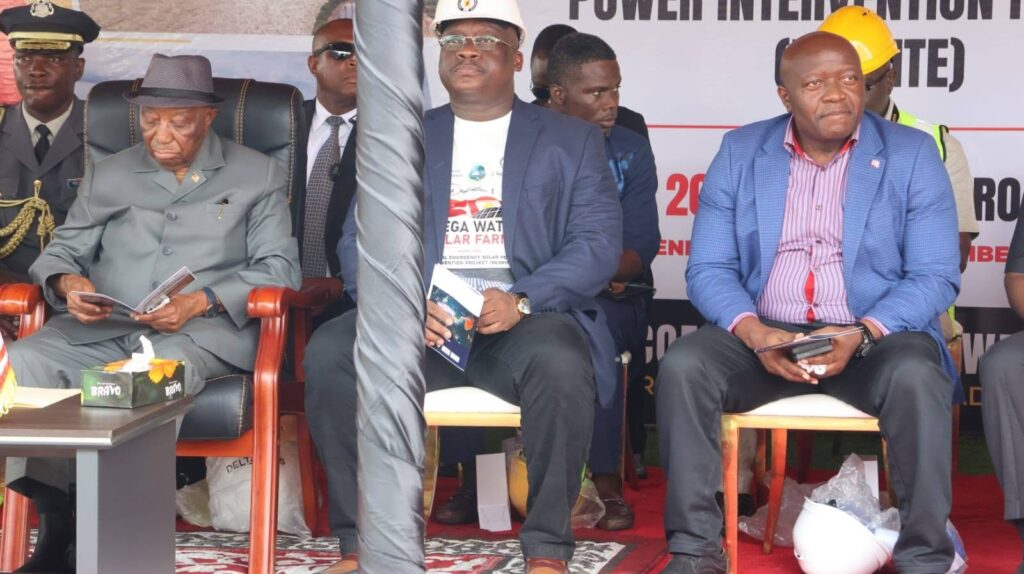
He further disclosed that plans are advancing to add another 42 megawatts to the hydro facility through a future expansion project backed by the World Bank.
“This solar plant diversifies our energy mix, reduces dependence on costly imported fuel, strengthens energy security, and brings clean renewable power onto the national grid,” Sheriff said.
World Bank Sees Bright Future
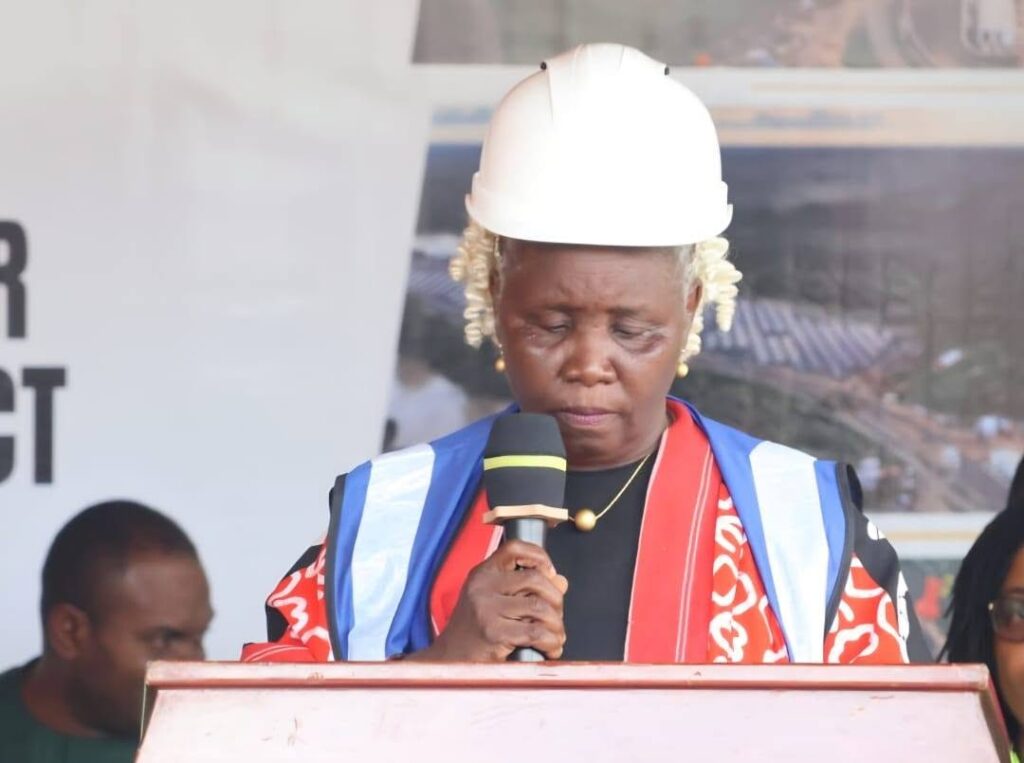
World Bank Country Manager Georgia Wallen hailed the commissioning as a historic achievement and announced plans to support expansion of the facility from 20 megawatts to 30 megawatts with battery storage capacity.
She said the project represents a major step toward reducing electricity costs and improving energy reliability across Liberia.
According to Wallen, solar energy generated by the facility costs approximately US$0.03 per kilowatt-hour compared to US$0.28 from oil-based generation.
“Today’s commissioning is another win for the Liberian people,” she said, adding that the World Bank remains committed to helping Liberia achieve its ambitious energy-access targets.
Development as a Unifying Force
Throughout his remarks, Ngafuan repeatedly emphasized that development remains the most effective tool for national unity.
“The best way to unite the country is to develop the country,” he said. “The electricity we provide does not ask which political party you belong to. The roads we build do not ask for political party identification cards. The schools and hospitals we construct serve everyone.”
As Liberia continues its push for economic transformation, Friday’s commissioning ceremony highlighted a broader message from government officials and development partners alike: that expanding access to electricity is no longer simply an infrastructure goal, but a central pillar of Liberia’s strategy for growth, job creation, investment, and national prosperity.
Follow The Liberian Post on Facebook and X (formerly twitter)