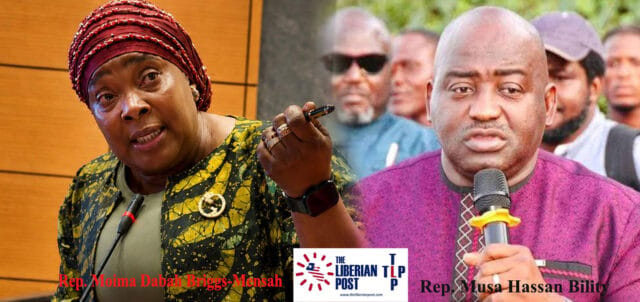
MONROVIA – A sharp political confrontation is unfolding within Liberia’s opposition landscape after Moima Dabah Briggs Mensah, Representative of Bong County District #6, publicly described the Citizens Movement for Change (CMC) of Nimba County lawmaker Musa Hassan Bility as “Criminals Managing Criminals” — a statement now generating widespread political debate and controversy across social media and national political circles.
The explosive remark, which observers describe as one of the harshest political attacks exchanged between sitting lawmakers in recent months, appears to deepen growing tensions among emerging opposition political actors ahead of Liberia’s next major electoral cycle.
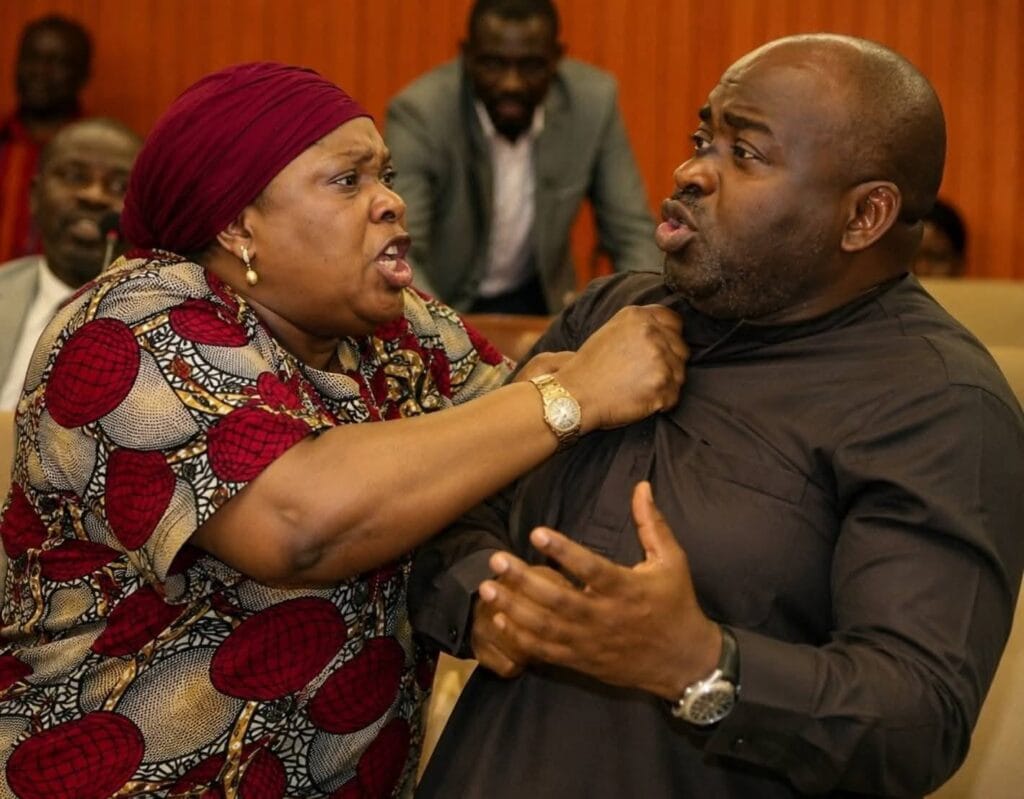
The comments, reportedly made during plenary proceedings at the House of Representatives, quickly triggered heated discussions online, especially after manipulated images and social media claims began circulating alleging that Briggs-Mensah physically confronted Representative Bility during the exchange.
However, in an official press statement issued by the Office of Representative Briggs-Mensah, her office strongly denied reports of any physical altercation and condemned what it described as the circulation of “misleading narratives” and fabricated AI-generated images intended to distort the incident.
“The comments made by Hon. Moima Dabah Briggs Mensah during the plenary session were made within the context of the usual spirited plenary exchanges and lighthearted political banter that often characterize democratic debate among lawmakers,” the statement said.
“At no point did Hon. Mensah engage in any physical confrontation, nor did she hold the shirt of Hon. Musa H. Bility as falsely portrayed in the fabricated AI-generated image being shared online.”
The statement, signed by Chief of Office Staff D. Murvee Anderson Jr., further condemned what the office described as deliberate misinformation aimed at undermining the dignity of lawmakers and damaging public confidence in democratic institutions.
“The Office strongly condemns the deliberate spread of misinformation intended to mislead the public and undermine the dignity of members of the Honorable House of Representatives,” the release stated.
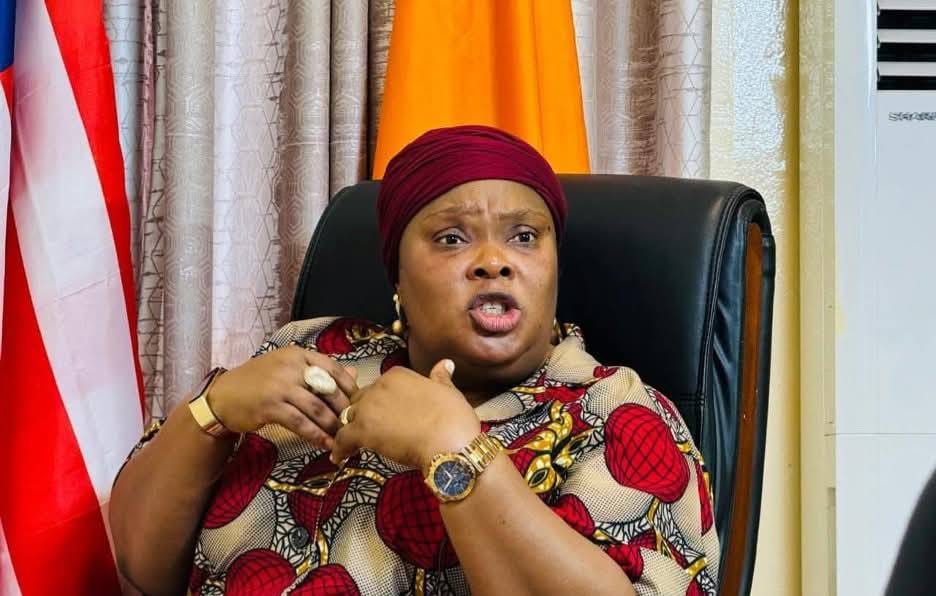
According to the statement, Representative Briggs-Mensah remains committed to “respectful political engagement, constructive dialogue, and the advancement of policies that positively impact the lives of Liberians.”
The office also urged the public and media institutions to avoid sharing manipulated or false content capable of creating “unnecessary tension and division” within the country’s political environment.
Despite the clarification, Briggs-Mensah’s characterization of the CMC as “Criminals Managing Criminals” has continued to dominate political discussions because of the controversial history surrounding Representative Bility and his political movement.
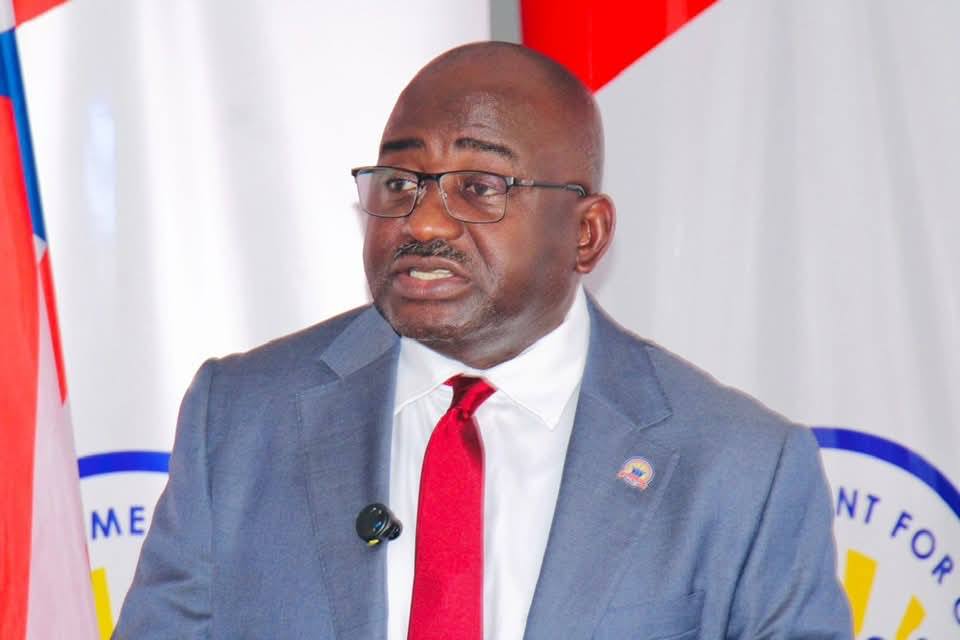
Bility, who currently represents Nimba County District #7, remains one of Liberia’s most polarizing political figures.
Before entering politics, he served as President of the Liberia Football Association and later rose to international prominence after contesting for the FIFA presidency in 2015.
However, his football administration career became heavily overshadowed by controversy after FIFA imposed a 10-year ban on him in 2019 over ethics violations involving alleged misuse of football development funds and conflicts of interest.
Bility has consistently denied wrongdoing and has repeatedly maintained that he was politically targeted within international football structures.
His political career has also been marked by periods of controversy and legal scrutiny.
During the administration of former President Ellen Johnson Sirleaf, Bility was among several individuals indicted in connection with alleged corruption and economic sabotage involving the Liberia Airport Authority, though the matter was later dismissed after prosecutors failed to proceed.
Despite those controversies, Bility has steadily rebuilt his political influence.
He was once affiliated with the Unity Party before later joining the Liberty Party, where he eventually emerged as national chairman amid intense internal divisions that fractured the party and weakened the Collaborating Political Parties (CPP) alliance.
In 2025, Bility officially launched the Citizens Movement for Change, positioning the movement as a new political alternative aimed particularly at younger voters and dissatisfied opposition supporters.
Political analysts believe the CMC’s increasing visibility may now be triggering resistance from rival political actors seeking to limit its expansion before the next elections.
Some observers interpret Briggs-Mensah’s remarks as part of broader political positioning and early maneuvering among opposition figures attempting to shape public perceptions ahead of future political contests.
Others argue that the comments reflect growing frustrations within Liberia’s political class over the continued prominence of controversial political actors accused — though not convicted — of misconduct or corruption.
Critics of Briggs-Mensah’s remarks have meanwhile accused her of escalating political hostility and contributing to toxic public discourse.
Supporters of the Bong County lawmaker, however, insist that political leaders must be held accountable for their public records and controversies.
The controversy also highlights the growing influence of artificial intelligence-generated misinformation in Liberia’s political space, with manipulated images and unverified claims increasingly circulating online during politically sensitive moments.
So far, Representative Bility and the Citizens Movement for Change have not formally responded to Briggs-Mensah’s latest statement or the clarifications issued by her office.
But as Liberia’s political atmosphere grows increasingly competitive, the confrontation may signal a more aggressive phase of political rhetoric and opposition fragmentation in the years ahead.
Follow The Liberian Post on Facebook and X (formerly twitter).