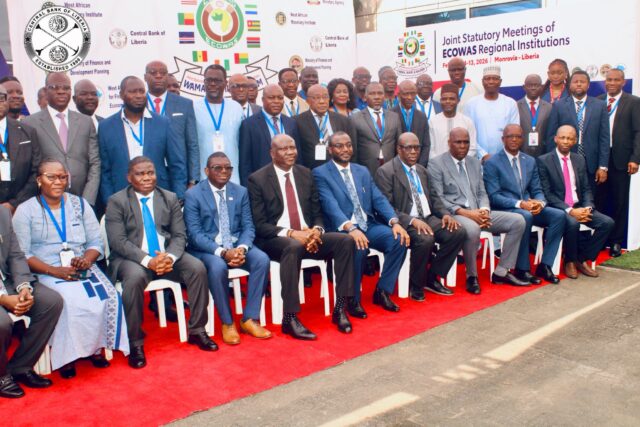
MONROVIA—Senior monetary policymakers from across West Africa on Monday, February 9th, 2026, convened in Liberia for the Second Ordinary Joint Meeting of the Economic and Macroeconomic Policy Technical Committee of ECOWAS and the Operations and Administration Committee of the West African Monetary Agency (WAMA), with strong messages from Liberia’s central bank and regional monetary authorities on the urgency of reforms needed to realize a single ECOWAS currency.
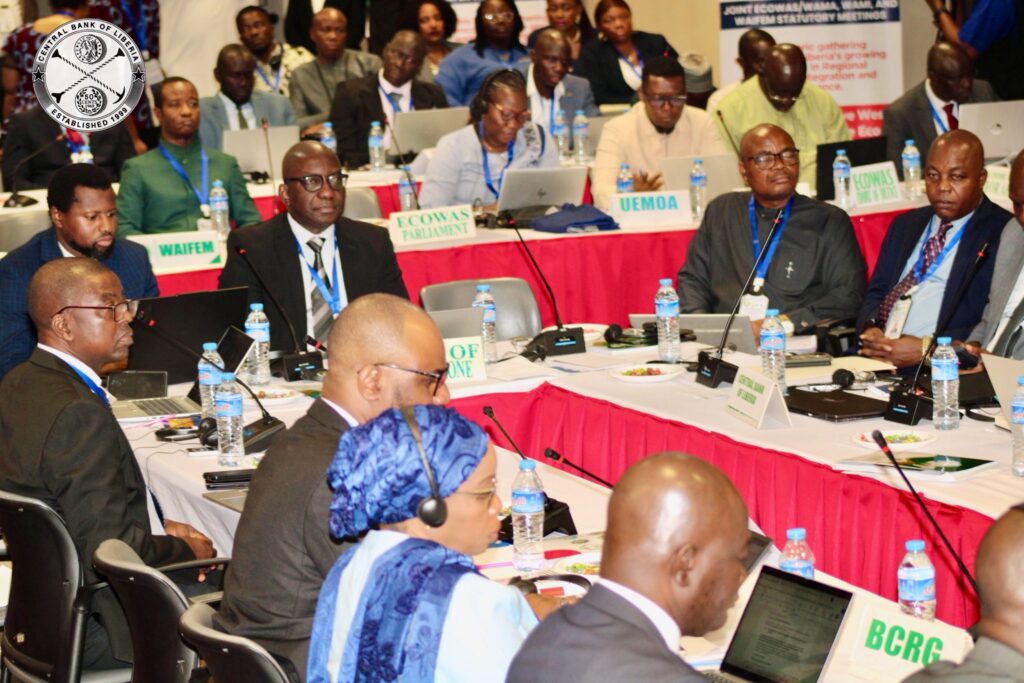
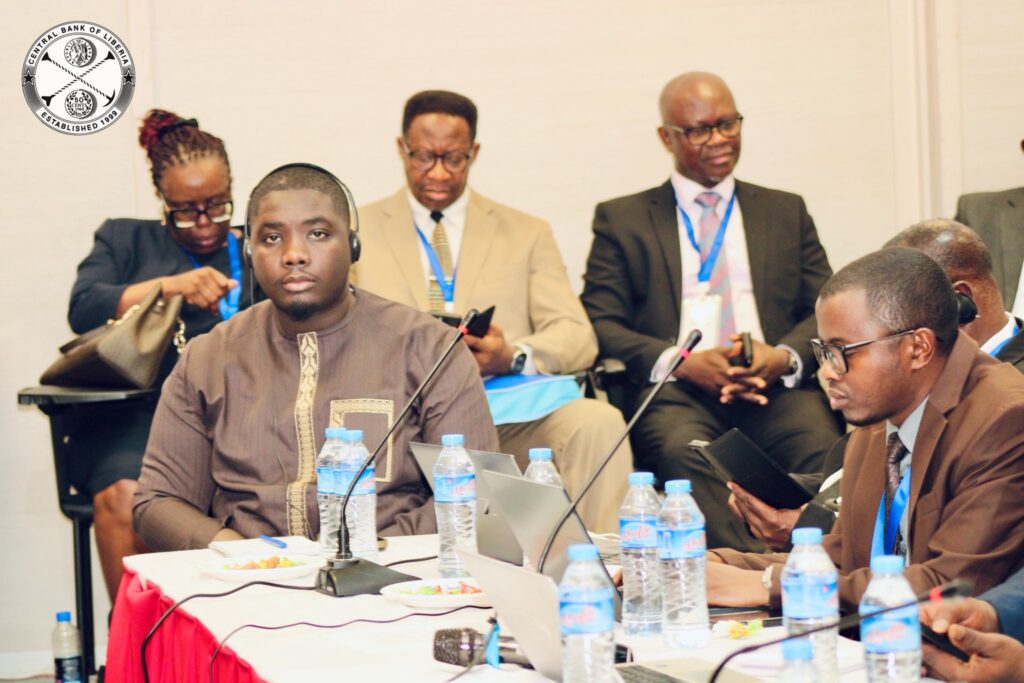
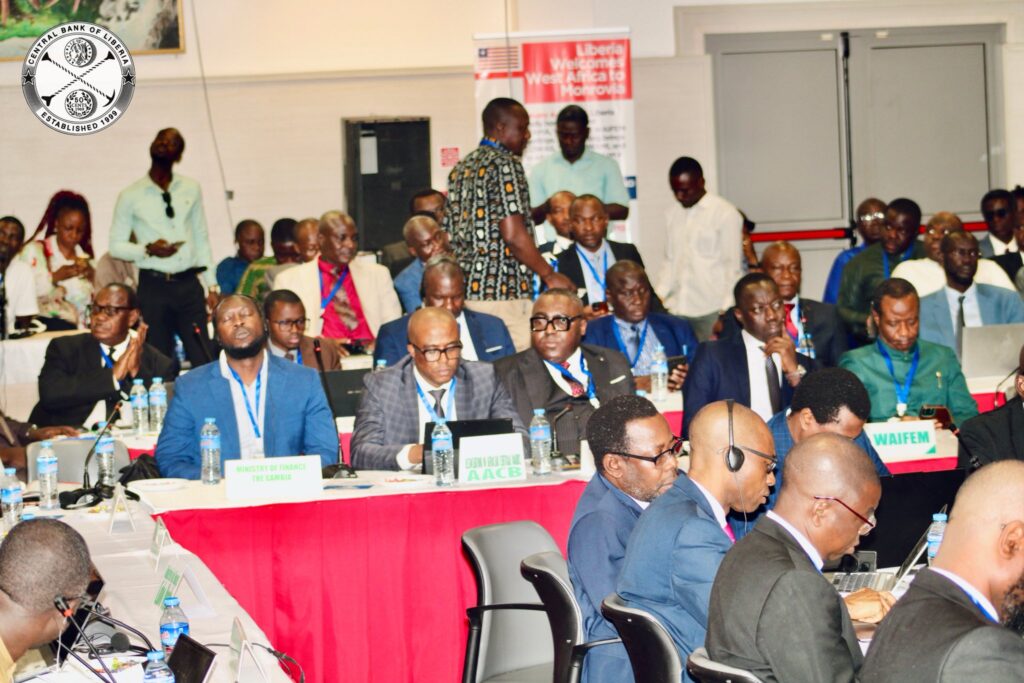
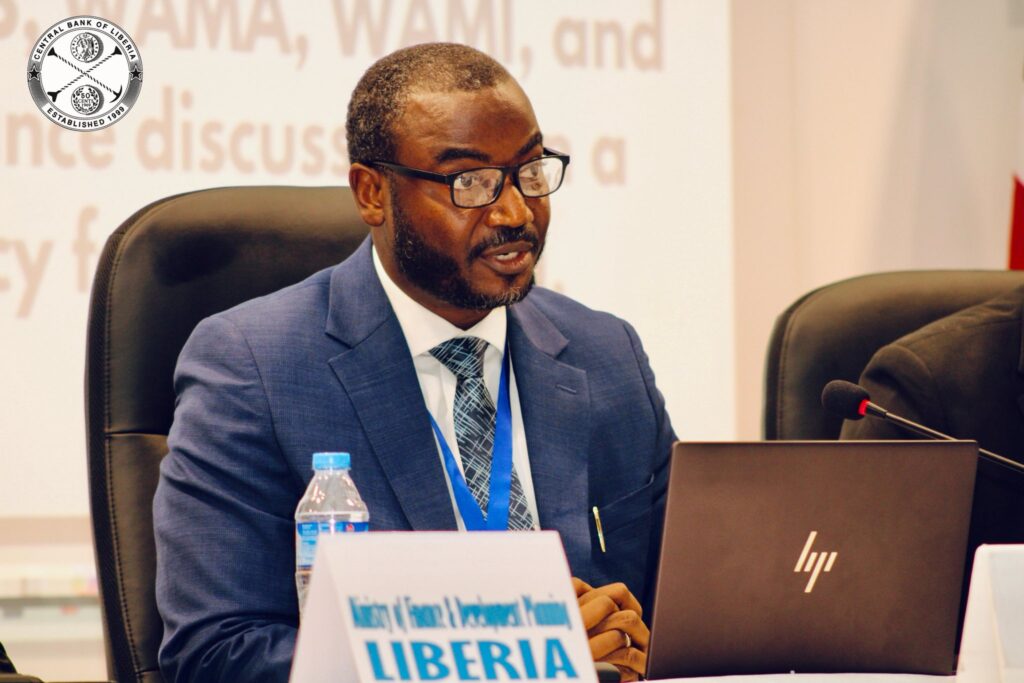
The high-level meeting, hosted at the Central Bank of Liberia (CBL), brought together officials from member-state central banks, ministries of finance, and ECOWAS specialized institutions. In his welcome address, CBL Executive Governor Henry F. Saamoi framed the gathering as a pivotal moment in West Africa’s long-running monetary integration journey, warning that while progress has been made, the region must now move from aspiration to decisive action.
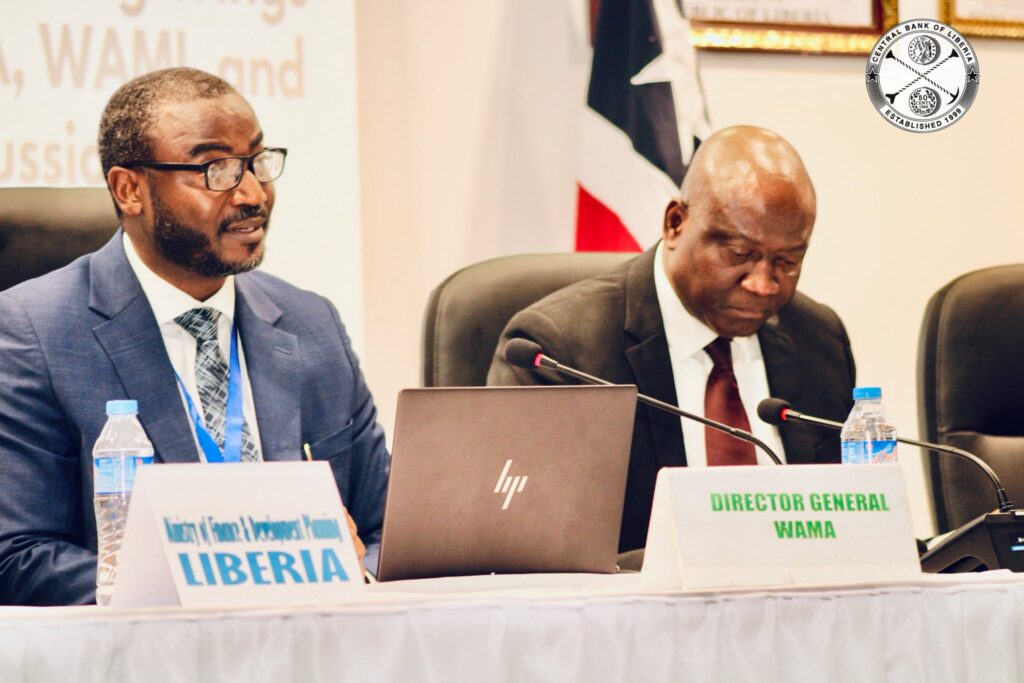
Saamoi said the joint committee represents “the technical backbone of ECOWAS’ monetary integration architecture,” stressing that the meeting provides a platform for “collective reflection, strategic dialogue and decisive action” toward the planned launch of a single currency by 2027. He cautioned, however, that global economic uncertainty—from geopolitical tensions and commodity price volatility to tightening financial conditions—continues to test the resilience of regional economies.
Against that backdrop, Saamoi highlighted what he described as encouraging regional trends. West African economies, he noted, have demonstrated resilience, with regional growth rising to about 4.8 percent in 2025 and projected to reach 5 percent in 2026, supported by moderating inflation, relatively stable exchange rates, and improved fiscal positions. He said consolidated fiscal deficits across the region have narrowed and public debt ratios have declined, signaling stronger macroeconomic management.
Turning to Liberia’s own performance, Saamoi reported that real GDP growth reached 5.1 percent in 2025, up from 4 percent in 2024, driven largely by mining, particularly iron ore and gold, alongside infrastructure investment. Inflation, he said, fell sharply during the year, reaching about 4 percent by December—its lowest level in more than two decades—while foreign reserves rose to over US$575 million. These gains, he added, enabled Liberia to meet two of the four primary ECOWAS convergence criteria and all secondary criteria in 2025.
Despite these improvements, Saamoi stressed that macroeconomic convergence remains uneven across member states and warned against complacency. He called for sustained fiscal discipline, closer monetary coordination, and accelerated structural reforms to ensure that progress translates into “durable stability and shared prosperity.” He also underscored the need to close remaining gaps ahead of the 2027 target, including decisions on the headquarters of the proposed Central Bank of West Africa and funding for the ECOWAS payment and settlement system.
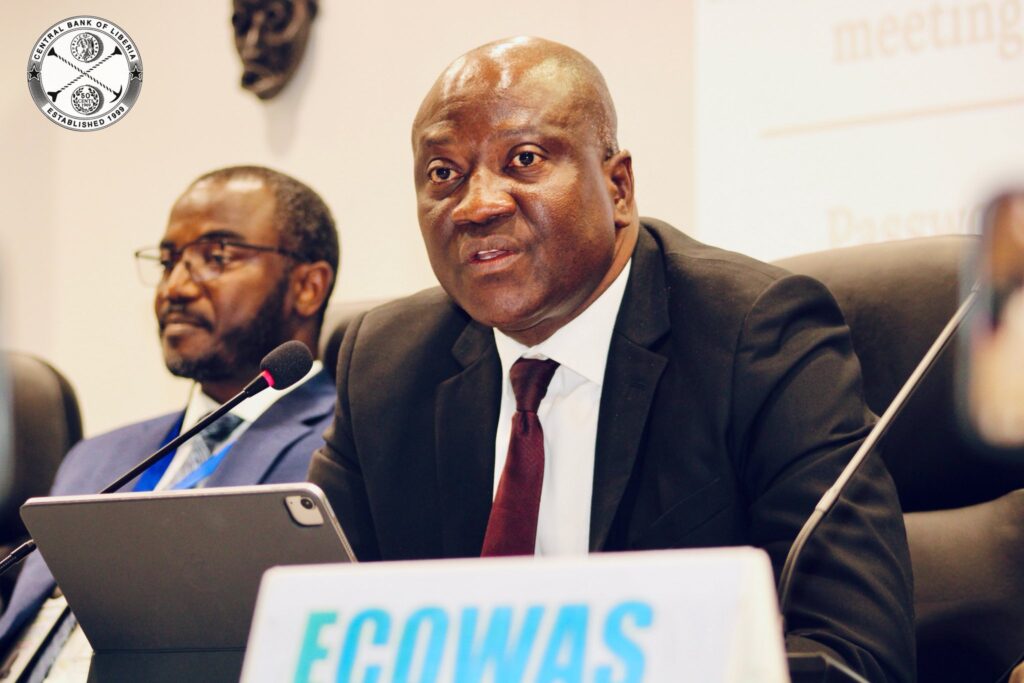
Echoing that sense of urgency, Boimah S. Kamara, Director-General of WAMA, told delegates that while the region has “something to write home about,” the road to convergence and the eventual launch of the ECO currency remains demanding. Speaking one year after assuming office, Kamara said WAMA has pushed aggressively to implement activities under the revised ECOWAS roadmap, noting that more than half of the roadmap actions fall under the agency’s responsibility.
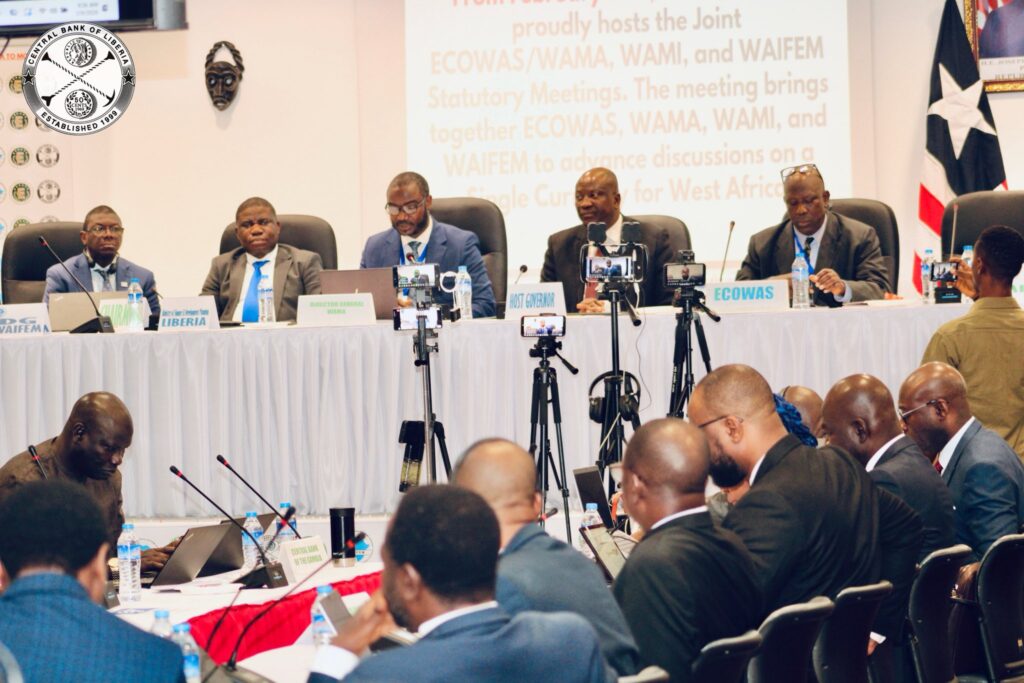
Kamara reported that of the 78 roadmap activities assigned to WAMA, 22 had been completed by the end of 2025, with 20 more expected in the first half of 2026 and the remainder by the end of the year or into 2027. Among key milestones, he cited progress on multilateral surveillance missions, draft legal instruments for the Central Bank of West Africa, frameworks for reserve pooling, and preparatory work on the ECOWAS payments and settlement system.

However, Kamara warned that funding constraints, slow decision-making, and delays in adopting legal texts continue to pose serious risks to meeting the 2027 deadline. He emphasized that adequate financing of roadmap activities, timely political decisions, and strong coordination among ECOWAS institutions are now “critical requirements” for success.
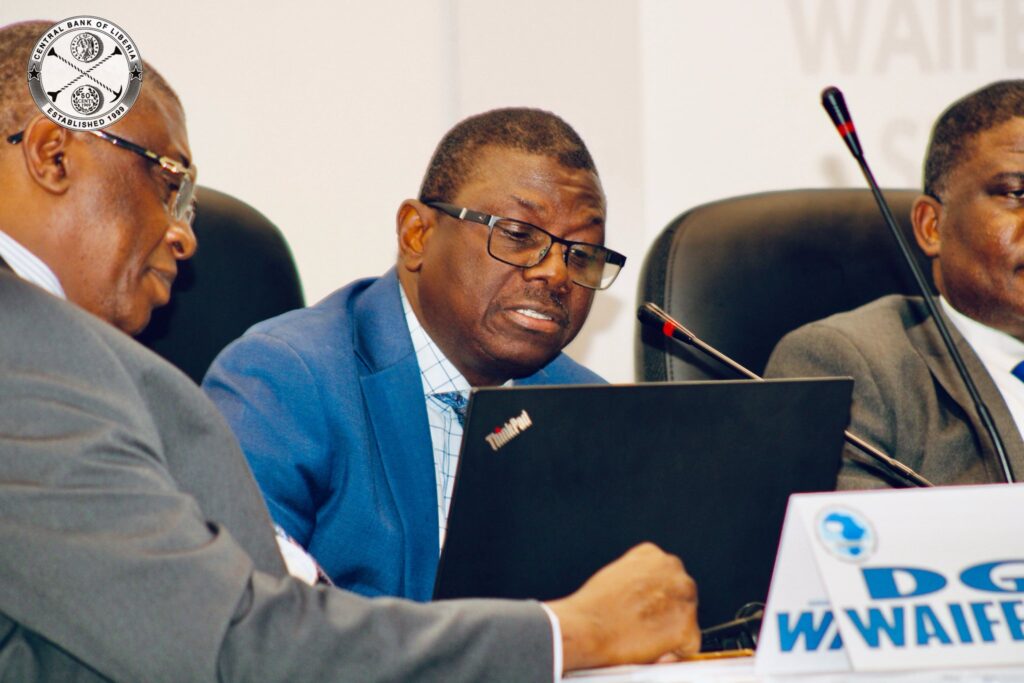
Beyond technical implementation, Kamara also outlined internal reforms at WAMA aimed at strengthening governance and operational efficiency, including new management systems, staff reforms, and strategic partnerships with institutions such as the African Development Bank and the International Monetary Fund.
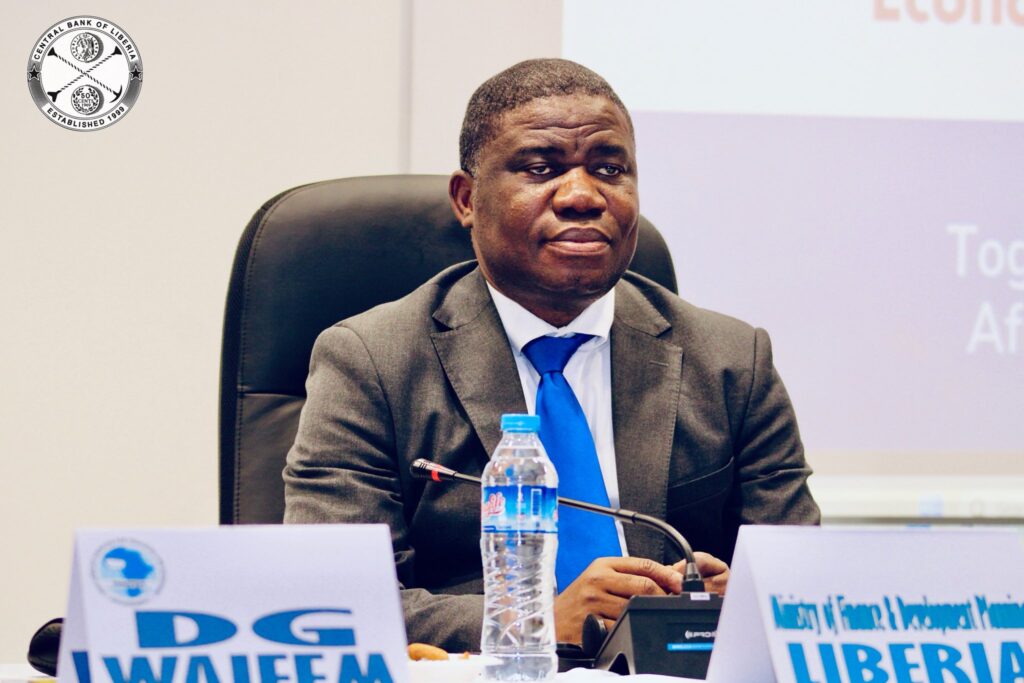
Both Saamoi and Kamara concluded with appeals for renewed political will and collective responsibility, urging member states to place regional interests above narrow national considerations. As deliberations continue through mid-February, the Monrovia meetings are expected to review convergence reports, assess progress on the single-currency roadmap, and develop recommendations for higher ECOWAS decision-making bodies.
For Liberia, hosting the talks underscores its renewed engagement in regional economic integration, while for ECOWAS, the message from Monrovia was clear: the technical groundwork has advanced, but the window for decisive action is narrowing.
Follow The Liberian Post on Facebook and X (formerly twitter).