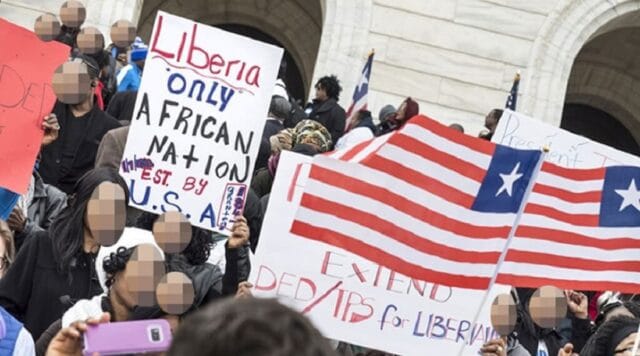
-End of Deferred Enforced Departure Leaves Nearly 4,000 Liberians at Risk of Removal as Community Leaders Urge Calm and Immigration Attorneys Push Eligible Families to Seek Permanent Legal Status
WASHINGTON DC / MONROVIA – Thousands of Liberians living in the United States are confronting an uncertain future after the expiration of long-standing humanitarian deportation protections, a development that could expose many to removal proceedings unless they qualify for another legal immigration status.
The concern follows the expiration of Deferred Enforced Departure (DED) protections for eligible Liberians on June 30, 2026, ending one of the longest-running humanitarian immigration programs established for Liberian nationals following the country’s devastating civil wars. The protection, which had been extended repeatedly by successive U.S. presidents over nearly three decades, allowed eligible Liberians to remain and work legally in the United States while Liberia recovered from years of conflict and instability.
While no official U.S. government figure has been released on the exact number of Liberians affected, immigration advocates and Liberian community organizations estimate that approximately 4,000 Liberian nationals may now be vulnerable to deportation if they do not qualify for another lawful immigration pathway.
A Community Facing Uncertainty
The expiration of DED has generated widespread concern among Liberian communities across the United States, particularly in states with large Liberian populations such as Minnesota, Pennsylvania, Rhode Island, Georgia, New Jersey, Maryland and New York.

For many families, the end of the program raises fears not only about deportation but also about the immediate loss of work authorization.
Without renewed protection or another valid immigration status, affected Liberians could become subject to removal proceedings initiated by U.S. Immigration and Customs Enforcement (ICE).
Immigration attorneys have urged affected individuals not to panic but instead to immediately seek legal advice to determine whether they qualify for permanent residency through the Liberian Refugee Immigration Fairness (LRIF) program, family-based immigration petitions, employment-based visas, asylum or other forms of immigration relief.
Protection Rooted in Liberia’s Civil War
The DED program traces its origins to Liberia’s prolonged civil conflicts, which claimed hundreds of thousands of lives and displaced countless others between 1989 and 2003.
Recognizing Liberia’s fragile post-war recovery, successive American administrations—including those of Presidents Bill Clinton, George W. Bush, Barack Obama, Donald Trump, Joe Biden, and later policy extensions—continued granting temporary humanitarian protection to eligible Liberians already residing in the United States.
The most recent extension was issued by former President Joe Biden on June 28, 2024, extending DED and employment authorization through June 30, 2026, while also allowing certain Liberians pursuing permanent residency under LRIF to remain eligible for protection.

That extension has now expired.
Supreme Court Decision Adds to Anxiety
Although Liberia’s DED program is separate from the statutory Temporary Protected Status (TPS) program, anxiety within the Liberian community has intensified following a recent U.S. Supreme Court ruling that strengthened the executive branch’s authority over humanitarian immigration protections.
The Court’s decision arose from litigation involving TPS beneficiaries from other countries, but immigration observers say it underscores the broad discretion available to the executive branch in determining whether temporary humanitarian protections should continue.
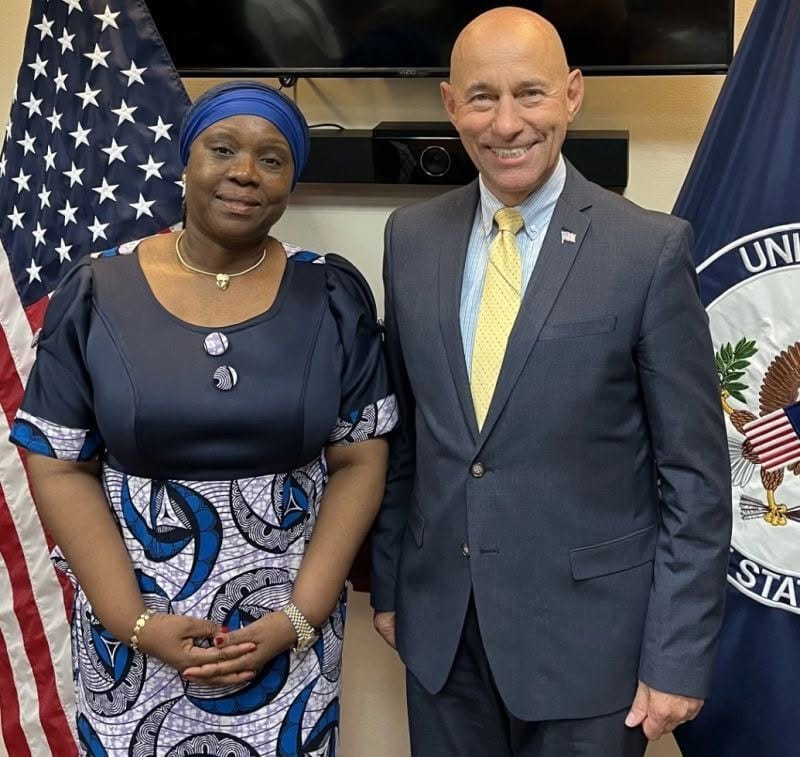
The ruling has led many Liberians to conclude that prospects for judicial intervention to restore or extend DED protections are now significantly diminished.
Potential Impact on Liberia
The possible loss of legal status for thousands of Liberians carries implications beyond immigration policy.
For decades, Liberians living in the United States have been among the country’s largest sources of remittances, sending millions of dollars annually to relatives back home.
Those remittances help finance education, healthcare, housing, food, and small businesses, making them a critical pillar of Liberia’s economy.
Economists have long warned that any large-scale deportation or reduction in diaspora earnings could affect household incomes, increase unemployment pressures and place additional strain on Liberia’s already fragile social services.
Sirleaf’s Diplomatic Campaign Remembered
The current situation has also revived memories of the extensive diplomatic efforts undertaken by former President Ellen Johnson Sirleaf, who repeatedly appealed to successive U.S. administrations to extend humanitarian protections for Liberians.
Throughout her presidency, Sirleaf argued that Liberia’s post-war recovery remained too fragile to absorb the sudden return of thousands of deportees.
She emphasized that remittances from Liberians abroad were essential to sustaining families and supporting national recovery, while warning that mass deportations could undermine economic stability and social peace.
Those sustained diplomatic engagements contributed to multiple presidential extensions of DED over nearly two decades, buying time for Congress to enact the Liberian Refugee Immigration Fairness (LRIF) program, which created a pathway to permanent residency for many eligible Liberians who had lived in the United States for years.

Not Everyone Faces Deportation
Immigration experts caution, however, that the expiration of DED does not automatically mean every affected Liberian will be deported.
Many individuals may already have obtained lawful permanent residency or U.S. citizenship, while others may qualify for adjustment of status through LRIF, family sponsorship, employment-based visas or other immigration benefits.
Legal advocates are encouraging anyone affected to consult qualified immigration attorneys immediately rather than relying on rumors circulating on social media.
Calls for Government Engagement
As uncertainty grows, some members of the Liberian diaspora are urging the Government of Liberia to engage Washington diplomatically while also expanding support services through the Liberian Embassy in Washington, D.C. and consular offices to assist affected citizens.
So far, no official statement has been issued by the Liberian government announcing a new diplomatic initiative regarding the expiration of DED.
With thousands of families now confronting difficult decisions about their future, immigration advocates say the coming weeks will be critical as affected Liberians seek legal options to remain in the United States while continuing to support relatives and communities back home.
For many, the end of DED marks not simply the expiration of an immigration program, but the closing of a humanitarian chapter that has shaped the lives of Liberian families in America since the country’s darkest years of civil conflict.
For breaking news, in-depth analysis, and exclusive reports from Liberia and around the world, follow The Liberian Post on Facebook (https://web.facebook.com/profile.php?id=61576017166570) and X, formerly Twitter (https://x.com/LiberianPost).